 Free shipping on orders over $75 across the U.S., with different free shipping promotions available in parts of
 Europe,
 South America,
 Australia.For all other countries, please contact us before placing your order, and we'll be happy to fast-track a shipping solution for you.
Summer Heat Can Kill: Why Obese Cats and Dogs Face Deadly Risks (And How to Save Them)
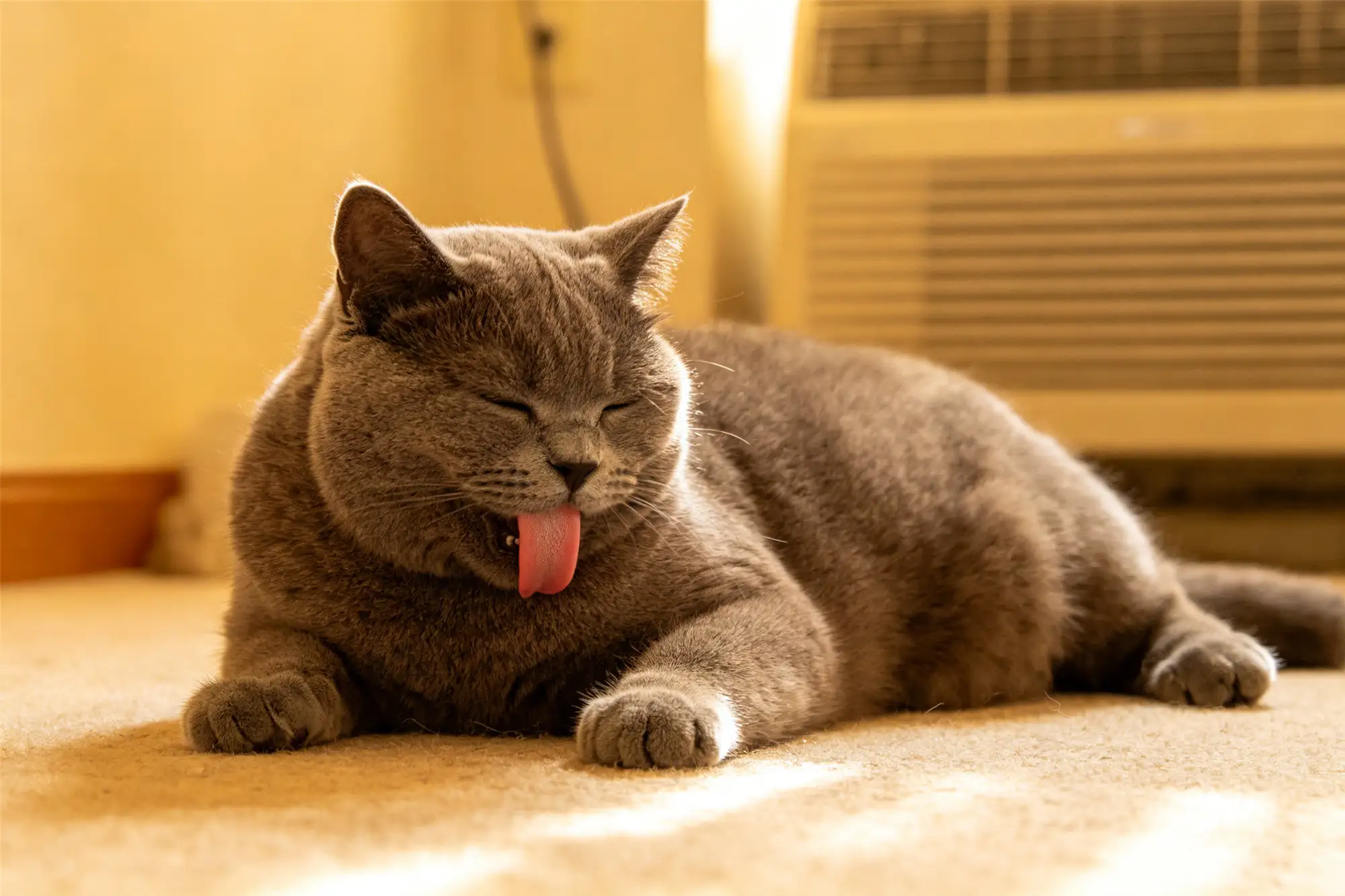
That extra weight on your pet isn’t just a cosmetic issue—it could be a death sentence when temperatures rise. As summer heat waves become more intense, obese cats and dogs face exponentially higher risks of heatstroke, organ failure, and sudden death compared to their lean counterparts.
If your pet carries extra pounds, you need to understand the life-threatening connection between obesity and heat intolerance before your next walk or even a quiet afternoon in the backyard.
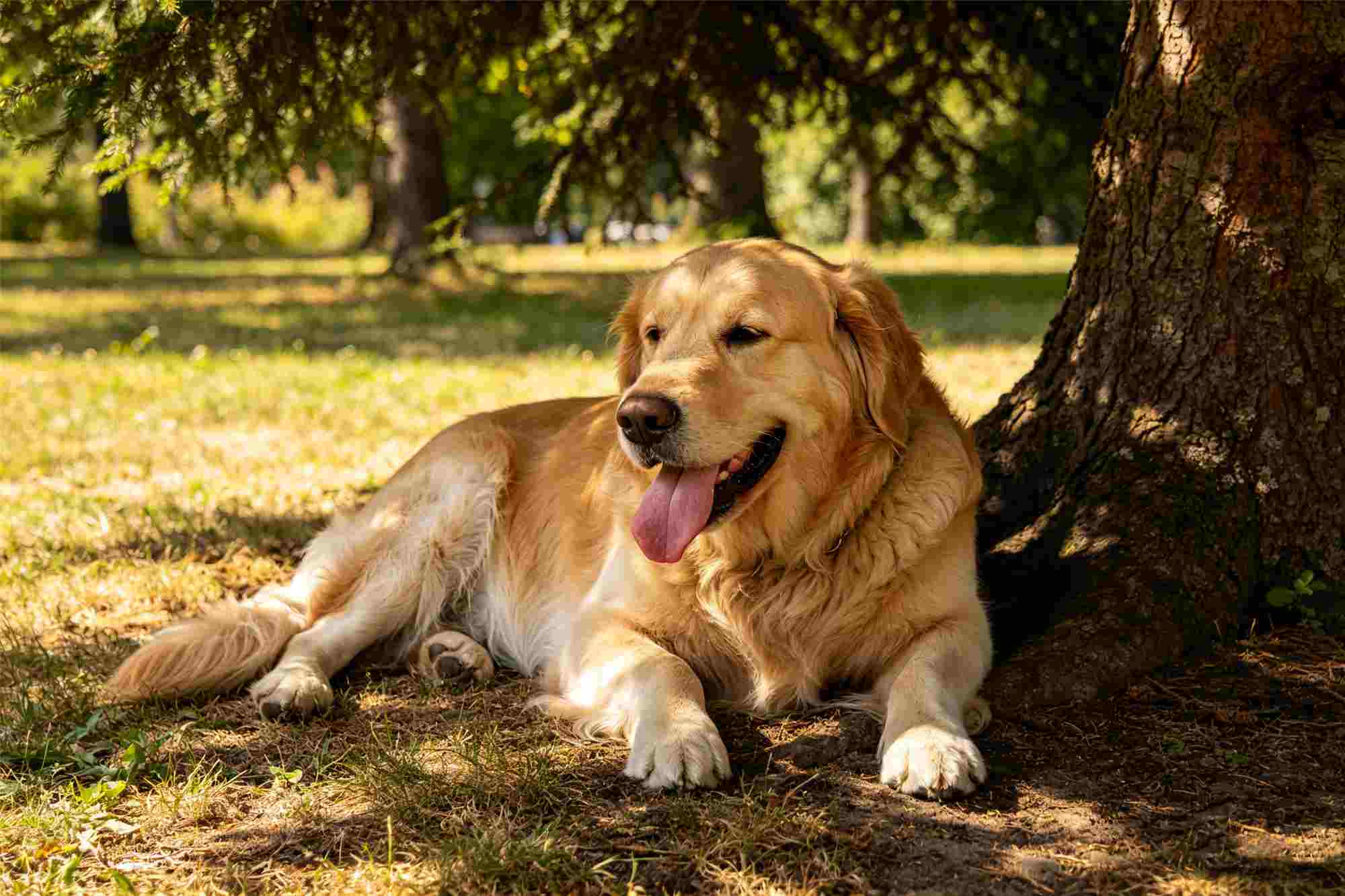
Why Obesity Turns Summer Into a Deadly Season for Pets
Pet obesity isn’t just about mobility issues or joint pain. When summer hits, that extra adipose tissue acts like a winter coat your pet can’t remove. Here’s the science behind why overweight pets suffer more in heat:
The Biology of Heat Intolerance in Fat Pets
- Insulation effect: Fat deposits trap body heat, making it harder for obese pets to cool down naturally
- Reduced surface area ratio: Larger body mass means less skin surface relative to volume for effective heat dissipation
- Cardiovascular strain: Overweight pets already work harder to circulate blood; add heat stress, and their hearts struggle to maintain blood pressure
- Respiratory compromise: Excess neck and chest fat restricts breathing—critical when panting is their primary cooling mechanism
Research shows that obese dogs are 2-4 times more likely to suffer fatal heatstroke than dogs at healthy weights, even in moderate summer temperatures (75-80°F).
Double Trouble: Brachycephalic Breeds + Obesity
If you own a Pug, French Bulldog, Persian cat, or any flat-faced breed, obesity creates a perfect storm of danger. These brachycephalic pets already struggle with compromised airways; add excess weight pressing on their chest, and panting becomes nearly impossible during heat waves.
The “Squished Face + Fat” Death Risk
French Bulldogs and Pugs already top the heatstroke statistics. When overweight:
- Their soft palate blocks more airway space
- Neck fat collapses the trachea during heavy breathing
- Body temperature can spike from 101°F to 106°F in just 15 minutes of mild exercise
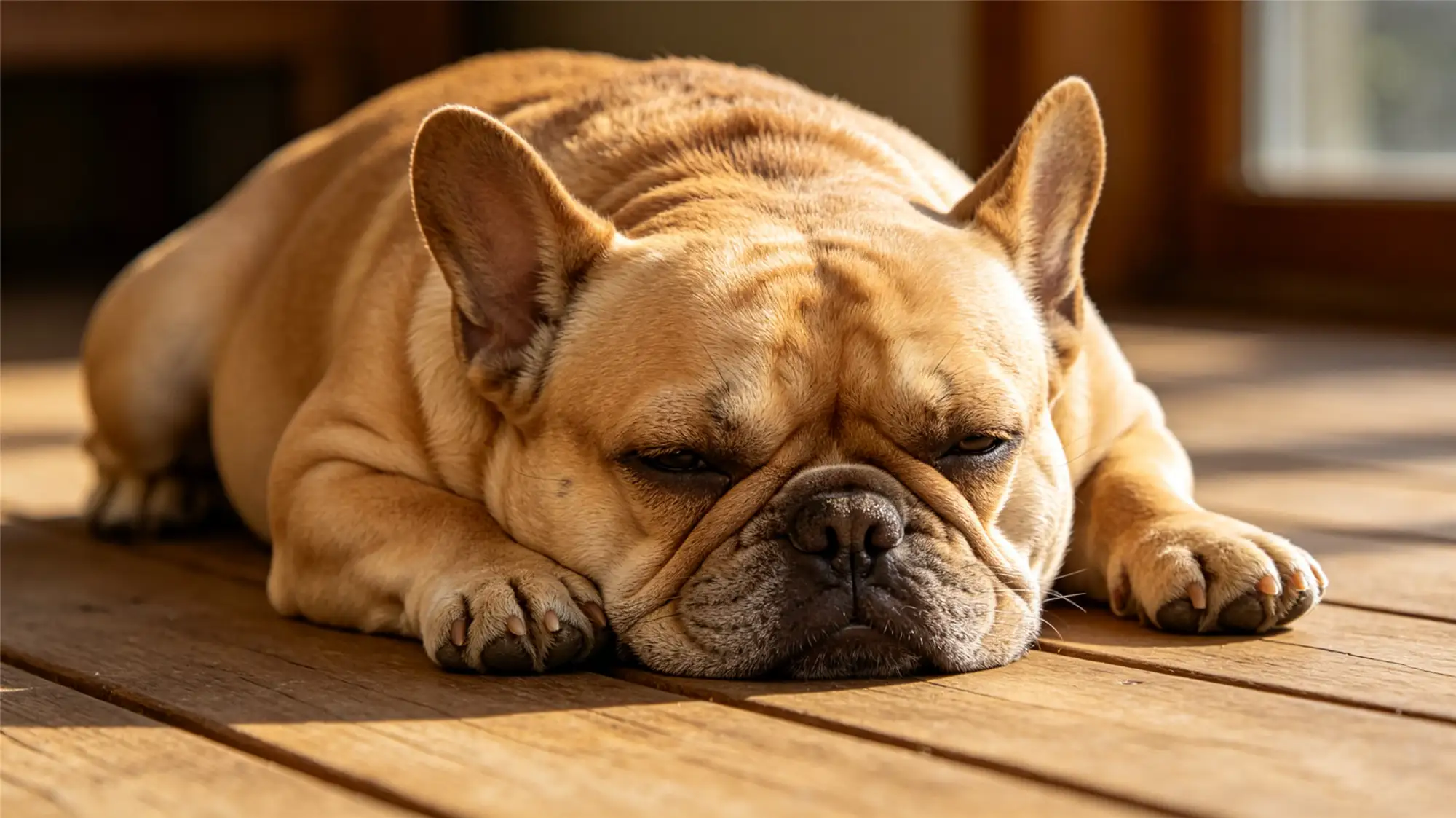
If your flat-faced pet is overweight, summer temperatures above 70°F can be life-threatening without air conditioning.
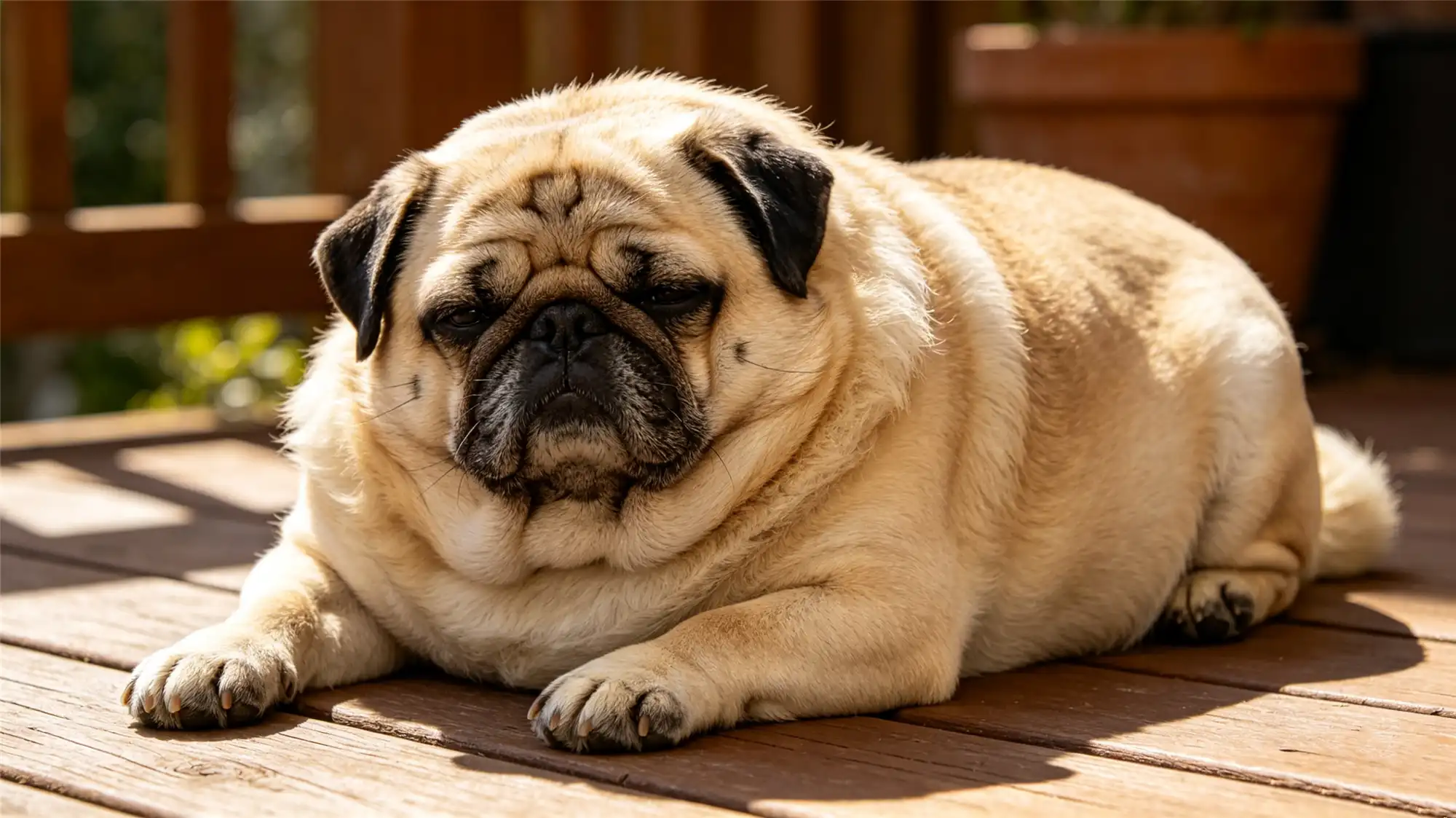
Critical Warning Signs: Is Your Pet Overheating?
Obese pets hide distress well until it’s critical. Watch for these escalating symptoms:
Early Stage (Act Immediately)
- Excessive panting that doesn’t slow after resting in shade
- Bright red or pale gums
- Thick, ropey saliva
- Lethargy or refusal to move
Emergency Stage (Vet Now)
- Vomiting or diarrhea (often with blood)
- Disorientation or staggering
- Collapse or seizures
- Body temperature above 104°F
Important: Never use ice water on an overheated pet—it causes shock. Use cool (not cold) water and wet towels while rushing to the vet.
Life-Saving Strategies for Overweight Pets in Summer
You don’t need to keep your chubby cat or dog locked indoors all summer, but you do need strict protocols:
1. Redefine Exercise Timing
Avoid walks between 10 AM and 7 PM. Early morning (before 8 AM) is safest for obese pets. Shorten walks by 50% and avoid hills or stairs that strain the cardiovascular system.
2. Create Cooling Stations
Obese pets need access to:
- Cooling mats: Gel-filled pads that stay 5-10 degrees cooler than ambient temperature
- Frozen treats: Ice cubes with low-sodium broth to encourage hydration
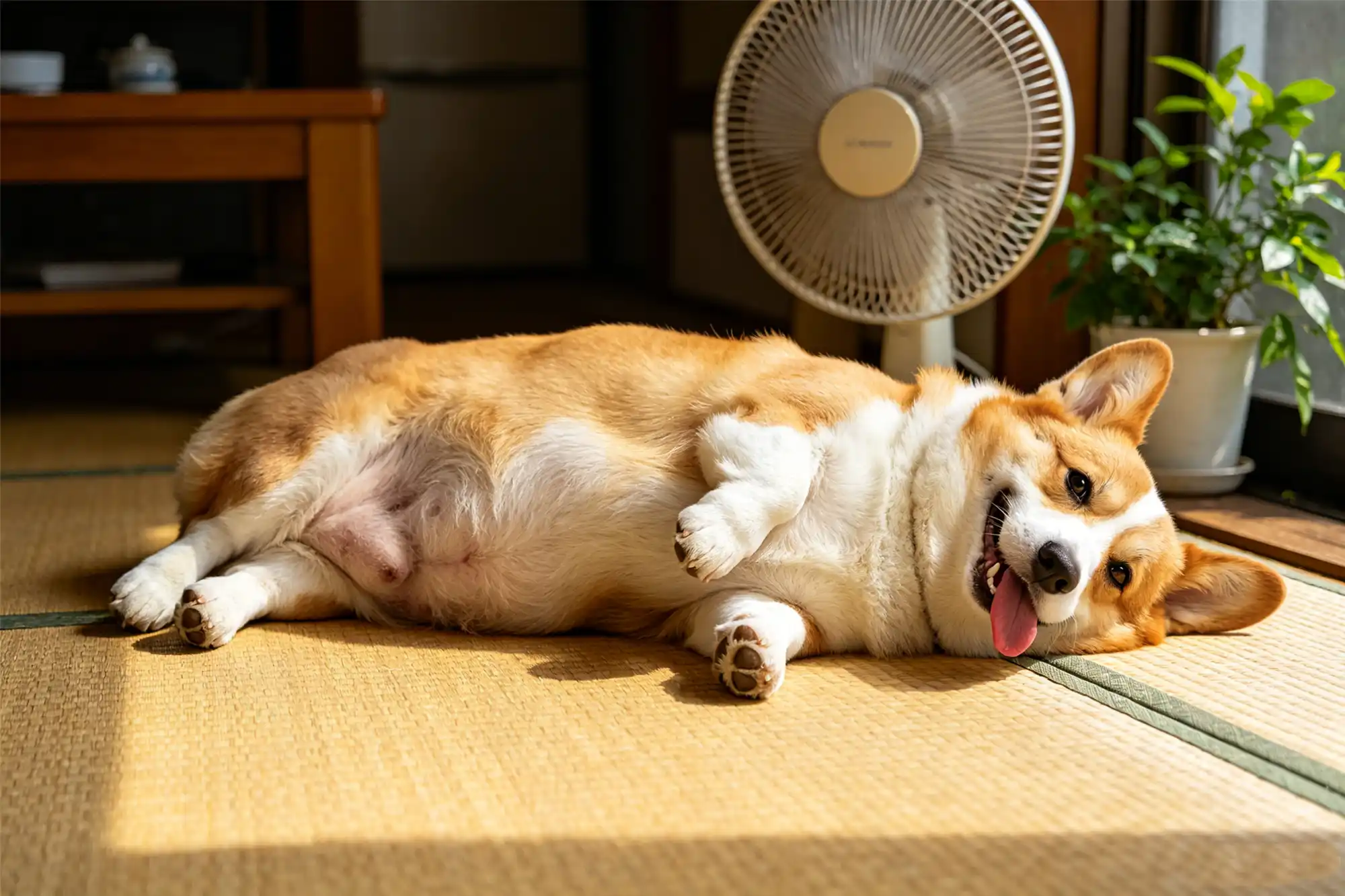
- Air circulation: Fans positioned at floor level where heavy pets lie
3. The “Hand Test” for Pavement
Place your hand on asphalt for 7 seconds. If it’s too hot for you, it’s burning your pet’s paws—and raising their body temperature dangerously. Obese pets take longer to cool down after paw pad burns.
4. Weight Loss Is Emergency Prevention
Every pound lost improves heat tolerance. Work with your vet on a summer-safe weight loss plan that includes:
- Measured meals (no free feeding)
- Low-calorie vegetables as treats instead of commercial biscuits
- Indoor play sessions during cool hours
Indoor Dangers: When AC Isn’t Enough
Many owners think they’re safe because the house has air conditioning. But obese cats and dogs overheat indoors if:
- They sunbathe by windows (glass intensifies heat)
- They sleep in upstairs rooms where heat rises
- They lack proper hydration stations
Set your thermostat to 75°F or lower if you have an obese pet, especially brachycephalic breeds. Ceiling fans alone don’t cool pets effectively—they need air conditioning or evaporative cooling.
When to Call the Vet: The 5-Minute Rule
If your obese pet shows heat stress signs:
- Move them to air conditioning immediately
- Apply cool water to groin, armpits, and neck (where blood vessels are superficial)
- If panting doesn’t slow within 5 minutes, this is a medical emergency
- Drive with windows down and AC blasting—every minute counts
Heatstroke causes irreversible kidney and brain damage after just 20 minutes. Obese pets progress faster because their bodies can’t regulate temperature efficiently.
Prevention Checklist for Pet Parents
Before the next heat wave hits:
- ✓ Schedule a vet check to assess your pet’s body condition score (BCS)
- ✓ Invest in cooling vests or bandanas for outdoor potty breaks
- ✓ Place water bowls in every room (obese pets get dehydrated faster)
- ✓ Trim excess fur—but never shave double-coated breeds, as this damages their natural insulation
- ✓ Program your thermostat to stay below 76°F when you’re not home
The Bottom Line: Weight Loss Saves Lives
Summer heat kills hundreds of overweight pets annually—many in their own backyards or living rooms. While you can’t change the weather, you can reduce your pet’s risk dramatically through weight management and environmental controls.
If your dog or cat is even 10% over their ideal weight, treat summer heat as a toxic threat. The extra cuddles aren’t worth the emergency vet visits—or worse. Start their weight loss journey today, because next summer’s heat wave is already building.
Have questions about managing your obese pet’s summer safety? Consult your veterinarian for a personalized heat-risk assessment and safe exercise protocols.