 Free shipping on orders over $75 across the U.S., with different free shipping promotions available in parts of
 Europe,
 South America,
 Australia.For all other countries, please contact us before placing your order, and we'll be happy to fast-track a shipping solution for you.
Healthy Reptiles, Happy Owners: Proven Care Tips for Lizards, Tortoises and Chameleons
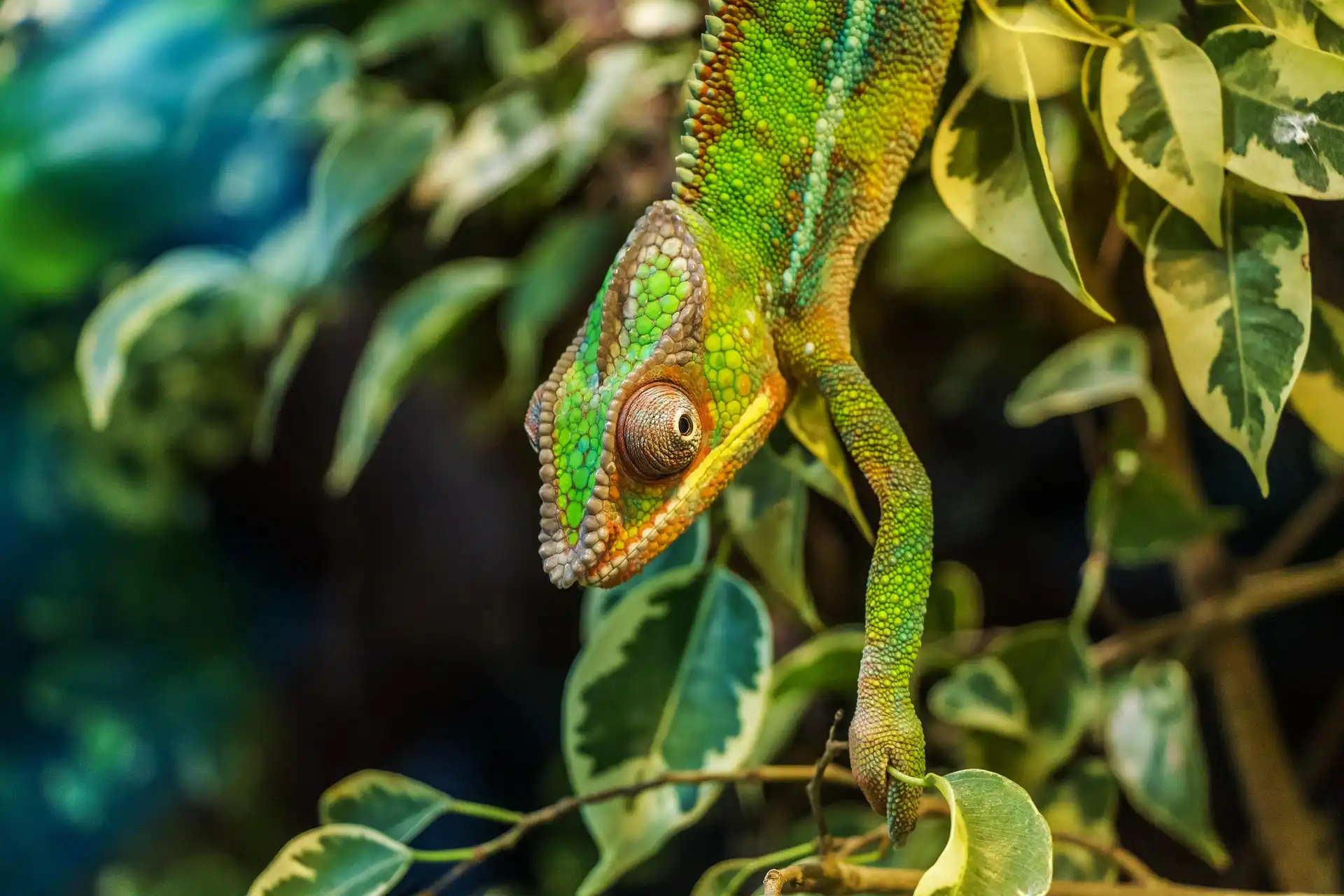
Are you tired of conflicting advice about reptile care? Whether you are setting up your first terrarium or upgrading your current setup, this comprehensive guide addresses the exact pain points every reptile owner faces. From maintaining precise temperature gradients to selecting the perfect enclosure for your lizard, tortoise, or chameleon, we have compiled evidence-based strategies that prevent common health issues and extend your pet’s lifespan.
Why Reptiles Require Specialized Care
Unlike traditional pets, reptiles are ectothermic creatures that depend entirely on their environment to regulate body temperature. This biological trait makes habitat setup non-negotiable. A single mistake in lighting or heating can lead to metabolic bone disease, respiratory infections, or appetite loss within days.
Before purchasing any reptile, consider these critical factors:
- Lifespan commitment (tortoises live 50+ years, some lizards 15-20 years)
- Daily maintenance time for feeding and habitat monitoring
- Veterinary access for exotic animal care in your area
- Space requirements for adult-sized enclosures
Species-Specific Care Requirements
Bearded Dragons: The Beginner-Friendly Choice
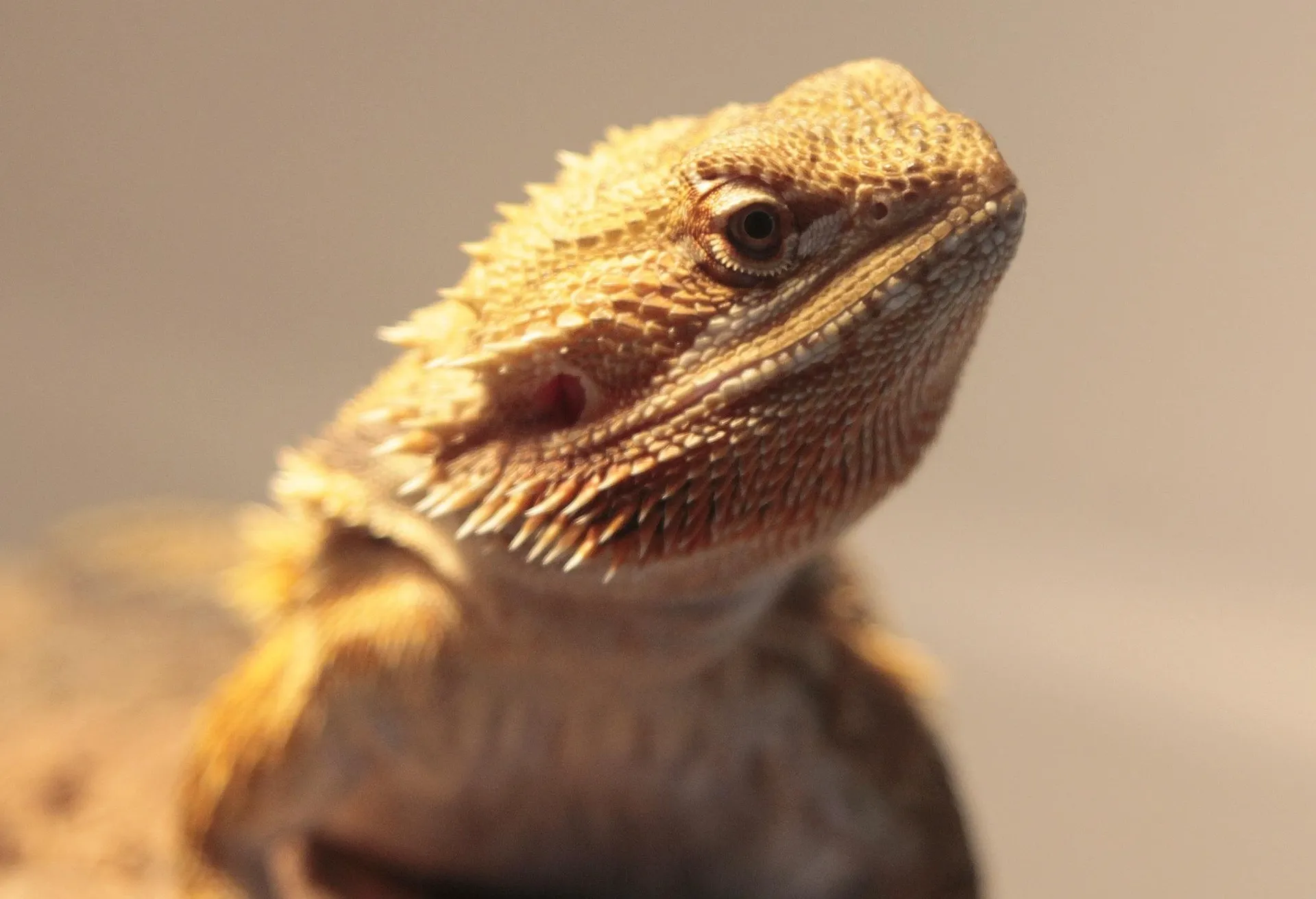
Bearded dragons rank among the most rewarding reptile pets due to their docile temperament and interactive behavior. Native to Australian arid regions, these lizards require specific basking temperatures between 95-110°F (35-43°C) with a cooler zone around 75-85°F (24-29°C).
Key care essentials include:
- Minimum 40-gallon terrarium for adults (75-gallon preferred)
- UVB lighting spanning two-thirds of the enclosure
- Calcium-dusted insects and leafy greens daily
- Non-particulate substrates to prevent impaction
Chameleons: Advanced Arboreal Care
Chameleons present unique challenges that demand meticulous attention to humidity and ventilation. These tree-dwelling reptiles require screen-sided enclosures rather than glass tanks to prevent respiratory issues. Maintain daytime temperatures between 72-80°F (22-27°C) with localized basking spots reaching 85-90°F (29-32°C).
Critical success factors:
- Automatic misting systems to maintain 50-70% humidity
- Live plants for drinking surfaces and security
- Dripper systems since chameleons rarely drink standing water
- Minimal handling to reduce stress-related illness
Tortoises: Building the Perfect Habitat
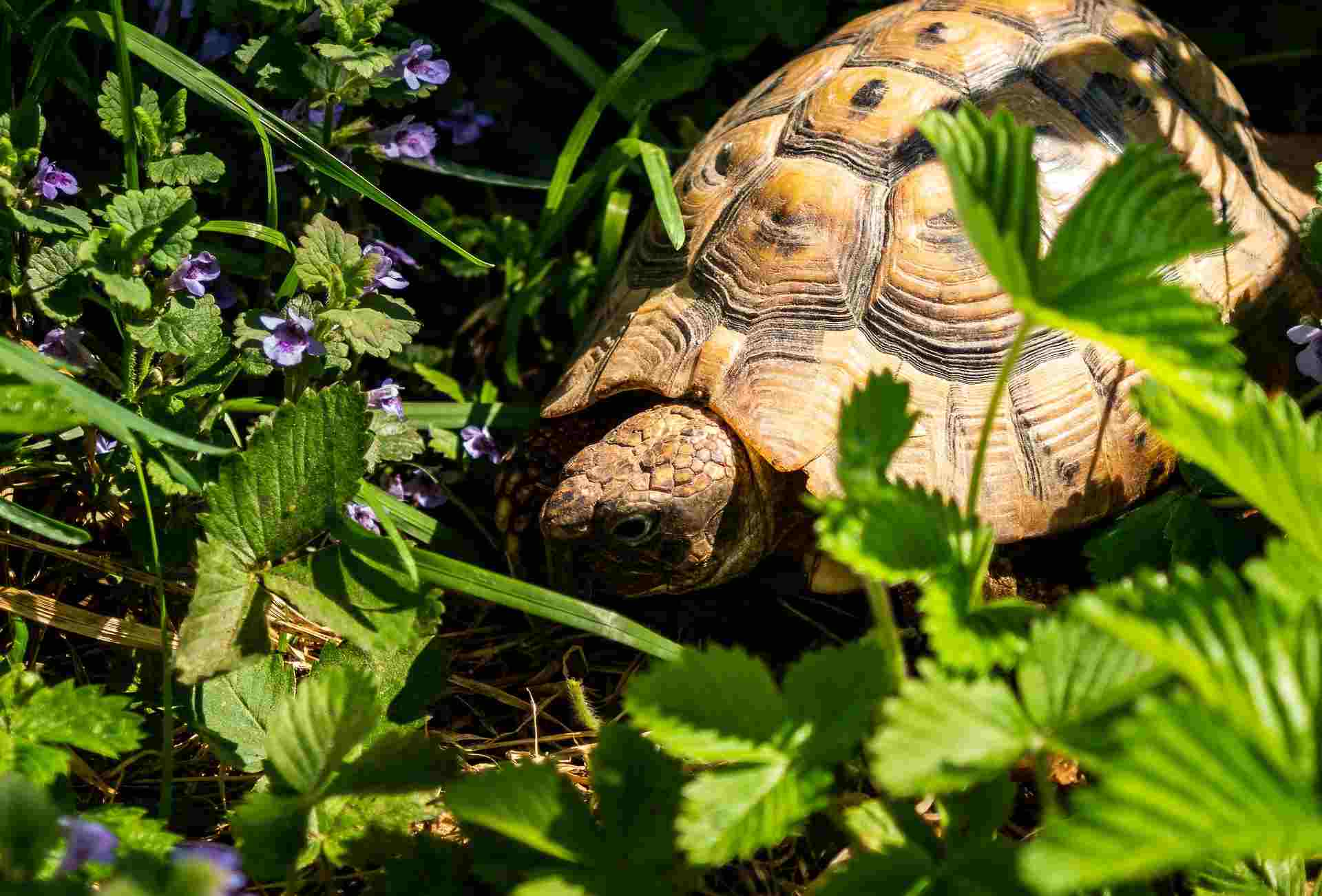
Tortoises differ fundamentally from aquatic turtles and require dry, spacious environments. Russian and Greek tortoises need outdoor pens when weather permits, while tropical species like Red-Foots demand higher humidity around 60-80%. Temperature gradients should range from 70°F (21°C) on the cool side to 90-95°F (32-35°C) under basking lamps.
Setup priorities:
- Substrate depth of 3-4 inches for burrowing behavior
- Multiple hiding spots to reduce stress
- Cuttlebone for calcium supplementation
- Protection from drafts and sudden temperature drops
Tree-Dwelling Lizards: Creating Vertical Space
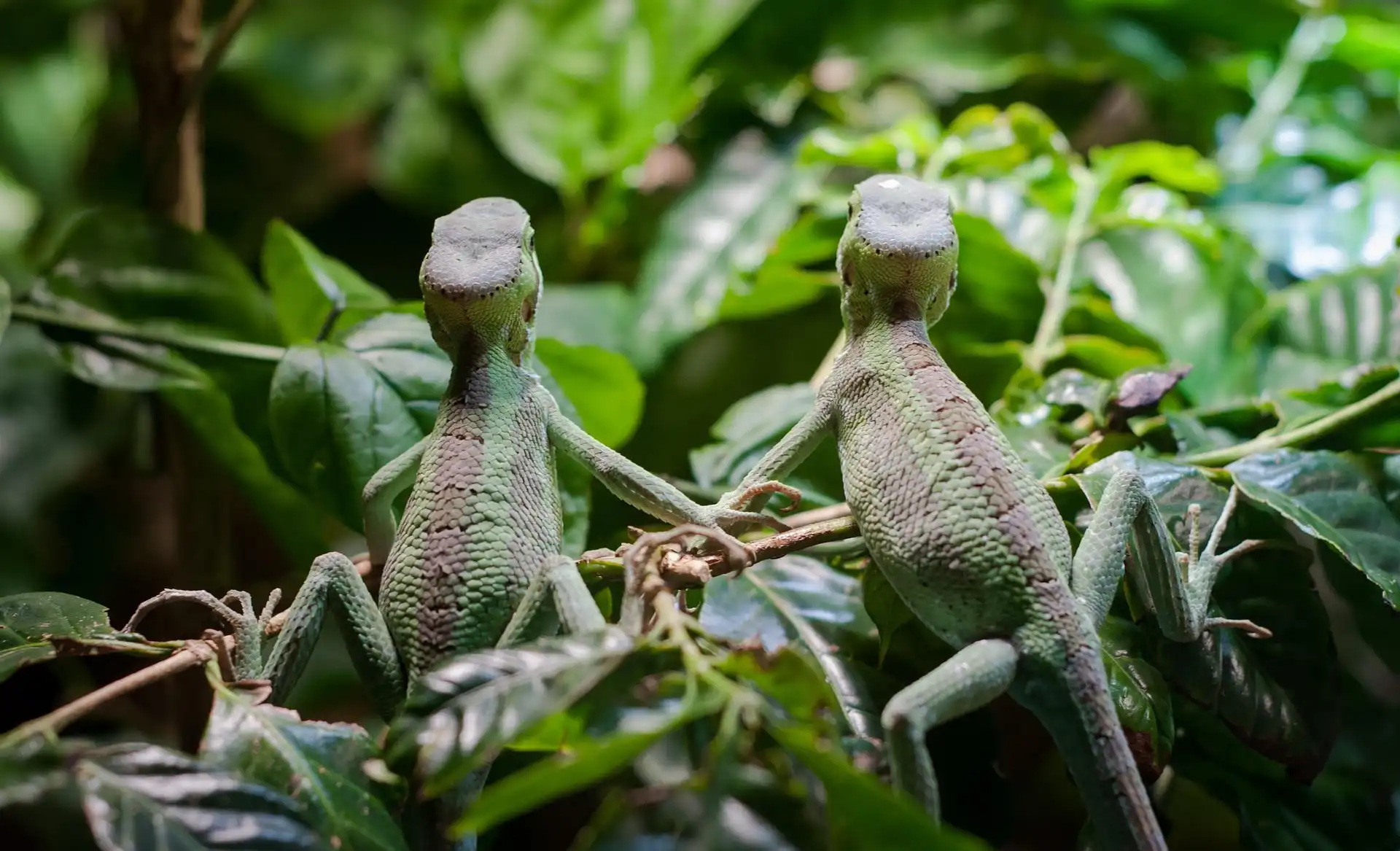
Arboreal species such as anoles and crested geckos require vertical terrariums rather than horizontal floor space. These active climbers need branches, vines, and foliage at varying heights to establish territories and thermoregulate effectively.
Environmental enrichment includes:
- Cork bark tubes and bamboo poles for climbing
- Live or silk plants for cover and humidity retention
- Front-opening enclosures to reduce stress during maintenance
- UVB lighting positioned 6-8 inches from basking spots
Terrarium Temperature Mastery
Temperature regulation remains the most common failure point in reptile husbandry. Every species requires a thermal gradient—a hot side for basking and a cool side for resting. Invest in quality digital thermometers with probes rather than stick-on analog gauges, which can vary by 10-15 degrees.
Heating equipment recommendations:
- Ceramic heat emitters for 24-hour warmth without light disruption
- Under-tank heaters regulated by thermostats to prevent burns
- Mercury vapor bulbs combining heat and UVB for large enclosures
- Dimming thermostats to maintain exact temperatures automatically
Common Health Issues Prevention
Prevention costs significantly less than treatment. Metabolic bone disease from insufficient UVB exposure causes irreversible deformities. Respiratory infections typically stem from temperatures dropping below optimal ranges or excessive humidity in desert species.
Warning signs requiring immediate veterinary attention:
- Lethargy or unusual hiding behavior
- Softening of the jaw or limbs
- Wheezing or open-mouth breathing
- Complete appetite loss lasting more than three days
Final Recommendations
Successful reptile keeping hinges on research before purchase and consistency in daily care. Start with hardy species like bearded dragons or leopard geckos before attempting chameleons or sensitive arboreal lizards. Always quarantine new animals for 30-60 days to prevent disease transmission to existing pets.
Remember that your reptile’s terrarium is their entire world—investing in proper heating, lighting, and space directly correlates with their longevity and quality of life. With the right setup and knowledge, these fascinating creatures provide decades of companionship and educational value.