 Free shipping on orders over $75 across the U.S., with different free shipping promotions available in parts of
 Europe,
 South America,
 Australia.For all other countries, please contact us before placing your order, and we'll be happy to fast-track a shipping solution for you.
Why Is My Cat Suddenly Not Using the Litter Box? 7 Proven Reasons & Quick Fixes
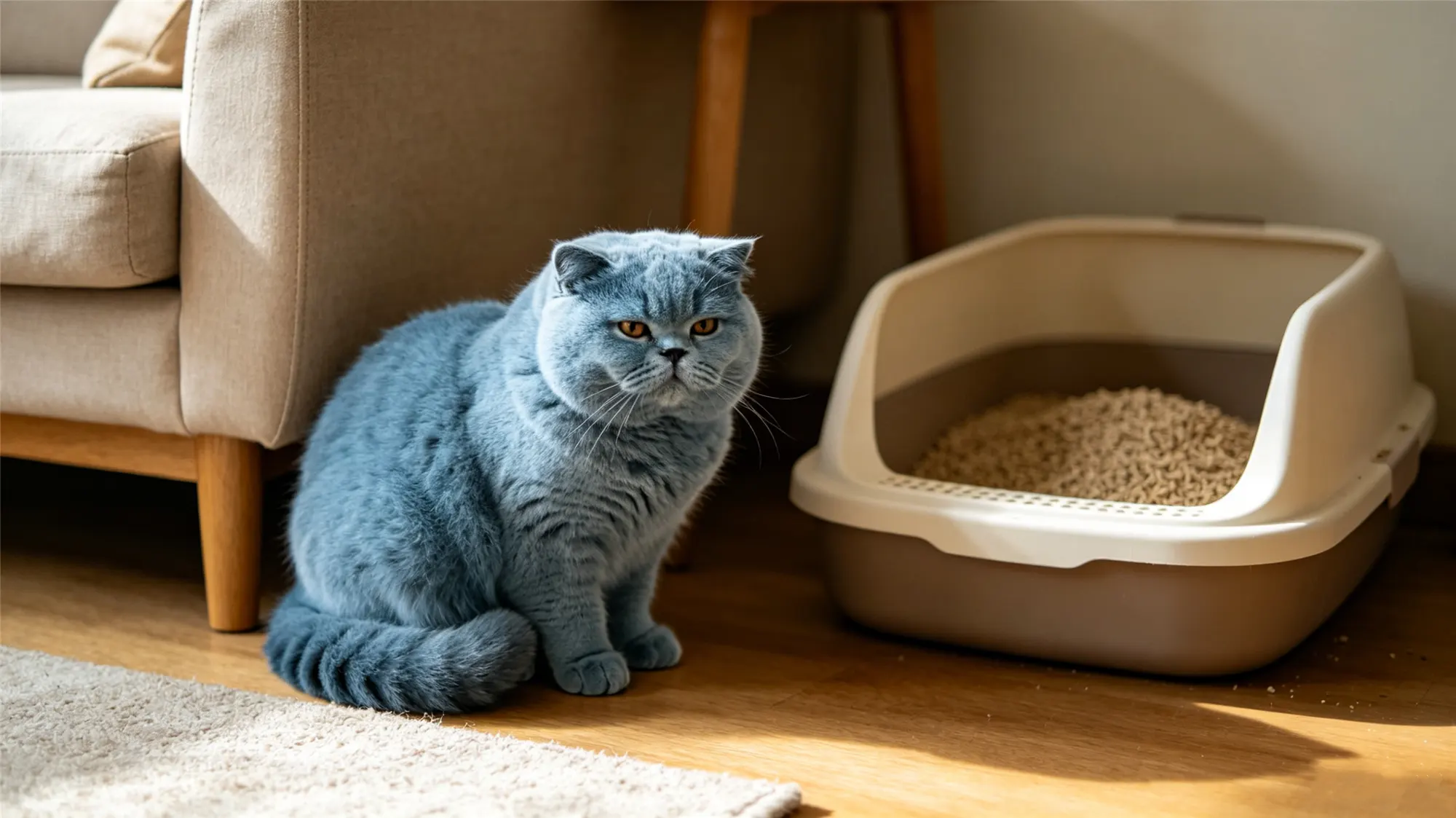
Discovering that your cat suddenly stopped using the litter box can be frustrating and confusing. Whether they’re urinating on your bed, carpet, or bathroom floor, this behavioral change signals that something is wrong. Before you assume your cat is being spiteful, understand that cats don’t avoid the litter box out of anger—they’re communicating distress, discomfort, or environmental dissatisfaction.
According to veterinary behaviorists, inappropriate urination is one of the most common reasons cats are surrendered to shelters. Yet, this issue is often solvable once you identify the root cause. Let’s explore why your feline friend might be avoiding their bathroom and how to fix it.
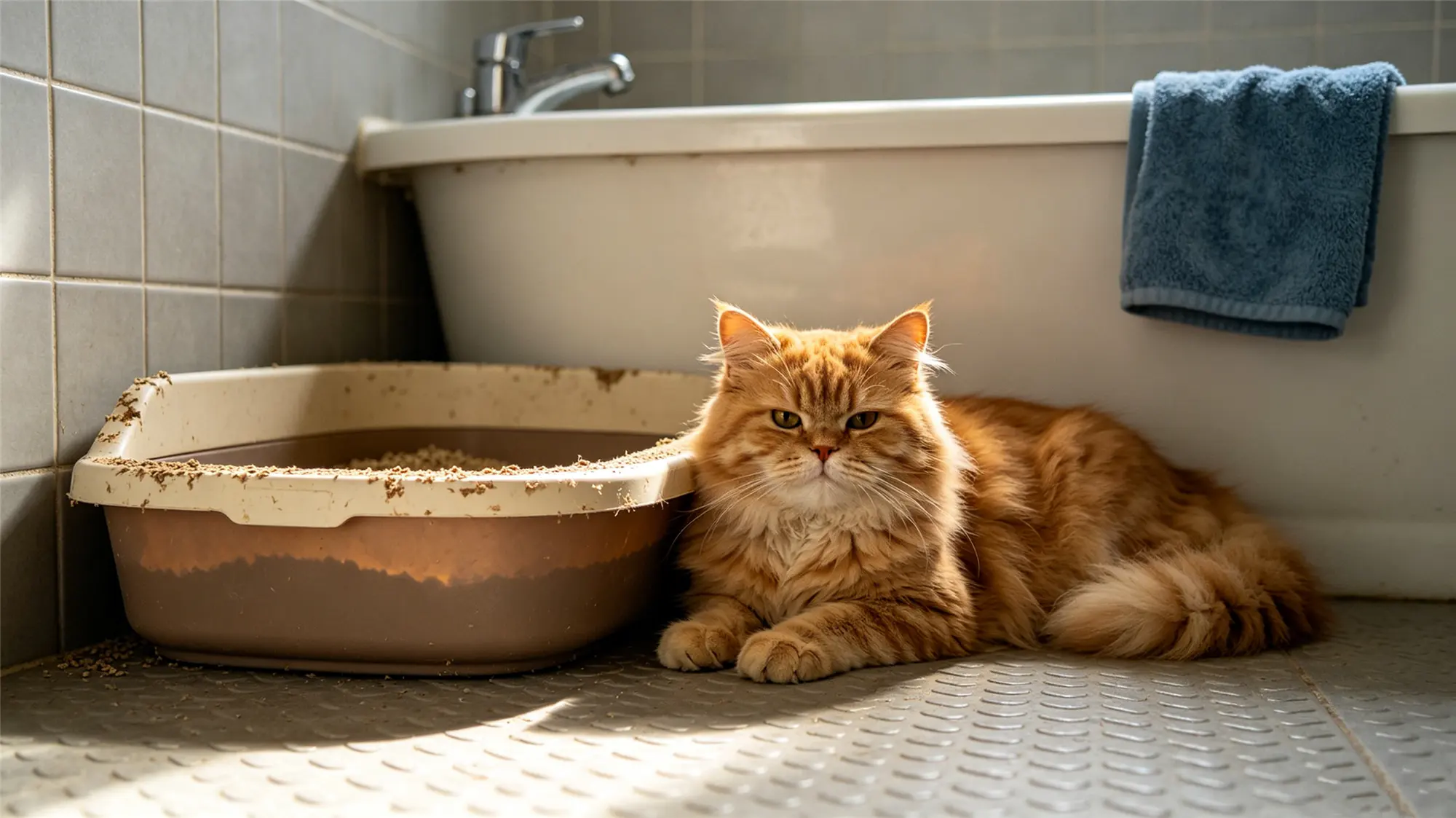
Medical Reasons: When Cat Urination Problems Signal Illness
If your cat suddenly stops using the litter box, rule out medical issues first. Urinary problems in cats can escalate quickly from minor infections to life-threatening blockages.
1. Urinary Tract Infections (UTIs) and FLUTD
Feline Lower Urinary Tract Disease (FLUTD) encompasses several conditions affecting the bladder and urethra. Symptoms include:
- Straining to urinate with little output
- Crying or vocalizing while in the litter box
- Blood in urine
- Frequent licking of genital area
- Accidents outside the box due to urgency
Cats associate the litter box with pain when they have UTIs, causing them to seek alternative spots. Male cats are particularly at risk for urethral blockages, which constitute a veterinary emergency.
2. Kidney Disease and Diabetes
Chronic kidney disease (CKD) and diabetes mellitus cause increased thirst and urination. Older cats may not reach the litter box in time due to:
- Increased urine volume overwhelming the box
- Arthritis making entry difficult
- Cognitive dysfunction in senior cats
If your senior cat is drinking more water and having accidents, schedule blood work immediately.
Behavioral and Environmental Triggers
Once medical issues are excluded, examine your cat’s environment. Cats are creatures of habit, and even minor changes can trigger litter box aversion.
3. Litter Box Aversion: Cleanliness and Setup
Cats have sensitive noses and specific preferences. Common litter box mistakes include:
- Infrequent scooping: Boxes should be scooped daily and completely changed weekly
- Wrong litter type: Most cats prefer unscented, clumping clay litter
- Insufficient boxes: Follow the “n+1” rule (one box per cat, plus one extra)
- High sides: Senior cats or kittens may need low-entry boxes
- Covered boxes: Some cats feel trapped in enclosed spaces
4. Location Changes and Accessibility
Moving the litter box to a new location, even just a few feet, can confuse your cat. Ideal litter box placement features:
- Quiet, low-traffic areas
- Multiple escape routes (cats don’t like feeling cornered)
- Distance from food and water bowls
- Accessibility on every floor for multi-level homes
5. Stress, Anxiety, and Territory Issues
Changes in routine can trigger stress-induced urination. Common stressors include:
- New pets or family members
- Construction or home renovations
- Stray cats visible through windows
- Changes in your work schedule
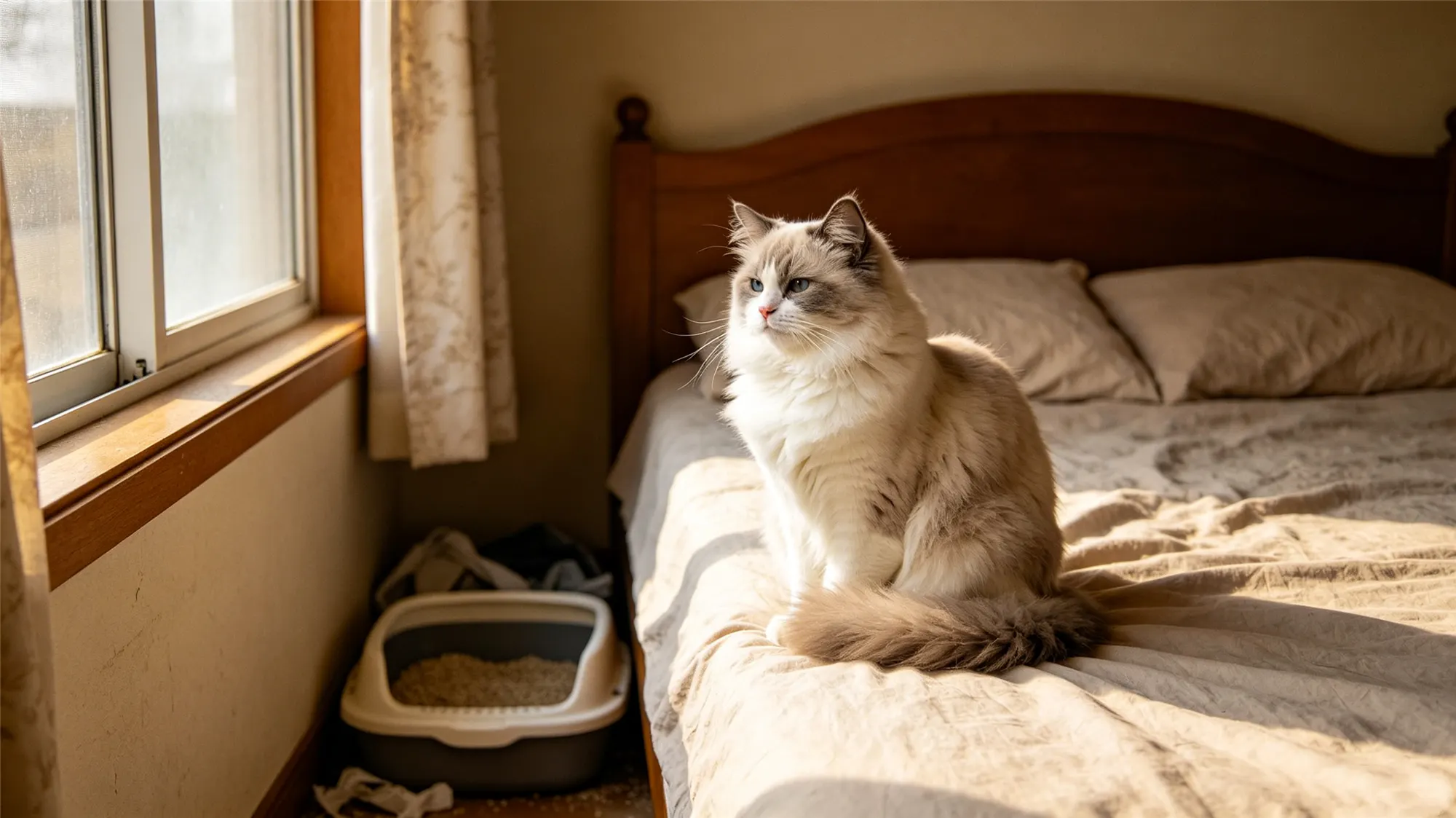
Soft surfaces like beds and sofas often become targets because they absorb urine quickly, providing immediate relief for cats with urinary urgency. Additionally, vertical surfaces (walls, furniture legs) usually indicate spraying—territory marking behavior common in unneutered males or anxious cats.
How to Solve Litter Box Problems: A Step-by-Step Guide
Step 1: Veterinary Examination
Schedule a vet visit within 24-48 hours of noticing the behavior change. Request:
- Urinalysis to check for crystals, bacteria, or blood
- Blood work for kidney function and glucose levels
- Physical examination for bladder inflammation
Step 2: Optimize the Litter Box Environment
While waiting for vet results, improve bathroom conditions:
- Add temporary boxes in accident-prone areas
- Switch to unscented, fine-grained clumping litter
- Increase cleaning frequency to twice daily
- Ensure boxes are 1.5 times the length of your cat
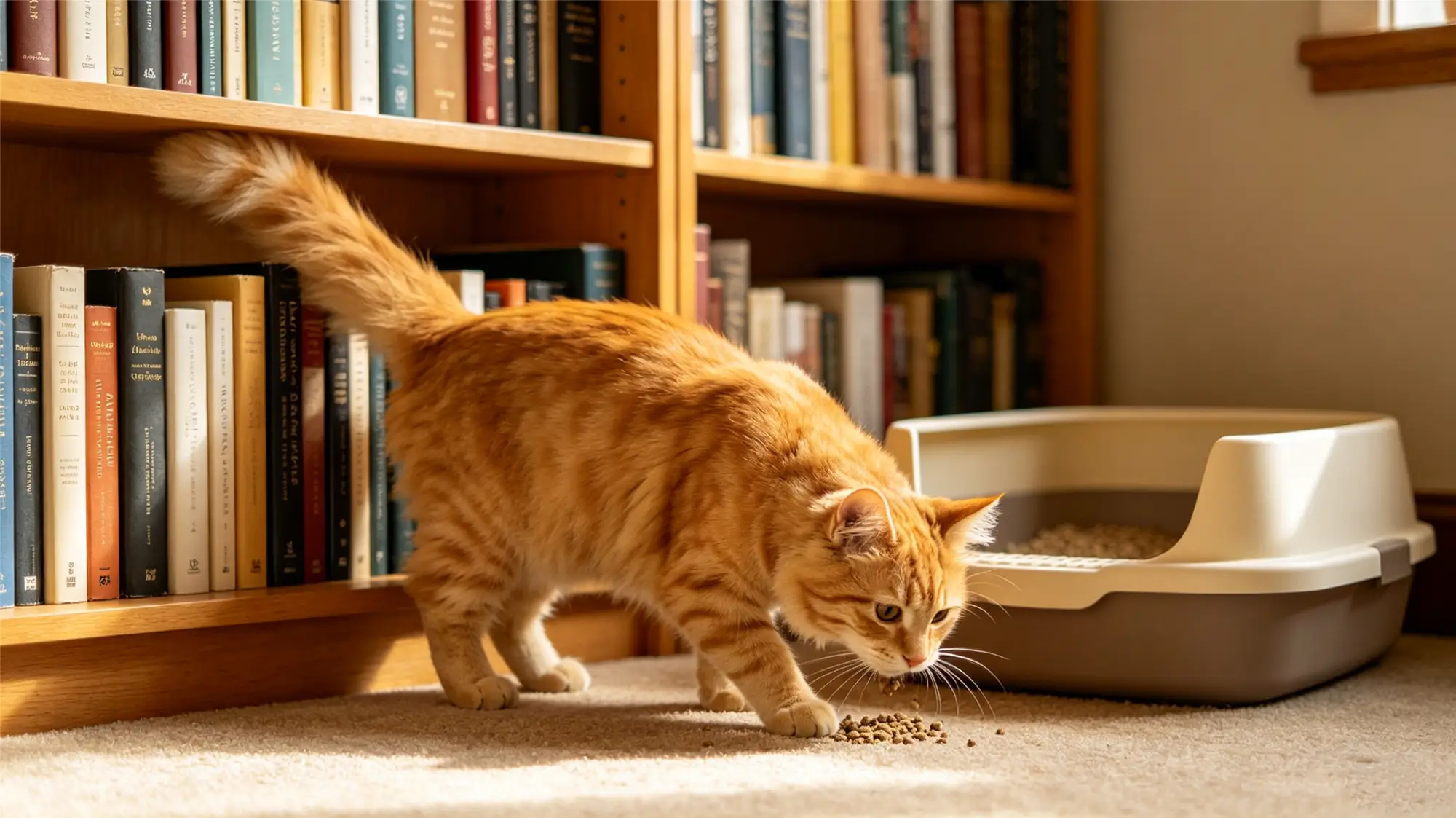
Step 3: Clean Accidents Thoroughly
Enzymatic cleaners are essential. Standard cleaners leave behind scents that attract cats back to the same spot. Look for products specifically formulated for pet urine that break down uric acid crystals.
Step 4: Reduce Environmental Stress
Create a calming atmosphere using:
- Feliway diffusers (synthetic feline pheromones)
- Increased vertical space (cat trees, shelves)
- Consistent feeding and play schedules
- Safe spaces where your cat can retreat
Emergency Warning Signs: When to Rush to the Vet
Some urinary issues require immediate emergency care. Rush to the vet if your cat:
- Attempts to urinate but produces no urine
- Shows signs of pain (crying, hiding, aggression when touched)
- Appears lethargic or refuses to eat
- Has vomiting alongside urinary straining
These symptoms indicate a potential urinary blockage, which can be fatal within 24-48 hours, particularly in male cats.
Preventing Future Litter Box Issues
Maintaining good litter box habits requires ongoing attention:
- Monthly deep cleaning: Wash boxes with mild soap (avoid ammonia-based cleaners)
- Annual wellness exams: Early detection of kidney disease or diabetes
- Weight management: Obese cats struggle to posture in standard boxes
- Environmental enrichment: Boredom and stress often manifest as elimination problems
Conclusion
When your cat suddenly stops using the litter box, they’re not being difficult—they’re asking for help. By systematically ruling out medical conditions, optimizing their bathroom setup, and reducing environmental stressors, you can usually resolve inappropriate urination within weeks.
Remember: punishment never works and often makes the problem worse. Instead, focus on creating an environment where your cat feels safe, comfortable, and physically capable of using their designated bathroom. With patience and the right approach, your cat will likely return to their litter box habits, saving your carpets and your relationship with your feline companion.