 Free shipping on orders over $75 across the U.S., with different free shipping promotions available in parts of
 Europe,
 South America,
 Australia.For all other countries, please contact us before placing your order, and we'll be happy to fast-track a shipping solution for you.
How to Choose the Right Cat and Dog Food: A Complete Guide for Pet Parents
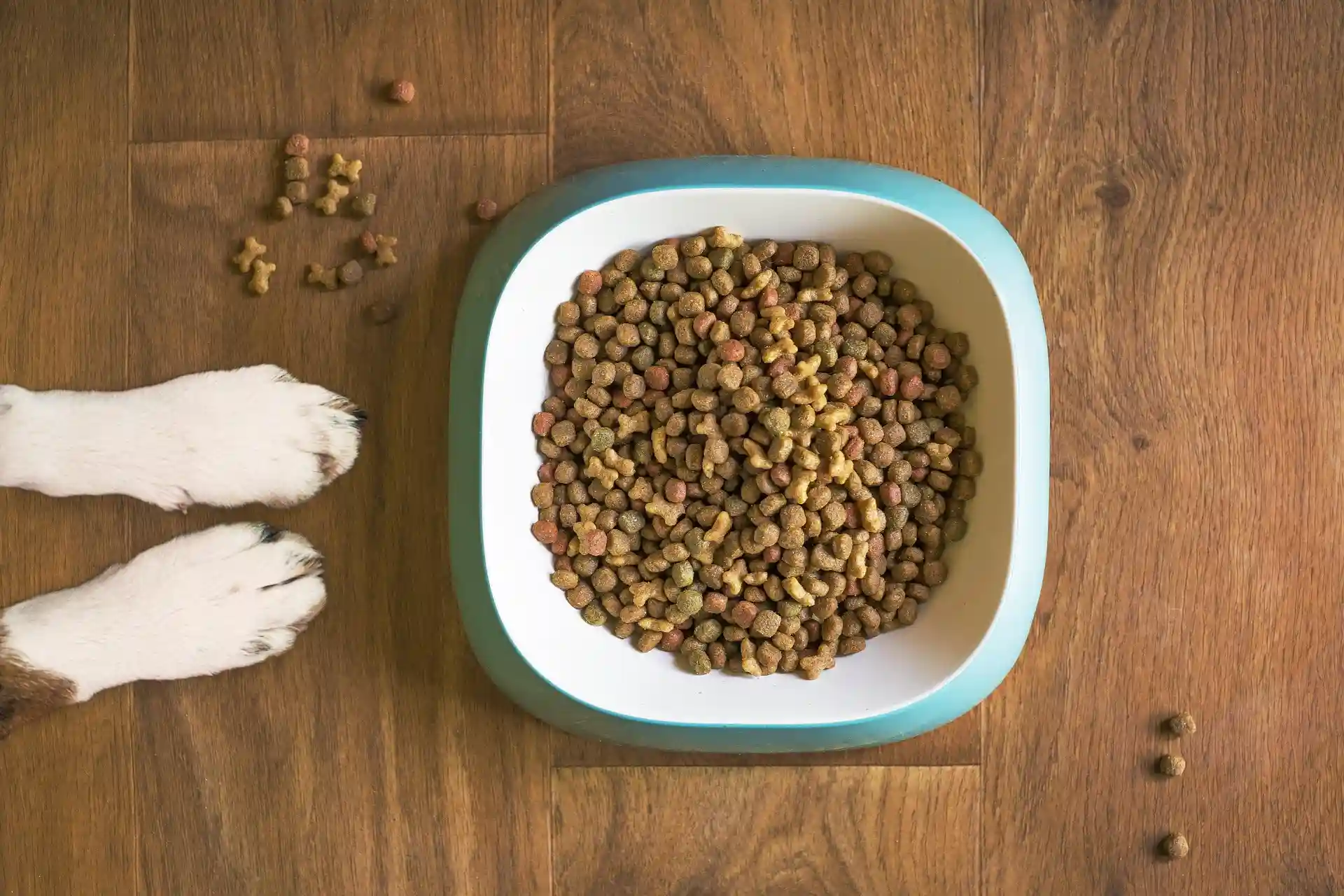
Standing in the pet food aisle can feel overwhelming. With hundreds of brands promising premium nutrition, grain-free formulas, and vet-approved diets, how do you know what’s actually best for your furry companion? Whether you’re a first-time kitten owner or managing a multi-pet household with both cats and dogs, choosing the right pet food is one of the most important decisions you’ll make for their long-term health.
According to veterinary nutritionists, diet-related issues account for nearly 30% of annual vet visits—many of which could be prevented with proper nutrition choices. This guide breaks down exactly what to look for when selecting cat food and dog food, helping you cut through marketing hype and focus on what truly matters: your pet’s biological needs.
Understanding Species-Specific Nutritional Needs
Before comparing brands, recognize that cats and dogs have fundamentally different dietary requirements. Feeding cat food to dogs (or vice versa) isn’t just ineffective—it can be dangerous long-term.
Cats: Obligate Carnivores
Cats require nutrients found only in animal tissue. Their bodies cannot synthesize essential amino acids like taurine and arginine from plant sources. When evaluating cat food, ensure:
- Animal protein is listed as the first ingredient (chicken, salmon, beef)
- Contains at least 26% crude protein for adults (AAFCO minimum)
- Includes taurine (essential for heart and eye health)
- Low carbohydrate content (cats lack enzymes to process high carb loads)
Dogs: Opportunistic Omnivores
While dogs thrive on meat-based proteins, they evolved to digest starches and certain plant materials. Quality dog food should feature:
- Named meat meals (e.g., “chicken meal” vs. generic “meat meal”)
- Balanced omega fatty acids for coat health
- Appropriate calcium-to-phosphorus ratios (especially critical for large breeds)
- Digestible carbohydrates like sweet potatoes or peas for energy
Decoding Pet Food Labels: What the Marketing Won’t Tell You
Pet food packaging is designed to trigger emotional purchases—not educational ones. Here’s how to read between the lines:
The 95% Rule vs. The 3% Rule
When a label says “Beef Dog Food,” beef must comprise 95% of the product (excluding water). However, “Beef Flavor” or “With Beef” requires only 3% beef content. Look for specific protein sources high on the ingredient list.

By-Products: Not Always the Enemy
Organ meats (liver, kidney, heart) classified as by-products are actually nutrient-dense. However, avoid foods listing unspecified “meat by-products” without naming the animal source—this indicates inconsistent quality control.
Wet Food, Dry Kibble, or Raw: Making the Right Choice
The format of your pet’s diet affects hydration, dental health, and convenience differently.
Dry Food (Kibble)
Best for: Busy pet parents, dental health maintenance, budget-conscious households
- Convenient for free-feeding (though scheduled meals are healthier)
- Helps reduce tartar buildup through mechanical scraping
- Higher carbohydrate content necessary for extrusion process

Wet/Canned Food
Best for: Cats (prone to urinary issues), senior pets with dental problems, weight management
- 75-85% moisture content supports kidney function
- Higher protein density per calorie
- More palatable for picky eaters
- Requires refrigeration after opening
Raw and Freeze-Dried Diets
While growing in popularity, raw diets require careful handling to prevent bacterial contamination. They’re not recommended for households with immunocompromised members. If choosing raw, select commercial brands using High Pressure Processing (HPP) for safety.
Critical Ingredients Checklist for Quality Pet Food
Flip the bag and scan for these nutritional markers:
Must-Haves:
- Named whole proteins (salmon, duck, turkey) in top three ingredients
- Natural preservatives (tocopherols/Vitamin E, rosemary extract) instead of BHA/BHT
- Whole fruits and vegetables (blueberries, spinach, pumpkin) for antioxidants
- Specific fat sources (“chicken fat” vs. “animal fat”)
Red Flags to Avoid:
- Corn, wheat, or soy as primary ingredients (high allergen potential, low bioavailability)
- Artificial colors (Blue 2, Red 40, Yellow 5) serve no nutritional purpose
- Propylene glycol (toxic to cats, controversial in dog food)
- Excessive salt and sugar (often listed as “digest” or “hydrolyzed protein”)
Life Stage and Lifestyle Considerations
A one-size-fits-all approach doesn’t work in pet nutrition.
Puppies and Kittens: Require calorie-dense formulas with DHA for brain development. Large breed puppies need controlled calcium levels to prevent orthopedic issues.
Senior Pets (7+ years): Look for glucosamine and chondroitin for joint support, reduced calories, and enhanced omega-3s for cognitive function.
Active vs. Sedentary: Working breeds may need 40% more calories than couch companions. Consider “all life stages” formulas only if they meet the highest nutritional requirements (puppy/kitten levels).
Common Feeding Mistakes That Harm Your Pet
Even premium food becomes problematic with poor feeding practices:
Overfeeding: Obesity is the #1 preventable disease in pets. Use measuring cups, not scoops, and account for treats in daily caloric intake (treats should comprise <10% of diet).

Rapid Diet Changes: Switching foods abruptly causes GI distress. Transition over 7-10 days: 75% old/25% new for days 1-3, 50/50 for days 4-6, 25/75 for days 7-9, then 100% new.
Ignoring Individual Sensitivities: If your pet experiences chronic ear infections, itchy skin, or loose stools, consider an elimination diet. Common culprits include chicken, beef, dairy, and wheat.
Special Dietary Considerations
Grain-Free Controversy: Recent FDA investigations linked grain-free diets high in legumes to dilated cardiomyopathy (DCM) in dogs. Unless your pet has a diagnosed grain allergy, consider grain-inclusive formulas with wholesome grains like brown rice or oats.
Prescription Diets: For pets with kidney disease, diabetes, or urinary crystals, veterinary prescription foods aren’t marketing gimmicks—they’re clinically formulated to manage specific pathologies.
Final Checklist: Choosing Your Pet’s Next Food
Before adding that bag to your cart, verify:
- AAFCO nutritional adequacy statement for your pet’s life stage
- Manufacturer has veterinary nutritionists on staff
- Recalls history (check FDA pet food recall lists)
- Your pet’s specific needs: age, weight, activity level, and health conditions
- Budget sustainability (consistency matters more than occasional premium feeding)
Remember, the best pet food is one your individual animal thrives on—shiny coat, healthy weight, firm stools, and enthusiasm at mealtime. When in doubt, consult your veterinarian or a board-certified veterinary nutritionist for personalized guidance tailored to your companion’s unique biology.