 Free shipping on orders over $75 across the U.S., with different free shipping promotions available in parts of
 Europe,
 South America,
 Australia.For all other countries, please contact us before placing your order, and we'll be happy to fast-track a shipping solution for you.
Cat or Dog Bite First Aid: Rabies Prevention & Treatment Guide
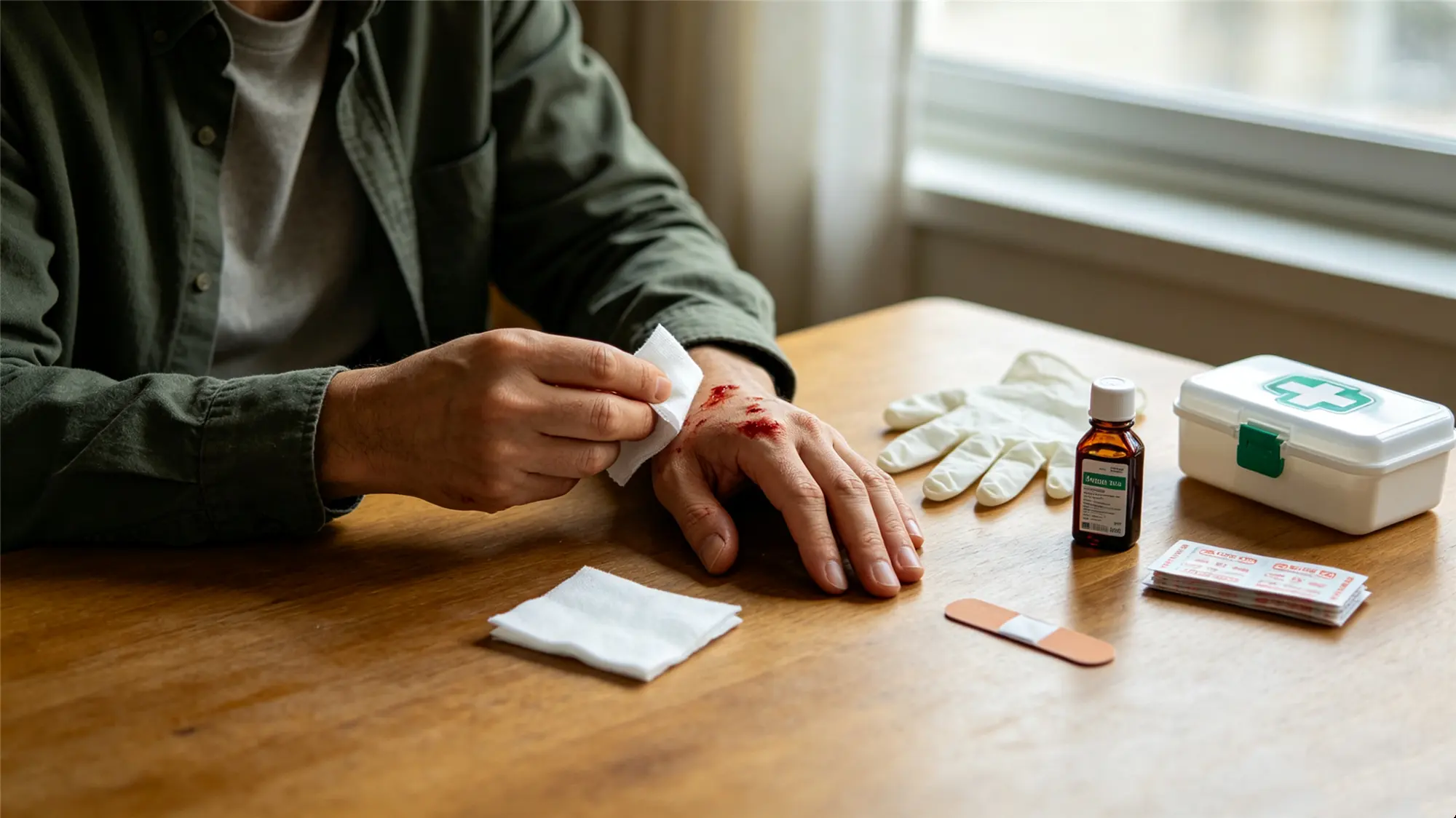
That moment when sharp teeth break skin. Whether it’s an overly excited puppy, a startled rescue cat, or an aggressive stray, animal bites demand immediate, informed action. With over 4.5 million dog bites occurring annually in the U.S. alone, knowing exactly what to do in the first 15 minutes isn’t just helpful—it could be life-saving.

The Golden Hour: Immediate First Aid Protocol
Time is tissue when dealing with animal bites. The bacteria in a cat or dog’s mouth can cause serious infections within hours, while the threat of rabies adds a lethal dimension to any unvaccinated animal encounter.
Step 1: Flush Thoroughly (Minutes 0-5)
Run lukewarm water over the wound immediately. Use mild soap and scrub gently but firmly for a full 5 to 10 minutes. This mechanical washing removes up to 90% of bacteria and viral particles, including potential rabies virus from saliva.
- Allow mild bleeding—it helps flush out contaminants
- Avoid harsh scrubbing that damages tissue
- For puncture wounds, gently squeeze to encourage bleeding
Step 2: Disinfect Properly (Minutes 5-10)
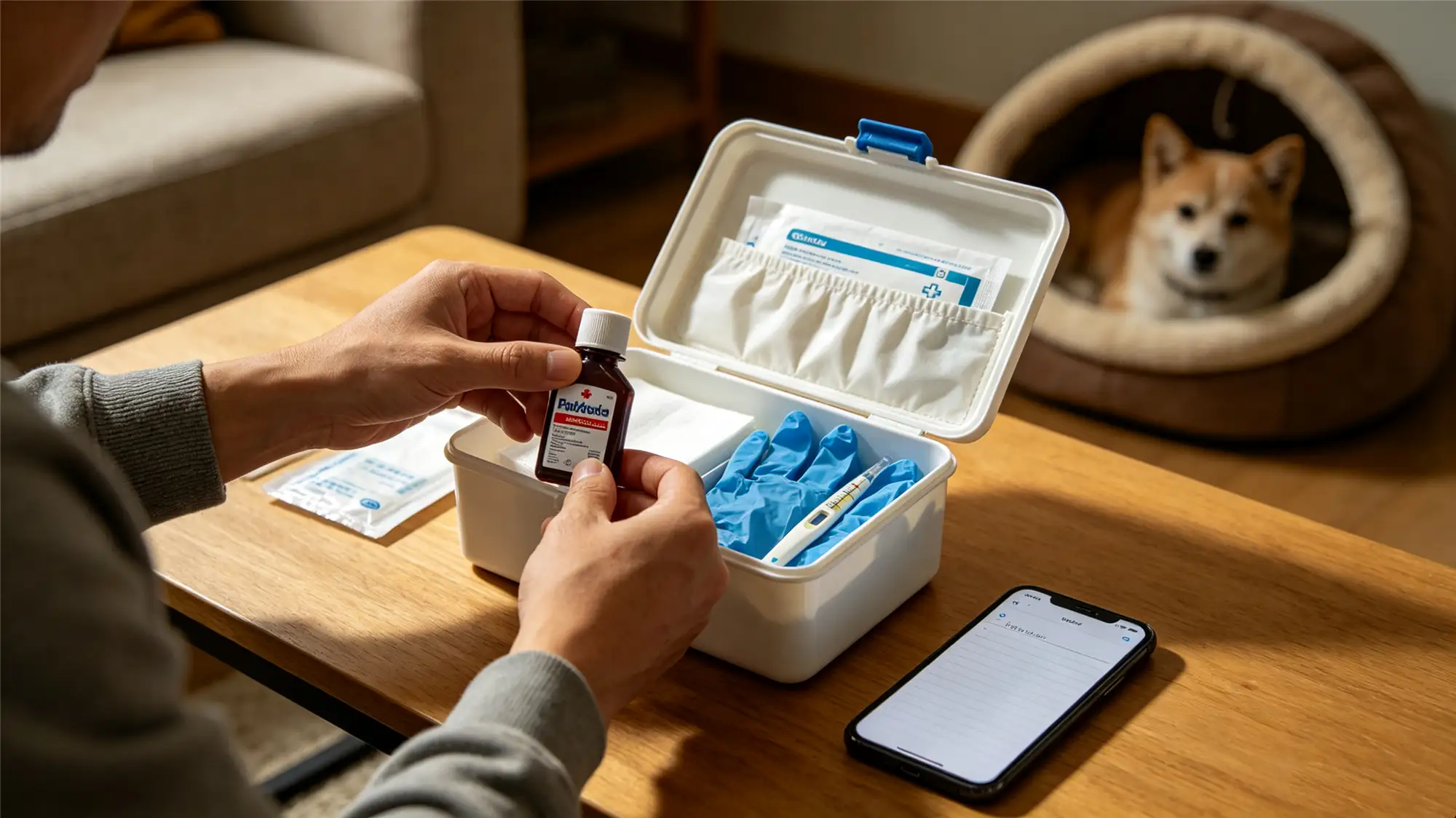
After washing, apply an antiseptic solution. Povidone-iodine (Betadine) or chlorhexidine are veterinary and medical standards for animal wounds. Avoid hydrogen peroxide—it damages healthy tissue and delays healing.
Step 3: Protect, But Don’t Seal
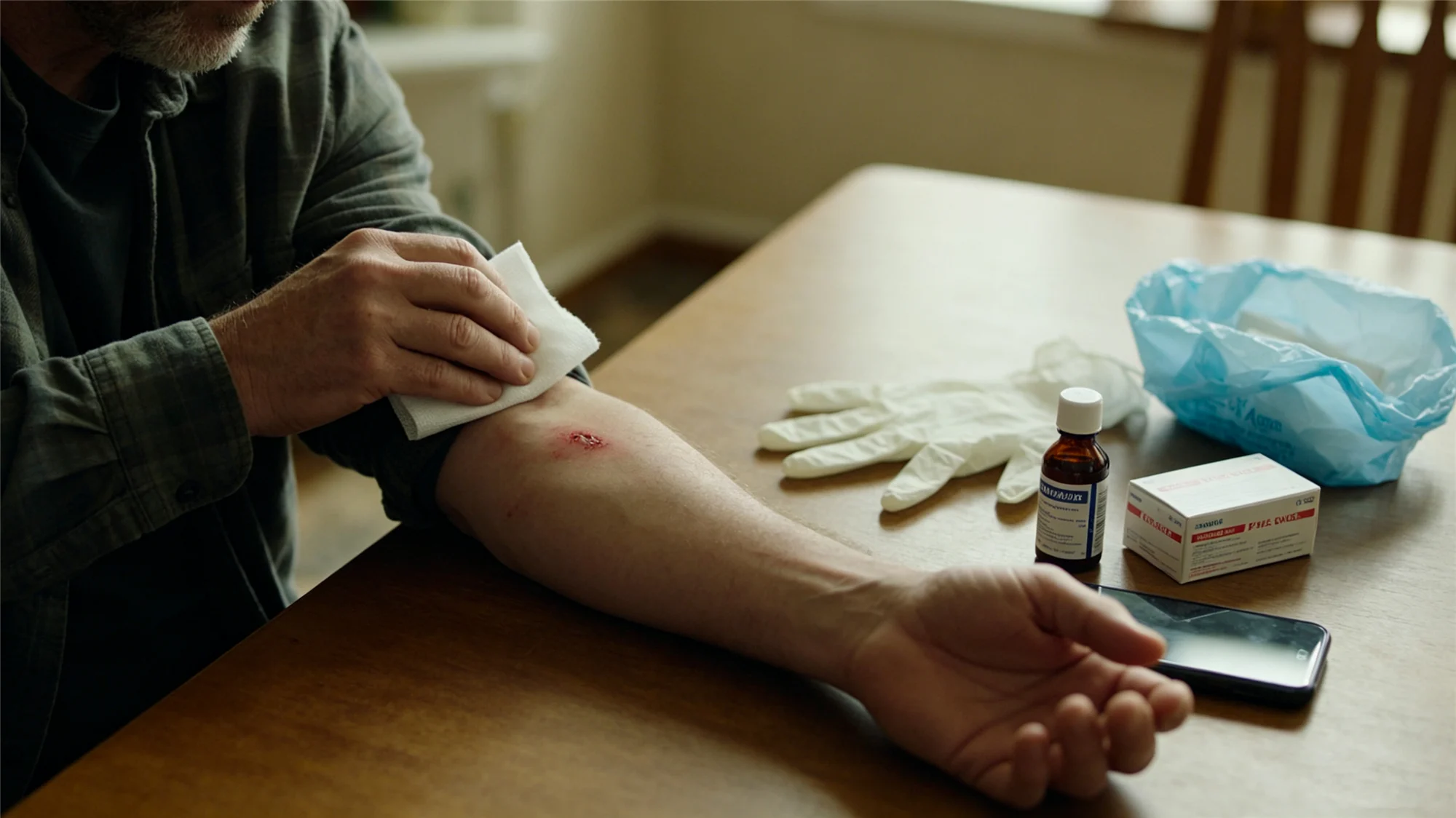
Cover the wound with a sterile gauze pad or clean cloth. Do not use tight bandages, and never close puncture wounds with butterfly closures—anaerobic environments breed dangerous bacteria like Pasteurella, Staphylococcus, and Capnocytophaga.
Essential Supplies: Your Pet Bite First Aid Kit
Every pet owner and parent should maintain a dedicated animal bite kit separate from general first aid supplies. Bites require specific protocols different from cuts or scrapes.
Must-Have Items:
- Sterile saline or bottled water for irrigation
- Povidone-iodine swabs or solution
- Sterile gauze pads and non-stick bandages
- Disposable nitrile gloves (latex-free)
- Antibiotic ointment (Mupirocin preferred for animal wounds)
- Emergency contact card for local ER and veterinarian
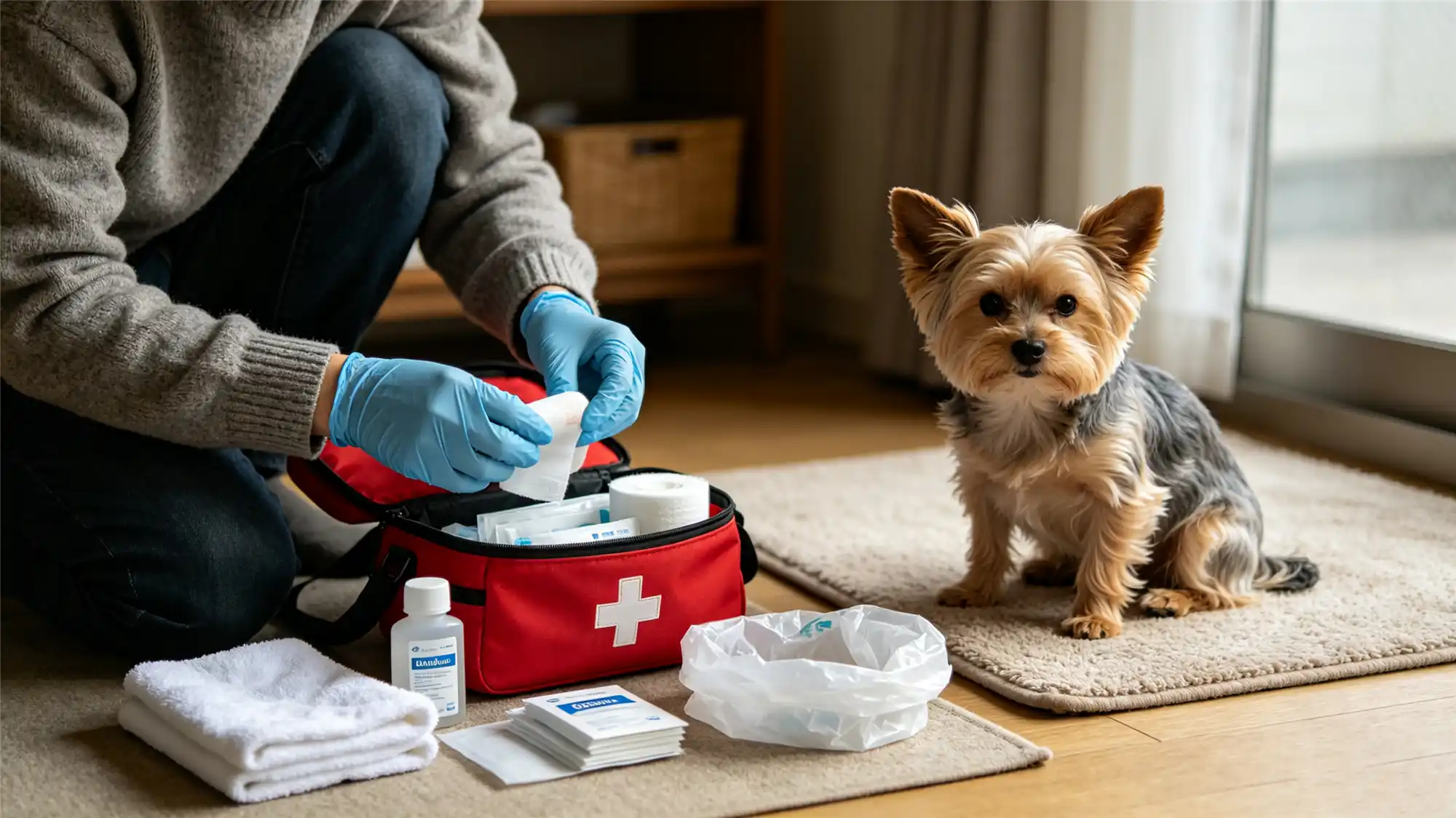
Keep this kit accessible but out of reach of children and pets. Replace expired antiseptics annually—oxidized iodine loses effectiveness.
Red Flags: When to Seek Emergency Medical Care
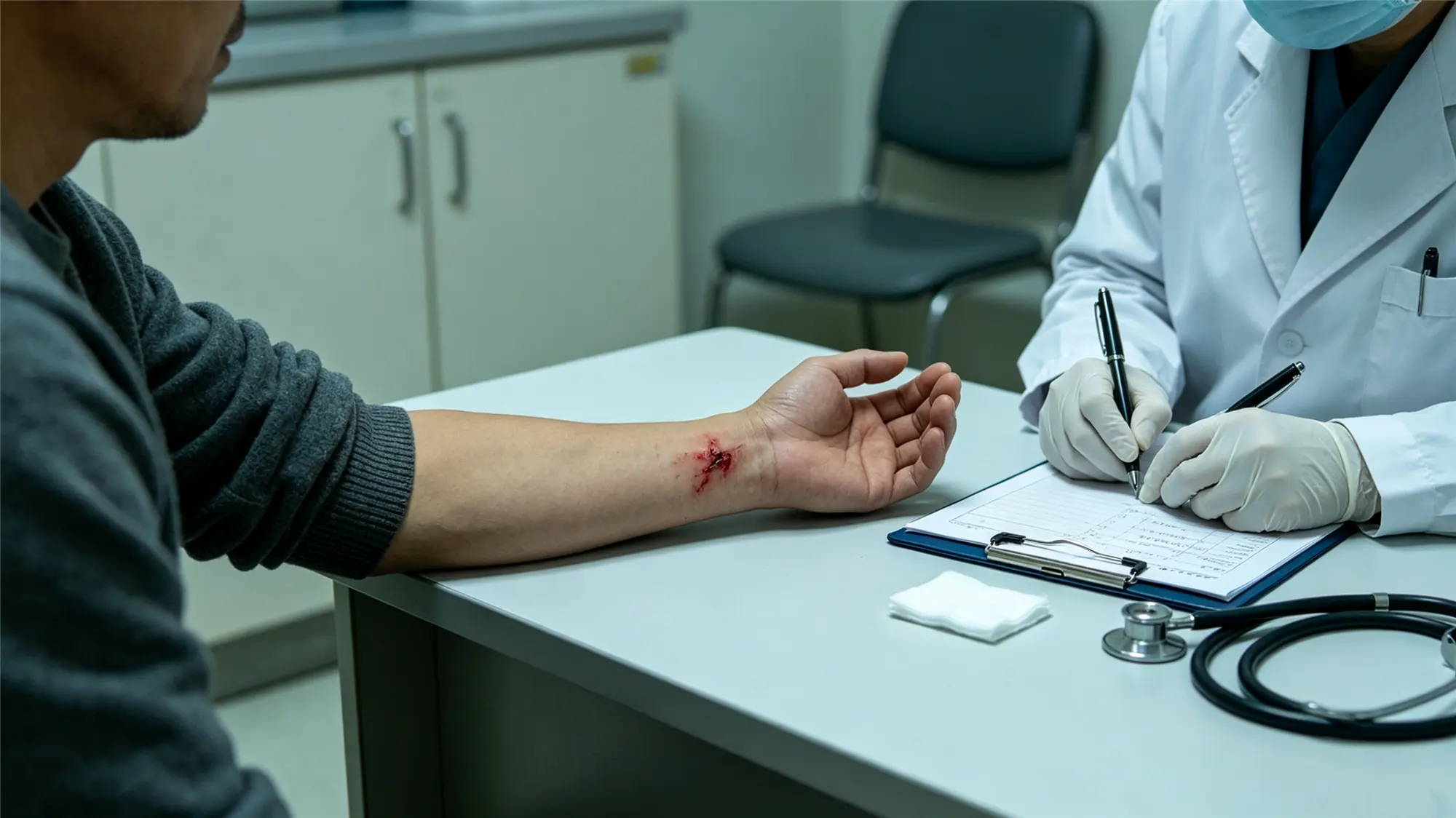
Not all bites require emergency intervention, but certain scenarios demand immediate professional assessment. Waiting even 24 hours with deep puncture wounds can lead to sepsis or permanent tissue damage.
Immediate ER Visit Required If:
- The bite is on the face, neck, hands, or genitals
- Bleeding doesn’t stop after 10 minutes of pressure
- The wound is deep, gaping, or caused by a crushing bite
- You are immunocompromised, diabetic, or have liver disease
- The animal shows signs of rabies (foaming, confusion, aggression)
The Infection Window
Cat bites present particularly high risk—their needle-like teeth inject bacteria deep into joints and tendons. Infections often manifest within 12-24 hours with:
- Increasing redness or red streaks (lymphangitis)
- Swelling that spreads beyond the wound
- Warmth and throbbing pain
- Fever or chills
The Rabies Reality: Understanding Your Risk
Rabies is 100% fatal once symptoms appear—but 100% preventable with timely post-exposure prophylaxis (PEP). The virus travels through nerves to the brain, with incubation periods ranging from weeks to months depending on bite location and viral load.
Critical Rabies Questions:
- Is the animal vaccinated? Request proof of current rabies vaccination from the owner
- Can the animal be quarantined? 10-day observation periods for dogs/cats can rule out transmission
- Was the skin broken? Saliva contact with mucous membranes or broken skin constitutes exposure
Do not attempt to capture a stray animal yourself—contact animal control. If the animal cannot be located for testing, doctors typically recommend starting the four-dose rabies vaccine series immediately.
What to Expect at Urgent Care
Medical professionals approach animal bites systematically. Understanding the process reduces anxiety and ensures you advocate for appropriate care.
Standard Treatment Protocol:
- Wound Cultures: Deep wounds may be swabbed to identify bacteria
- X-Rays: Check for tooth fragments or bone damage, especially with hand bites
- Irrigation: High-pressure saline cleaning in a clinical setting
- Antibiotics: Amoxicillin-clavulanate (Augmentin) is first-line for prophylaxis
- Tetanus: Booster required if your last Tdap was >5 years ago for dirty wounds
- Rabies PEP: Human Rabies Immune Globulin (HRIG) injected around the wound, plus vaccine series
Physicians generally avoid suturing bite wounds closed unless facial cosmesis is a concern—open drainage prevents abscess formation.
Home Recovery: The 48-Hour Monitoring Protocol
After professional treatment, proper home care prevents secondary infections and promotes healing. Most superficial bites heal within 7-10 days, while deep punctures may require 2-3 weeks.
Daily Care Routine:
- Change dressings daily or when wet/dirty
- Wash gently with soap and water before reapplying ointment
- Elevate the affected limb to reduce swelling
- Monitor temperature twice daily—fever indicates infection
When to Return to the Doctor:
Contact your provider immediately if you notice increasing pain (often described as “out of proportion” to the injury), foul odor, or any systemic symptoms like nausea or confusion. Cat bites specifically require recheck within 24 hours regardless of appearance.
Prevention: Protecting Your Family
The best bite is the one that never happens. For pet owners, understanding trigger stacking and body language prevents 90% of incidents.
Non-Negotiable Safety Rules:
- Never disturb eating or sleeping animals
- Teach children the “be a tree” technique—stand still if approached by unknown dogs
- Keep pets’ rabies vaccinations current (every 1-3 years depending on jurisdiction)
- Avoid face-to-face contact with unfamiliar animals
- Spay/neuter pets—intact animals show higher aggression rates
For Outdoor Enthusiasts:
Carry a whistle and trekking pole when hiking in areas with stray dogs. If approached by an aggressive animal, avoid eye contact, stand sideways to appear smaller, and slowly retreat without turning your back.
Final Thoughts: Knowledge Is Immunity
Animal bites are traumatic events, but panic serves no one. By following the 15-minute immediate care protocol, recognizing infection signs, and understanding rabies prevention, you transform a potential medical emergency into a manageable health event.
Remember: When in doubt, seek medical evaluation. The cost of an ER visit is negligible compared to the price of untreated rabies or sepsis. Keep your first aid kit stocked, your pets vaccinated, and your knowledge current—because responsible pet ownership includes preparing for the unexpected.