 Free shipping on orders over $75 across the U.S., with different free shipping promotions available in parts of
 Europe,
 South America,
 Australia.For all other countries, please contact us before placing your order, and we'll be happy to fast-track a shipping solution for you.
Pet Lizard Care 101: The Science-Backed Guide to Keeping Your Reptile Thriving
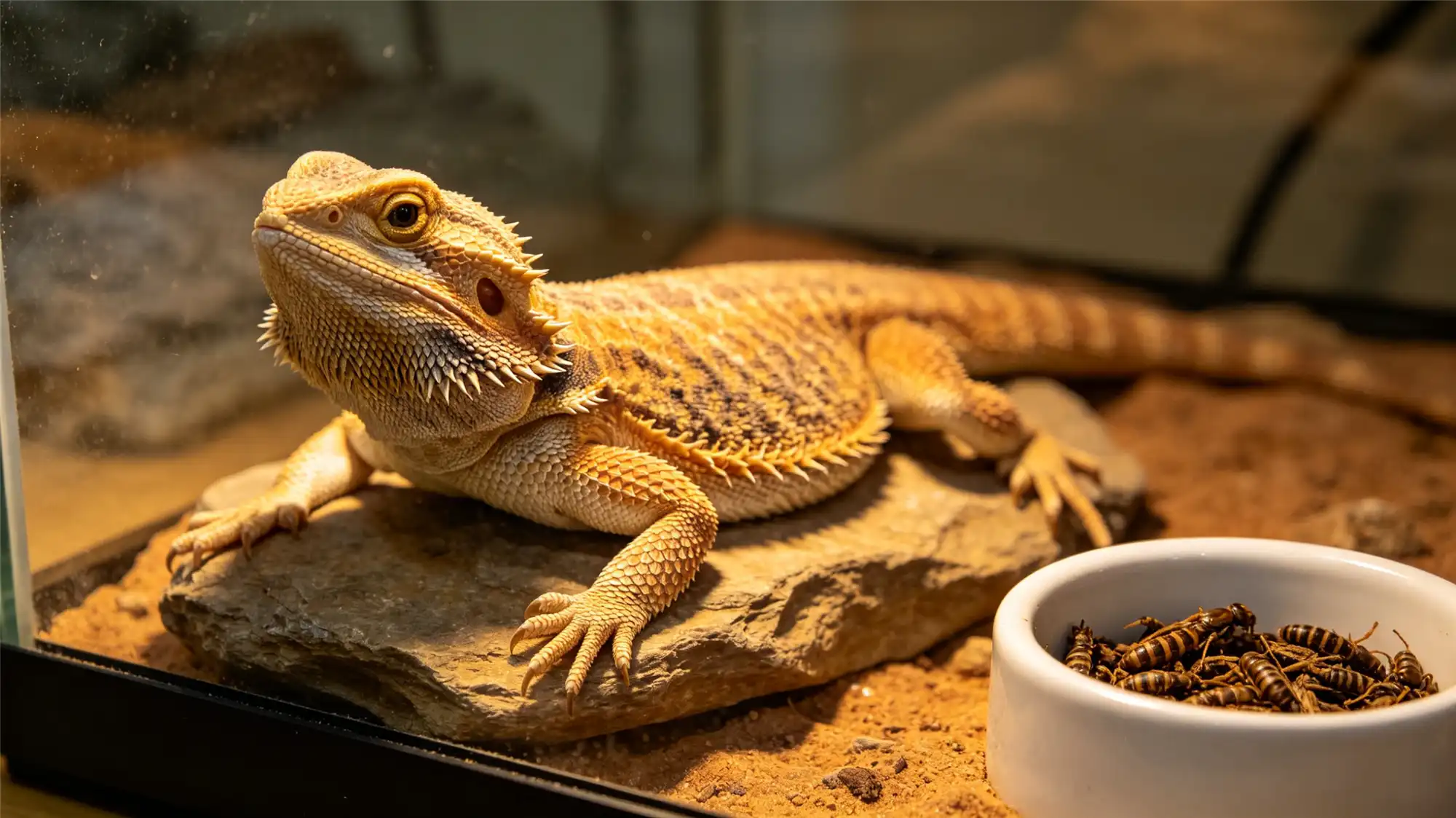
Are you overwhelmed by conflicting advice on how to take care of a lizard? One forum says “just feed crickets,” while another insists on complex bioactive setups. The truth is, scientific reptile husbandry isn’t about spending thousands—it’s about understanding your pet’s biological needs.
Whether you’re setting up your first terrarium or upgrading your pet lizard care routine, this guide cuts through the noise. We’ll show you exactly how to create species-specific habitats, optimize nutrition, and spot health issues before they become critical.
Choosing the Right Species: Not All Pet Lizards Are Beginner-Friendly
Before buying supplies, you must select a species matching your experience level. Many first-time owners fail because they choose high-maintenance reptiles like green iguanas or chameleons.
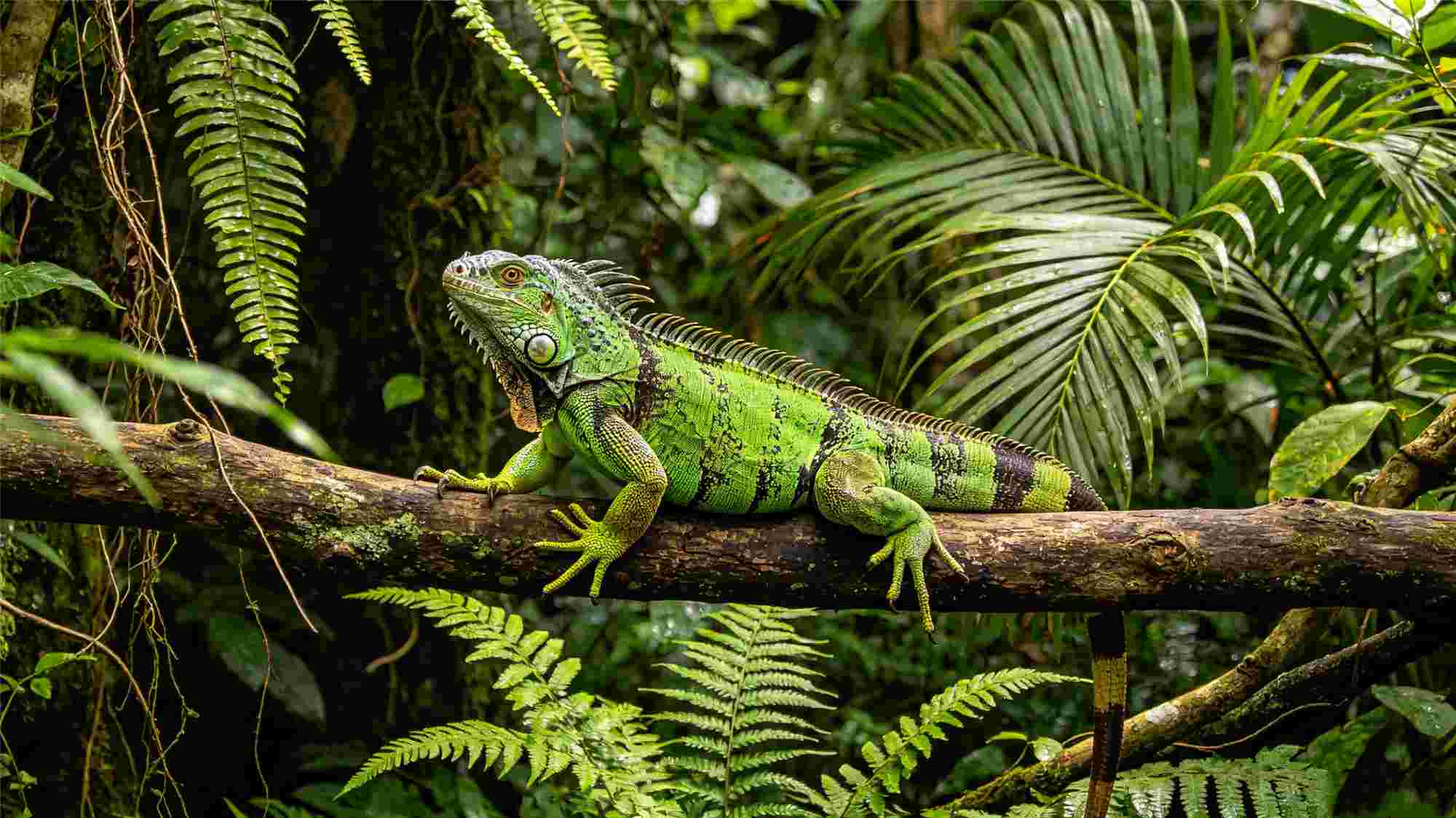
Best Pet Lizards for Beginners:
- Leopard Geckos: Nocturnal, tolerate handling well, require lower humidity
- Bearded Dragons: Diurnal, sociable personalities, straightforward diet
- Crested Geckos: Arboreal, thrive at room temperature, eat prepared diets
- Baby Blue-Tongued Skinks: Ground-dwelling, omnivorous, generally docile
Avoid iguanas and monitors unless you have advanced reptile keeping experience and adequate space.
Habitat Setup: Creating a Thermal Gradient
Your lizard habitat is not just a glass box—it is a microclimate. Cold-blooded animals cannot regulate body temperature internally, so you must provide options.
The Essential Triangle: Heat, Light, and Humidity
- Temperature Gradient: Create a basking spot (95-110°F for desert species) and a cool zone (75-80°F). Use digital thermometers at both ends.
- UVB Lighting: Essential for vitamin D3 synthesis. Without it, your lizard develops metabolic bone disease (MBD). Replace bulbs every 6-12 months even if they still emit visible light.
- Humidity Control: Tropical species need 60-80% humidity; desert species need 30-40%. Use a hygrometer and adjust ventilation accordingly.
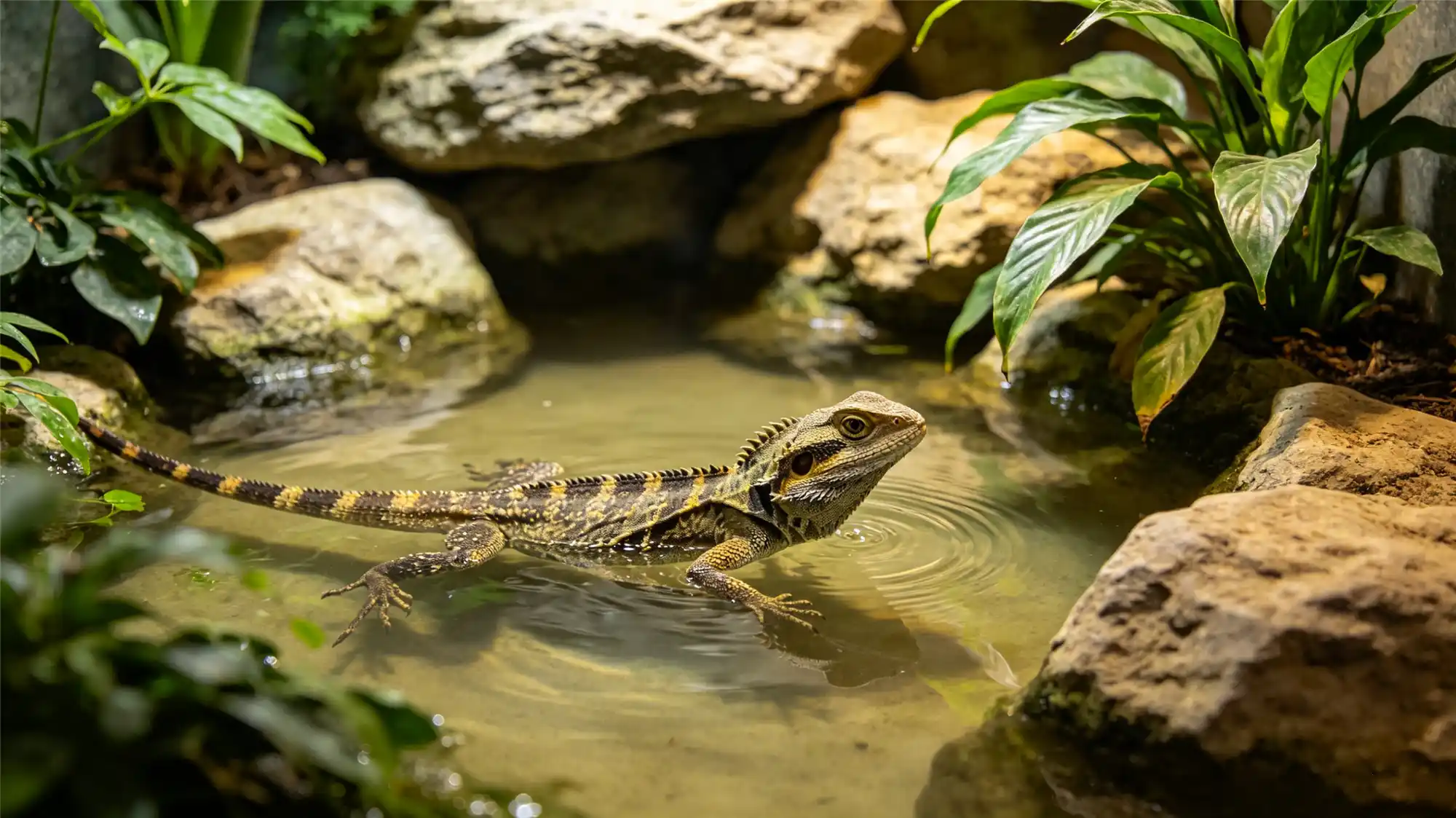
Pro tip: Include a shallow water dish large enough for soaking. Many lizards, especially water dragons and iguanas, require hydration through both drinking and skin absorption.
Nutritional Science: Beyond Crickets and Lettuce
Poor nutrition is the #1 cause of premature death in captive pet lizards. Feeding crickets alone is like feeding a child only bread—technically food, but nutritionally bankrupt.
The Calcium-Phosphorus Balance
Wild reptiles consume mineral-rich prey. In captivity, you must “gut-load” insects (feed them nutritious food 24 hours before offering) and dust them with calcium powder containing D3.
Species-Specific Dietary Strategies
- Bearded Dragons: 70% vegetables/greens (collard, mustard, dandelion) and 30% insects as adults. Avoid iceberg lettuce—it has zero nutritional value.
- Leopard Geckos: Strictly insectivorous. Offer mealworms, dubia roaches, and occasional waxworms as treats.
- Omnivores (Skinks, Iguanas): Require carefully balanced ratios of protein to vegetation. Iguanas are actually folivores (leaf-eaters) as adults.
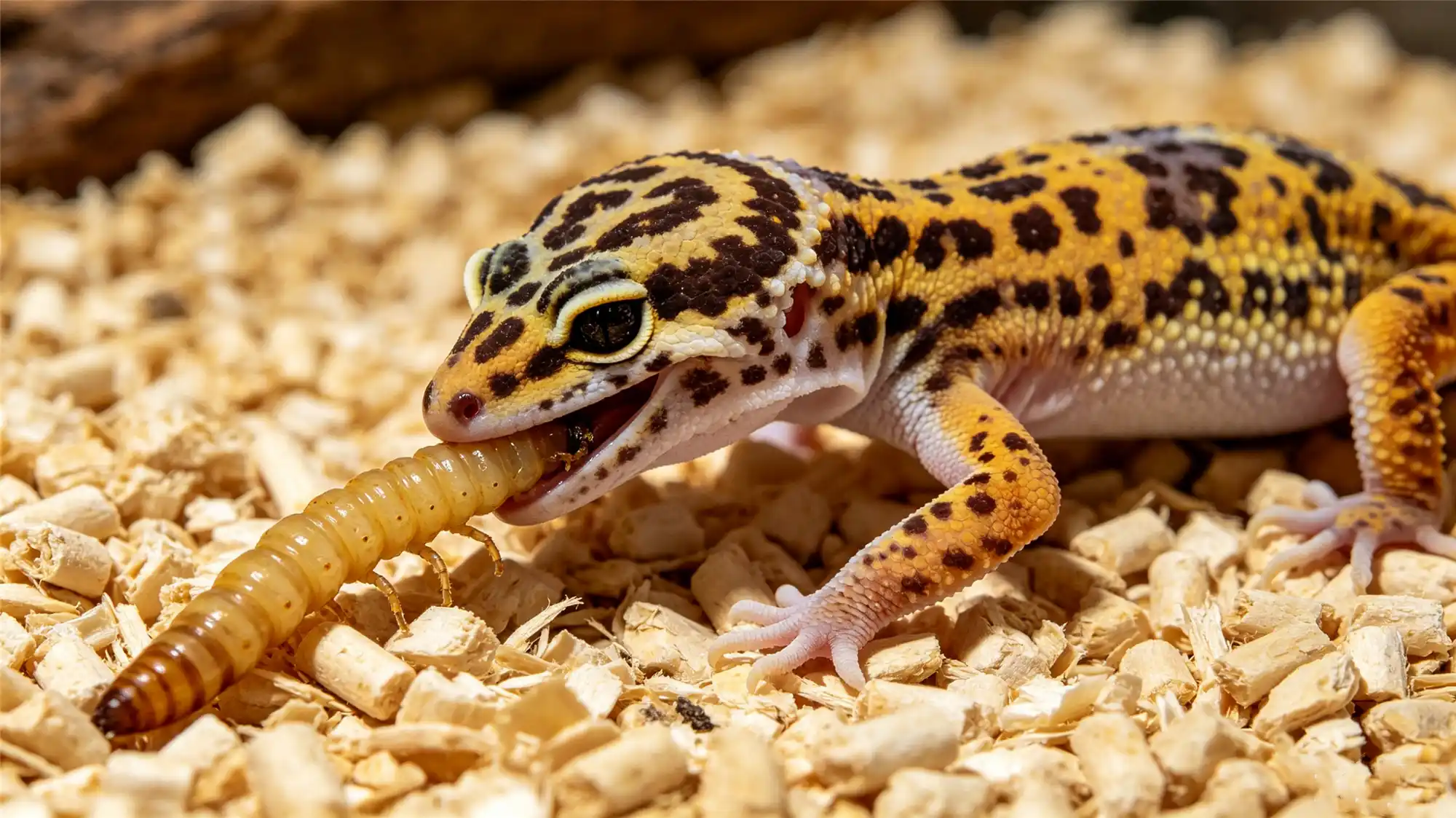
Warning: Never feed fireflies (lightning bugs) to any lizard species—they contain toxic lucibufagins that cause instant cardiac failure.
Health Monitoring: Reading the Signs
Unlike mammals, reptiles hide illness until it is life-threatening. Establish a weekly health check routine.
Red Flags Requiring Immediate Veterinary Care
- Refusing food for more than 5-7 days (species-dependent)
- Sunken eyes or wrinkled skin (dehydration)
- Soft, rubbery jaws (advanced MBD)
- Labored breathing or mouth gaping (respiratory infection)
- Retained shed on toes or tail tips (can cause necrosis)
Find an exotic vet before emergencies happen. Standard dog/cat veterinarians often lack the specialized training for reptile keeping.
Handling and Behavioral Enrichment
Scientific lizard care includes mental stimulation. A bare tank causes stress and stereotypic behaviors like glass-surfing.
- Clutter: Add branches, rocks, and hides. If you can see your lizard everywhere in the enclosure, it feels exposed to predators.
- Target Training: Many lizards (especially bearded dragons and tegus) can learn to touch a target for food, providing mental exercise.
- Handling Protocol: Support the full body weight. Never grab by the tail—many species autotomize (drop) tails as defense.
Conclusion: Commit to Continuous Learning
Scientific reptile husbandry evolves as we learn more about these complex animals. Join species-specific forums, attend reptile expos, and read peer-reviewed herpetological journals.
Your pet lizard can live 10-20 years (or more!) with proper care. That longevity starts today—with the right enclosure, nutrition, and respect for their wild instincts.
Ready to upgrade your setup? Start by auditing your current UVB bulb age and substrate choice. Small changes prevent big veterinary bills.