 Free shipping on orders over $75 across the U.S., with different free shipping promotions available in parts of
 Europe,
 South America,
 Australia.For all other countries, please contact us before placing your order, and we'll be happy to fast-track a shipping solution for you.
The Ultimate Tortoise Care Guide: The Most Beginner-Friendly Reptile
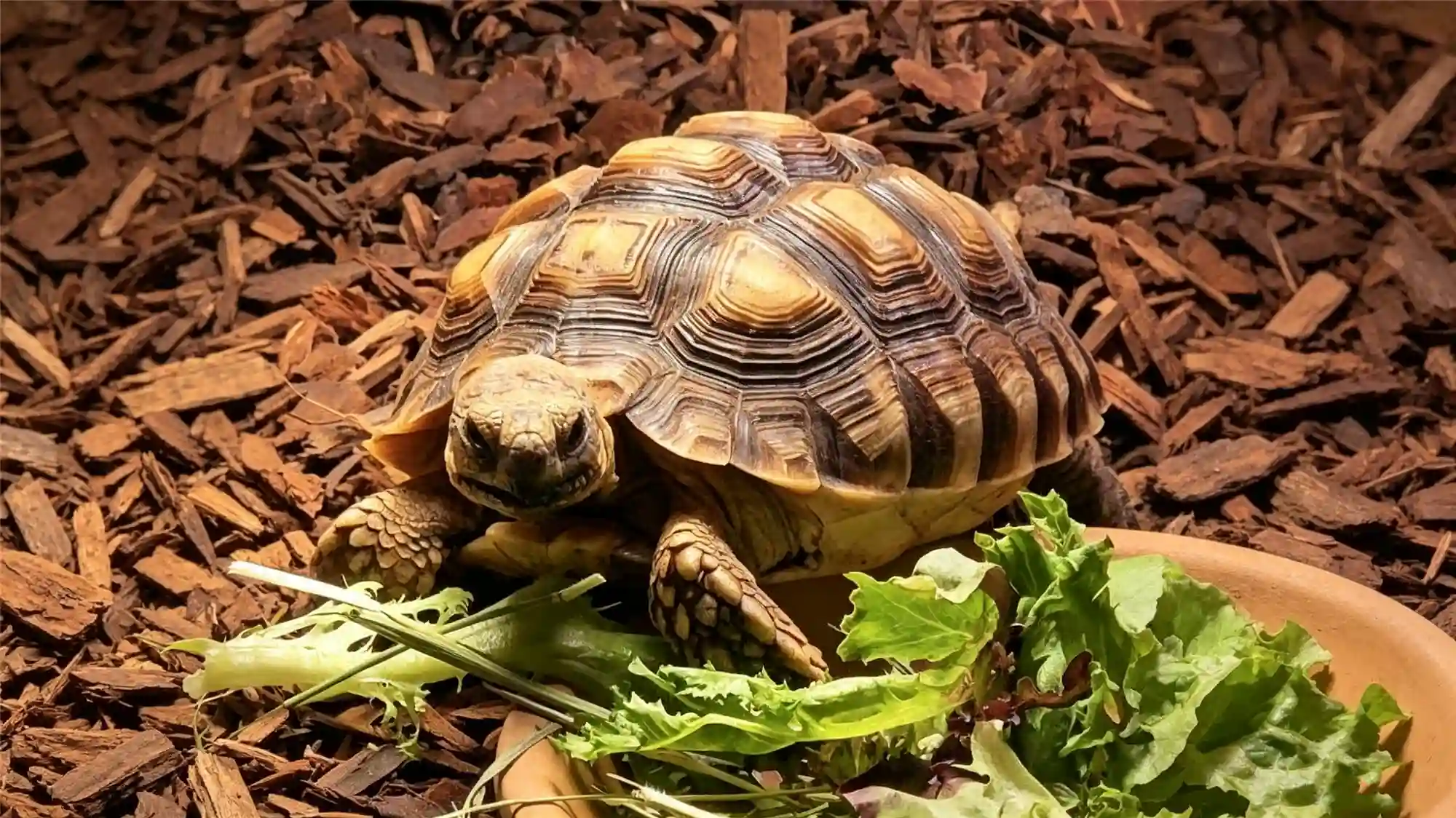
Thinking about bringing a tortoise home? You are not alone. These ancient, slow-moving reptiles have become increasingly popular pets, but here is the reality: tortoise husbandry is not as simple as placing them in a box with lettuce. With lifespans stretching 50 to 100 years, getting their care right from day one is crucial for both your sanity and their survival.
In this comprehensive tortoise care guide, we will walk you through everything from habitat setup to dietary needs, drawing on veterinary expertise and decades of keeper experience. Whether you are considering a Sulcata, Leopard, or Hermann’s tortoise, these principles apply across species.
Understanding Tortoise Species: Choose Wisely
Before you buy, understand that “tortoise” covers over 40 species with vastly different needs. A hatchling Sulcata might fit in your palm, but it will eventually weigh 100+ pounds and require a backyard, not a terrarium.
Beginner-friendly options include:
- Hermann’s Tortoise: Manageable size (6-8 inches), hardy temperament
- Red-Footed Tortoise: Medium size, tropical requirements, interactive personality
- Russian Tortoise: Small size (8-10 inches), excellent for indoor setups
Creating the Ideal Tortoise Habitat
Your tortoise’s enclosure is not just a container—it is a microclimate that mimics their natural environment. Indoor habitats require meticulous attention to heat gradients, UVB exposure, and substrate selection.
Essential habitat components:
- Space: Minimum 4×2 feet for small species; bigger is always better
- Temperature gradient: Basking spot at 95-100°F, cool side at 75-80°F
- UVB lighting: Essential for calcium metabolism; replace bulbs every 6-12 months even if they still light up
- Humidity: Varies by species—tropical species need 60-80%, desert species 30-40%
Substrate Selection Matters
Avoid cedar or pine shavings—the oils cause respiratory issues. Instead, opt for:
- Coconut coir (retains humidity well)
- Orchid bark or cypress mulch (natural, digestible if accidentally eaten)
- Reptile carpet (easy to clean, ideal for hatchlings)
Nutrition and Feeding: The High-Fiber Diet
The leading cause of tortoise health problems? Improper diet. Unlike aquatic turtles, most pet tortoises are strict herbivores requiring high fiber, low protein, and minimal fruit.
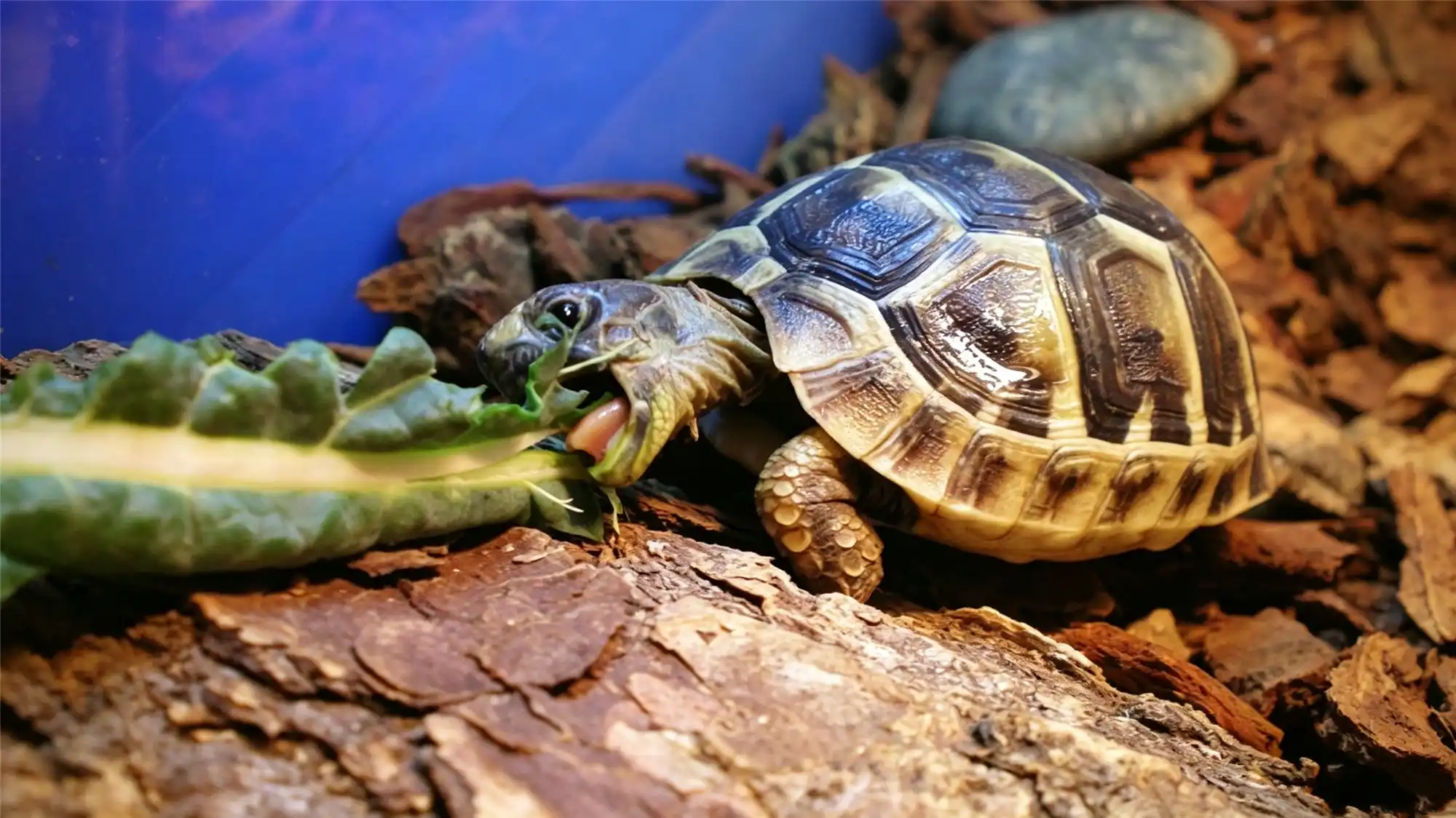
The 80/20 rule for tortoise nutrition:
- 80% Grasses and Hay: Timothy hay, Bermuda grass, dandelion greens
- 20% Vegetables: Collard greens, mustard greens, squash, bell peppers
- Occasional treats: Edible flowers (hibiscus, rose petals), cactus pads
Supplements: Calcium is Non-Negotiable
Dust all food with calcium powder (without D3) 3-4 times weekly. Even with UVB lighting, captive diets often lack sufficient calcium for shell and bone development. A cuttlebone in the enclosure allows self-regulation.
The Critical Role of Outdoor Time
Nothing replaces natural sunlight. UVB bulbs help, but unfiltered sunlight triggers natural behaviors and provides superior vitamin D3 synthesis. Even 30 minutes of outdoor grazing several times weekly dramatically improves health and activity levels.
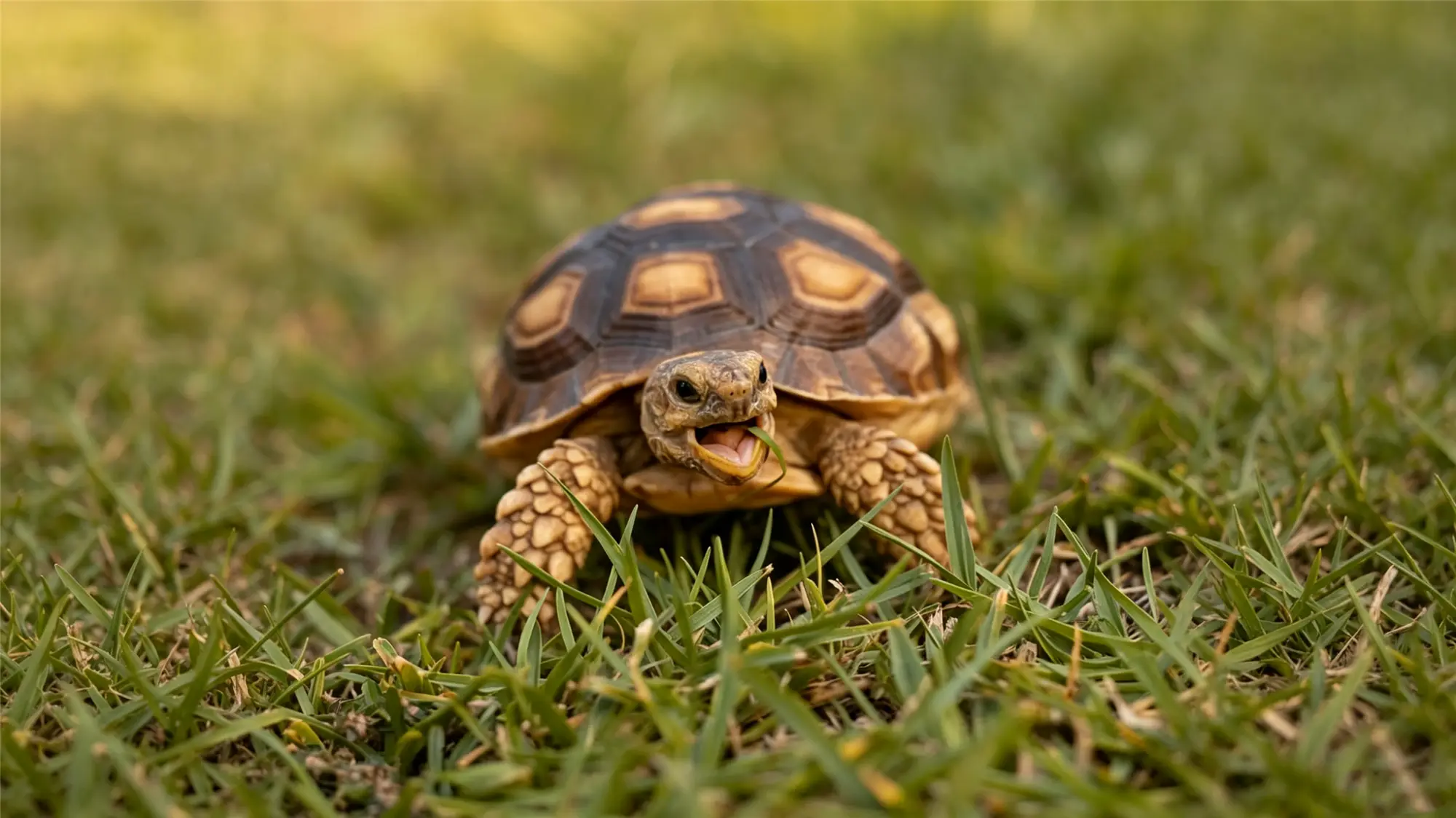
Safety protocols for outdoor excursions:
- Supervise constantly—birds, dogs, and raccoons view tortoises as prey
- Ensure outdoor temperatures match their natural range (70-90°F)
- Provide shade options to prevent overheating
- Verify yard plants are non-toxic (avoid oleander, rhododendron, azaleas)
Health Monitoring: Know the Warning Signs
Establish a relationship with an exotic veterinarian immediately. Tortoises hide illness until it is severe, so routine fecal exams (twice yearly) catch parasites early.
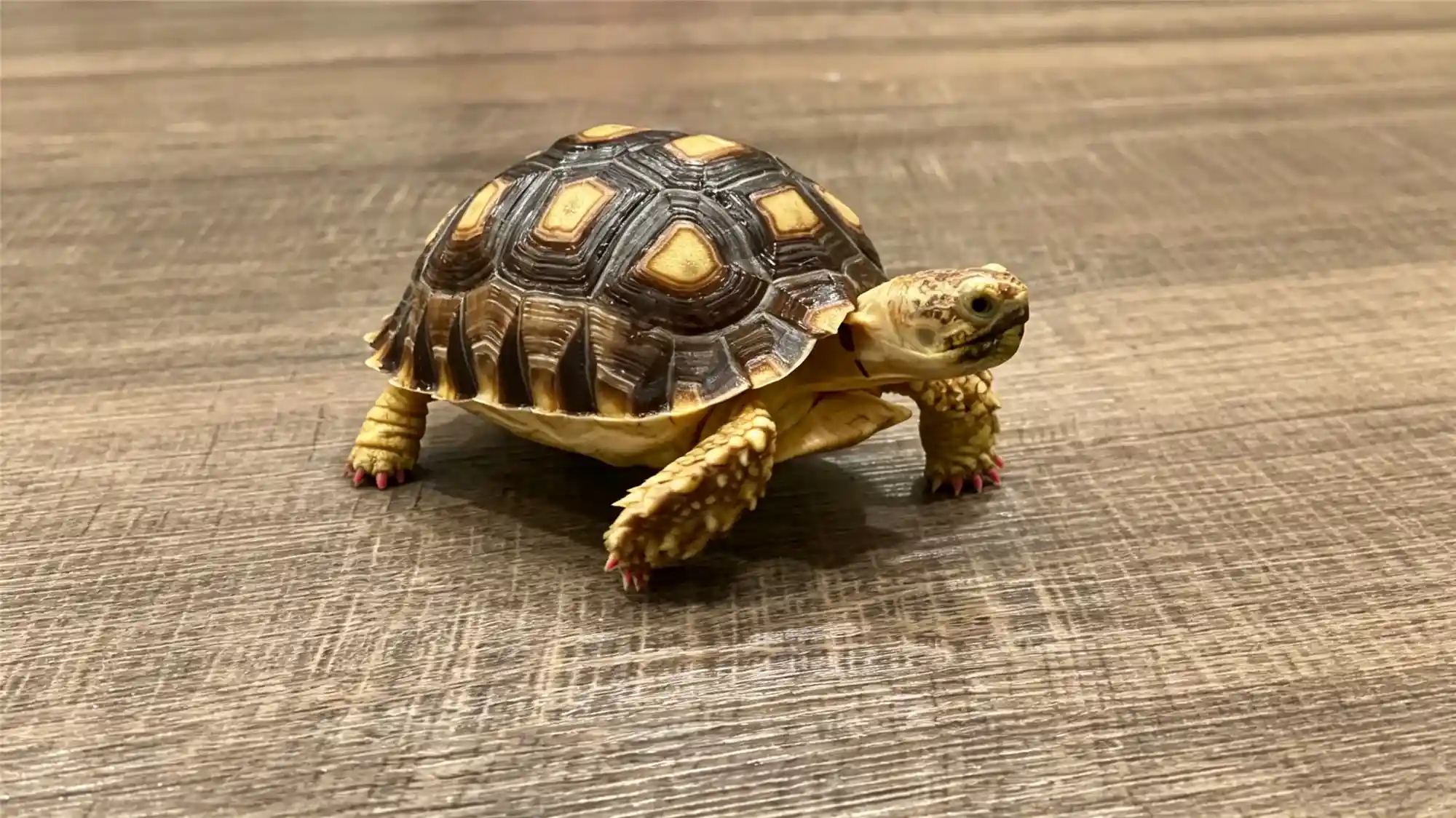
Red flags requiring immediate vet attention:
- Bubbling or discharge from nose/mouth (respiratory infection)
- Soft shell or pyramiding (raised scutes indicating metabolic bone disease)
- Lethargy or inability to right itself when flipped
- Prolonged refusal to eat (more than 3 days for adults)
Shell Health: Smooth is Good
Pyramiding—bumpy, pyramid-shaped scutes—results from excessive protein, poor humidity, or inadequate UVB. While irreversible, correcting care prevents worsening. A healthy shell should feel smooth and grow steadily without dramatic ridges.
Long-Term Commitment: Planning for Decades
That adorable hatchling is a century-long commitment. Tortoises often outlive their owners, necessitating estate planning. Consider:
- Creating a care trust or designated guardian in your will
- Joining local herpetological societies for rehoming networks
- Documenting specific care routines for future caretakers
Final Thoughts: Is Tortoise Ownership Right for You?
Tortoises reward patient keepers with decades of interaction, distinct personalities, and quiet companionship. However, they demand daily attention to lighting, diet, and temperature. If you can provide the specialized environment described in this tortoise care guide, you will have a fascinating companion for life.
Ready to start? Research your specific species thoroughly, set up the enclosure before bringing your tortoise home, and schedule that first veterinary checkup. Your future self—and your tortoise—will thank you.
Great content! Keep up the good work!