 Free shipping on orders over $75 across the U.S., with different free shipping promotions available in parts of
 Europe,
 South America,
 Australia.For all other countries, please contact us before placing your order, and we'll be happy to fast-track a shipping solution for you.
Protecting Stray Animals: Essential Health & Safety Guide for Safe Rescue and Adoption

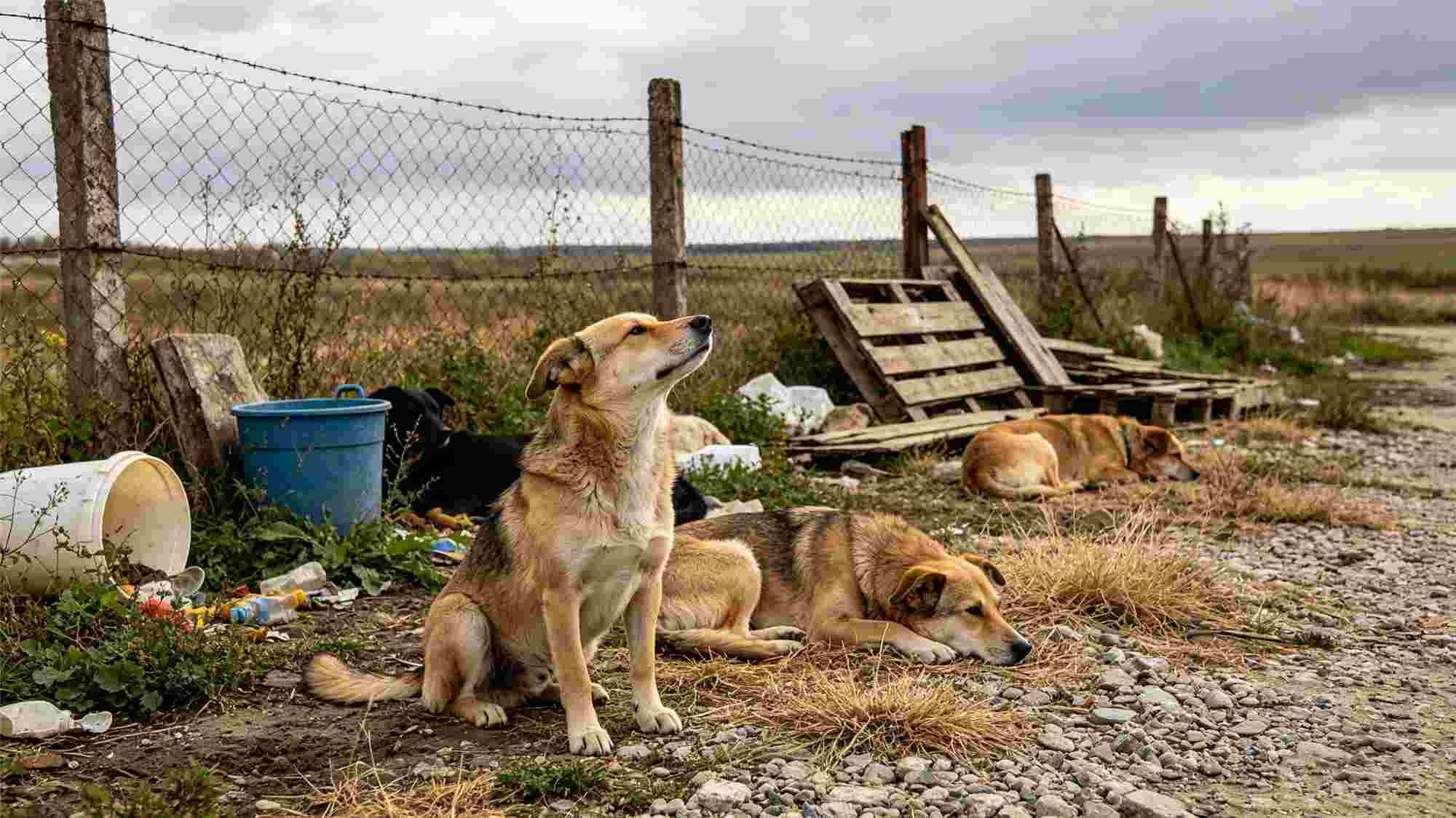
Every year, millions of stray animals struggle to survive on urban streets and rural roads, facing hunger, disease, and harsh weather conditions. While the instinct to help these vulnerable creatures is commendable, stray animal protection requires more than good intentions—it demands knowledge about potential bacteria, health risks, and safe intervention protocols. Whether you are considering feeding a neighborhood cat or planning a full rescue mission, understanding how to protect yourself while saving them is crucial.
The Hidden Dangers: Health Risks in Stray Animal Encounters
Stray animals often carry pathogens that pose serious health risks to humans. Before extending your hand, it is vital to recognize the biological hazards these animals may harbor after months or years of living without veterinary care.

Common bacteria and parasites found in stray populations include:
- Rabies virus – Transmitted through saliva via bites, nearly 100% fatal if untreated
- Leptospirosis – Bacterial infection spread through urine, causing kidney and liver damage
- Toxoplasmosis – Parasite particularly dangerous for pregnant women, found in cat feces
- Ringworm and mange – Highly contagious skin conditions requiring immediate attention
- Fleas and ticks – Vectors for Lyme disease and other zoonotic illnesses
Always approach stray animals with caution. Even friendly-looking dogs or cats may react unpredictably when frightened or in pain, potentially exposing you to dangerous bacteria through bites or scratches.
Why Stray Animal Protection Matters for Public Health
Beyond individual compassion, community-wide stray animal protection programs significantly reduce public health risks. Unvaccinated roaming animals can create reservoirs for diseases that eventually affect domestic pets and humans.

Unchecked stray populations contribute to:
- Environmental contamination through waste harboring parasites
- Increased risk of traffic accidents causing injury to both animals and drivers
- Noise pollution and territorial aggression between animals
- Transmission of antibiotic-resistant bacteria between wildlife and domestic species
Effective protection strategies require balancing immediate welfare needs with long-term population management through spay/neuter programs and responsible adoption initiatives.
Safe Intervention: Protecting Yourself While Helping Them
If you encounter a stray animal needing help, follow evidence-based safety protocols to minimize bacterial exposure and physical injury. Your health must remain the priority to ensure you can continue helping others.
Immediate Safety Measures
Before touching any stray animal, assess the situation from a distance. Look for signs of aggression, severe illness, or distress that might indicate unpredictable behavior.

Essential protective equipment includes:
- Thick gloves (preferably bite-proof) to prevent scratches and bacterial transmission
- Long sleeves and pants to minimize skin exposure
- A secure carrier or leash to prevent escape during transport
- Hand sanitizer with at least 60% alcohol for immediate disinfection
Never attempt to handle animals showing neurological symptoms (staggering, excessive drooling) or aggressive behavior without professional assistance. Contact local animal control for animals that appear dangerous or severely ill.
Health Screening Post-Contact
After any interaction, thoroughly wash your hands with soap and warm water for at least 20 seconds. Monitor the contact area for:
- Redness, swelling, or warmth indicating infection
- Any breaks in the skin requiring antiseptic treatment
- Flu-like symptoms developing within weeks of exposure
Seek immediate medical attention if bitten. Rabies post-exposure prophylaxis must begin within 24-72 hours to be effective.
From Rescue to Recovery: The Adoption Journey
The ultimate goal of stray animal protection is finding permanent homes through responsible adoption. However, transitioning an animal from street life to family pet requires careful health management.

Before bringing a stray into your home or facilitating adoption:
- Schedule a veterinary examination to test for FIV, FeLV (in cats), heartworm, and intestinal parasites
- Quarantine new rescues for 10-14 days away from existing pets to prevent bacterial and viral transmission
- Administer core vaccinations before socialization with other animals
- Implement deworming protocols to eliminate zoonotic parasites
Many rescued strays carry bacteria like Campylobacter or Salmonella in their digestive systems. Maintain rigorous hygiene during the adjustment period, especially when handling food bowls and waste.
Building Sustainable Community Protection Programs
Individual efforts matter, but systemic change requires organized community attention to stray populations. Effective programs combine immediate care with population control.
Successful initiatives typically include:
- TNR (Trap-Neuter-Return) programs for feral cats to prevent overpopulation while allowing them to live out their lives
- Managed feeding stations that reduce garbage-scavenging behaviors and associated bacterial spread
- Vaccination drives targeting core diseases like rabies and distemper
- Foster networks that provide temporary housing while awaiting permanent adoption
These structured approaches reduce the health risks associated with large stray populations while improving individual animal welfare.
How You Can Make a Difference Today
You do not need to open a sanctuary to impact stray animal welfare. Small, informed actions create ripple effects throughout your community.

Start with these evidence-based steps:
- Document and report – Photograph strays and contact local rescue organizations rather than attempting solo rescues of dangerous animals
- Support sterilization – Fund or volunteer for TNR programs, the most effective method for reducing future suffering
- Foster responsibly – Provide temporary homes after proper health screening, keeping fosters isolated from personal pets initially
- Educate others – Share information about zoonotic disease prevention to encourage safe helping behaviors
- Advocate for adoption – Promote shelter adoption over purchasing pets, reducing demand that perpetuates abandonment cycles
Remember that protection works both ways. By safeguarding your own health through proper precautions, you ensure your ability to continue advocating for these animals long-term.
Conclusion
Stray animal protection represents a complex intersection of compassion and public health responsibility. While these animals desperately need our attention and care, approaching them without knowledge of potential bacteria and disease risks helps neither the animal nor the rescuer. Through informed intervention, proper hygiene protocols, and commitment to adoption and sterilization programs, we can create communities where both human and animal health thrive. The next time you encounter a stray animal in need, you will be equipped to help effectively—safely bridging the gap between street survival and loving homes.