 Free shipping on orders over $75 across the U.S., with different free shipping promotions available in parts of
 Europe,
 South America,
 Australia.For all other countries, please contact us before placing your order, and we'll be happy to fast-track a shipping solution for you.
Cat and Dog Sleep Time: How Many Hours Do Your Furry Friends Really Need?
Why Understanding Pet Sleep Matters
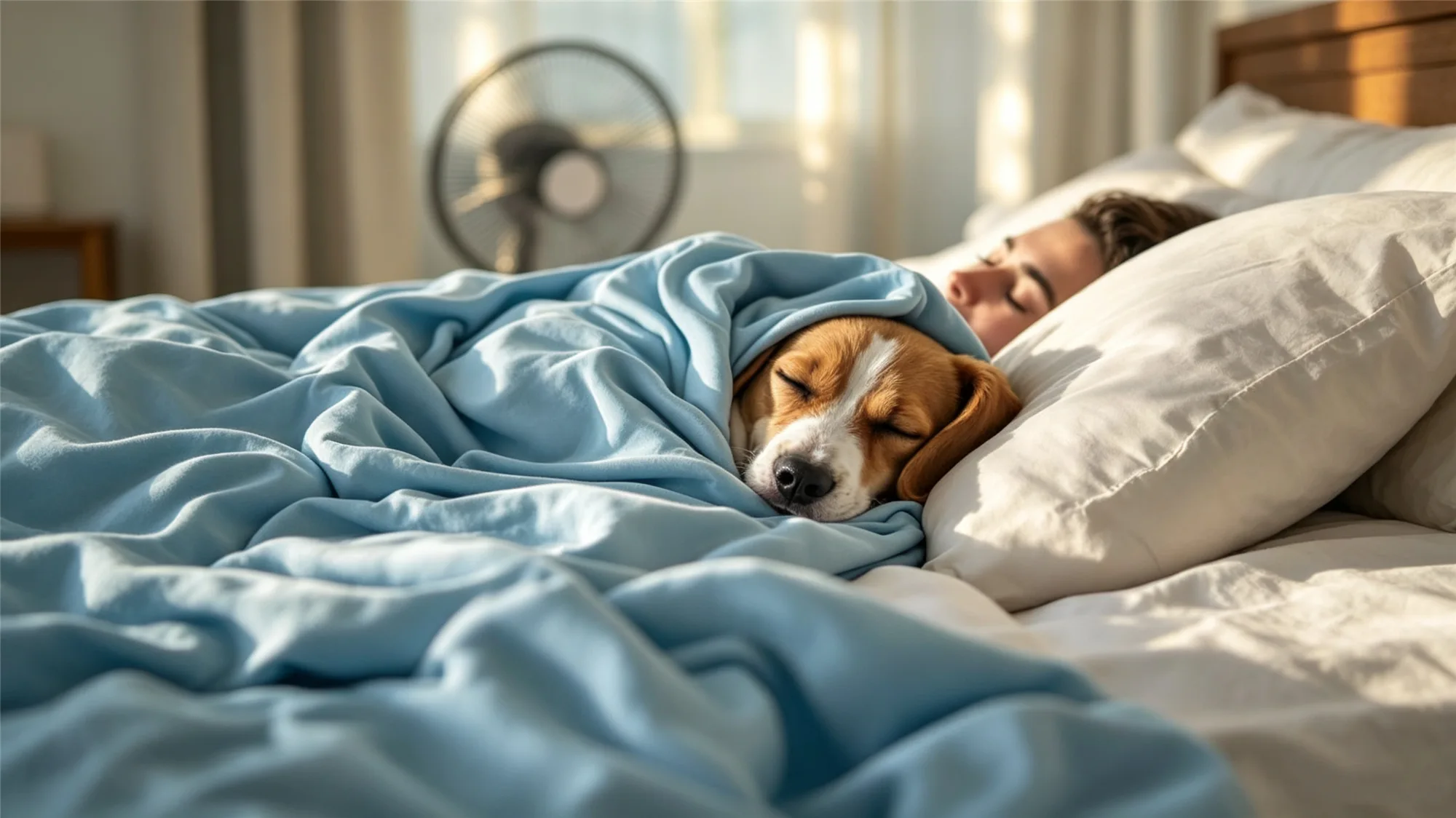
Have you ever watched your cat snooze for hours and wondered if something’s wrong? Or noticed your dog taking their fifth nap of the day? You’re not alone. Understanding cat and dog sleep time is crucial for every pet parent who wants to ensure their companions stay healthy and happy.
Sleep isn’t just rest—it’s when your pet’s body repairs tissue, consolidates memories, and regulates hormones. Poor sleep quality can lead to behavioral issues, weakened immunity, and chronic health problems.
How Many Hours Do Cats Sleep?
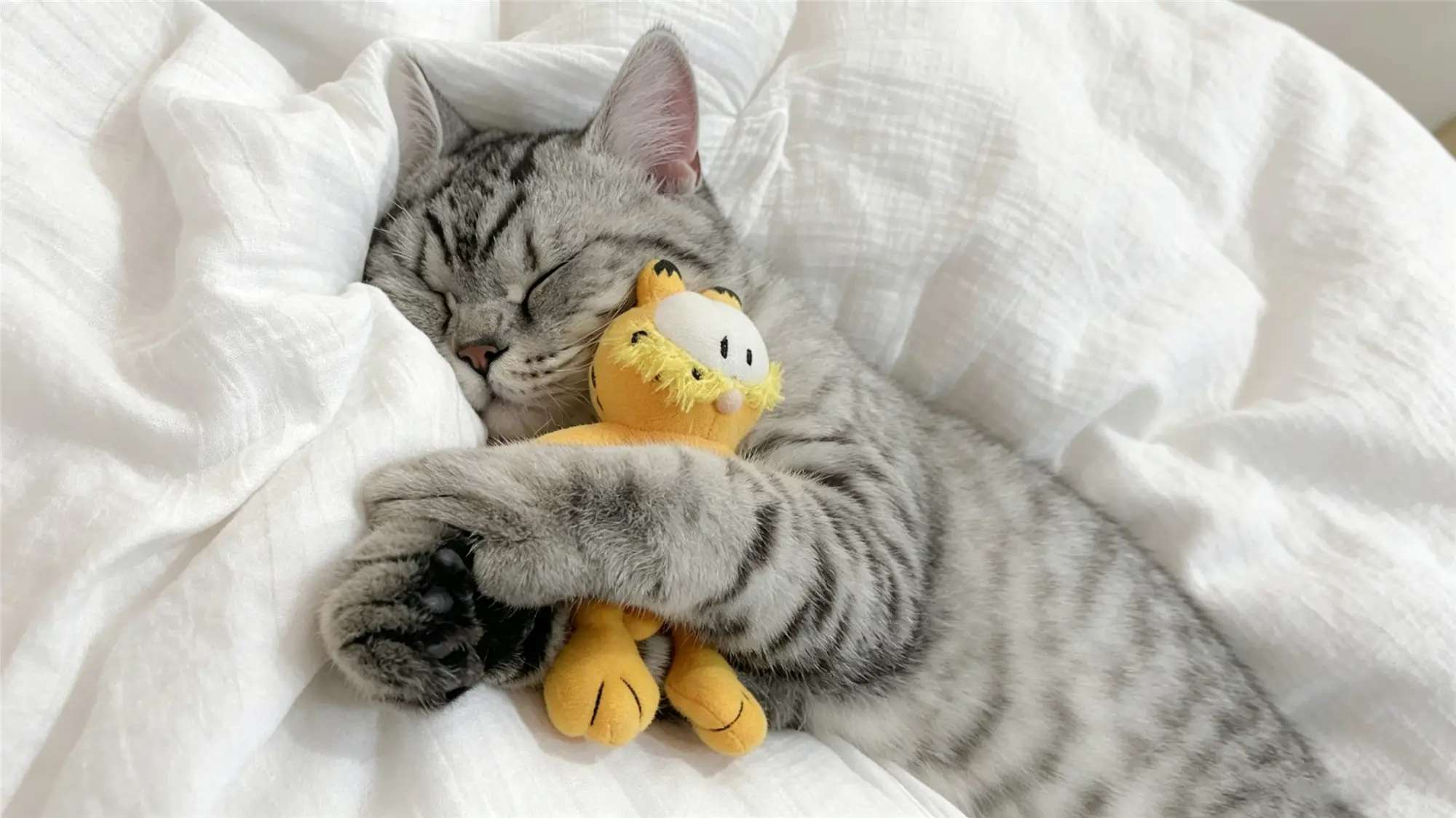
Adult cats typically sleep between 12 to 16 hours per day. However, don’t be surprised if your feline friend clocks in up to 18 hours—it’s completely normal and hardwired into their biology as crepuscular hunters.
Here’s the breakdown by life stage:
- Kittens (0-6 months): 18-20 hours daily to support rapid growth and neural development
- Adult cats (1-7 years): 12-16 hours, often in short bursts throughout the day
- Senior cats (7+ years): 16-20 hours as metabolism slows and energy levels decrease
How Many Hours Do Dogs Sleep?
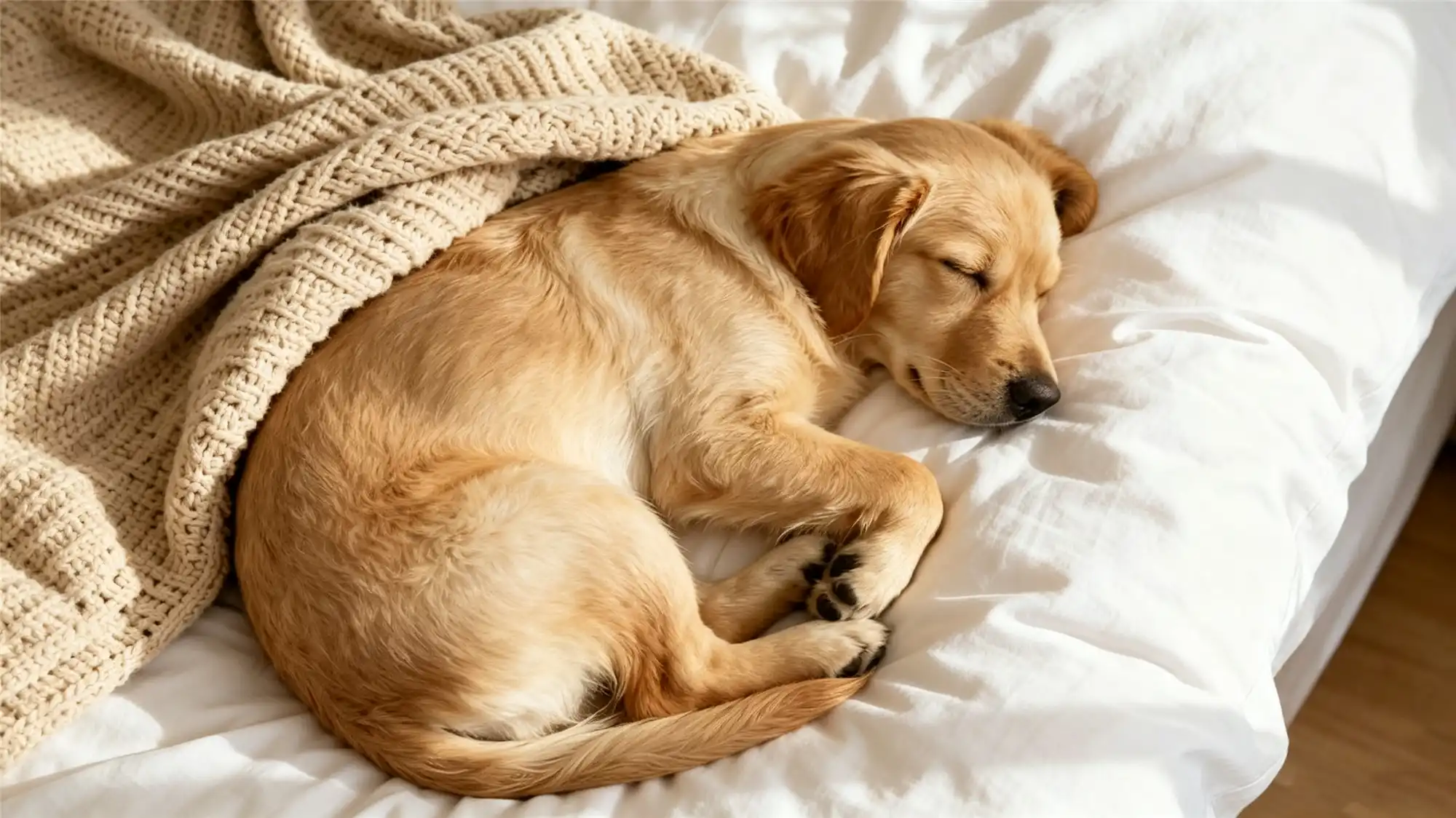
Dogs generally sleep 12 to 14 hours daily, but this varies significantly by age, breed, and activity level. Working breeds like Border Collies may sleep less, while large breeds such as Great Danes or Mastiffs can snooze up to 18 hours daily.
Age-specific sleep needs include:
- Puppies: 18-20 hours in fragmented periods to fuel their rapid development
- Adult dogs: 12-14 hours, typically split between nighttime rest and daytime naps
- Senior dogs: 16-18 hours due to lower metabolism and potential joint discomfort
The Science Behind Those Long Naps
Unlike humans, cats and dogs experience polyphasic sleep—multiple short cycles rather than one long stretch. They spend approximately 75% of sleep time in light rest, maintaining awareness of their surroundings, with only 25% in deep REM sleep.
This evolutionary trait helped wild ancestors conserve energy for hunting while remaining alert to threats. Today’s domestic pets retain this pattern, even if the only thing they’re hunting is a treat from the kitchen.
Signs Your Pet Isn’t Getting Quality Rest
Sleep quantity doesn’t always equal quality. Watch for these indicators that your furry friend needs sleep support:
- Excessive irritability or sudden aggression
- Difficulty settling down or pacing at bedtime
- Frequent position changes during sleep
- Daytime grogginess despite adequate hours
- Waking up stiff or reluctant to move
5 Ways to Improve Your Pet’s Sleep Quality
1. Invest in Orthopedic Support
Just like humans, pets need proper joint support to achieve deep sleep cycles. A high-quality memory foam pet bed reduces pressure points, particularly crucial for senior animals, large breeds prone to hip dysplasia, or pets with arthritis. For more on managing the health of older companions, see our senior pet health monitoring guide.
2. Designate a Sleep Sanctuary
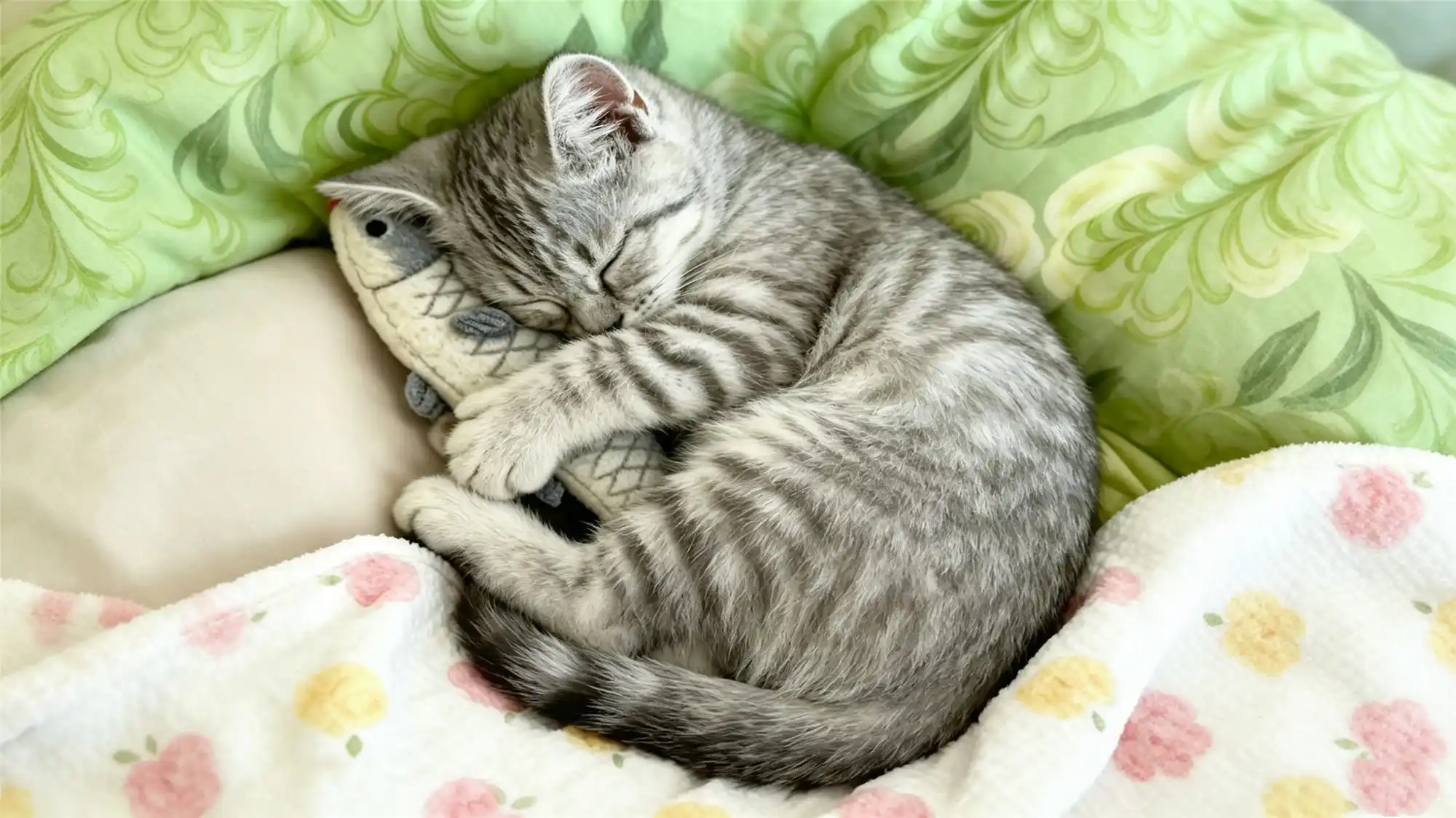
Location matters. Cats prefer elevated spots with clear sightlines of their territory, while dogs often seek enclosed, den-like spaces that trigger their ancestral nesting instincts. Choose quiet areas away from high-traffic household zones and drafty windows.
3. Maintain Consistent Routines
Pets thrive on predictability. Regular feeding times, evening walks, and bedtime rituals help regulate circadian rhythms. Try to keep sleep and wake times within the same hour daily, even on weekends.
4. Consider Temperature Regulation
Most pets sleep best in temperatures between 68-72’F (20-22’C). Provide breathable bedding for summer and insulated options for winter. Breeds with thick coats may overheat easily, while short-haired breeds need extra warmth.
5. Evaluate Co-Sleeping Arrangements
While 62% of cat owners and 45% of dog owners share their beds, this practice isn’t ideal for every pet. If your companion snores, takes up too much space, or has different sleep cycles, a premium orthopedic pet bed placed in your bedroom offers the perfect compromise between togetherness and quality rest.
When to Consult Your Veterinarian
Sudden changes in cat and dog sleep time often signal underlying health issues. Hypothyroidism, diabetes, anemia, or chronic pain can cause excessive sleeping, while anxiety, cognitive dysfunction, or sleep apnea may trigger insomnia or restlessness.
Schedule a veterinary checkup if you notice:
- Sleep duration increasing or decreasing by more than 25%
- Excessive nighttime vocalization
- Difficulty breathing during sleep
- Changes lasting longer than one week
Final Thoughts
Monitoring your pet’s sleep patterns isn’t just about counting hours—it’s about ensuring restorative rest that supports their physical health and emotional wellbeing. By providing the right combination of comfortable bedding, quiet environment, and consistent routines, you’re setting the foundation for years of energetic, happy companionship.
Remember: a well-rested pet is a healthy pet. Whether your cat needs 16 hours or your senior dog requires 18, quality sleep environment makes all the difference in their daily vitality.