 Free shipping on orders over $75 across the U.S., with different free shipping promotions available in parts of
 Europe,
 South America,
 Australia.For all other countries, please contact us before placing your order, and we'll be happy to fast-track a shipping solution for you.
Senior Pet Health Monitoring: Complete Aging Dog & Cat Care Guide

Is Your Furry Friend Entering Their Golden Years?
That moment when you notice the first gray whisker or see your once-energetic dog taking the stairs a bit slower can be bittersweet. Cats and dogs age faster than humans, and by age 7 (earlier for large breeds), most pets enter their senior life stage. But aging doesn’t have to mean suffering.
With the right senior pet health monitoring plan, you can catch early warning signs, extend your companion’s quality of life, and avoid costly emergency vet visits. Whether you have an elderly tabby or a senior Golden Retriever, this guide covers the evidence-based monitoring protocols every pet parent needs.
When Does “Senior” Begin? Understanding the Aging Timeline
Not all pets age at the same rate. Small dogs typically live longer than large breeds, while cats often outlive both. Recognizing when to shift from adult to senior care protocols is crucial.
Dog Aging Charts by Size
- Small breeds (under 20 lbs): Senior at 10-12 years
- Medium breeds (20-50 lbs): Senior at 8-9 years
- Large breeds (50+ lbs): Senior at 6-7 years
- Giant breeds: Senior as early as 5 years
Feline Aging Milestones
Cats are considered senior at 11 years and geriatric at 15. However, subtle changes in metabolism and organ function often begin around age 7, making early monitoring essential for longevity.
The Four Pillars of Senior Pet Health Monitoring
A comprehensive monitoring system tracks more than just weight. You need to observe dental health, mobility patterns, behavioral shifts, and vital signs. Here’s how to build your at-home assessment routine.
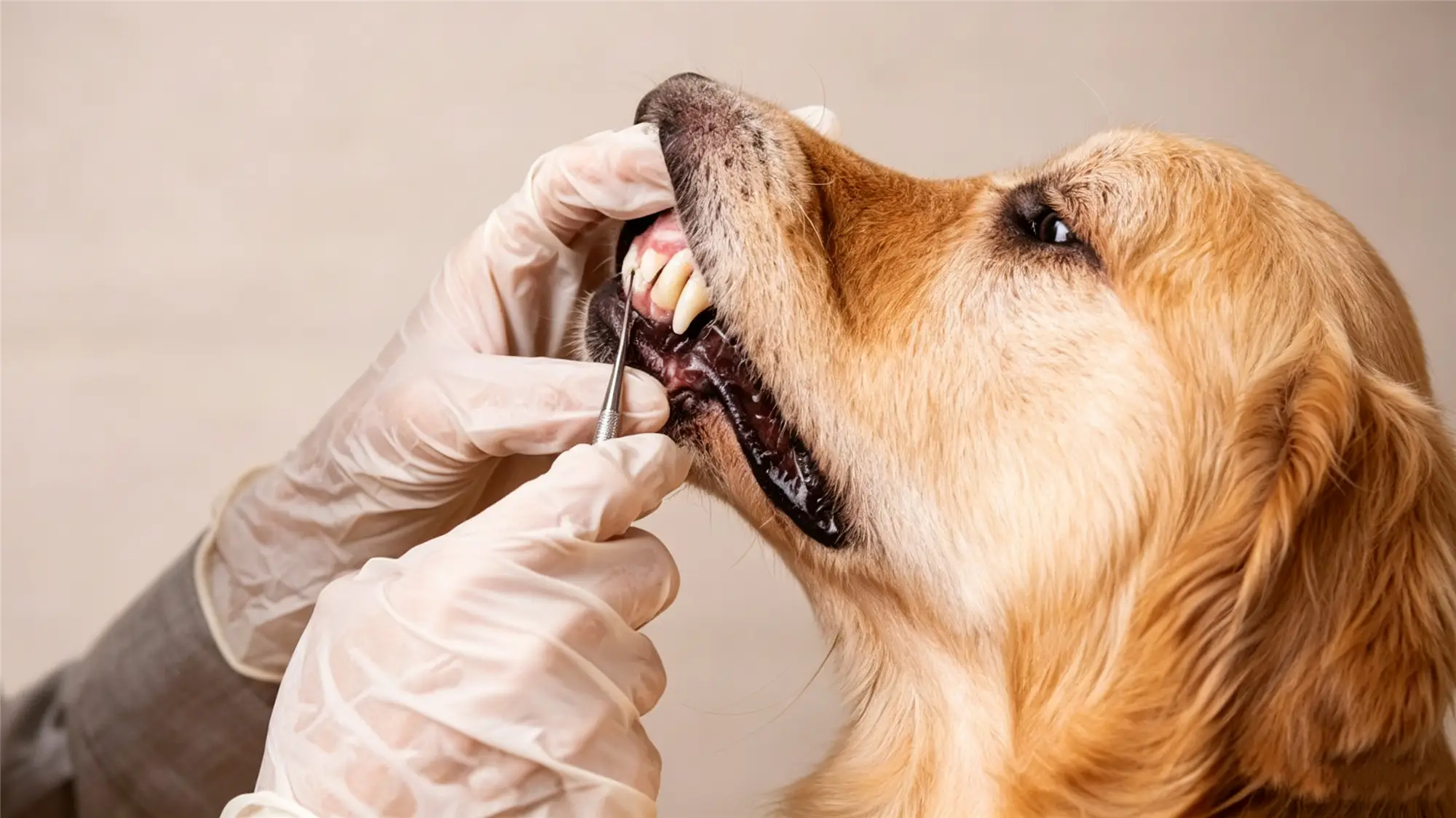
1. Oral Health: The Gateway to Systemic Wellness
Dental disease affects over 80% of dogs and 70% of cats over age 3, but the risks amplify in senior years. Periodontal disease can lead to heart, kidney, and liver complications if bacteria enter the bloodstream.
Monthly checks should include:
- Inspecting gum color (should be pink, not pale or bright red)
- Checking for broken teeth or excessive tartar buildup
- Noting bad breath that goes beyond normal “dog breath”
- Watching for dropping food or favoring one side while chewing
2. Mobility and Pain Assessment
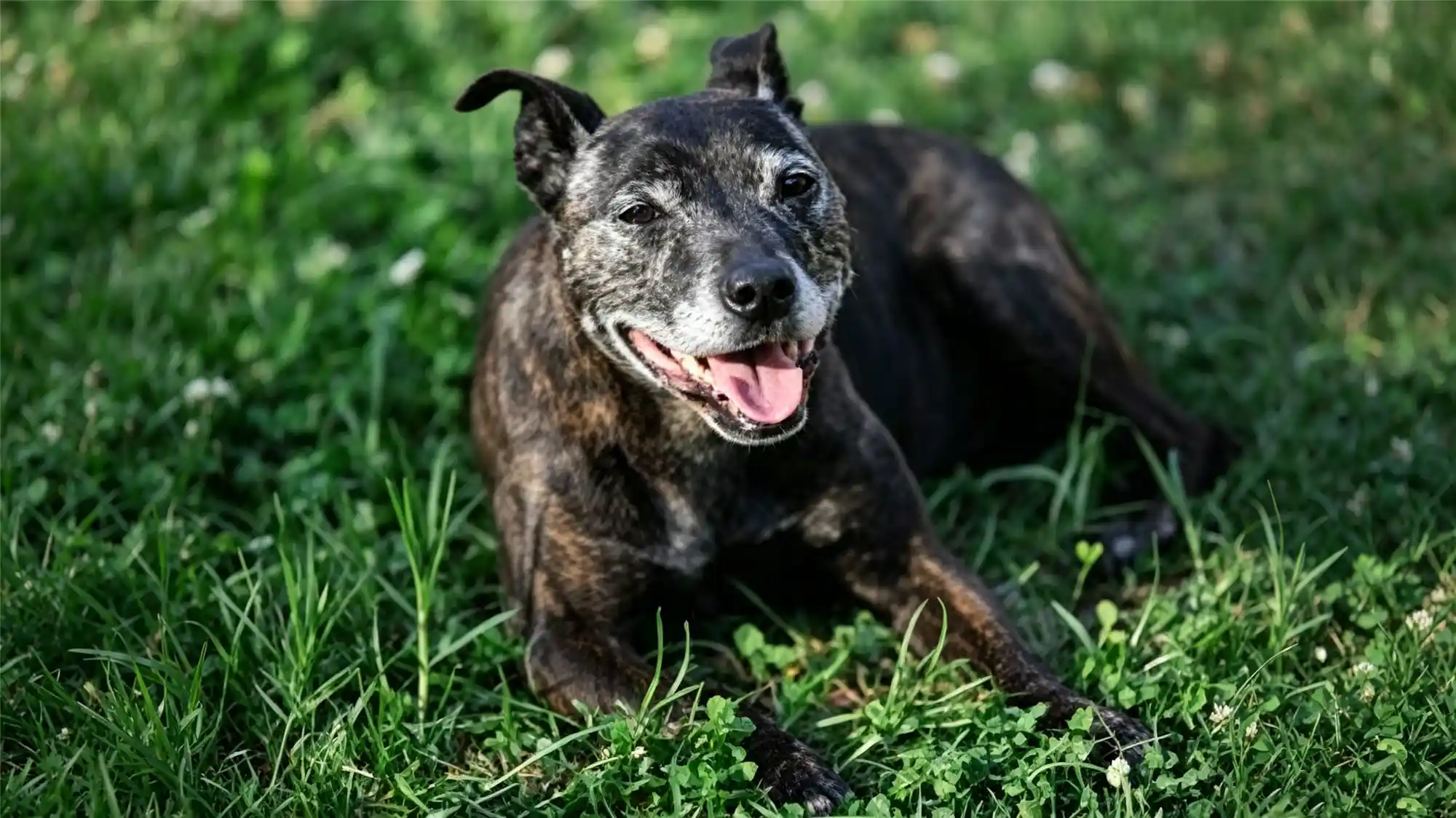
Arthritis impacts 1 in 5 dogs in the US, with numbers climbing significantly after age 8. Cats are masters at hiding pain, making observation critical.
Warning signs to track:
- Reluctance to jump onto furniture (cats) or into cars (dogs)
- Stiffness after resting that improves with movement
- Limping that comes and goes, especially in cold weather
- Changes in sleep posture or difficulty settling comfortably
Modern activity monitoring devices can track subtle decreases in daily step counts or restlessness during sleep—often the first indicators of joint discomfort before visible limping appears.
3. Cognitive Function and Behavior
Canine and feline cognitive dysfunction syndrome (CDS) is similar to dementia in humans. It affects 14% of dogs over 8 and 50% over 15. Early detection allows for management strategies that slow progression.
Behavioral red flags:
- Staring at walls or getting stuck in corners
- Changes in sleep-wake cycles (pacing at night)
- House soiling in previously trained pets
- Decreased interest in play or social interaction
- Increased anxiety or vocalization
4. Body Condition and Vital Monitoring
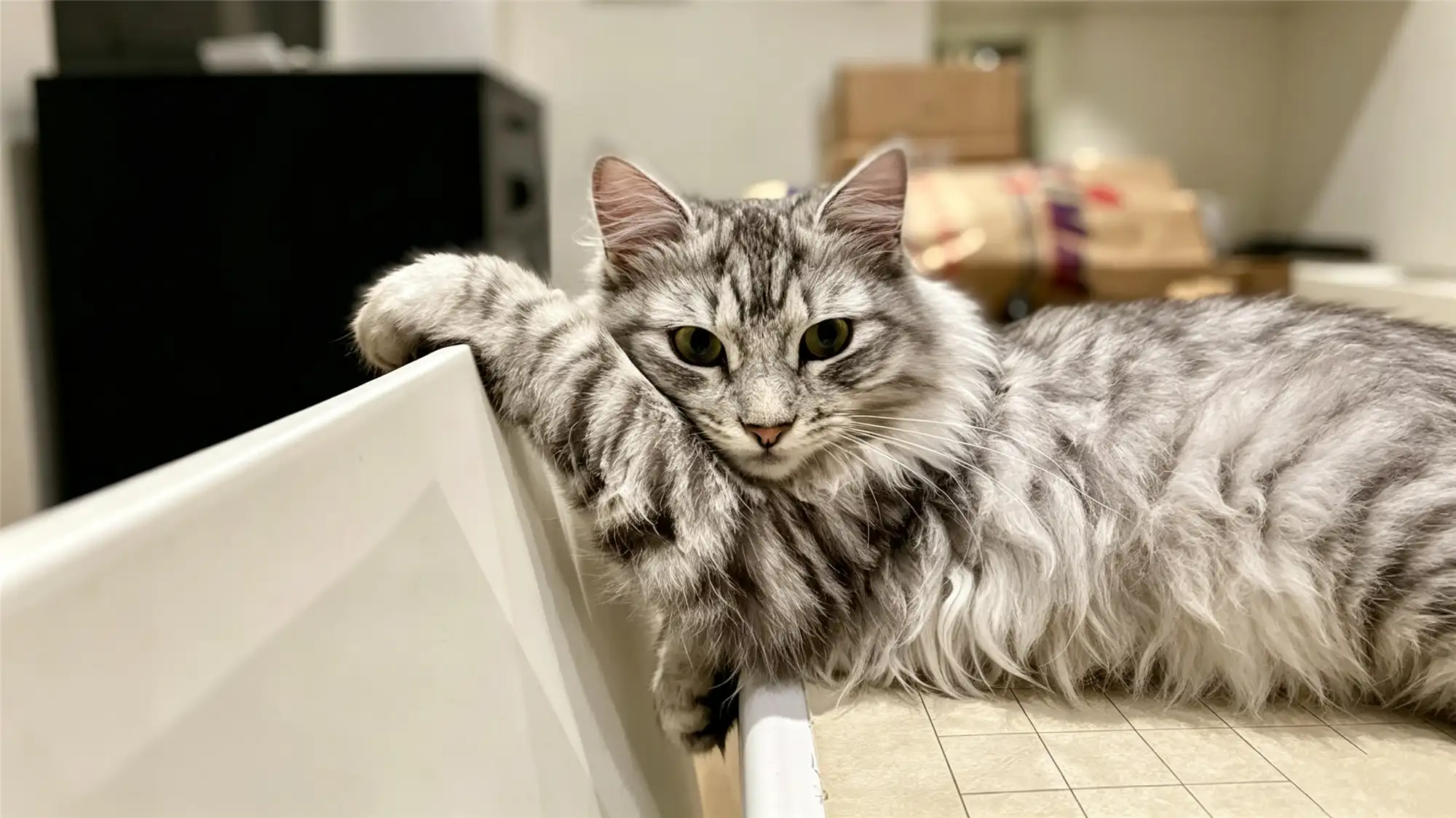
Sudden weight loss in senior pets is never normal and requires immediate veterinary attention. Conversely, obesity exacerbates joint problems and diabetes risk.
At-home monitoring toolkit:
- Monthly weight checks using a consistent scale
- Body condition scoring (you should feel ribs with slight pressure)
- Hydration tracking (skin tent test and water consumption logs)
- Respiratory rate monitoring at rest (should be 10-30 breaths per minute)
Technology-Enhanced Monitoring Solutions
Today’s pet parents have access to innovative health monitoring systems that were once available only in veterinary clinics. Smart collars can track activity levels, sleep quality, and even early signs of ear infections through head-shaking patterns.
For senior pets with chronic conditions like diabetes or kidney disease, at-home urine test kits and glucose monitors reduce vet visit stress while providing real-time data for your veterinarian.
Nutrition Adjustments for the Aging Metabolism
Senior pets have different nutritional needs:
- Protein: High-quality protein supports muscle mass, but levels may need adjustment for kidney health
- Omega-3s: EPA and DHA reduce inflammation and support cognitive function
- Antioxidants: Vitamins E and C combat cellular aging
- Fiber: Adjusted levels help with common senior issues like constipation
Consider switching to senior-specific formulas or therapeutic diets if your vet recommends them for specific health conditions.
Emergency Red Flags: When to Skip the Monitor and Call the Vet
While home monitoring is powerful, some symptoms demand immediate professional attention:
- Sudden collapse or inability to stand
- Labored breathing or blue-tinged gums
- Seizures or severe disorientation
- Refusal to eat or drink for 24+ hours
- Sudden blindness or dilated pupils
- Large volume vomiting or diarrhea with blood
Creating a Senior Pet Care Calendar
Consistency beats intensity. Set up a simple schedule:
- Daily: Appetite check, water consumption, elimination habits, and mood assessment
- Weekly: Body condition scoring and gentle joint palpation
- Monthly: Dental inspection, nail trim, and weight check
- Quarterly: Comprehensive physical exam with your veterinarian, including bloodwork for seniors
Conclusion: Every Day Counts
Senior pet care isn’t about adding years to life—it’s about adding life to years. By implementing a structured health monitoring protocol tailored to your aging dog or cat’s specific needs, you become their best advocate.
Start today. Take baseline photos of their body condition, schedule that overdue wellness exam, and invest in monitoring tools that fit your lifestyle. Your senior companion has given you their best years; now it’s time to ensure their golden years are comfortable, dignified, and full of love.