 Free shipping on orders over $75 across the U.S., with different free shipping promotions available in parts of
 Europe,
 South America,
 Australia.For all other countries, please contact us before placing your order, and we'll be happy to fast-track a shipping solution for you.
The Ultimate Guide to Airline-Approved Pet Travel and Stress-Free Flying
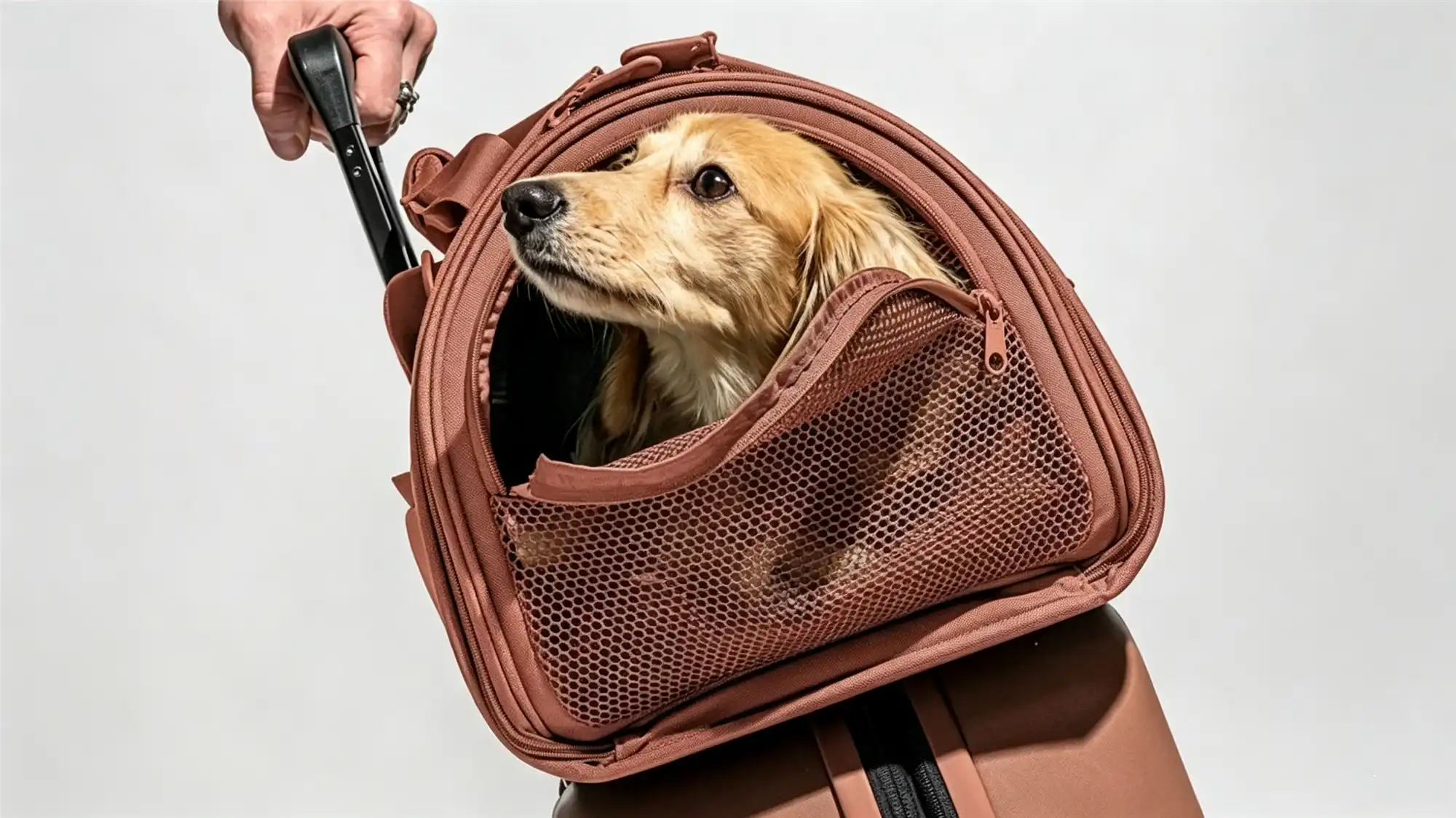
Leaving your furry family member behind isn’t always an option. Whether you’re relocating cross-country or planning an extended vacation, navigating the complexities of pet air travel requires precision planning. One documentation error or incorrectly sized carrier can result in denied boarding, turning your dream trip into an expensive nightmare.
This guide eliminates the guesswork from flying with dogs and cats, covering everything from TSA screening protocols to selecting the perfect airline-compliant carrier.
Decoding Modern Airline Pet Policies
Airlines have tightened regulations significantly over the past decade. Most major carriers now restrict in-cabin travel to dogs and cats under 20 pounds, including their carrier weight. Brachycephalic breeds—Pugs, Bulldogs, Boxers, and Persian cats—face outright bans on many airlines due to respiratory risks at altitude.
Understanding your transport options is critical:
- In-Cabin: Pet stays under the seat in front of you. Limited to small animals in soft-sided carriers.
- Checked Baggage: Pet travels in cargo hold but on the same flight. Requires hard-sided IATA-approved crates.
- Cargo: Separate freight transport for very large animals or unaccompanied shipments.
Your ticket class matters too. Basic economy seats often lack the under-seat dimensions required for pet carriers, potentially forcing an expensive last-minute upgrade at the gate.
Selecting the Right Pet Carrier: Soft vs. Hard Shell
The carrier is your pet’s sanctuary during transit. Choosing incorrectly means immediate denial of boarding, regardless of how much you paid for your ticket.
Soft-Sided Carriers for In-Cabin Travel
These flexible bags conform to under-seat spaces while maximizing interior room. Ideal for cats and small dogs up to 15 pounds traveling in the cabin.
Essential features to prioritize:
- Leak-proof bottom padding with absorbent layers
- Four-sided ventilation mesh (not just two sides)
- Structural reinforcement that won’t collapse when compressed under seats
- Seatbelt loops for safe car transfers to and from the airport
Hard-Sided Kennels for Cargo Transport
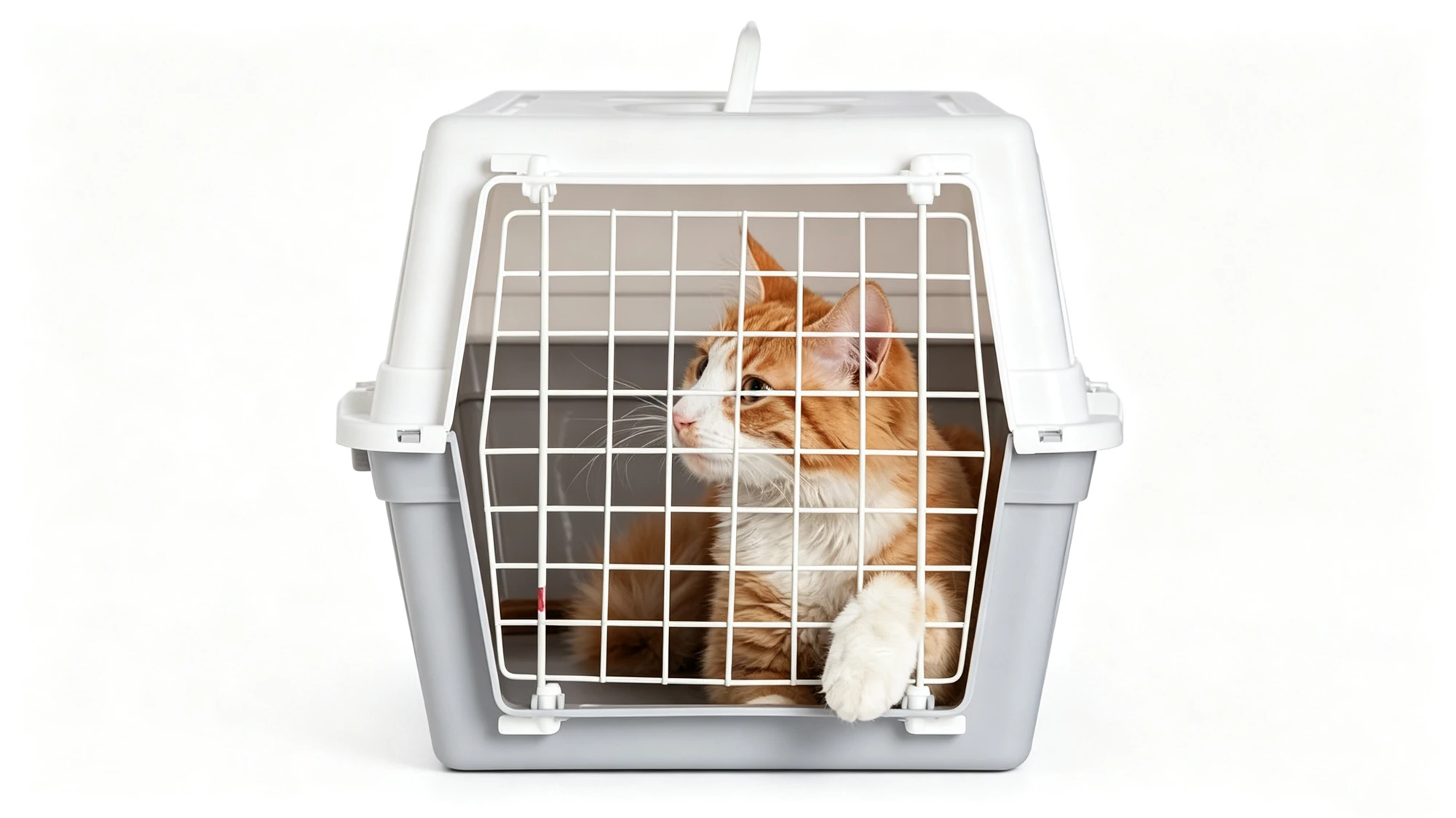
Larger pets requiring cargo transport need IATA-compliant crates with metal nut-and-bolt hardware—plastic clips inevitably snap under pressure during handling.
Non-negotiable specifications include:
- Pet must stand, turn around, and lie down naturally without touching top or sides
- Metal door with secure latching mechanism (no plastic locks)
- Live animal labels and “This Side Up” arrows on all sides
- Separate food and water bowl attachments accessible from outside
- Absorbent bedding covering the entire floor
The Pre-Flight Health & Documentation Checklist
Schedule a veterinary examination within 10 days of domestic departure, or 30 days for international flights. Required documentation varies significantly by destination:
- Domestic US flights: Health certificate signed by accredited veterinarian and current rabies vaccination certificate
- Hawaii/International: ISO-compliant microchip records, rabies blood titer tests, and quarantine reservations
- European Union: EU Health Certificate endorsed by USDA APHIS within 10 days of travel
Critical safety warning: Never sedate your pet without explicit veterinary approval. Tranquilizers suppress respiratory function and thermoregulation, creating fatal risks during cabin pressurization changes. Instead, use pheromone sprays or natural calming supplements prescribed by your vet.
Mastering Airport Navigation with Pets
Arrive 30 minutes earlier than standard recommendations. You’ll bypass regular security lines for secondary screening, where TSA officers require your pet to exit the carrier while the empty bag goes through X-ray machines.
Practice the “security shuffle” at home: place your pet on a leash or harness, walk through the metal detector holding them, then return them to the carrier immediately. Use high-value treats to create positive associations with this process.
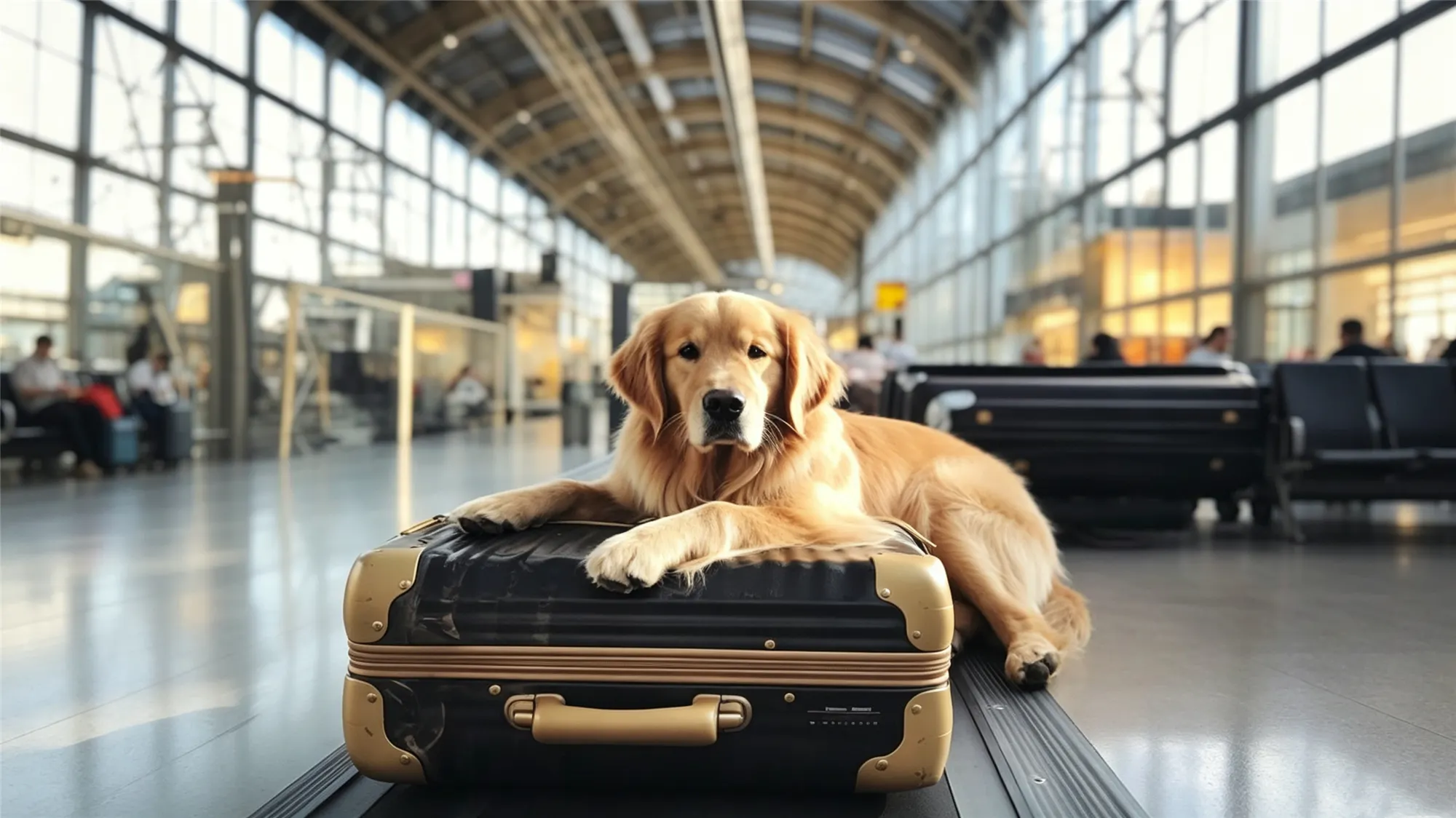
Most airports now feature pet relief areas past security checkpoints. Locate these on your terminal map before arrival—typically marked with fire hydrant symbols on airport apps.
In-Flight Safety Protocols & Anxiety Management
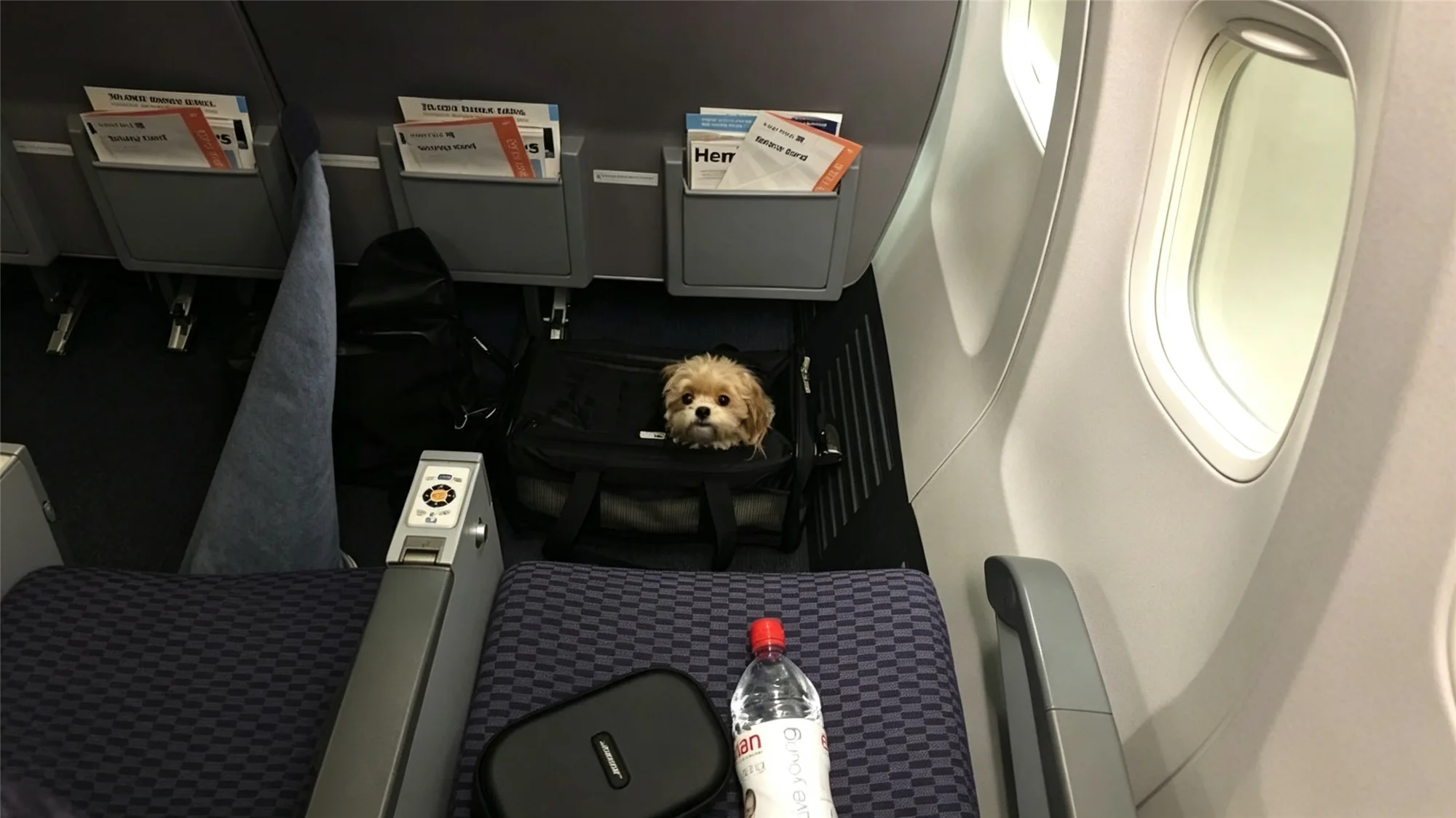
Once seated, slide the carrier completely under the seat in front of you—not the overhead compartment. The carrier must remain zipped and latched for the entire duration of the flight, including taxi and deplaning.
Monitor your pet for distress signals:
- Excessive panting or drooling beyond normal nervousness
- Destructive attempts to chew through carrier mesh
- Unusual lethargy or inability to settle
- Vocalizations that persist beyond takeoff
Offer ice cubes through the carrier mesh rather than water bowls to prevent spillage and choking hazards during turbulence.
International Travel Considerations
Country-specific regulations add layers of complexity that require months of preparation. Japan maintains strict 180-day quarantine periods for unvaccinated animals, while the United Kingdom mandates specific entry points and pre-approved transport routes.
Australia and New Zealand impose the strictest biosecurity laws globally, requiring extensive bloodwork and mandatory quarantine stays. Start research six months before departure to avoid heartbreaking delays at customs.
Final Checklist for Stress-Free Pet Air Travel
Before heading to the airport, verify:
- Carrier dimensions match your specific aircraft’s under-seat measurements
- Health certificate dates fall within airline-valid windows
- Pet’s collar displays current ID tags and destination contact information
- Backup leash and collapsible water bowl are packed in your carry-on
- Recent photos of your pet are saved on your phone (critical for lost pet protocols)
Flying with pets demands meticulous attention to detail, but the reward of arriving with your companion intact makes the preparation worthwhile. Invest in quality gear, verify documentation twice, and prioritize your pet’s comfort over convenience.