 Free shipping on orders over $75 across the U.S., with different free shipping promotions available in parts of
 Europe,
 South America,
 Australia.For all other countries, please contact us before placing your order, and we'll be happy to fast-track a shipping solution for you.
How to Increase Your Cat’s Activity Levels: A Complete Guide to Feline Health & Fitness
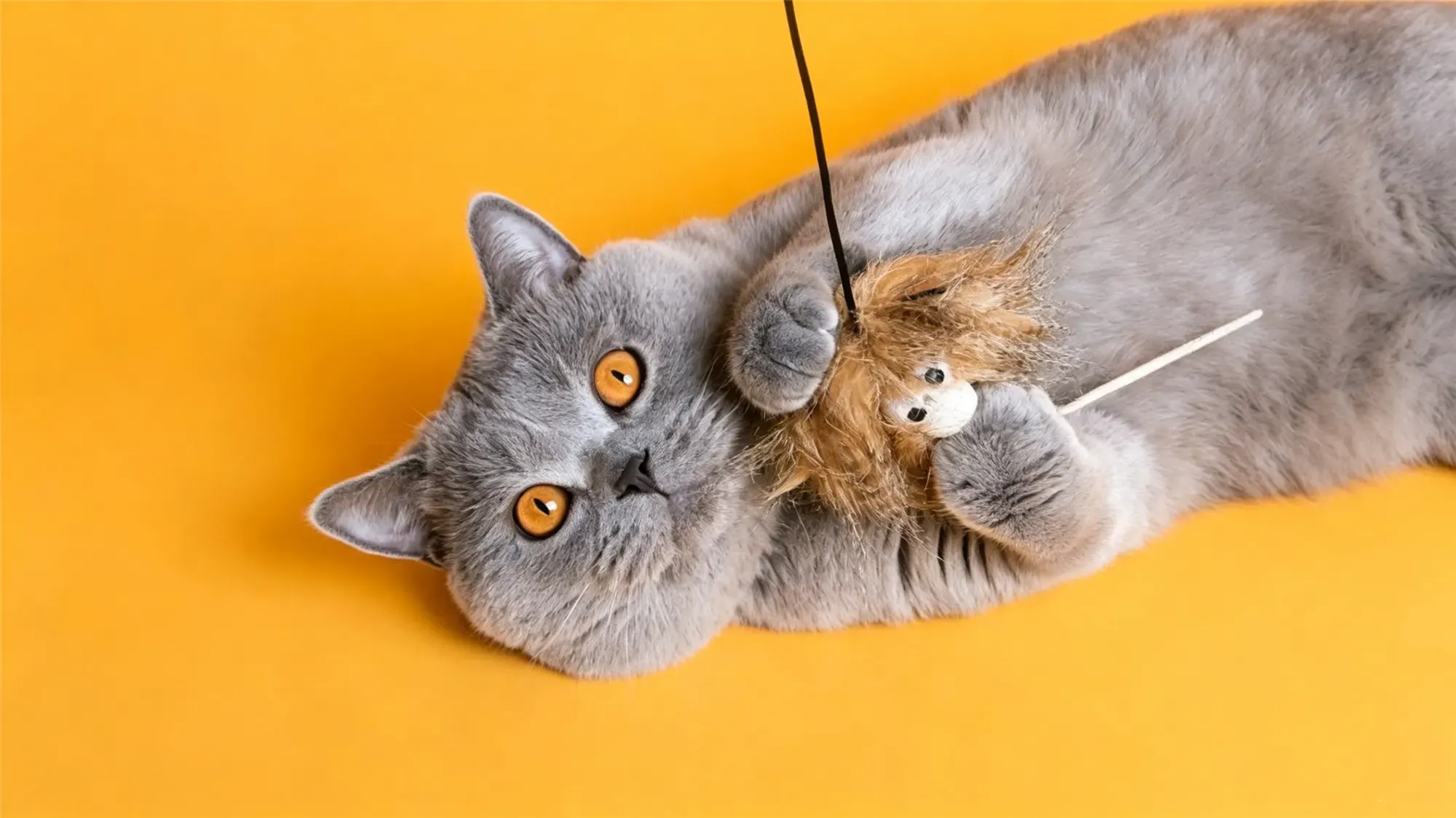
Is Your Indoor Cat Getting Enough Exercise?
Does your feline friend spend most of their day napping on the couch? You’re not alone. Studies show that nearly 60% of indoor cats are overweight or obese, primarily due to insufficient physical activity. Just like humans, cats need regular exercise to maintain optimal health, prevent chronic diseases, and live longer, happier lives.
Increasing your cat’s activity levels isn’t just about weight management—it’s about fulfilling their natural hunting instincts, reducing destructive behaviors, and strengthening your bond. Whether you have a playful kitten or a senior cat, this guide will show you practical, vet-approved strategies to boost your cat’s daily movement safely and effectively.
Why Cat Activity Levels Matter for Long-Term Health
Physical inactivity in cats leads to serious health complications. When cats don’t burn enough calories through play and exploration, they risk developing diabetes mellitus, osteoarthritis, heart disease, and hepatic lipidosis. Beyond physical health, bored, under-stimulated cats often develop behavioral issues like aggression, excessive grooming, or inappropriate elimination.
Regular feline exercise provides multiple benefits:
- Weight management: Burns excess calories and maintains lean muscle mass
- Mental stimulation: Prevents cognitive decline and reduces anxiety
- Joint health: Keeps joints lubricated and prevents stiffness
- Behavioral wellness: Reduces nighttime zoomies and destructive scratching
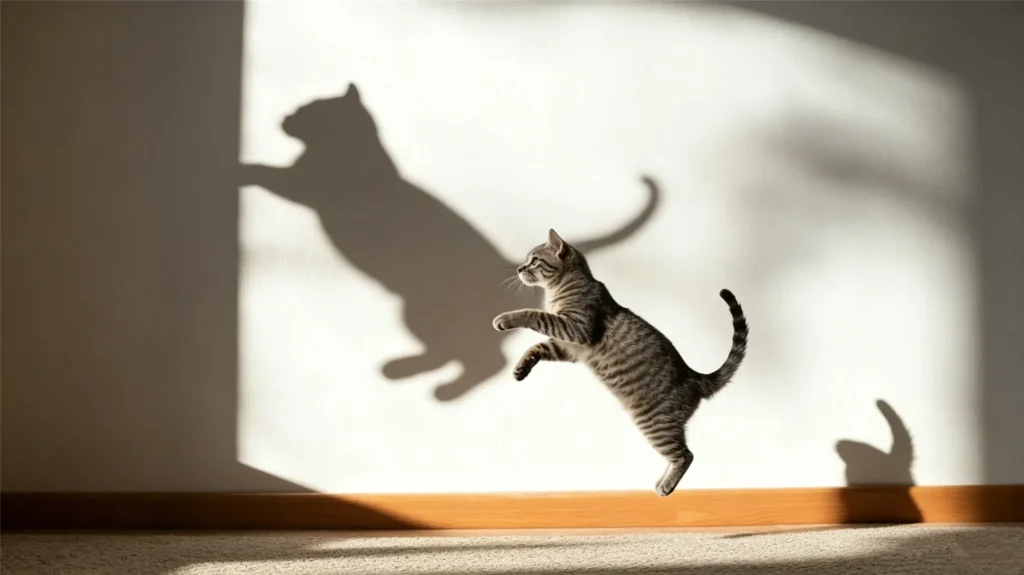
Warning Signs Your Cat Needs More Activity
Many pet parents don’t realize their cat is sedentary until weight gain becomes obvious. Watch for these subtle indicators that your cat’s activity levels are too low:
- Sleeping more than 16-18 hours daily with deep lethargy
- Difficulty jumping onto familiar furniture or countertops
- Persistent begging for food despite adequate portions
- Over-grooming or pulling out fur due to stress
- Aggressive play biting or attacking ankles unprovoked
If you notice these signs, it’s time to implement a structured activity plan. The good news? Cats don’t need marathon training sessions—just 10-15 minutes of focused play twice daily can transform their health.
5 Proven Strategies to Boost Your Cat’s Daily Activity
1. Engage in Interactive Wand Toy Play
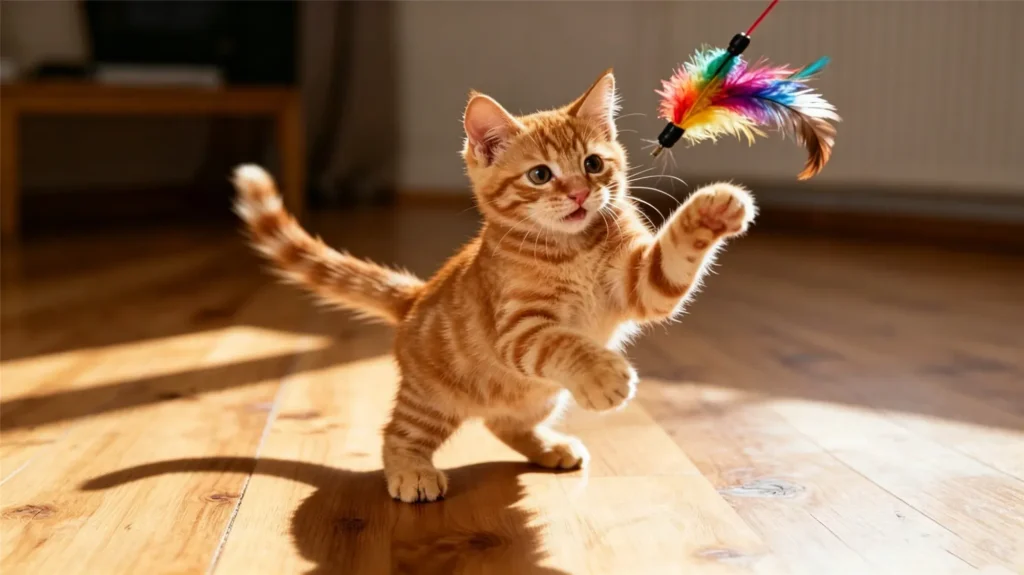
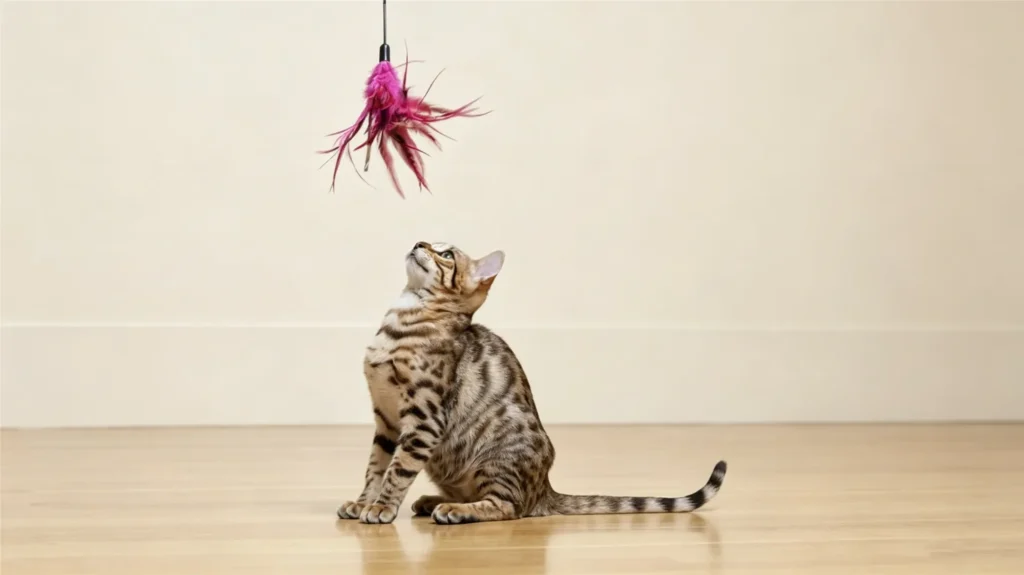
Cats are ambush predators. They crave the thrill of stalking, chasing, and capturing prey. Wand toys with feathers or dangling lures mimic bird or insect movements, triggering your cat’s hunting instincts. Move the toy erratically—avoid dragging it in predictable circles. Let your cat “catch” the prey occasionally to prevent frustration.
Pro tip: Schedule play sessions during dawn and dusk when cats are naturally most active. This helps prevent those 3 AM wake-up calls!
2. Create Vertical Territory
Cats love observing their domain from high vantage points. Vertical space encourages jumping, climbing, and balancing—excellent forms of feline exercise. Install wall-mounted shelves, tall cat trees, or window perches to create a “cat highway” around your room.
For senior cats with mobility issues, provide step-stools or ramps to lower surfaces. This maintains their activity level without straining arthritic joints.
3. Use Food Puzzles and Foraging Toys
Transform mealtime into workout time. Instead of free-feeding from a bowl, use puzzle feeders, treat balls, or snuffle mats. These devices require your cat to bat, roll, or dig to access their food, extending meal duration from 2 minutes to 15-20 minutes of active problem-solving.
Start with easy puzzles if your cat is new to foraging. Gradually increase difficulty as they master each level. This mental workout is just as tiring as physical play.
4. Rotate Toys to Maintain Interest
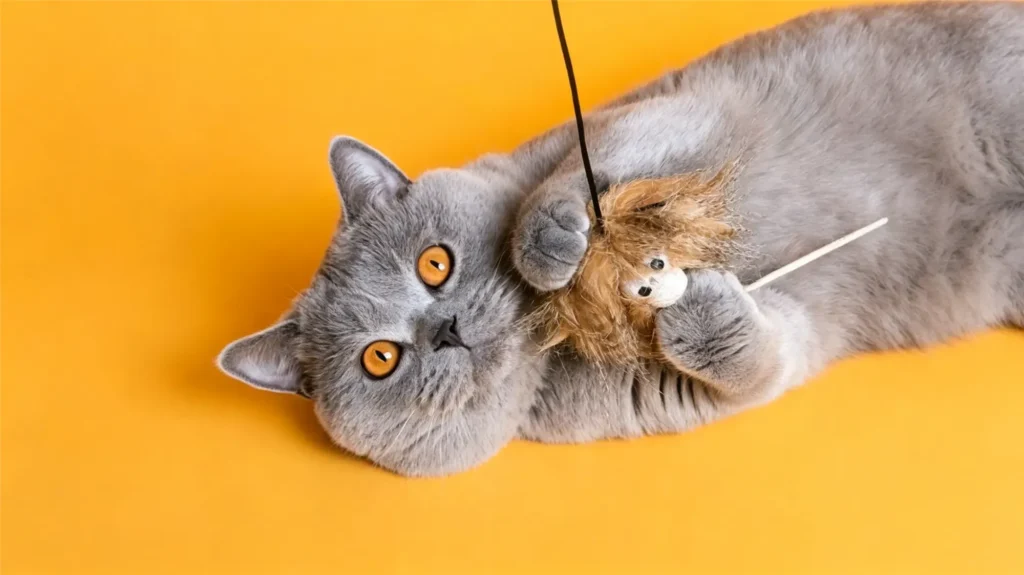
Cats suffer from “toy fatigue” just like children. If that mouse toy sits untouched for weeks, it’s not broken—it’s just boring. Create a toy rotation system:
- Keep 5-6 toys available at any time
- Store others out of sight
- Swap toys every 3-4 days to reignite curiosity
- Introduce new textures: crinkle balls, springs, motorized bugs
Even simple household items like paper bags (handles removed for safety) or cardboard boxes can provide hours of exploration and hiding practice.

5. Establish a Consistent Play Routine
Cats are creatures of habit. Consistency helps them anticipate and prepare for activity. Aim for two structured play sessions daily:
- Morning session: 10-15 minutes before you leave for work
- Evening session: 10-15 minutes before bedtime to tire them out
Use high-value toys reserved only for these sessions. If you have multiple cats, ensure each gets individual attention to prevent one dominant cat from monopolizing playtime.
Age-Specific Activity Guidelines
Kittens (Under 1 Year)
Kittens have boundless energy but short attention spans. Offer 5-7 mini play sessions throughout the day. Use softer toys to protect their developing teeth and claws. Avoid laser pointers which can cause obsession without satisfaction; always end with a tangible “catch.”
Adult Cats (1-10 Years)
This group benefits most from structured routine. Focus on high-intensity interval play—fast chasing followed by brief rest periods. Incorporate climbing elements to build core strength. Monitor weight monthly; even a 0.5 lb gain matters in feline health.
Senior Cats (10+ Years)
Older cats need gentle, joint-friendly movement. Use slower-moving toys that don’t require sharp twists or jumps. Heated beds near play areas soothe stiff muscles post-exercise. Never force activity; let them set the pace.
Measuring Success: Is Your Cat Getting Healthier?
Track these metrics over 4-6 weeks to gauge improvement:
- Body condition: You should feel ribs with slight padding, see a waistline from above
- Energy levels: More voluntary play, less listless staring
- Sleep quality: Deeper rest during naps, not constant dozing
- Mobility: Easier jumping, confident stair navigation
Consult your veterinarian before starting any exercise regimen if your cat has existing health conditions like heart disease or severe arthritis.
Start Small, Think Big
Transforming your cat from couch potato to active athlete doesn’t happen overnight. Start with just one 10-minute play session daily. Gradually increase duration and intensity as your cat builds stamina. Remember: every pounce, stalk, and sprint contributes to better feline health.
By prioritizing your cat’s activity levels today, you’re investing in years of healthy companionship. Your cat’s wild instincts are still there—sometimes they just need the right toy, the right environment, and the right encouragement to rediscover their inner hunter.