 Free shipping on orders over $75 across the U.S., with different free shipping promotions available in parts of
 Europe,
 South America,
 Australia.For all other countries, please contact us before placing your order, and we'll be happy to fast-track a shipping solution for you.
Lizard Sudden Death: Key Causes and Warning Signs You Might Be Ignoring
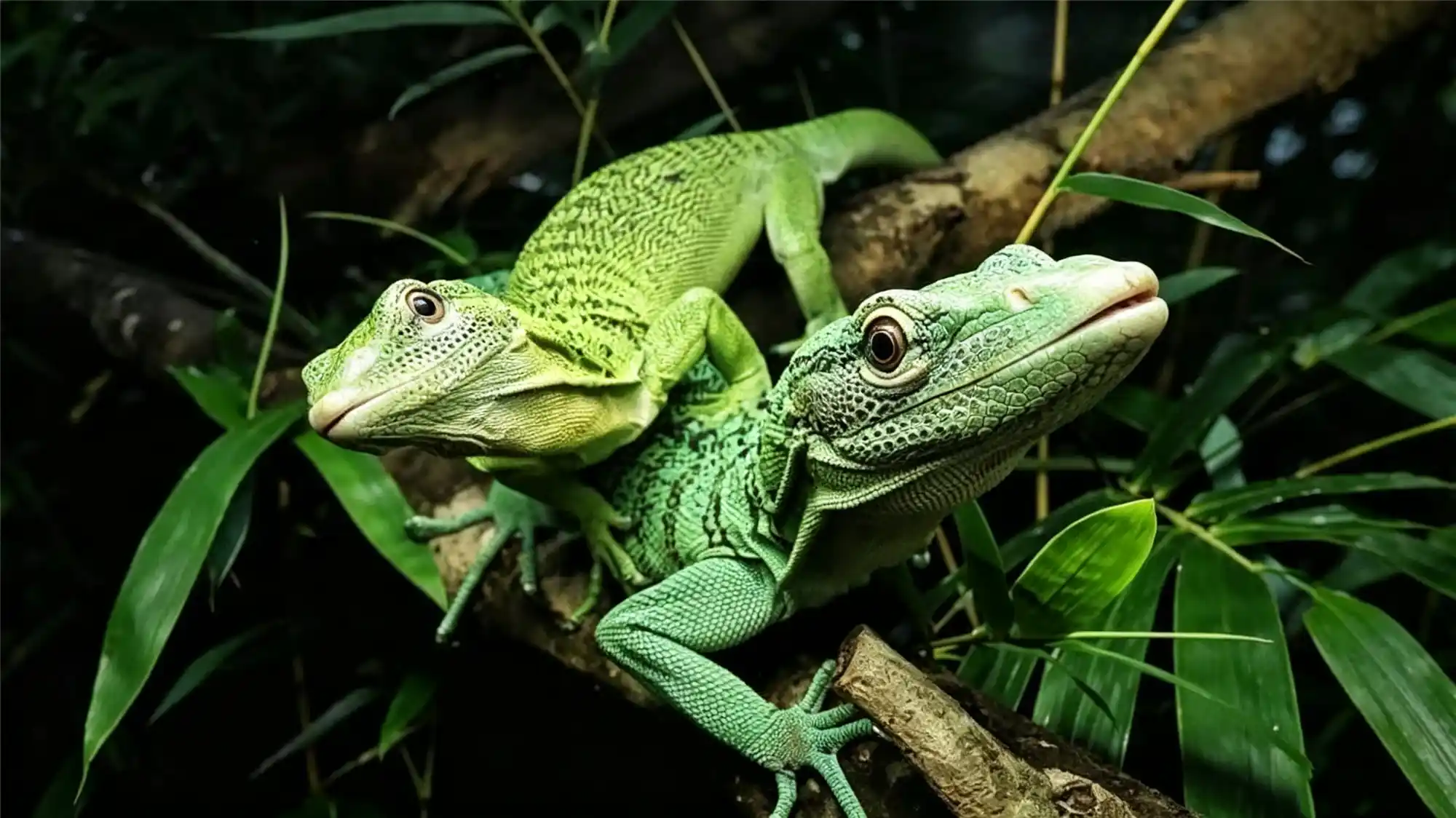
Finding your beloved pet lizard lifeless without warning is devastating. Whether you cared for a bearded dragon, leopard gecko, or green anole, sudden lizard death often leaves owners heartbroken and confused, wondering where things went wrong.
The truth? Reptiles are masters at hiding illness. By the time symptoms become visible, it is often too late. Understanding the root causes of sudden reptile mortality can help you process what happened and, more importantly, prevent future tragedies.
Common Causes of Sudden Death in Pet Lizards
While lizards can live 10-20 years with proper care, several hidden factors trigger rapid decline. Here are the most common culprits behind unexpected lizard death:
1. Thermal Shock and Temperature Extremes
As ectotherms, lizards depend entirely on external heat sources. A malfunctioning heat lamp during winter or a ceramic heater left unchecked can create lethal conditions within hours.
- Heat stroke: Temperatures above 95°F (35°C) for most species cause neurological damage
- Cold stunning: Drops below 65°F (18°C) shut down digestive and immune systems
- No gradient: Lack of temperature zones forces lizards into constant thermal stress
2. Metabolic Bone Disease (MBD) and Calcium Crisis
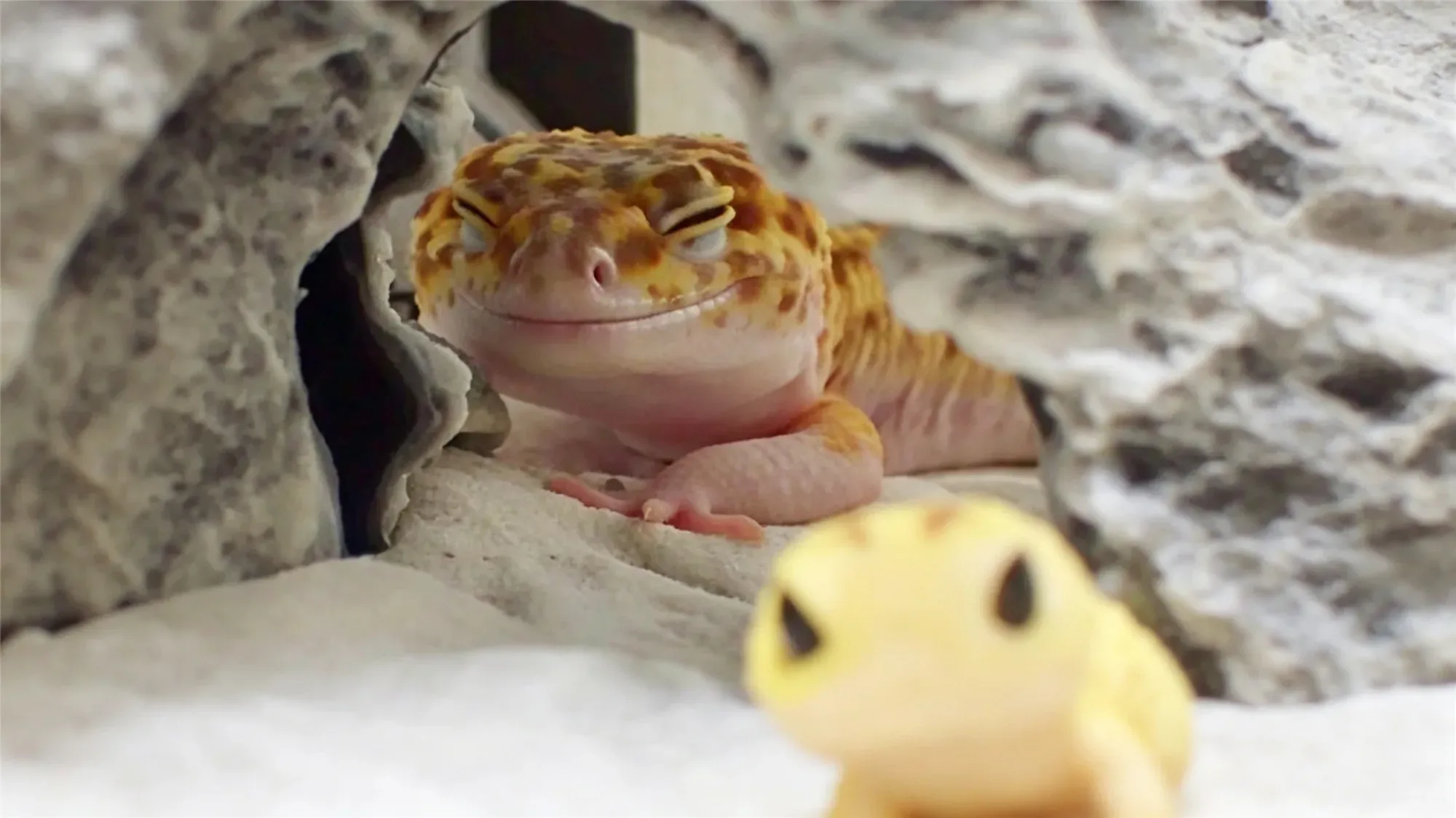
MBD is the silent killer of pet lizards. Without adequate UVB lighting and calcium supplementation, a lizard’s body begins leaching minerals from its own bones.
Advanced MBD causes:
- Spontaneous fractures
- Seizures and tremors
- Organ failure due to calcium depletion
Many owners only notice the “rubber jaw” or soft bones when the disease is terminal.
3. Parasitic Infections and Bacterial Sepsis
Wild-caught lizards often carry heavy parasite loads. Even captive-bred specimens can develop bacterial infections from contaminated substrate or prey items.
Internal parasites like coccidia or pinworms multiply rapidly when the immune system is compromised, leading to:
- Sudden weight loss despite normal eating
- Bloody diarrhea
- Systemic organ failure within 24-48 hours
4. Impaction and Digestive Catastrophe
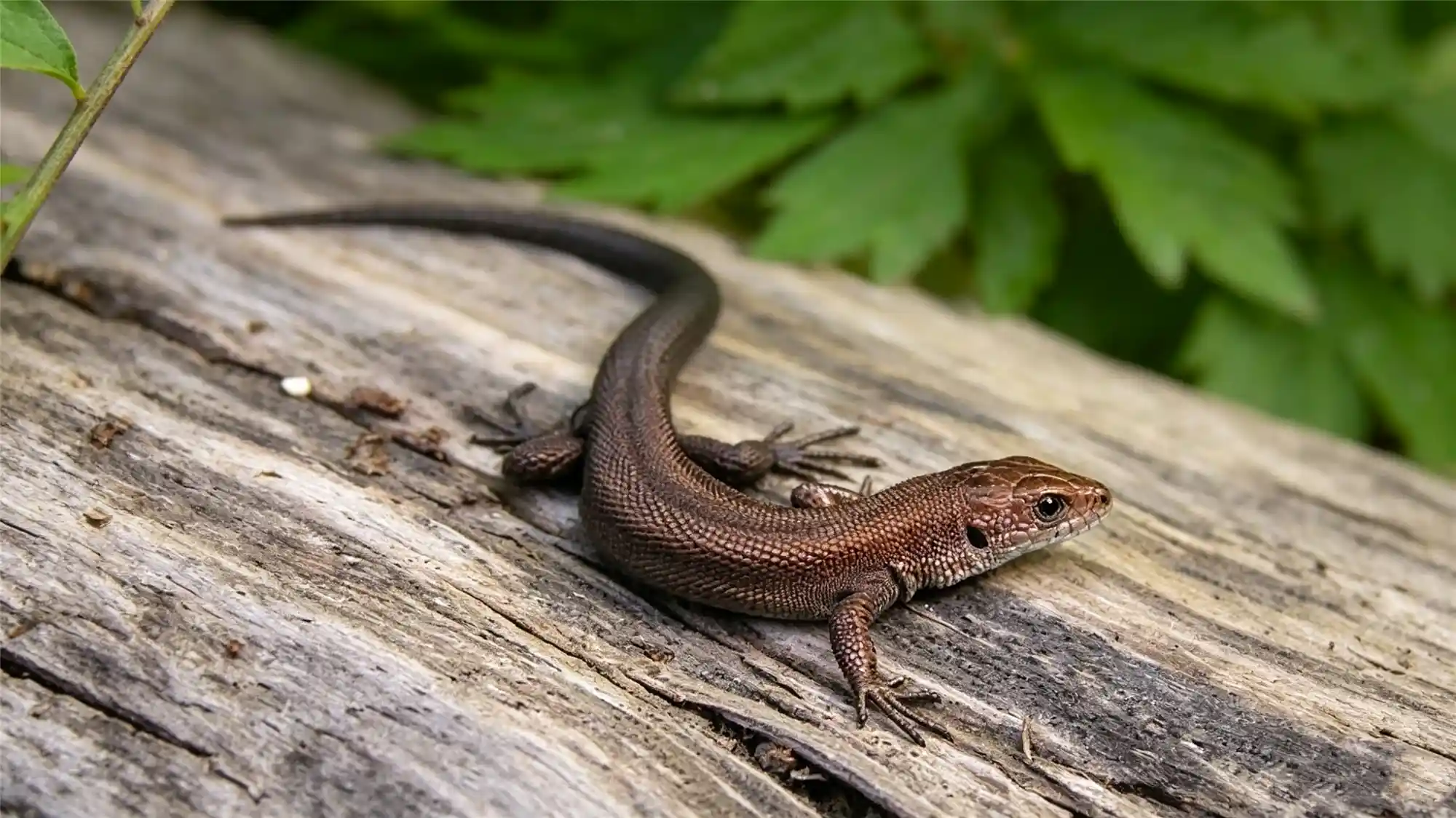
Ingesting loose substrate—such as calcium sand, walnut shells, or wood chips—creates intestinal blockages. Unlike mammals, lizards cannot vomit effectively to clear obstructions.
Warning signs of fatal impaction include:
- Visible straining without defecation
- Swollen, hard abdomen
- Lethargy followed by sudden collapse
5. Stress-Induced Immunosuppression
Chronic stress floods a lizard’s bloodstream with cortisol, effectively shutting down immune function. Common stressors include:
- Overhandling (especially for new arrivals)
- Inappropriate enclosure size or lack of hiding spots
- Co-habitation aggression (even in “social” species)
Stress-related death often appears “sudden” but results from weeks of declining health.
Warning Signs You Might Have Missed
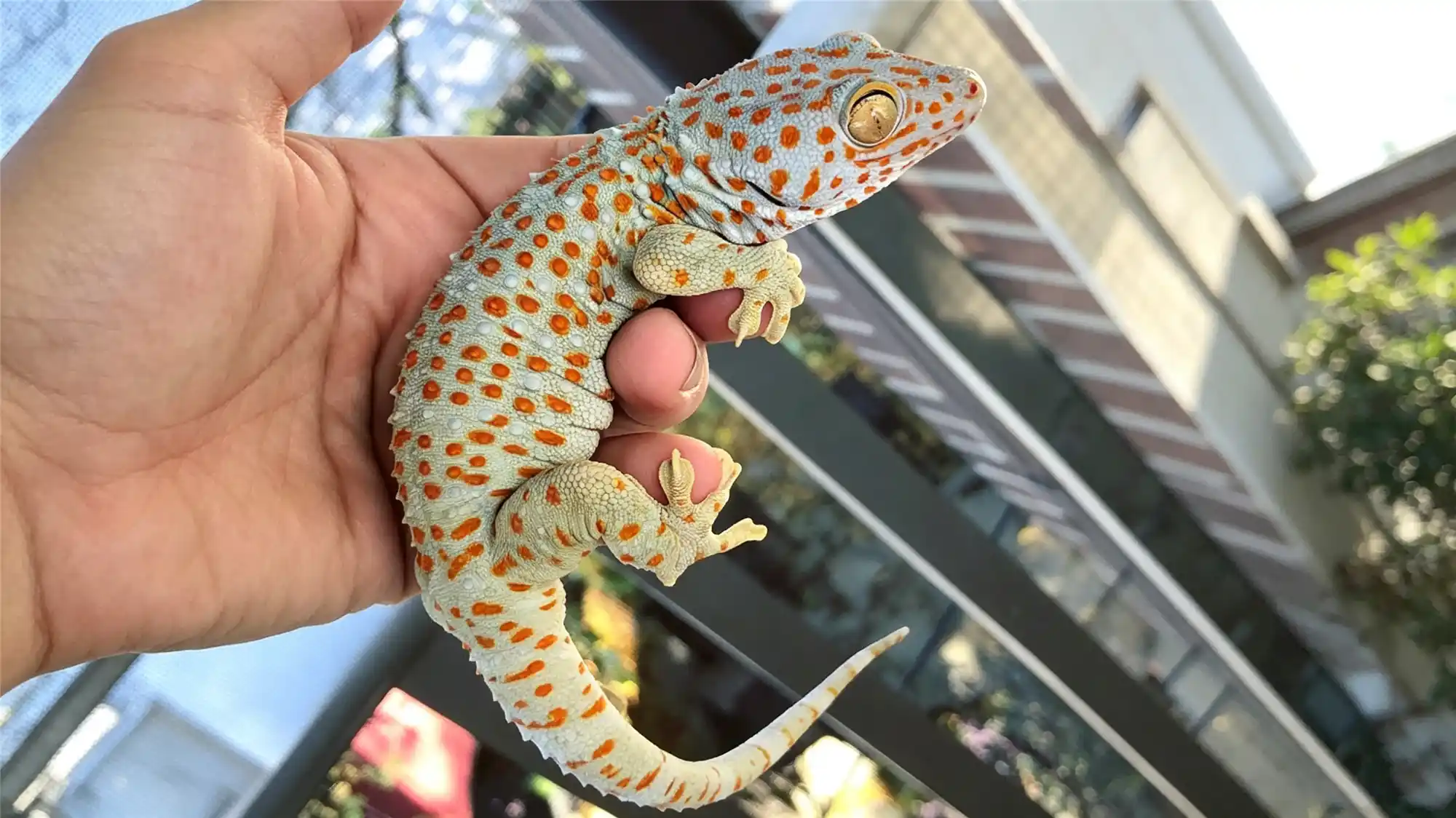
Reptiles hide illness instinctively to avoid predation. However, subtle behavioral changes often precede sudden death by days or weeks:
- Appetite changes: Refusing food for more than three days (insectivores) or a week (herbivores)
- Respiratory distress: Open-mouth breathing, clicking sounds, or mucus bubbles
- Postural abnormalities: Limping, dragging limbs, or inability to right themselves
- Skin discoloration: Darkening, dullness, or unusual spots indicating septicemia
Immediate Steps After Sudden Lizard Death
If your pet lizard died unexpectedly, proper handling provides closure and protects future pets:
- Preserve the body: Refrigerate (do not freeze) if you plan to request a necropsy from an exotic veterinarian
- Document everything: Photograph the enclosure setup, temperature readings, and any physical abnormalities
- Quarantine the enclosure: Remove and sterilize all decor with veterinary-grade disinfectants
- Test your husbandry: Verify thermostat accuracy and UVB bulb output (which degrades before visible light fails)
Prevention: Protecting Your Next Reptile Companion
Sudden death is rarely truly random. Implement these protocols to safeguard future lizards:
- Invest in redundancy: Use digital thermometers with alarms and backup heat sources
- Quarantine new arrivals: Isolate new lizards for 90 days and require fecal testing from breeders
- Species-specific research: A bearded dragon’s needs differ radically from a crested gecko’s requirements. For detailed guidance, see our comprehensive pet lizard care guide.
- Regular wellness exams: Annual checkups with an ARAV-certified reptile veterinarian catch subclinical issues
Final Thoughts
Losing a pet lizard suddenly is painful, but understanding these common causes transforms grief into actionable knowledge. Most sudden deaths stem from preventable husbandry errors—temperature failures, nutritional gaps, or undiagnosed infections that proper vigilance would catch.
Before bringing another scaly friend home, audit your setup completely. The best memorial to a lost pet is providing expert-level care to the next one.