 Free shipping on orders over $75 across the U.S., with different free shipping promotions available in parts of
 Europe,
 South America,
 Australia.For all other countries, please contact us before placing your order, and we'll be happy to fast-track a shipping solution for you.
How Do Cats Choose Their Mates? The Science Behind Feline Attraction & Selection
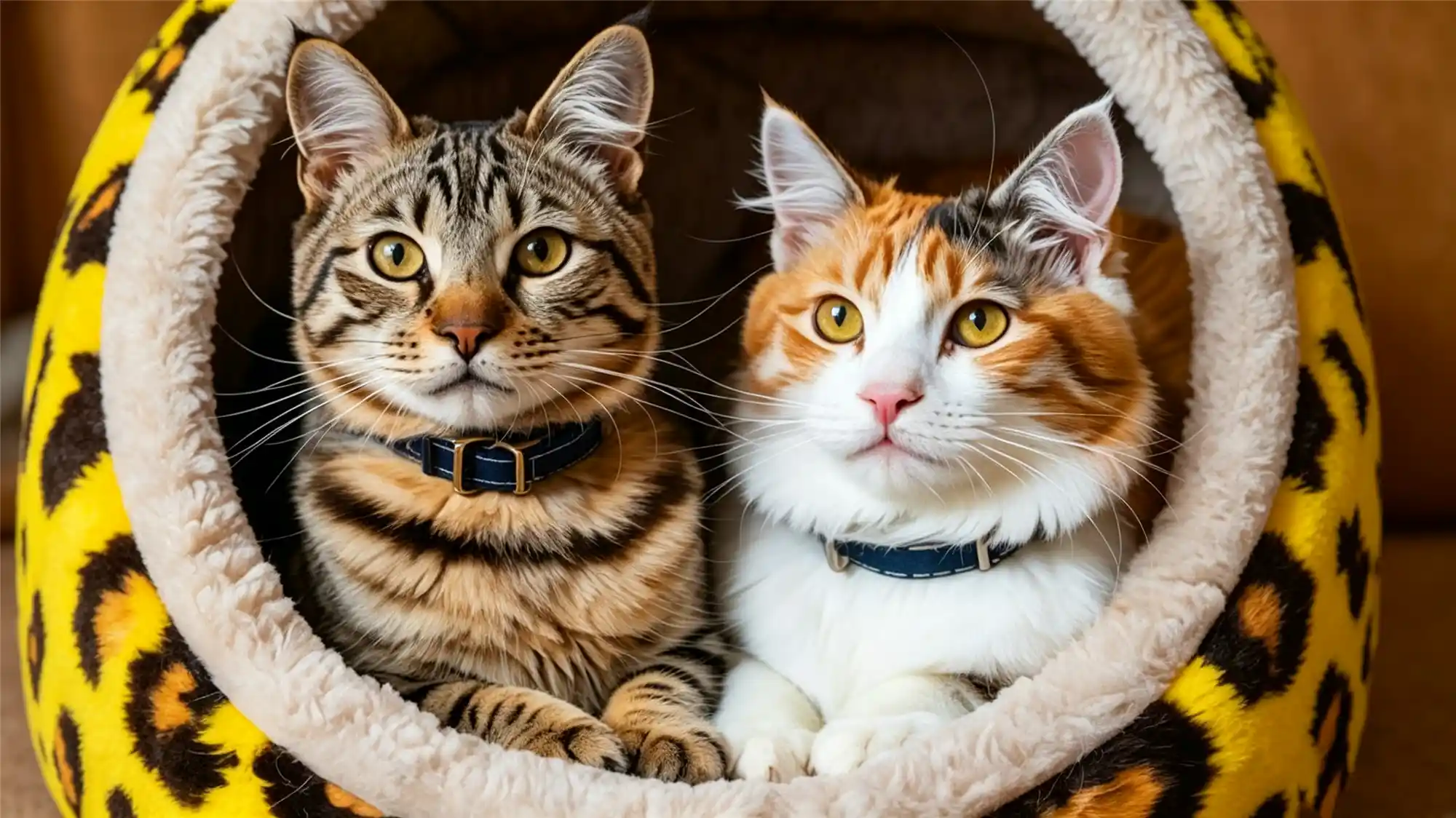
Have you ever wondered why your cat seems interested in some neighborhood felines while completely ignoring others? Unlike humans swiping through dating apps, cats rely on ancient biological instincts to select their partners. Understanding how cats choose mates isn’t just fascinating biology—it’s essential for breeders and pet owners managing multi-cat households.
From invisible chemical signals to dramatic courtship rituals, feline mate selection is far more complex than most people realize. Let’s decode the mysterious world of cat attraction.
The Chemistry of Cat Attraction: It’s All About Scent
While humans prioritize visual appeal, cats operate on a chemical level. Their mate selection process begins long before physical contact occurs.
Pheromones: The Invisible Love Letters
Female cats in heat release powerful pheromones that can attract males from miles away. These chemical signals communicate:
- Reproductive readiness
- Genetic compatibility
- Current health status
Male cats possess a specialized organ called the vomeronasal organ (Jacobson’s organ) that detects these subtle chemical cues. When you see a male cat ‘flehming’—lifting his upper lip and opening his mouth—he’s actually analyzing these mating signals.
The MHC Gene Complex
Research shows cats unconsciously seek partners with different Major Histocompatibility Complex (MHC) genes. This genetic diversity ensures healthier offspring with stronger immune systems. Essentially, nature programmed cats to avoid inbreeding through scent-based genetic screening.
Visual and Behavioral Courtship Signals
Once chemical compatibility is established, cats move to visual assessment. Body language plays a crucial role in whether a female accepts or rejects a suitor.
Female Selection Criteria
Female cats are notoriously selective. During estrus (heat), they evaluate potential mates based on:
- Physical strength: Males must demonstrate robust health
- Grooming habits: Clean cats signal good health
- Vocalization quality: Deep yowls indicate larger size
- Territorial dominance: Control of prime hunting grounds
- Read more healthy cat guides
Male Display Behaviors
Tomcats compete for attention through elaborate displays:
- Rubbing scent glands on territory markers
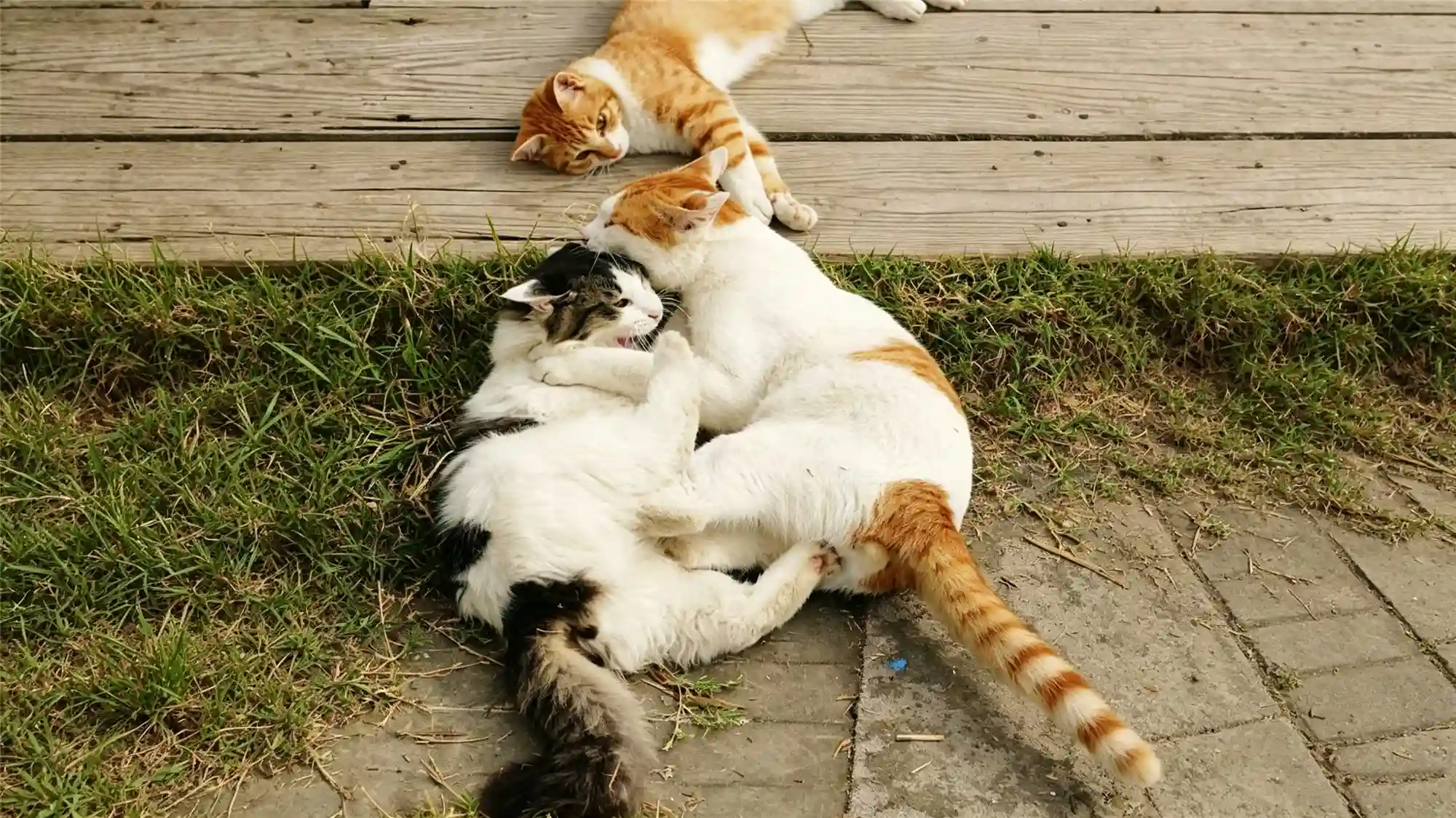
- Engaging in ritualized fighting with rival males
- Producing loud mating calls (caterwauling)
- Bringing gifts (often prey) to the female
The Power Dynamic: Why Females Make the Final Choice
Unlike many species where males dominate mating, female cats hold absolute veto power. If a female isn’t interested, no amount of male persistence will change her mind.
This selectivity ensures that only the strongest, healthiest males pass on their genes. A female may accept multiple partners during a single heat cycle, which explains why litters can have multiple fathers—a phenomenon called superfecundation.
Rejection Behaviors
When unimpressed, females display clear rejection signals:
- Hissing and swatting
- Lying down with tail wrapped protectively
- Walking away from the male
- Aggressive vocalizations
Domestic vs. Wild: How Environment Changes Selection
Indoor cats and feral cats approach mating differently. Understanding these distinctions helps pet owners create appropriate environments.
Domestic cats often form long-term pair bonds when spaying/neutering isn’t practiced, showing preferences for specific partners over time. This contrasts with the more promiscuous behavior seen in feral colonies where survival demands frequent mating with multiple partners.
Helping Your Cat Find the Right Match
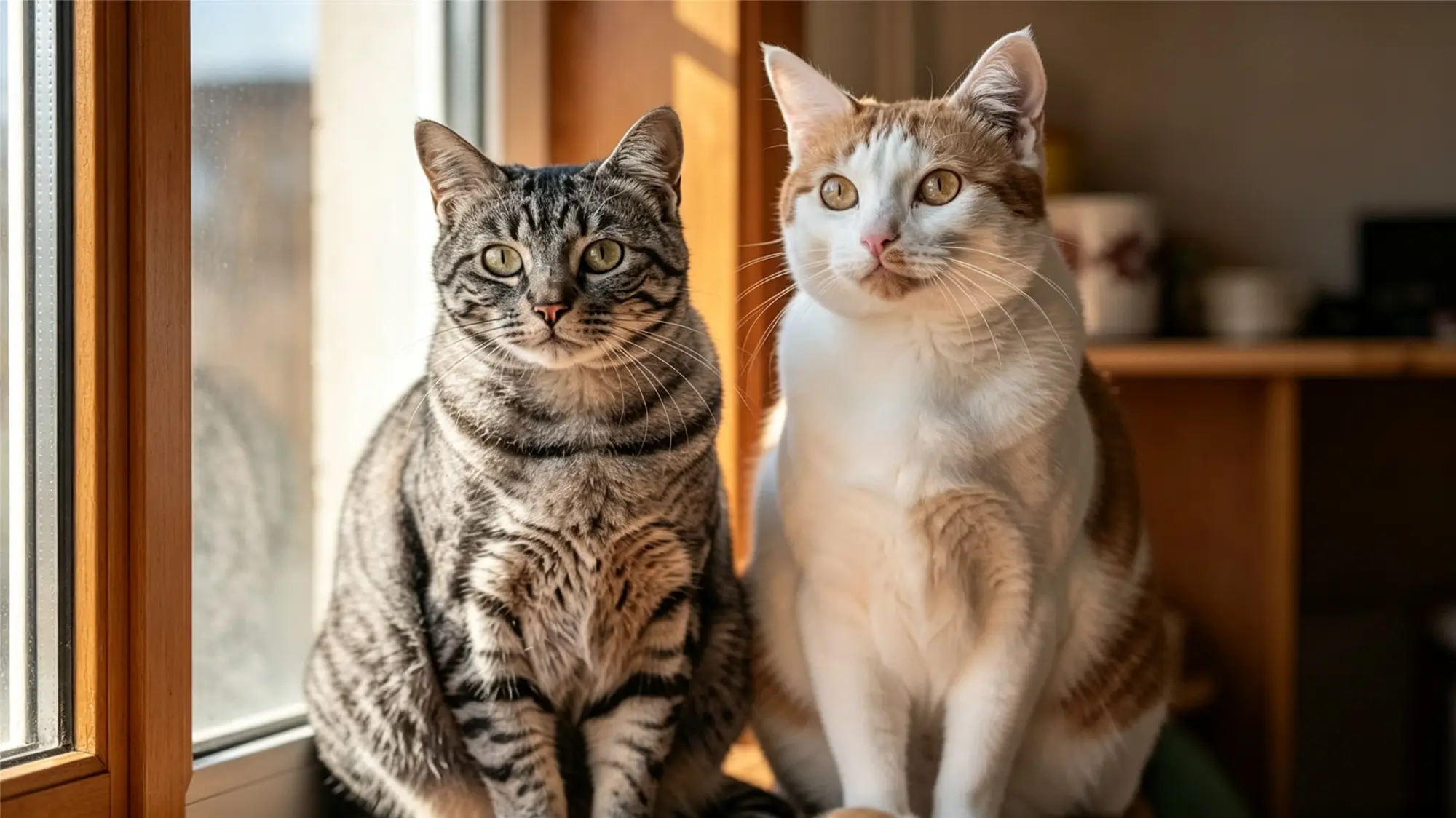
If you’re breeding cats or introducing a new companion, creating the right environment is crucial. Stress can completely shut down a cat’s willingness to mate or bond.
Creating a Calming Environment
Before introductions, consider using feline pheromone diffusers or calming supplements specifically designed to reduce inter-cat tension. Products that mimic natural calming signals can help anxious cats feel secure enough to display their natural mating behaviors.
When introducing potential partners:
- Ensure neutral territory
- Provide escape routes and high perches
- Maintain separate feeding stations initially
- Use positive reinforcement for calm interactions
When to Intervene
If cats show sustained aggression beyond initial hissing, separate them immediately. Forced proximity can create lifelong aversions. Some cats simply aren’t chemically compatible—and that’s okay.
Common Questions About Cat Mate Selection
Do cats have soulmates?
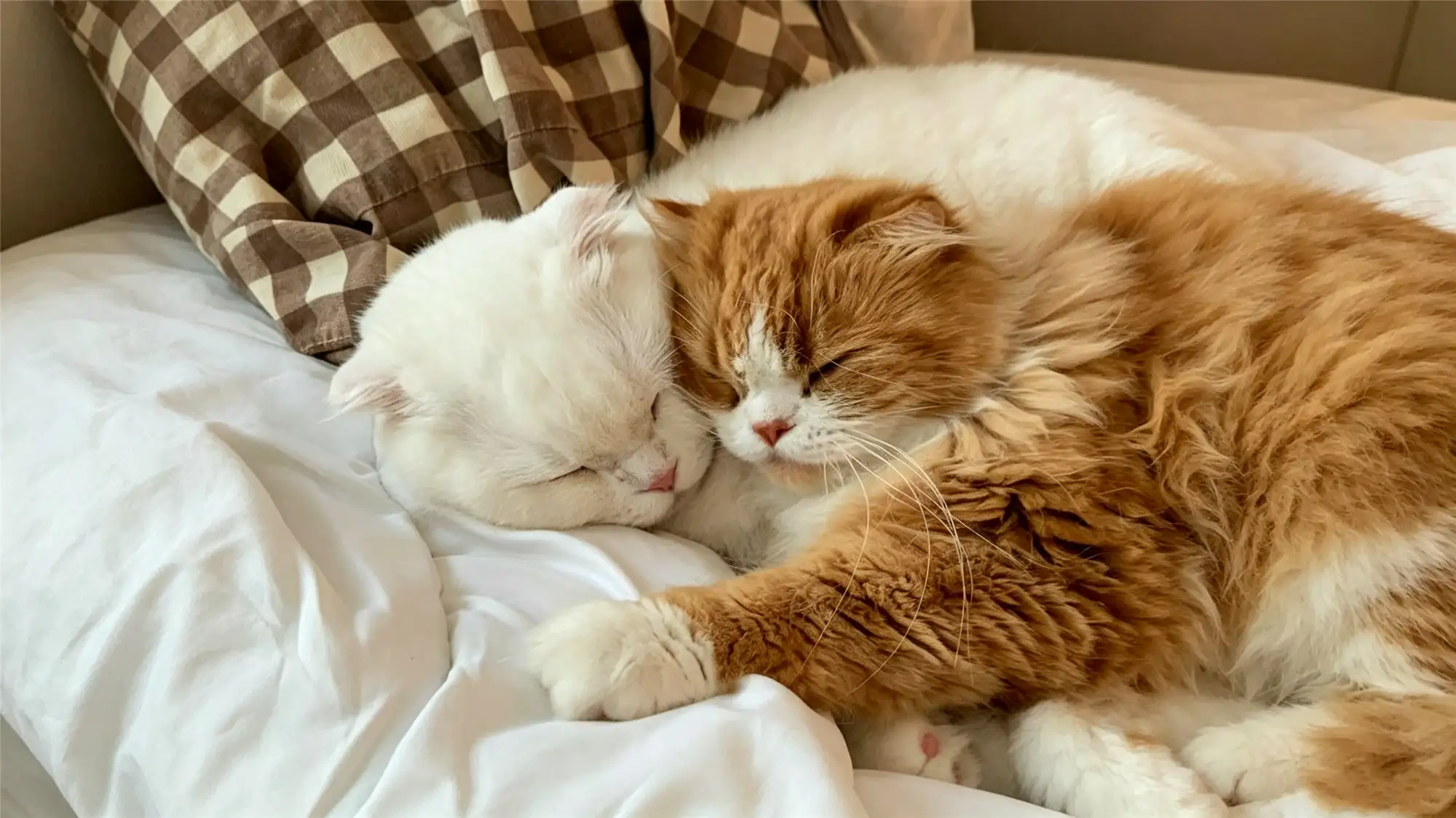
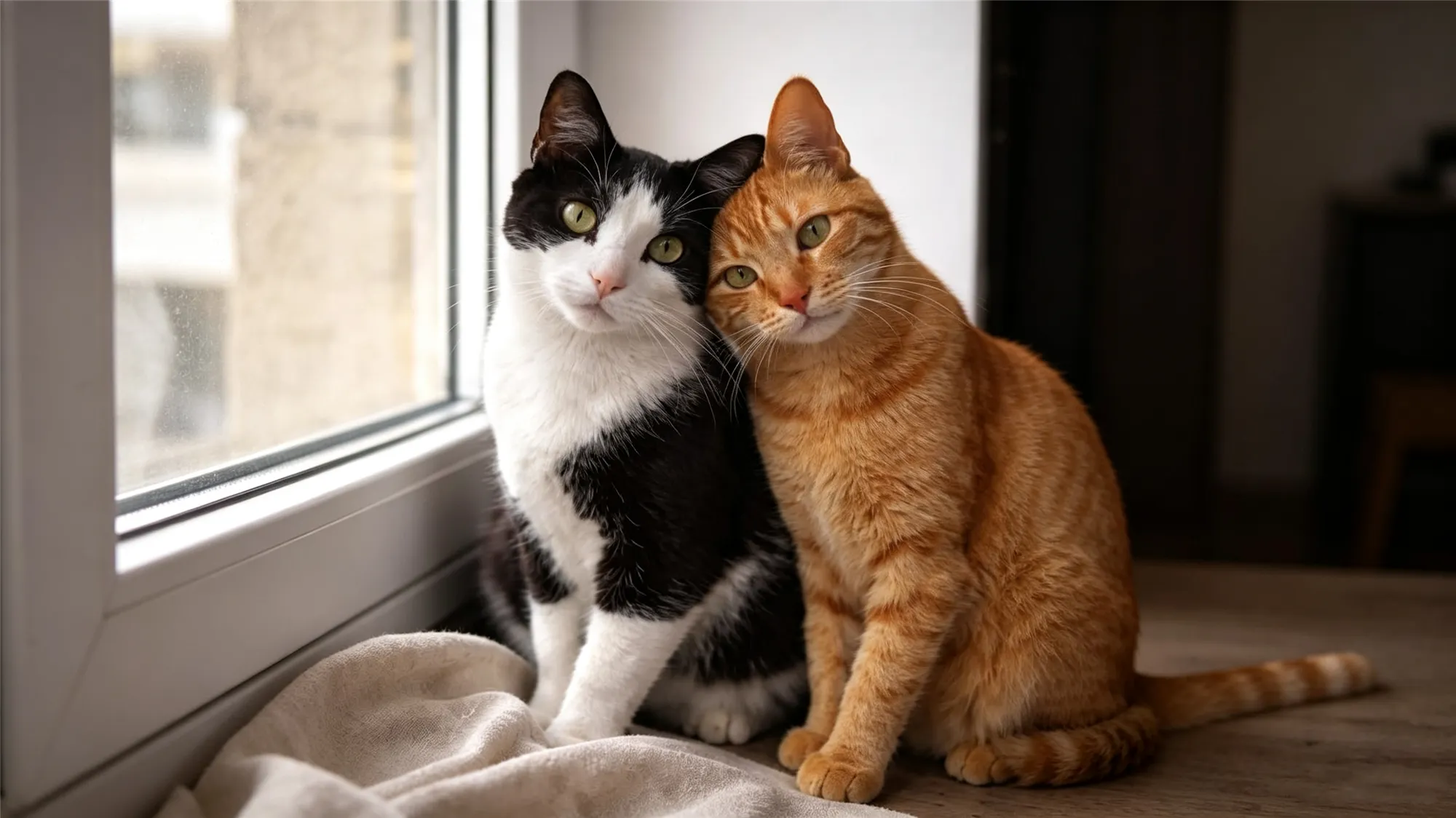
While cats don’t experience romantic love as humans do, they can form strong preferences for specific individuals. These preferred associates often engage in mutual grooming, sleeping together, and coordinated activities.
Why do fixed cats still ‘mate’?
Neutered males and spayed females may display mounting behaviors due to:
- Social dominance establishment
- Play behavior
- Habit from pre-surgery experiences
Can cats be too picky?
Extreme selectivity often indicates underlying stress or health issues. If your breeding cat rejects all suitors, consult a veterinarian to rule out medical causes before assuming behavioral preferences.
Conclusion: Respecting Feline Instincts
Cat mate selection blends ancient biological imperatives with individual personality preferences. Whether you’re managing a breeding program or simply trying to help your pets coexist peacefully, respecting these natural instincts leads to better outcomes.
Remember that chemistry—both literal pheromones and personality compatibility—can’t be forced. By providing safe spaces, understanding rejection signals, and using appropriate calming aids when needed, you support your cat’s natural ability to choose compatible companions.
The next time your cat turns up their nose at a potential friend, remember: they’re not being difficult. They’re following millions of years of evolutionary wisdom designed to ensure healthy, successful offspring and harmonious social bonds.