 Free shipping on orders over $75 across the U.S., with different free shipping promotions available in parts of
 Europe,
 South America,
 Australia.For all other countries, please contact us before placing your order, and we'll be happy to fast-track a shipping solution for you.
Pet Skin Disease Treatment: A Complete Guide to Soothing Your Dog’s Itchy Skin

Watching your beloved companion constantly scratch, lick, or bite their skin is heartbreaking. That endless cycle of itching and discomfort isn’t just annoying for your pet—it signals underlying health issues that demand immediate attention. Whether you’re dealing with seasonal allergies, bacterial infections, or mysterious hot spots, understanding effective pet skin disease treatment options can transform your furry friend’s quality of life.
In this comprehensive guide, we’ll explore evidence-based solutions that veterinary dermatologists recommend, from immediate itch relief to long-term prevention strategies. You’ll learn how to identify different skin conditions, implement home care protocols, and know exactly when professional intervention becomes necessary.
Why Your Pet Can’t Stop Scratching: Identifying the Warning Signs
Before diving into treatment options, recognizing early symptoms saves weeks of discomfort. Unlike humans, pets can’t tell us when their skin feels irritated—they show us through behavior changes.
Watch for these critical indicators:
- Persistent scratching, licking, or chewing at specific body areas
- Red, inflamed patches that feel warm to the touch
- Hair loss or thinning coat in localized regions
- Unpleasant odors emanating from the skin or coat
- Scaly, crusty, or oozing lesions that develop suddenly
Many pet owners mistake occasional scratching for normal behavior. However, when your dog starts waking up at night to chew their paws or develops raw, pink skin from over-grooming, you’re likely facing dermatitis, allergies, or bacterial infection requiring targeted dog skin infection remedies.
Understanding Common Pet Skin Conditions
Not all skin issues respond to the same treatment. Accurate identification ensures you don’t waste time on ineffective solutions while your pet suffers.
Atopic Dermatitis (Environmental Allergies)
This immune system overreaction affects up to 10% of dogs. Triggered by pollen, dust mites, or mold, it causes intense itching typically affecting paws, ears, and belly folds.
Hot Spots (Acute Moist Dermatitis)
These painful, swollen lesions appear suddenly, often after your pet scratches or licks one spot excessively. Without prompt pet dermatitis care, hot spots expand rapidly and become secondary infection sites.
Parasitic Infestations
Fleas, mites, and ticks don’t just cause irritation—they transmit diseases. Flea allergy dermatitis remains the leading cause of skin disease in pets worldwide.
Fungal and Bacterial Infections
Ringworm and staph infections require specific antimicrobial treatments. These conditions often present as circular hair loss or pustules that rupture and crust over.
Proven Pet Skin Disease Treatment Strategies
Modern veterinary medicine offers multiple pathways to relief. The most effective approach combines immediate symptom management with root-cause resolution.
Immediate Itch Relief Protocols
When your dog is scratching until they bleed, immediate intervention prevents secondary trauma. Start with these vet-approved first steps:
- Cool water rinses: Bathe affected areas with lukewarm water to remove allergens and soothe inflammation
- E-collar protection: Prevent further self-trauma while treatments take effect
- Topical hydrocortisone: Safe for short-term use on localized irritated patches
- Antihistamines: Some pets respond well to over-the-counter options, though efficacy varies by individual

Advanced Therapeutic Interventions
For chronic or severe cases, your veterinarian might recommend:
Medicated Shampoos and Mousses: Chlorhexidine and ketoconazole formulations combat bacterial and fungal overgrowth. Weekly bathing maintains skin barrier function while reducing pathogen load.
Prescription Medications: Apoquel, Cytopoint, and corticosteroids offer powerful itch relief for severe allergic reactions. These require veterinary supervision due to potential side effects with long-term use.
Immunotherapy: Allergy shots or oral drops desensitize your pet to specific environmental triggers over time, addressing root causes rather than just symptoms.
Targeting Severe Inflammation and Hot Spots
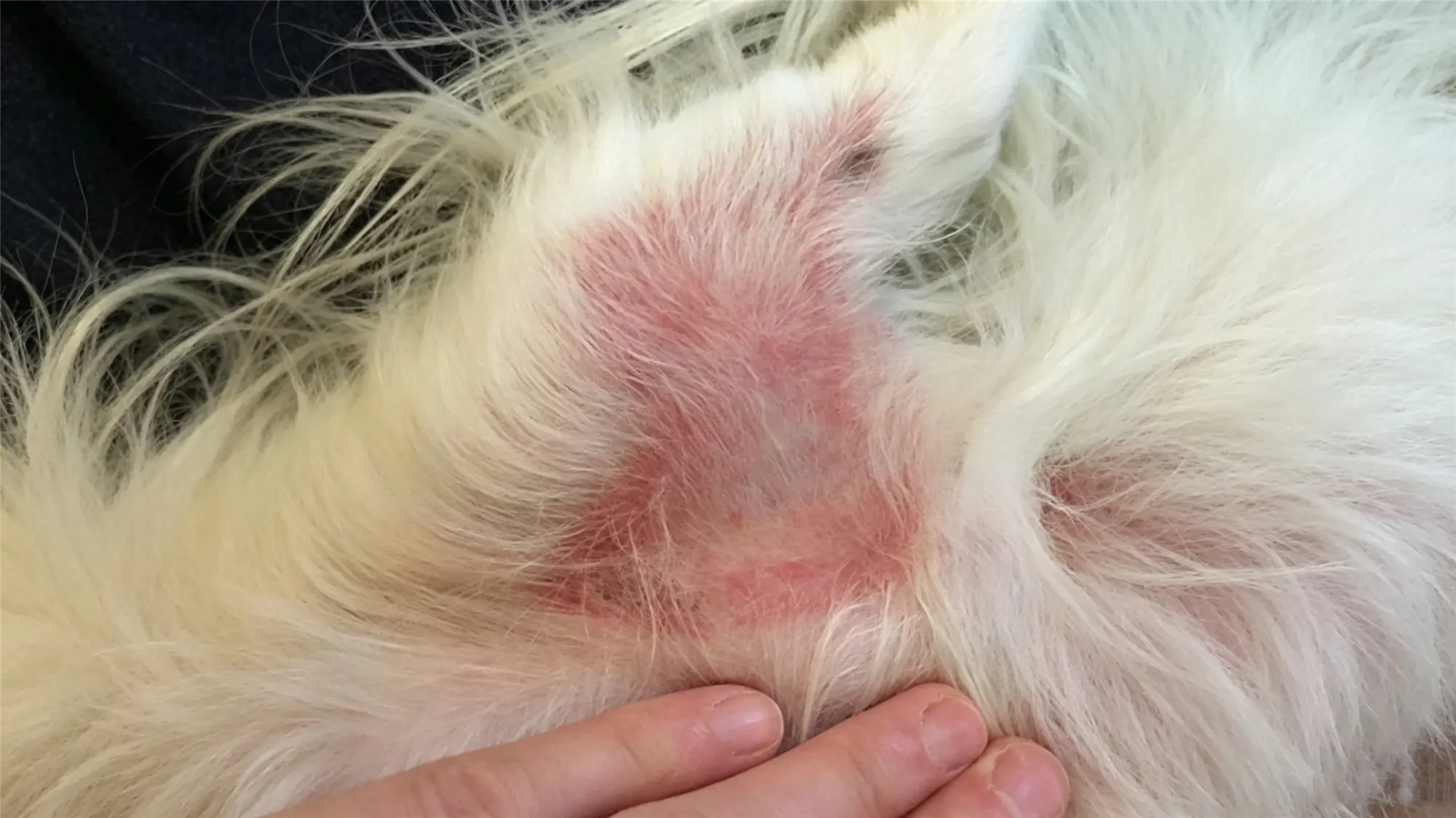
Hot spots require aggressive localized treatment. After clipping hair around the lesion to allow air circulation, apply drying sprays containing aluminum acetate or hydrocortisone. Oral antibiotics become necessary when bacterial infection penetrates deep skin layers.
Nutritional Support for Skin Barrier Health
True healing happens from the inside out. Omega-3 fatty acids (EPA and DHA) reduce inflammatory responses by up to 50% in allergic pets. Look for supplements containing fish oil or algae-derived DHA specifically formulated for canine metabolism.
Additionally, novel protein diets or hydrolyzed formulas eliminate food allergy triggers. Many pets with chronic skin issues see dramatic improvement within 8-12 weeks of dietary modification alone.
Prevention: Building a Skin-Healthy Lifestyle
The best pet skin disease treatment is prevention. Establishing consistent care routines reduces flare-up frequency and severity.
Environmental Management
- Wash bedding weekly in hot water to eliminate dust mites
- Use HEPA air purifiers during high-pollen seasons
- Apply veterinarian-recommended flea prevention year-round, even for indoor pets
- Maintain 40-60% indoor humidity to prevent dry, cracked skin
Regular Grooming Protocols
Consistent grooming isn’t cosmetic—it’s medical. Brushing distributes natural oils, removes allergen-trapping dead hair, and allows early detection of abnormalities.
For breeds prone to skin issues:
- Bathe every 2-4 weeks with pH-balanced, oatmeal-based shampoos
- Clean facial folds and ear canals weekly to prevent moisture buildup
- Trim nails regularly to minimize skin damage from scratching

When Home Treatment Isn’t Enough
While many mild skin issues resolve with diligent home care, certain situations demand immediate veterinary attention:
- Skin lesions that spread rapidly or emit pus
- Systemic symptoms like fever, lethargy, or appetite loss
- Chronic ear infections accompanying skin inflammation
- No improvement after 48-72 hours of home treatment
- Recurrent episodes that suggest underlying immune disorders
Diagnostic testing including skin scrapings, fungal cultures, and blood work identifies underlying causes that topical treatments alone cannot address.
Conclusion: Restoring Comfort and Confidence
Effective pet skin disease treatment requires patience, consistency, and often a multi-modal approach combining medical intervention, nutritional support, and environmental modifications. By recognizing early symptoms, implementing appropriate therapies, and maintaining preventive care routines, you can help your pet transition from miserable scratching to comfortable, healthy skin.
Remember, your pet relies on you to advocate for their comfort. When in doubt, consult your veterinarian—clear skin means happy tails and even happier cuddle sessions.