 Free shipping on orders over $75 across the U.S., with different free shipping promotions available in parts of
 Europe,
 South America,
 Australia.For all other countries, please contact us before placing your order, and we'll be happy to fast-track a shipping solution for you.
Gecko Care Guide: From Beginner to Pro
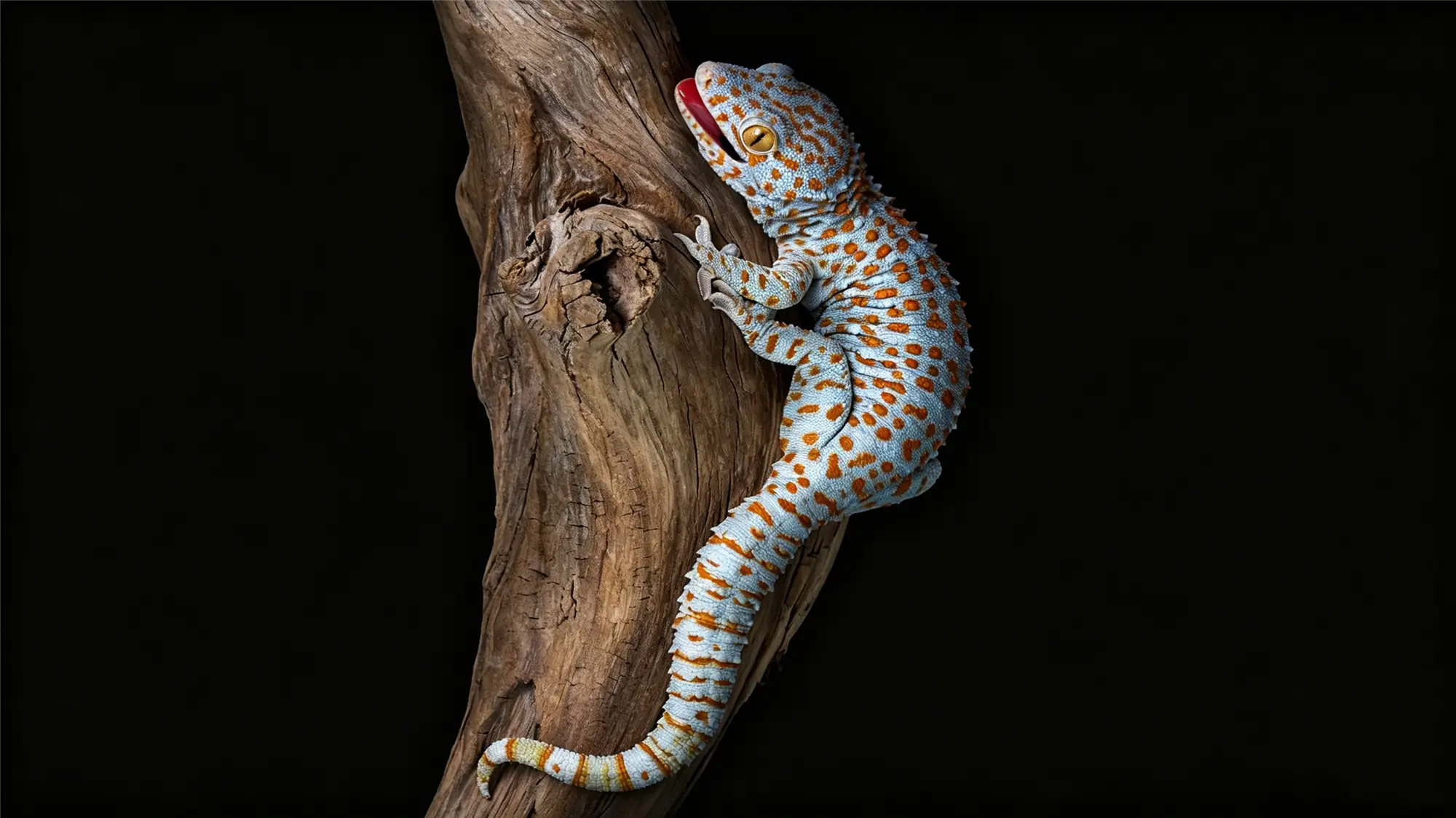
Geckos have exploded in popularity across the United States, and for good reason. These fascinating lizards offer a remarkable range of experiences—from the hands-on, beginner-friendly Leopard Gecko to the stunning, display-only Day Gecko. However, the term “gecko” covers a vast array of species, each with unique needs. Success in gecko keeping begins with one crucial decision: choosing the right species for your lifestyle and experience level .
Selecting Your Species: A Critical First Step
The two most popular pet geckos in America are the Leopard Gecko (Eublepharis macularius) and the Crested Gecko (Correlophus ciliatus). They represent two very different approaches to reptile keeping.
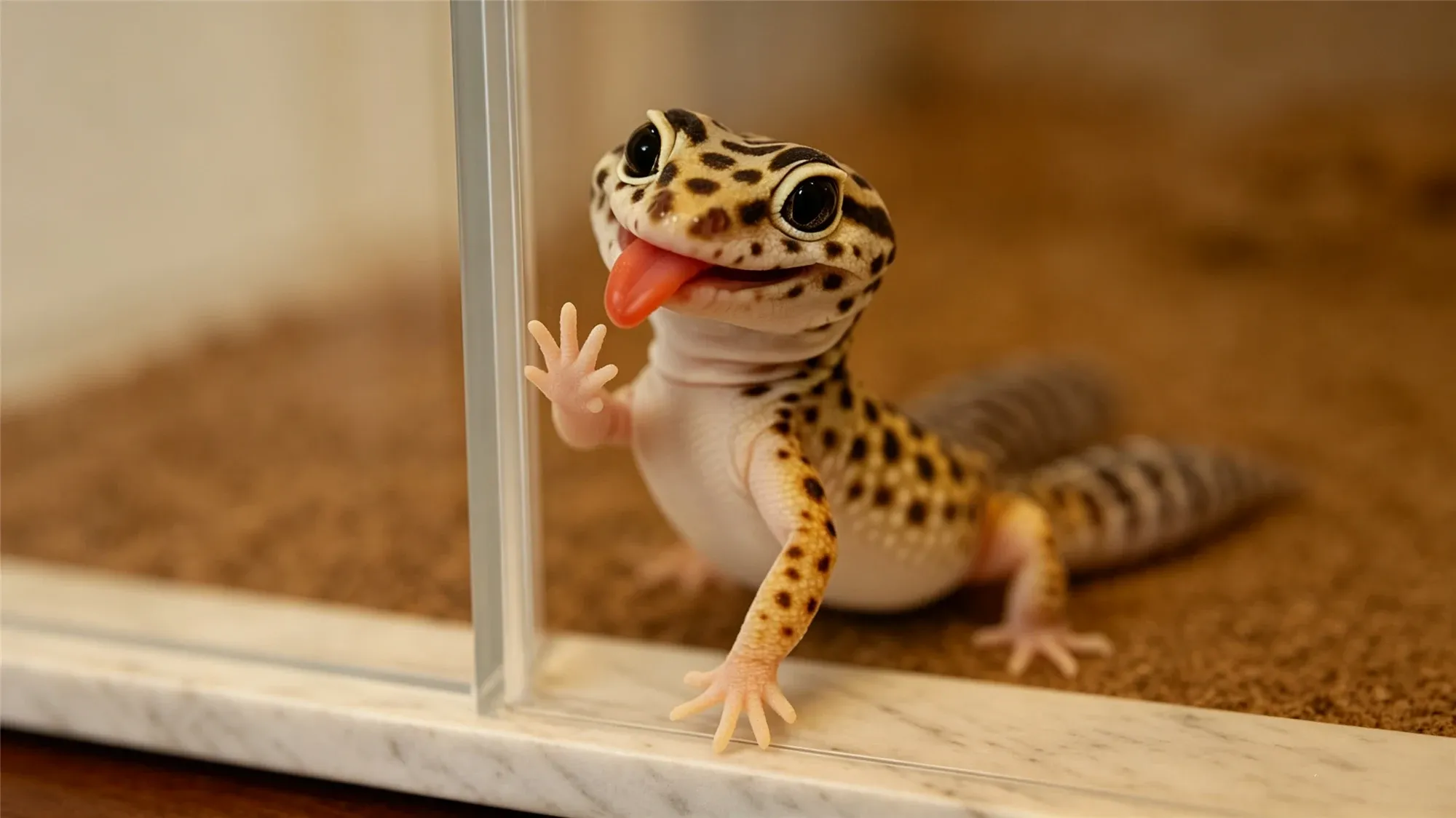
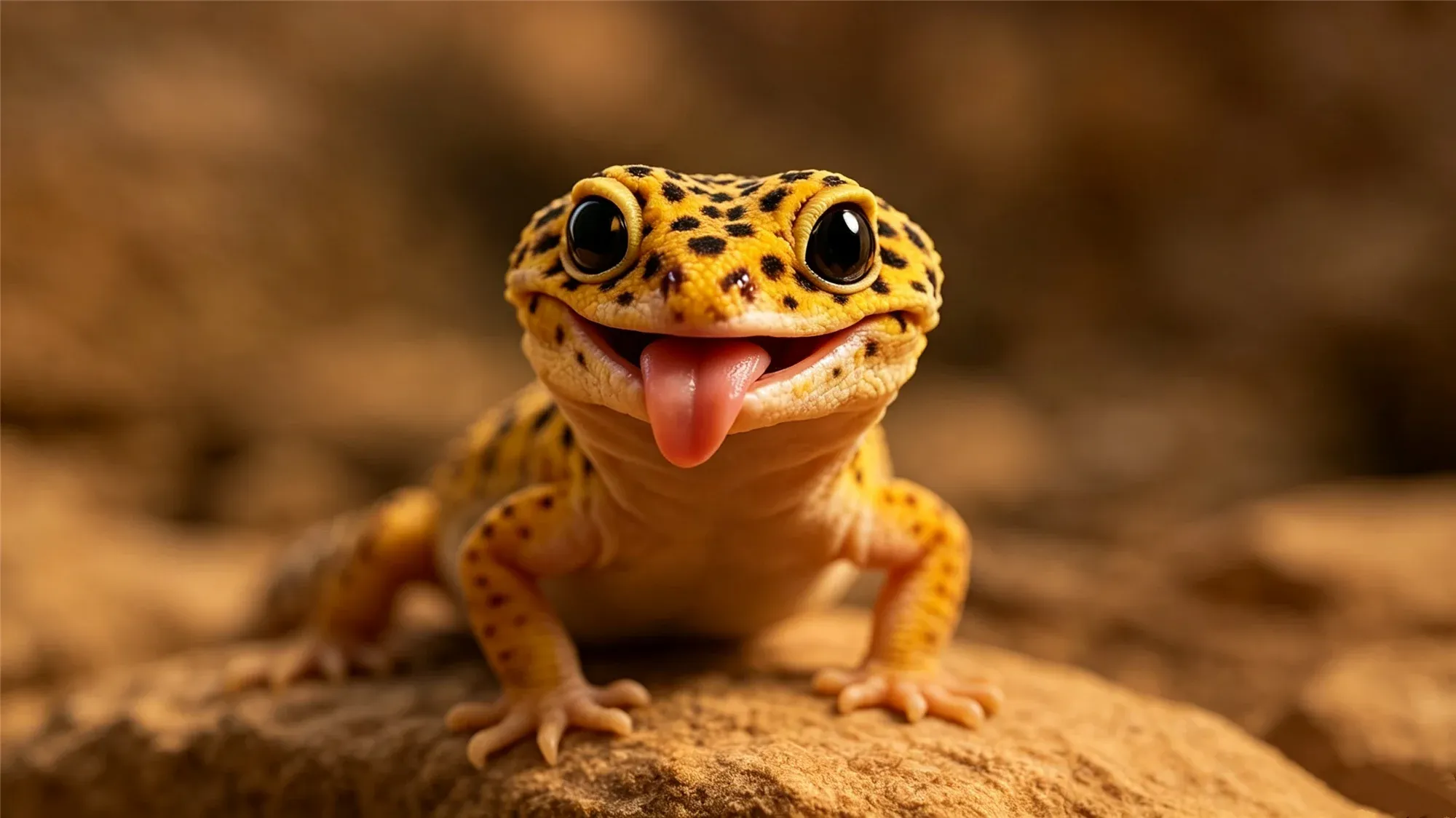
Leopard Geckos are terrestrial, originating from the arid regions of Afghanistan, Iraq, and Iran . They are ground-dwellers with eyelids and moveable ears, and they don’t have sticky toe pads, so they can’t climb glass . With a lifespan of 15-20 years and a calm, docile temperament, they are an excellent choice for beginners .
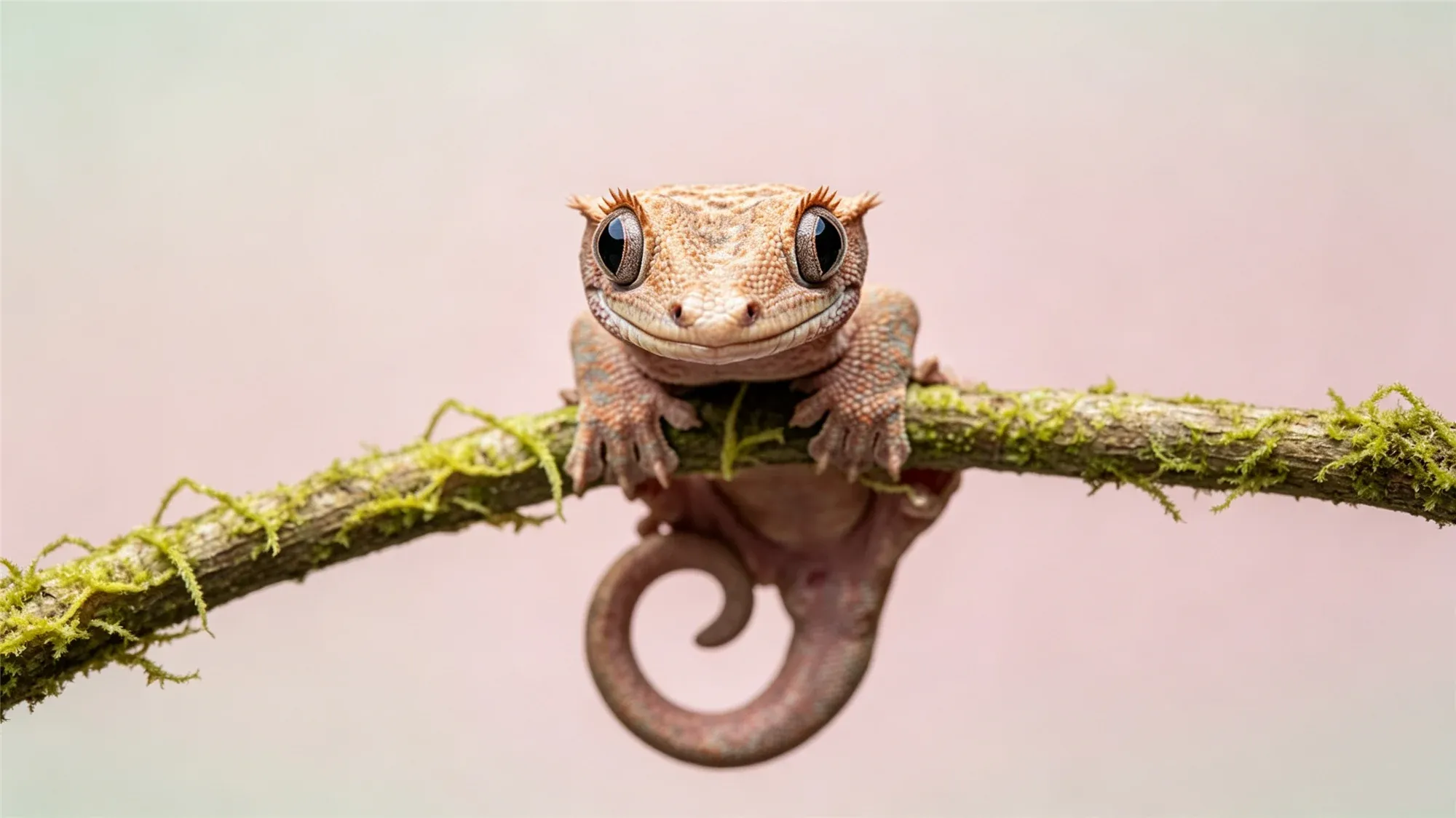
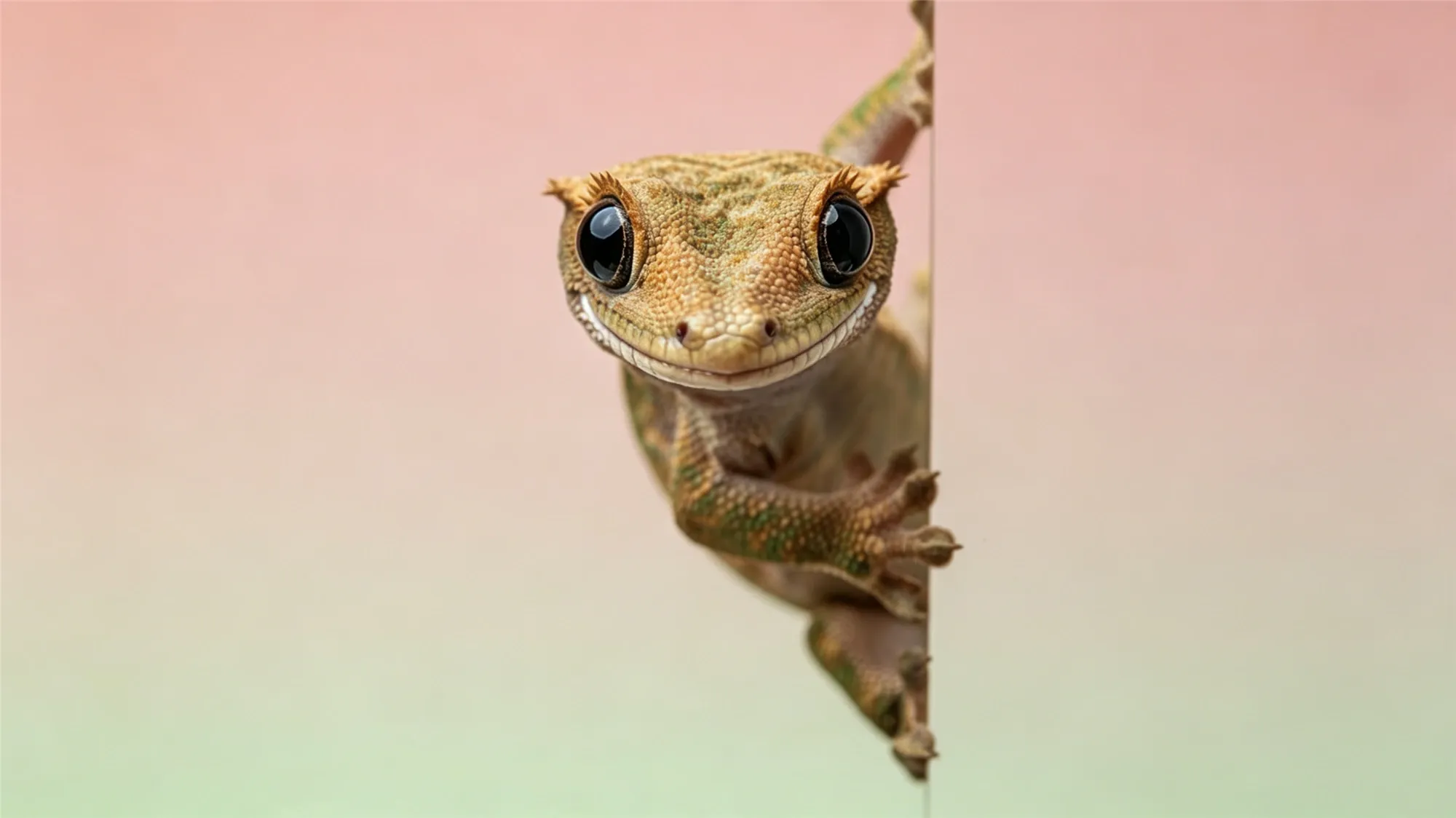
Crested Geckos, on the other hand, are arboreal (tree-dwelling) from the tropical islands of New Caledonia . They have sticky toe pads for climbing vertical surfaces and lack eyelids, instead licking their eyes to keep them clean . They are also docile but are more delicate and skittish than Leopard Geckos .
Other species exist for more specialized keepers. Day Geckos are vibrant, diurnal lizards but are strictly for observation—they are incredibly fast, have delicate skin, and should rarely, if ever, be handled . Gargoyle Geckos are another New Caledonian species, similar in care to Crested Geckos but with slightly different temperament and appearance .
The Habitat: Replicating the Wild
The key to a healthy gecko is creating an enclosure that replicates its natural environment, allowing it to thermoregulate and feel secure.
Enclosure Size and Setup
For a single adult Leopard Gecko, a 20-gallon long tank is the minimum standard . Floor space is more important than height. A secure mesh lid is essential to prevent escapes and allow for ventilation .
Crested Geckos require vertical space. A minimum of 18”x18”x24” is recommended for an adult . The focus should be on height to provide ample climbing opportunities .
Substrate
This is a topic of much debate. For Leopard Geckos, loose substrates like sand or wood shavings are a serious risk; accidental ingestion can lead to impaction, a potentially fatal intestinal blockage . Safe options include reptile carpet, ceramic tiles, or paper towels, especially for juveniles . A bioactive setup with a soil/sand/clay mix is an advanced option for experienced keepers .
For Crested Geckos, a moisture-retaining substrate like coconut fiber or a soil mix is ideal for maintaining humidity . These tropical geckos don’t typically ingest substrate.
The Heat Gradient
All geckos are ectothermic and rely on their environment to regulate body temperature. You must provide a thermal gradient.
- For Leopard Geckos: A warm side of 85-90°F with a basking spot of 90-92°F, and a cool side of 75-80°F . Nighttime temperatures can drop to 65-75°F .
- For Crested Geckos: A range of 72-82°F, with a basking spot no higher than 82°F . They cannot tolerate high heat and should never be exposed to temperatures above 85°F .
Under-tank heaters (UTH) or heat mats are popular for Leopard Geckos as they provide belly heat, while overhead heat sources like ceramic heat emitters (CHE) or low-wattage bulbs are better for arboreal species to heat the ambient air . All heat sources must be regulated by a thermostat to prevent burns .
Lighting and UVB
While Leopard Geckos are crepuscular (active at dawn and dusk) and can survive without UVB, modern evidence strongly suggests it is highly beneficial . UVB lighting allows them to synthesize vitamin D3 naturally, which is crucial for calcium absorption and the prevention of Metabolic Bone Disease (MBD) . A low-output UVB bulb (2-5%) is recommended for both Leopard and Crested geckos . A 12-hour on/off light cycle should be maintained .
Humidity
Maintaining proper humidity is critical for shedding and hydration.
- Leopard Geckos require a dry environment with humidity levels between 20-40% . The most important feature is a humid hide—a sealed container filled with moist sphagnum moss—placed on the warm side of the tank to provide a localized area of high humidity for shedding .
- Crested Geckos need much higher humidity, between 50-80% . This is achieved by misting the enclosure 1-2 times daily, which also provides water droplets for them to drink .
Nutrition: The Insectivore vs. The Omnivore
Leopard Geckos are strict insectivores . Their diet should consist entirely of live insects. A staple of crickets and dubia roaches should be supplemented with mealworms, and the occasional treat of waxworms or superworms (for adults only, due to their high fat content) . All insects should be “gut-loaded”—fed a nutritious diet for 24-48 hours before being offered to your gecko . This ensures the insect is a nutrient-rich meal.
Crested Geckos are omnivores . In captivity, their diet is primarily a commercial powdered diet, like Repashy or Pangea, mixed with water to form a paste . This is an incredibly convenient, nutritionally complete food. They should also be offered live insects (crickets, dubia roaches) 1-2 times a week for enrichment and additional protein .
Supplementation
All feeder insects for both species must be “dusted” with a high-quality calcium powder (without D3) at nearly every feeding for juveniles and 2-3 times a week for adults . A multivitamin powder should be used once a week for juveniles and twice a month for adults . This is non-negotiable to prevent MBD, a painful and irreversible condition where the bones become weak and deformed due to calcium deficiency .
Health and Husbandry: The Long Game
- Hydration: Provide a shallow dish of fresh, dechlorinated water at all times. Change and clean it daily . Crested geckos will also drink water droplets from misting .
- Handling: Leopard geckos are generally tolerant of gentle handling but should never be picked up by the tail, as they can drop it (autotomy) as a defense mechanism . Crested geckos are more delicate and can be hand-trained, but jumping is common, so handling should be done low to the ground . Day geckos should not be handled . Always wash your hands before and after handling any reptile to prevent the spread of Salmonella .
- Housing: Leopard geckos are solitary and territorial. Housing them together, especially two males, will lead to aggression, stress, and injury. They should be kept alone . Crested geckos can sometimes be housed in groups of females if given ample space, but males will fight and cause injury .
- Veterinary Care: A healthy gecko is alert, active, and has a thick tail (for Leopard Geckos, this is a fat store) and clear eyes. A thinning tail is a significant red flag for weight loss or illness . It is vital to find a reptile veterinarian (herp vet) in your area and schedule an initial wellness exam . Signs of illness include lethargy, loss of appetite, abnormal droppings, and difficulty shedding .
Keeping a gecko is a long-term commitment. Leopard Geckos can live for 15-20 years, and Crested Geckos for 10-15 . By providing the correct environment, nutrition, and care, you can ensure your scaly companion lives a long, healthy, and enriching life under your roof.