 Free shipping on orders over $75 across the U.S., with different free shipping promotions available in parts of
 Europe,
 South America,
 Australia.For all other countries, please contact us before placing your order, and we'll be happy to fast-track a shipping solution for you.
Why Aren’t Cats Afraid of Heights? The Science Behind Feline Vertical Confidence & Safety Tips
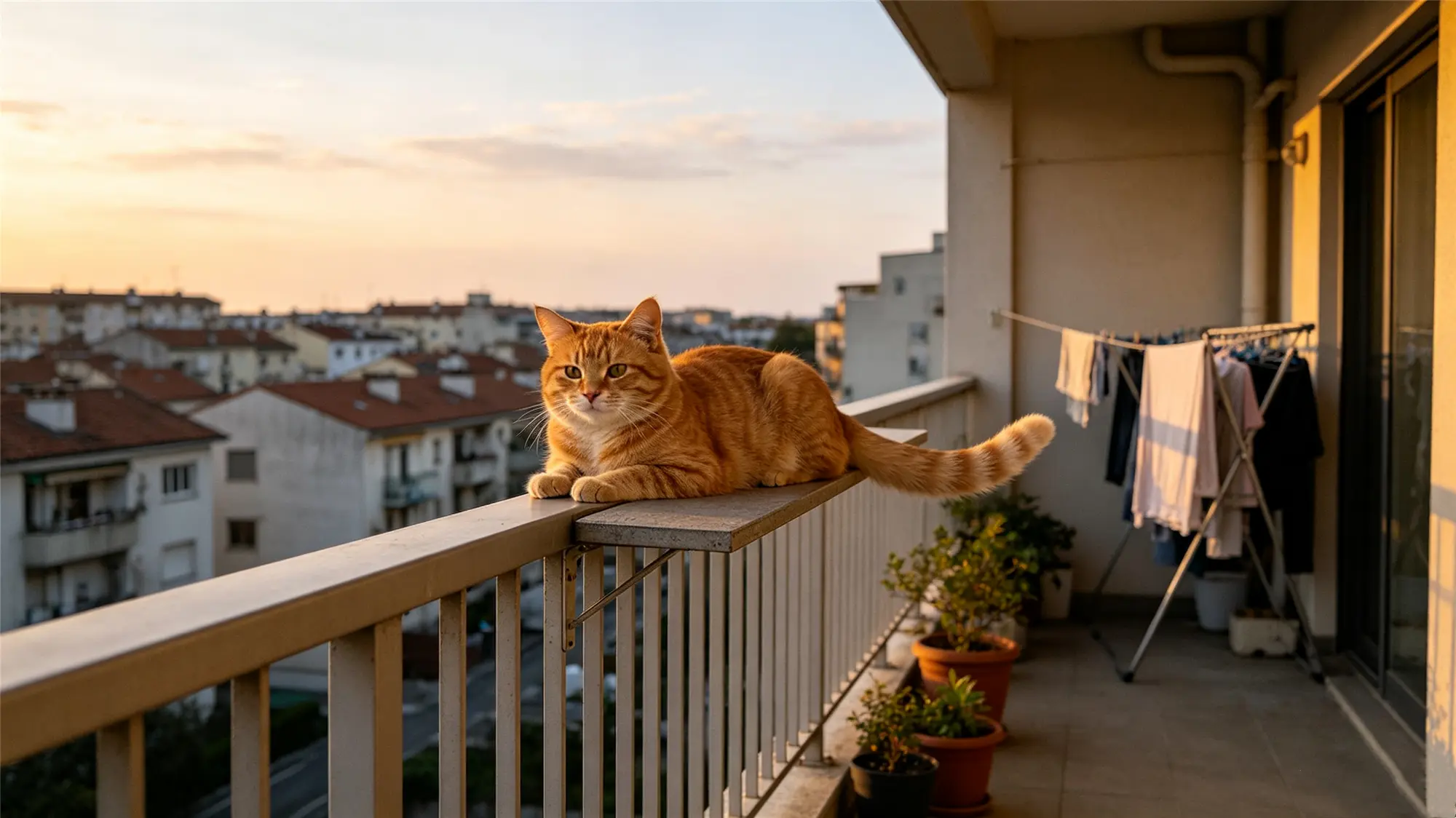
Watching your cat stroll casually along a narrow railing or perch precariously on a windowsill can trigger instant panic. Your heart races while they remain completely calm, seemingly defying gravity with every step.
But why exactly aren’t cats afraid of heights? Understanding the evolutionary biology behind this behavior helps cat owners create safer environments while respecting their pet’s natural instincts.
The Evolutionary Roots of Feline Height Confidence
Cats evolved as both predators and prey in their ancestral environments. Their relationship with heights developed as a survival strategy rather than a reckless stunt.
- Arboreal ancestry: Wild cats and their ancestors spent significant time in trees, hunting birds and escaping ground-based predators
- Vantage point advantage: Elevated positions provide 360-degree visibility for spotting both prey and threats
- Territorial dominance: Higher perches establish social hierarchy among multi-cat households
This genetic programming means modern domestic cats still seek vertical territory, regardless of whether they live in a jungle or a studio apartment.
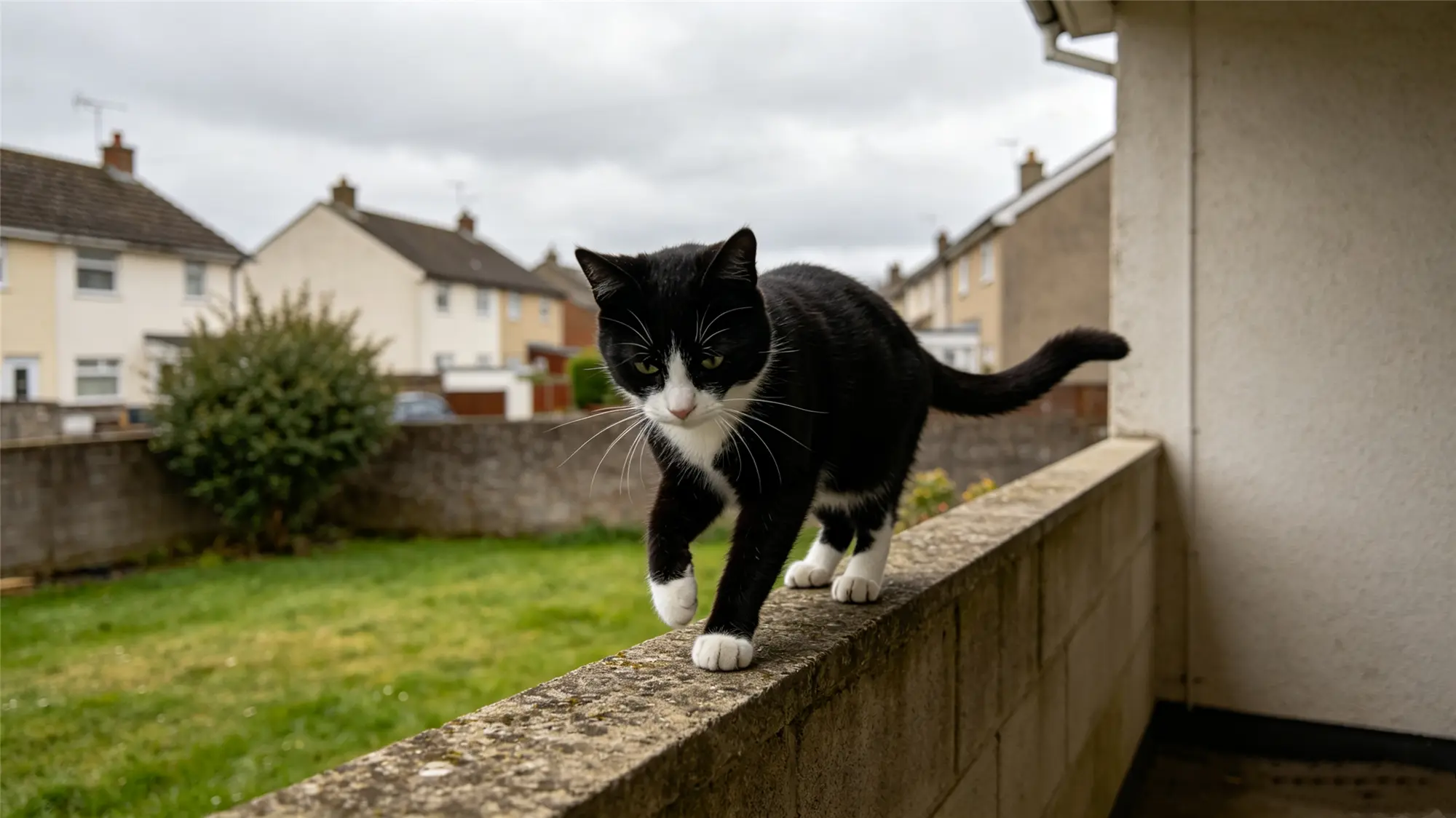
Anatomy of a Daredevil: Why Cats Don’t Fear Heights
Beyond evolutionary instincts, cats possess remarkable physiological adaptations that make height navigation feel natural rather than frightening.
The Righting Reflex
Cats can twist their bodies mid-air to land on their feet. This “righting reflex” develops at 3-4 weeks of age and becomes fully mature around 7 weeks.
Superior Balance Systems
- Vestibular apparatus: The inner ear contains specialized organs that provide exceptional equilibrium
- Flexible spine: 30 vertebrae (compared to humans’ 24) allow incredible body rotation and correction
- Muscular tail: Acts as a counterbalance during narrow beam walking
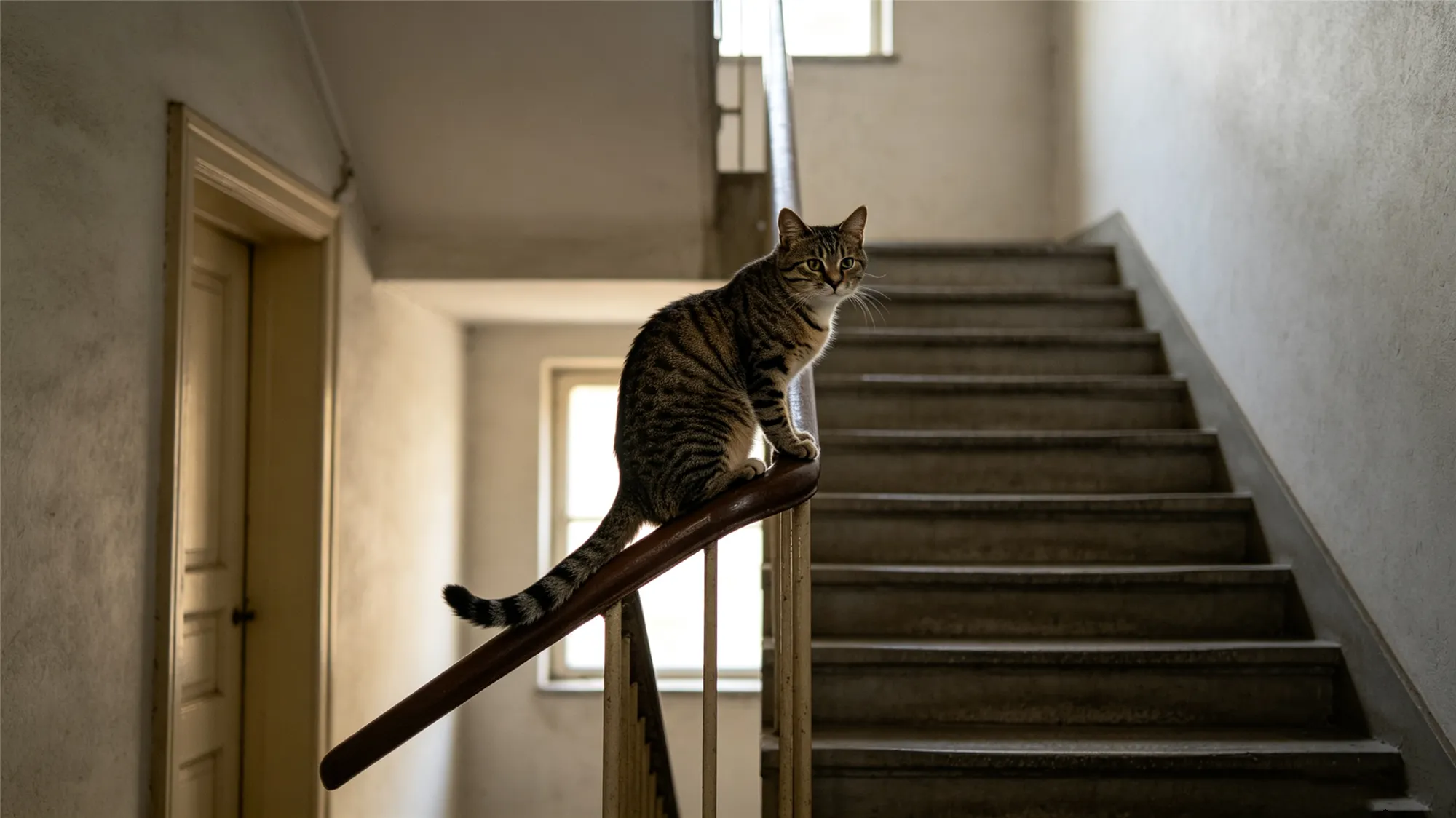
The Reality Check: Do Cats Actually Experience Fear of Heights?
Here’s where the misconception lies. While cats possess incredible climbing abilities, they are not immune to fear or injury from heights.
Research shows that cats can and do experience acrophobia (fear of heights) in specific circumstances:
- Visual disorientation: Clear glass tables or open balconies without visual barriers trigger hesitation
- Past trauma: Previous falls can create lasting anxiety about elevation
- Age factors: Senior cats with declining vision or arthritis may lose confidence
- Weight issues: Obese cats often struggle with the physics of climbing
The key difference? Cats trust their physical abilities until proven otherwise, while humans anticipate danger before it happens.
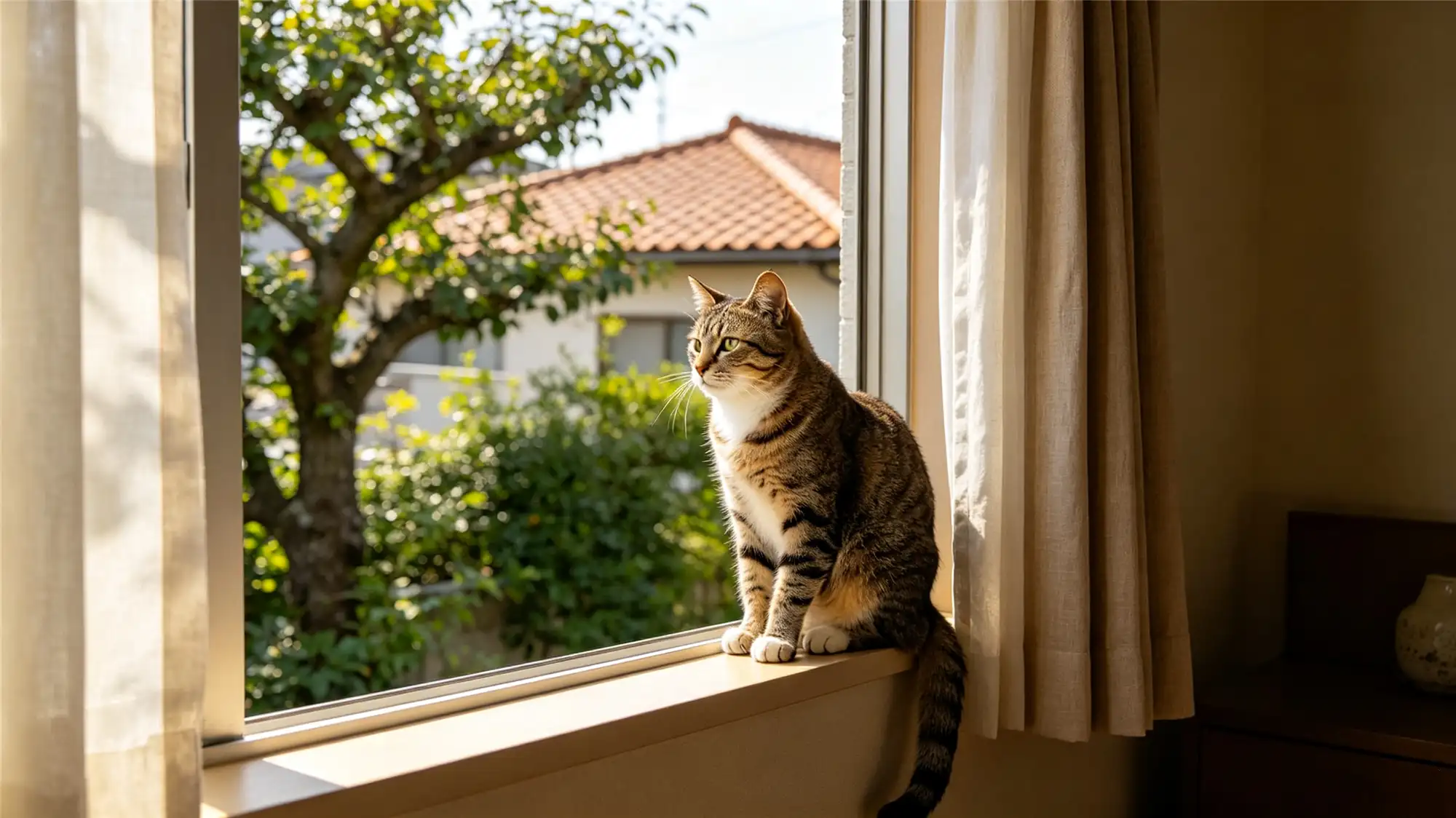
High-Rise Syndrome: When Confidence Turns Dangerous
Veterinarians coined “High-Rise Syndrome” to describe injuries sustained from falls, typically from windows, balconies, or fire escapes. Despite their agility, cats can misjudge distances or get startled.
Common Injury Patterns
- Facial trauma and broken jaws (from landing on chins)
- Pneumothorax (collapsed lungs)
- Fractured limbs and hip dislocations
- Internal bleeding from organ rupture
Cats require immediate veterinary attention even if they appear fine after a fall, as internal injuries may not show symptoms for hours.
Creating Safe Vertical Spaces: Cat Trees & Perches That Work
Rather than discouraging climbing (which is impossible and cruel), provide appropriate outlets for this instinctive behavior.
Investing in quality cat trees, wall-mounted shelves, and window perches satisfies your cat’s vertical needs while keeping them away from dangerous ledges.
What to Look for in Safe Vertical Furniture
- Stability: Wide bases that won’t tip during energetic jumps
- Height variety: Multiple levels allowing graduated climbing
- Non-slip surfaces: Sisal rope or carpeted platforms for secure footing
- Window safety: Enclosed window seats with screens prevent accidental falls
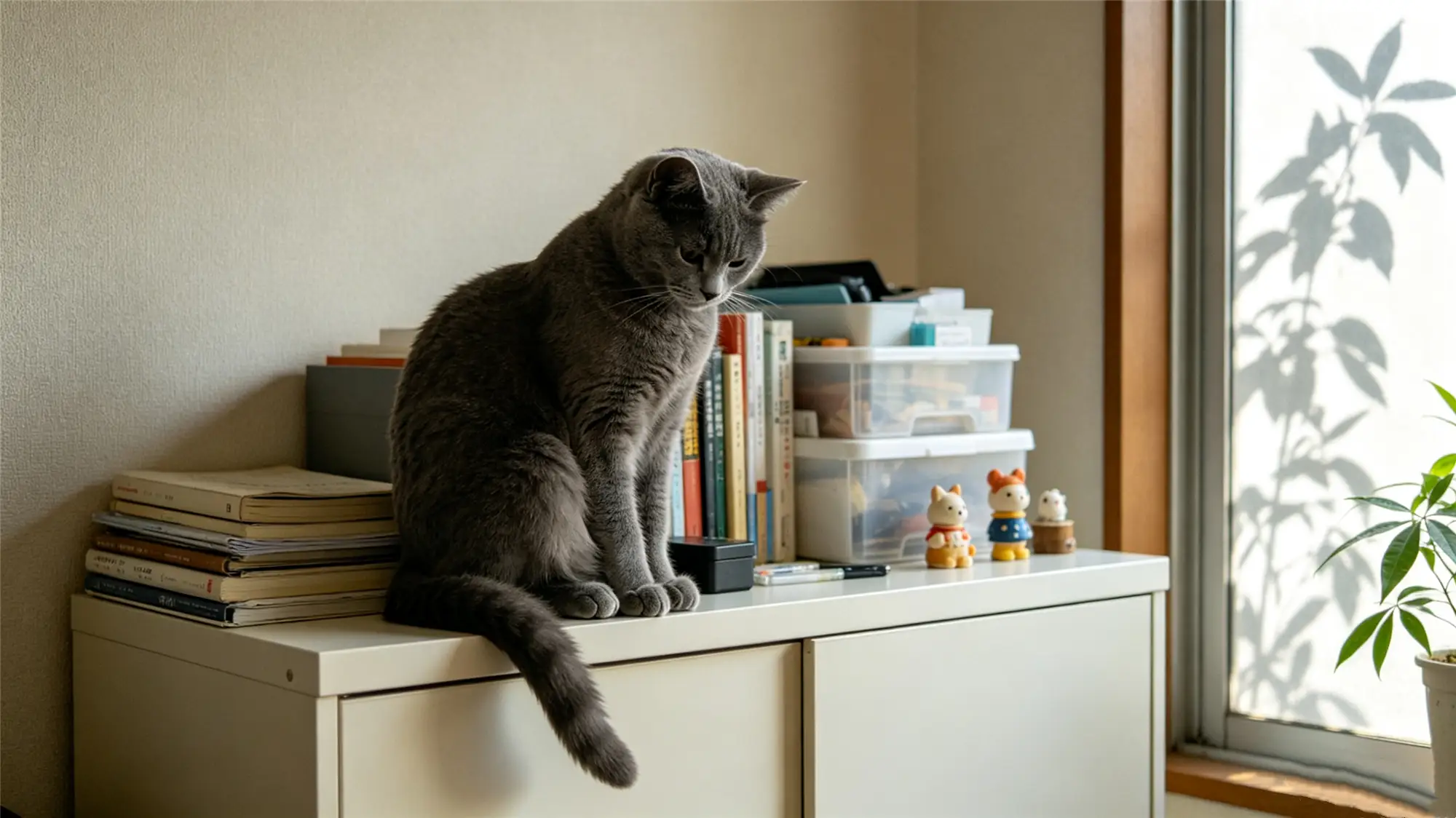
5 Signs Your Cat Might Actually Be Afraid of Heights
Monitor your cat’s behavior to distinguish between confident climbing and anxious avoidance:
- Trembling or excessive vocalization when elevated
- Refusal to descend without help (getting “stuck”)
- Clinging to surfaces rather than balancing naturally
- Dilated pupils and flattened ears on perches
- Aggression when approached while on high surfaces
If you notice these signs, consult your veterinarian. The fear may indicate vision problems, neurological issues, or previous trauma requiring behavioral therapy.
Practical Safety Modifications for Your Home
Protecting your fearless feline requires proactive measures:
- Window screens: Install sturdy metal screens; cats can tear through flimsy mesh
- Balcony netting: Create “catios” or use pigeon netting to secure outdoor spaces
- Secure furniture: Anchor bookcases and dressers to walls to prevent tipping
- Soft landing zones: Place cushions beneath favorite high perches
Conclusion: Respecting the Instinct While Ensuring Safety
Cats aren’t afraid of heights because evolution engineered them for arboreal life. Their bodies possess remarkable adaptations for elevation navigation that humans lack.
However, this confidence doesn’t equal invincibility. By understanding why your cat seeks high ground and providing safe, approved vertical territory through quality climbing structures, you satisfy their biological needs while preventing tragic accidents.
Remember: A cat on a secure cat tree is a happy cat. A cat on a seventh-floor windowsill is a statistic waiting to happen. Choose safety structures that honor their instincts.