 Free shipping on orders over $75 across the U.S., with different free shipping promotions available in parts of
 Europe,
 South America,
 Australia.For all other countries, please contact us before placing your order, and we'll be happy to fast-track a shipping solution for you.
What Smells Do Dogs Hate? 10 Scents That Repel Dogs and How to Use Them Safely
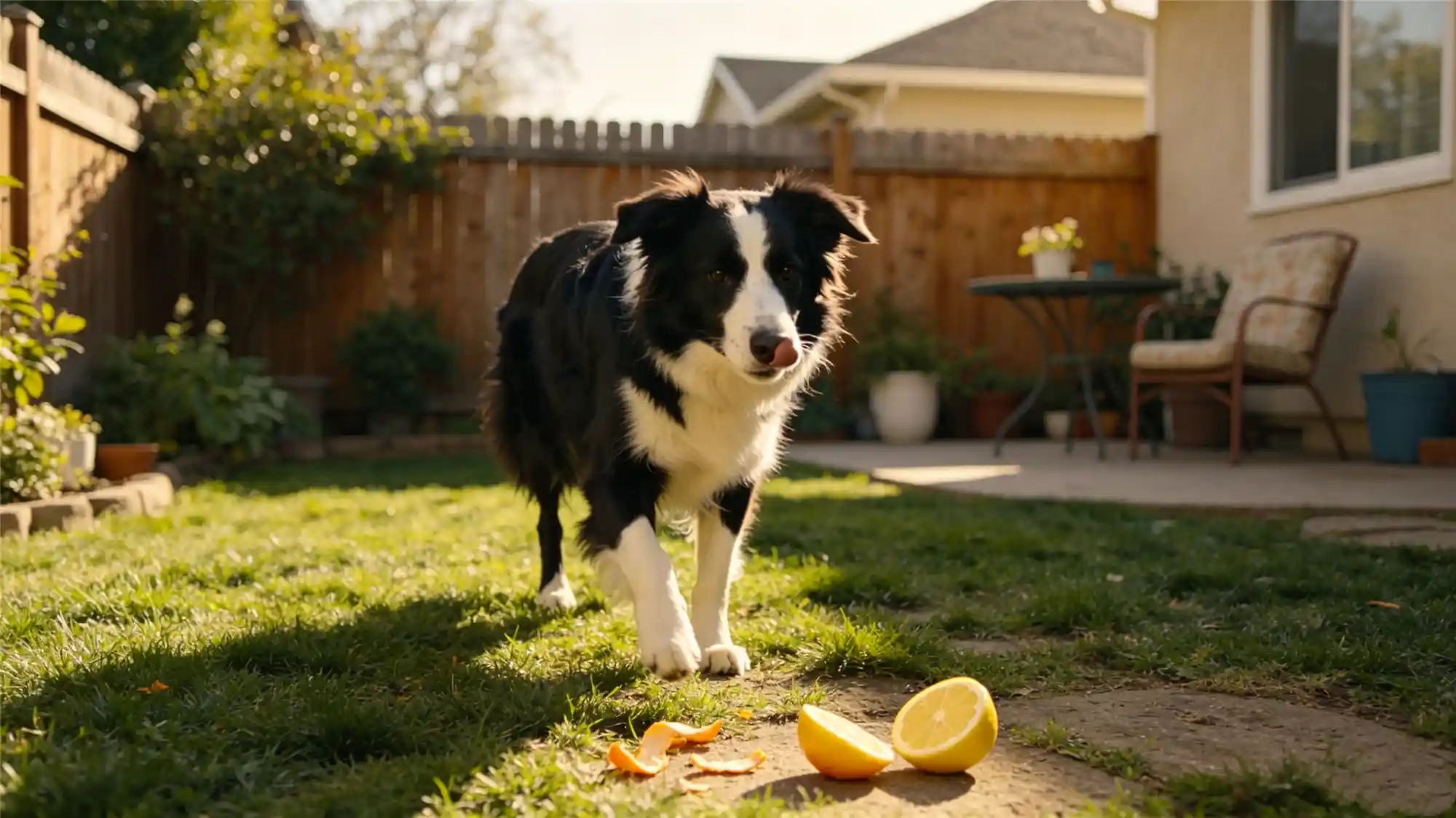
Ever wonder why your dog suddenly backs away from certain cleaning products or refuses to enter the kitchen when you’re chopping onions? Dogs experience the world through their noses, with olfactory senses up to 100,000 times more powerful than humans. While we might find certain scents pleasant or barely noticeable, your canine companion may find them overwhelming or even repulsive.
Understanding what smells dogs hate isn’t just about satisfying curiosity. This knowledge helps you create safer environments, prevent destructive behaviors, and avoid accidentally stressing your pet with sensory overload. Let’s explore the specific scents that trigger dog smell aversion and how to use this information responsibly.
Why Understanding Smell Aversion Matters
Your dog’s nose is their primary navigation tool. When they encounter smells dogs can’t stand, it can cause anxiety, respiratory irritation, or avoidance behaviors. Recognizing these triggers helps you:
- Keep toxic substances safely stored away
- Create pet-friendly cleaning routines
- Use natural deterrents for training boundaries
- Prevent accidental exposure to harmful odors
The Science Behind Canine Olfactory Sensitivity
Before diving into specific scents, it’s important to understand why certain smells repel dogs so effectively. Dogs possess up to 300 million olfactory receptors compared to our 6 million. Their brain region dedicated to analyzing scents is proportionally 40 times larger than ours.
This biological advantage means that moderately strong odors to us become intense, potentially painful sensory experiences for dogs. What smells bad to dogs often falls into categories of chemical irritants, sulfur compounds, or concentrated essential oils.
Top 10 Smells That Dogs Hate
1. Alcohol and Cleaning Chemicals
Isopropyl alcohol, ammonia-based cleaners, and disinfectants top the list of smells dogs hate. These chemical compounds irritate their sensitive nasal passages and can cause burning sensations.
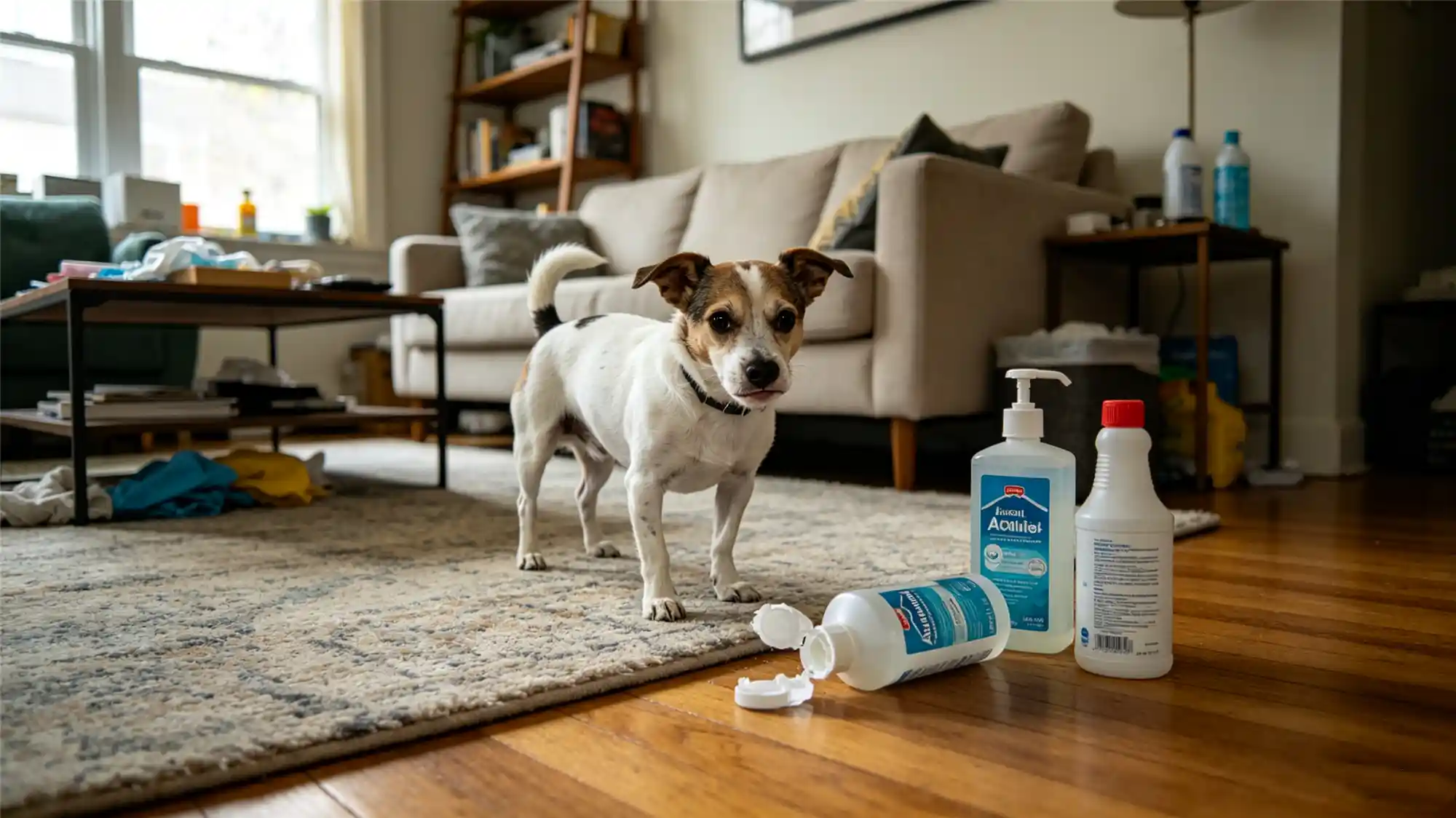
When using rubbing alcohol or bleach solutions, ensure proper ventilation and keep pets away until surfaces dry completely. Many commercial cleaning products contain alcohol derivatives that dogs find particularly offensive.
2. Chili Peppers and Spicy Scents
Capsaicin, the active compound in chili peppers, creates intense burning sensations that dogs strongly avoid. Even ground pepper or paprika can trigger immediate retreat behaviors.
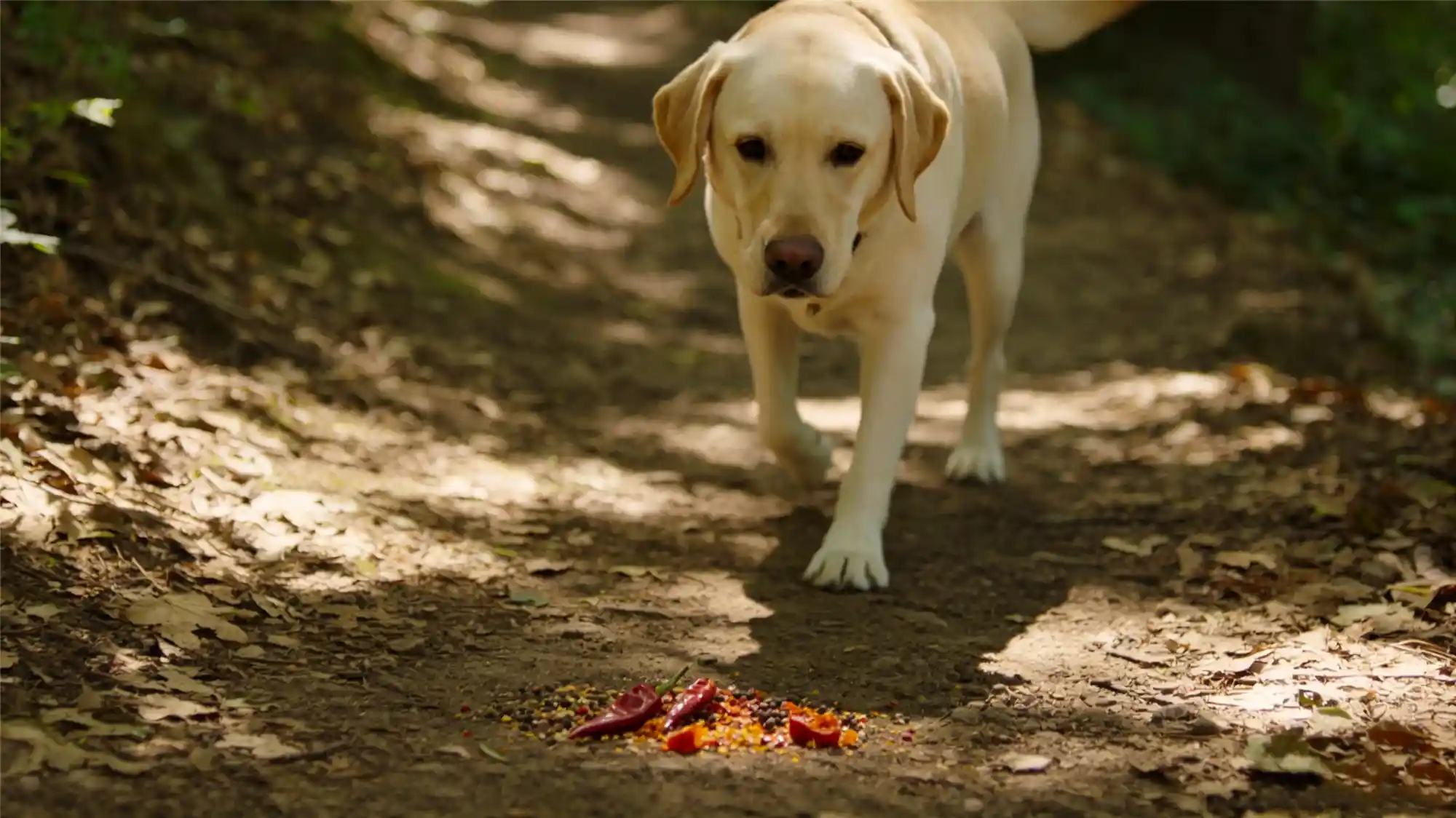
While peppers serve as effective natural deterrents for garden boundaries, never spray pepper solutions directly on your dog or their bedding. Inhalation can cause severe respiratory distress and sneezing fits.
3. Fresh Herbs: Mint, Rosemary, and Eucalyptus
Ironically, many fresh herbs we love in cooking repel dogs effectively. Strong aromatic herbs like peppermint, spearmint, rosemary, and eucalyptus contain essential oils that overwhelm canine senses.
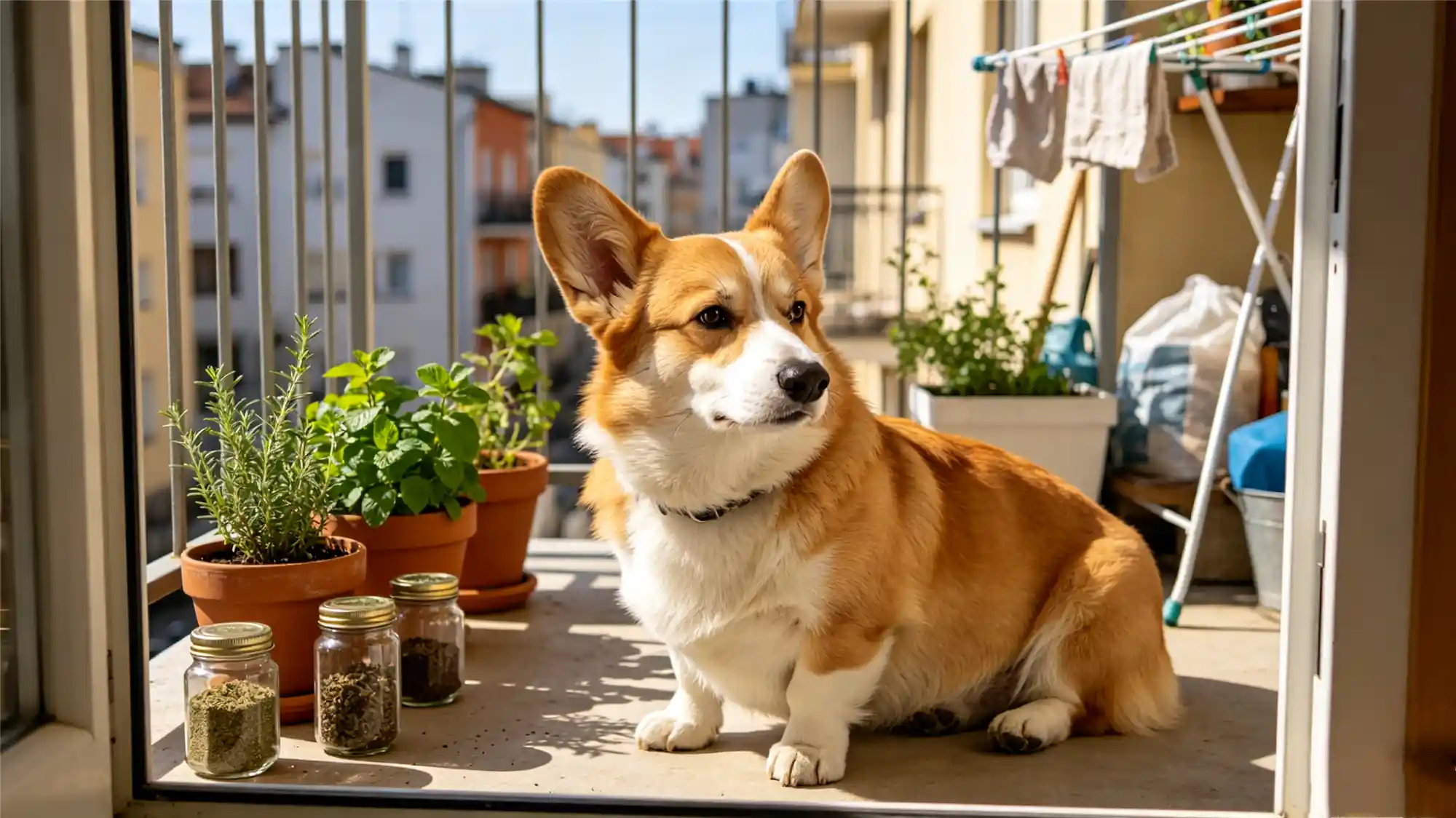
Planting these herbs strategically around garden beds can protect your vegetables from curious paws. However, avoid concentrated essential oil versions, which can be toxic if ingested or absorbed through the skin.
4. Onions and Garlic
Beyond being unpleasant, onions and garlic pose serious health risks to dogs. These allium family members contain thiosulfate compounds that damage red blood cells in canines.
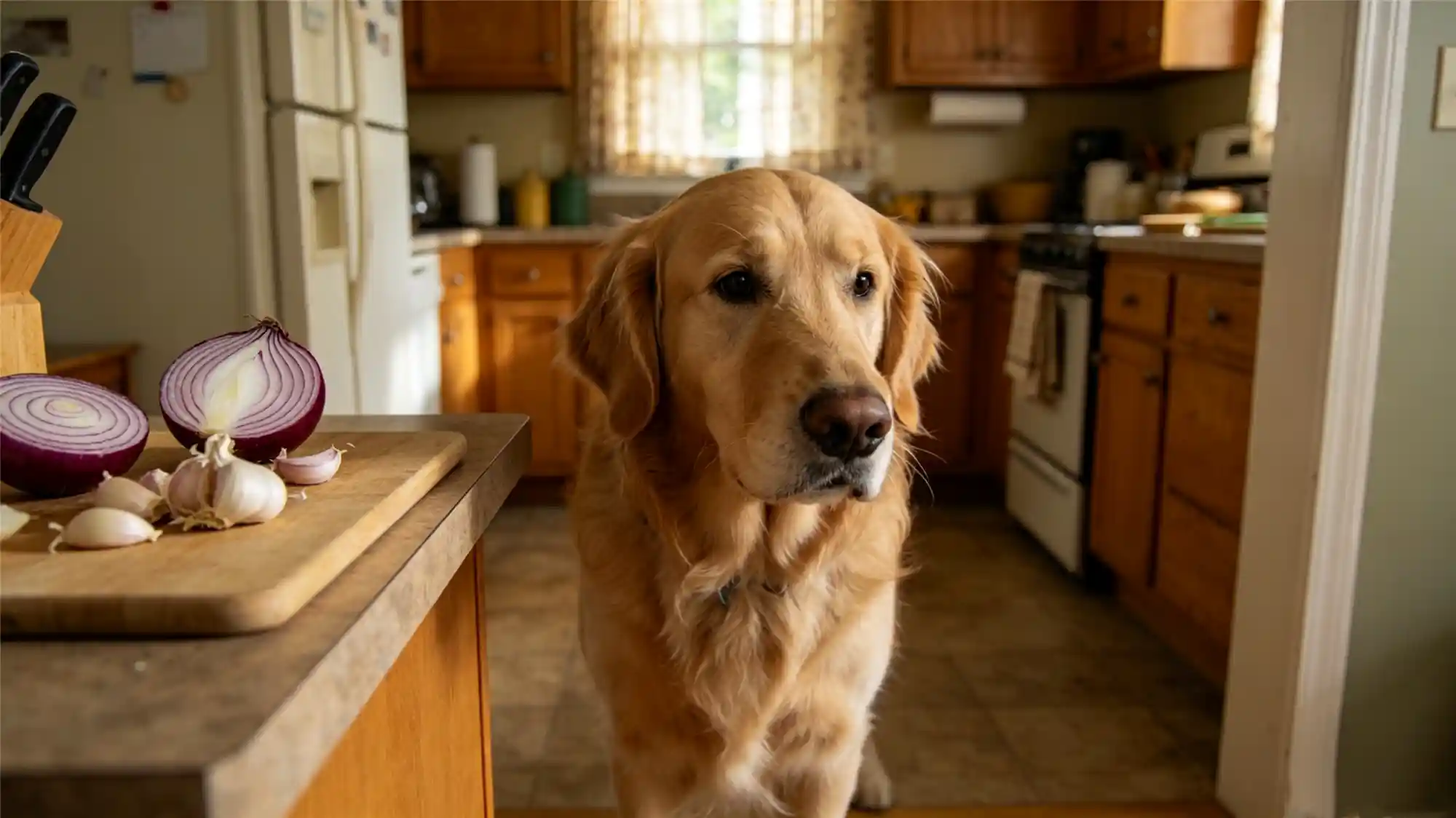
The strong sulfur smell serves as a natural warning system. Always store onions, garlic, chives, and leeks in sealed containers or high cabinets inaccessible to your pets.
5. Citrus Fruits
Lemon, lime, orange, and grapefruit peels contain limonene and linalool, compounds that dogs find intensely bitter and irritating. While not typically dangerous in small amounts, concentrated citrus oils cause drooling and pawing at the mouth.
6. Vinegar
White vinegar and apple cider vinegar produce sharp, acidic vapors that irritate canine nasal membranes. Many pet owners use diluted vinegar solutions as natural cleaning agents, but undiluted vinegar creates an effective barrier for off-limit areas.
7. Perfumes and Synthetic Fragrances
That expensive cologne or floral air freshener might smell divine to you, but dogs experience synthetic fragrances as chemical assaults. Alcohol-based perfumes and strong room sprays often cause headaches and disorientation in sensitive pups.
8. Mothballs and Naphthalene
Traditional mothballs contain naphthalene or paradichlorobenzene—chemicals highly toxic to dogs when inhaled or ingested. The distinctive sharp, chemical smell serves as a danger signal that dogs wisely avoid.
9. Ammonia
Found in window cleaners, urine stain removers, and fertilizers, ammonia mimics the smell of animal urine at concentrated levels. This confuses dogs and triggers stress responses. Never use ammonia-based cleaners on pet accidents, as it may encourage remarking rather than deter it.
10. Hot Peppers and Mustard
Beyond chili peppers, spicy mustard powders and horseradish create immediate nasal irritation. These condiments contain allyl isothiocyanate, which produces a burning sensation without actual heat.
Practical Applications for Dog Repellent Smells
Knowing what scent do dogs hate opens doors to positive training solutions:
Natural Boundary Training
Create invisible barriers by placing cotton balls soaked in vinegar or citrus oil near furniture you want to protect. Refresh weekly for consistent results.
Garden Protection
Sprinkle cayenne pepper or place rosemary cuttings around flower beds to deter digging. Reapply after rain or watering.
Crate and Bedding Safety
Avoid using strongly scented detergents or dryer sheets on pet bedding. Stick to fragrance-free, hypoallergenic laundry products.
Critical Safety Warnings
While using smells that dogs hate can solve behavior issues, prioritize safety:
- Never use essential oils directly: Tea tree, pennyroyal, and wintergreen oils are toxic to dogs even in small amounts
- Avoid respiratory irritants: Ammonia, bleach, and strong acids can damage lung tissue
- Watch for allergic reactions: Some dogs develop skin irritation from herb-based repellents
- Consult your vet: Before using any scent deterrent for anxiety or training issues
When Smell Aversion Indicates Health Issues
Sudden changes in your dog’s reaction to familiar smells may signal medical problems. Nasal infections, dental disease, or neurological conditions can alter scent perception. If your dog suddenly avoids food they previously enjoyed or seems confused by household odors, schedule a veterinary examination.
Conclusion
Understanding what smells dogs hate helps you create a harmonious home that respects your pet’s sensory limitations. From cleaning chemicals and citrus fruits to onions and strong herbs, these natural deterrents offer training opportunities when used responsibly.
Remember that your dog’s powerful nose serves as both gift and vulnerability. By eliminating offensive odors and using scent aversion strategically rather than punitively, you strengthen your bond while keeping your four-legged family member safe and comfortable.
Looking for pet-safe cleaning products or natural training aids? Browse our curated selection of veterinarian-approved supplies designed specifically for sensitive canine noses.