 Free shipping on orders over $75 across the U.S., with different free shipping promotions available in parts of
 Europe,
 South America,
 Australia.For all other countries, please contact us before placing your order, and we'll be happy to fast-track a shipping solution for you.
Why Does My Cat Wake Me Up at Night? 5 Vet-Approved Solutions for Uninterrupted Sleep
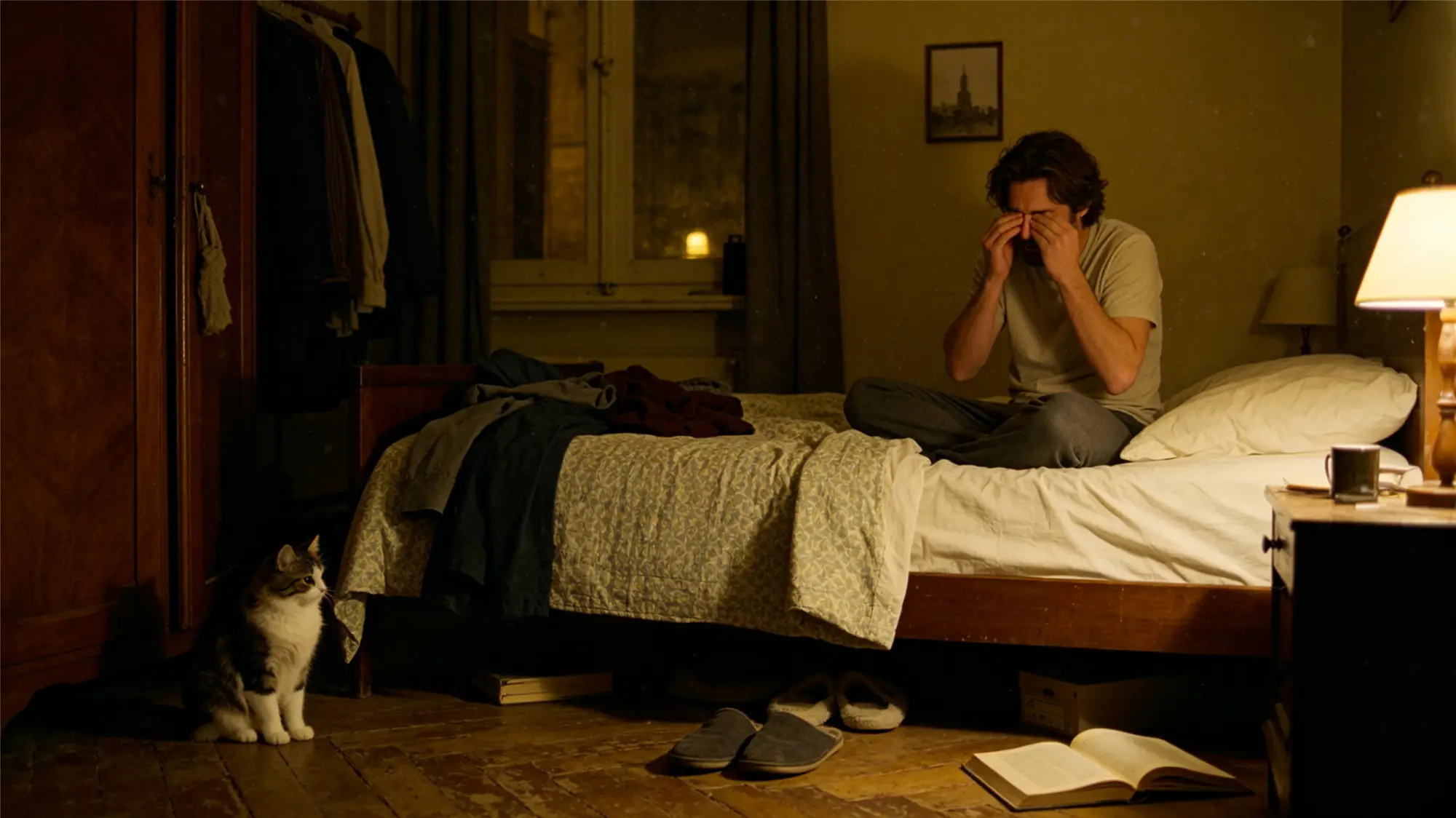
It starts with a soft paw on your face at 3 AM. Then the midnight yowling begins. Before you know it, your feline alarm clock has shredded your sleep schedule—and your sanity. If you are searching for ways to stop your cat from waking you up at night, you are not alone. Nearly 60% of cat owners report sleep disruption caused by their pets’ nocturnal antics.
But here is the truth: your cat is not being spiteful. They are following deep biological instincts that clash with your human circadian rhythm. The good news? You can restore peace to your bedroom without locking your beloved pet out.
Why Does Your Cat Wake You Up at Midnight?
Understanding the “why” is the first step toward solving this nighttime frustration. Cats are crepuscular creatures, meaning their peak activity hours align with dawn and dusk. Your midnight interruption is actually their biological prime time.
The Hunting Instinct Never Sleeps
In the wild, cats hunt small prey up to 20 times daily. Domestic cats retain this drive, and at late night hours, that energy explodes into:
- Pouncing on your moving feet under blankets
- Knocking objects off nightstands
- Excessive meowing for attention
- Running “zoomies” across your bed
Hunger and Boredom Triggers
Many owners unknowingly reinforce this behavior. If you get up to feed your cat when they cry at 2 AM, you have just taught them that waking you up equals breakfast. Similarly, cats left alone all day often sleep excessively, storing energy for their nighttime “hunt”—you.
The Hidden Cost of Feline Sleep Disruption
Beyond the immediate annoyance of being woken up, chronic sleep interruption affects your health. Studies link poor sleep to weakened immunity, increased stress hormones, and reduced cognitive function. Your relationship with your cat may also suffer as frustration builds.
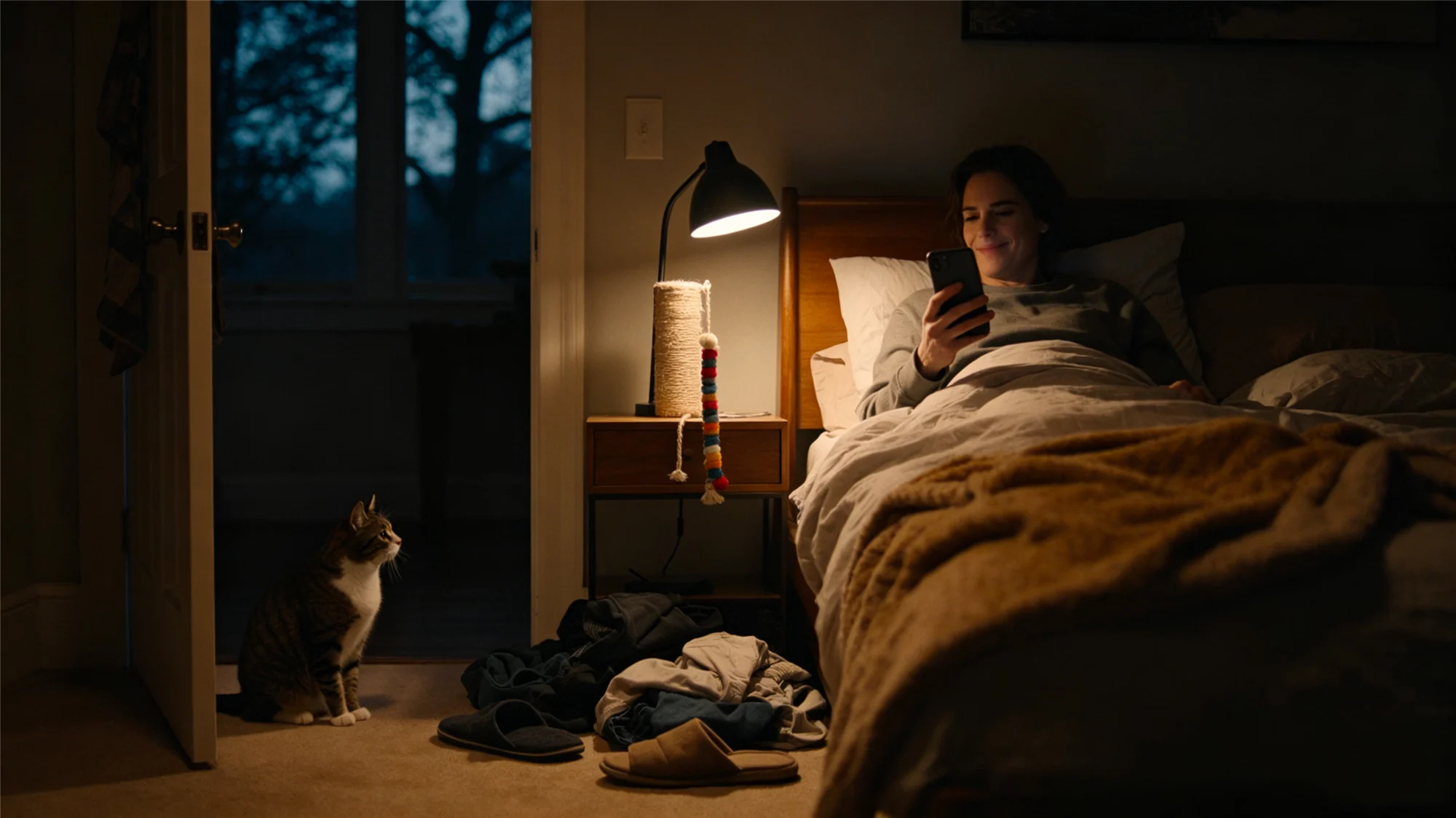
5 Proven Strategies to Reclaim Your Beauty Sleep
1. Establish a Pre-Bedtime Routine
Cats thrive on predictability. Create a 30-minute wind-down sequence that signals “nighttime mode” to your pet:
- Interactive play session with a wand toy (mimics hunting)
- Final meal or treat puzzle right before your bedtime
- Dimming lights and minimizing noise
This routine satisfies their hunting drive and fills their stomach, reducing the urge to wake you later. As shown above, keeping your cat occupied while you prepare for bed prevents them from seeing you as their midnight entertainment.
2. Optimize the Sleep Environment
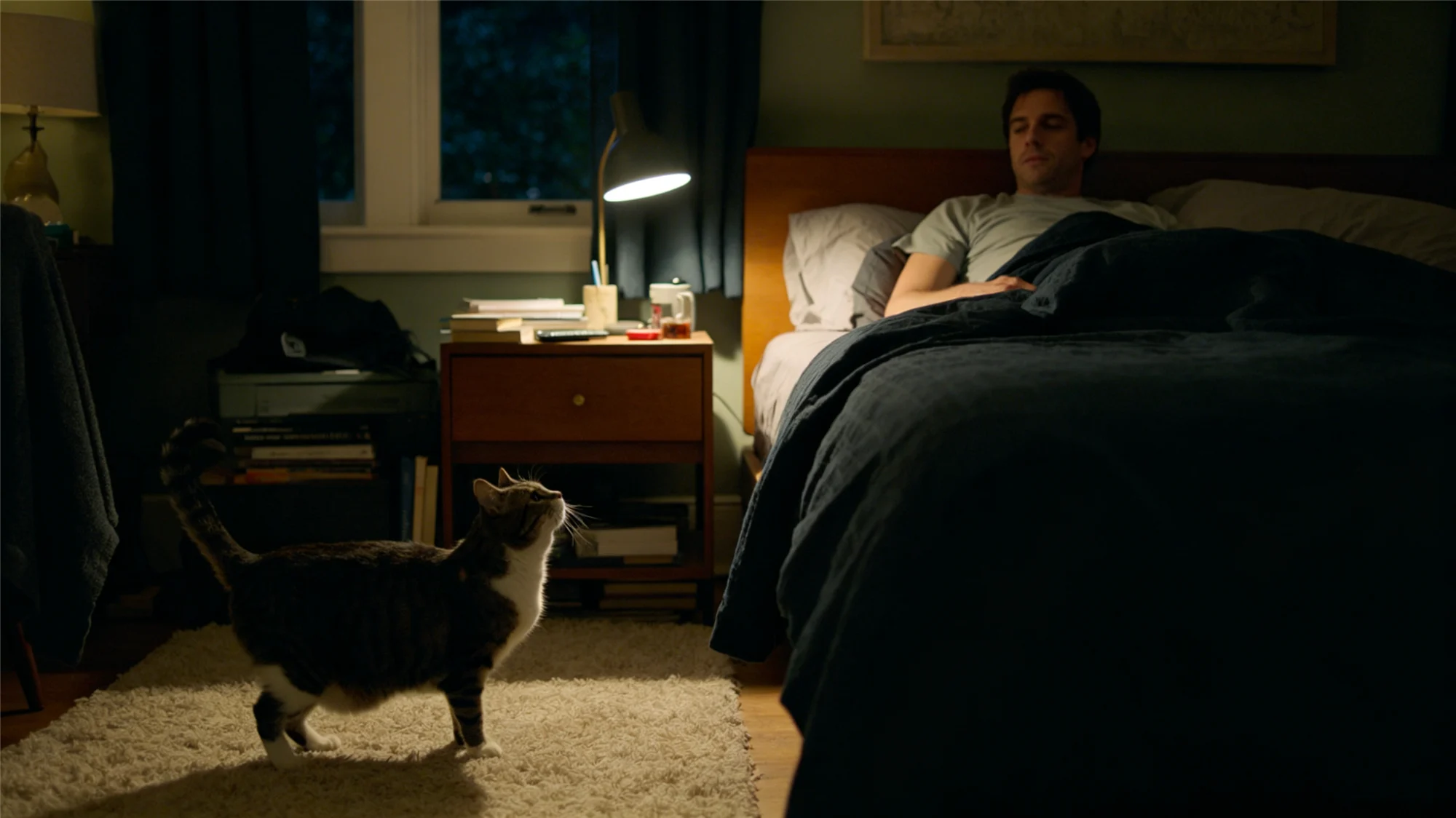
Make your bedroom a sanctuary for both species. Provide a heated cat bed near (but not on) your sleeping area, or consider a cat tree with a view of the window. Cats often wake owners simply because they want proximity—giving them their own comfortable space within sight often satisfies this need.
Blackout curtains can also help prevent early morning wake-up calls triggered by sunrise.
3. Strategic Ignoring (The Hard Part)
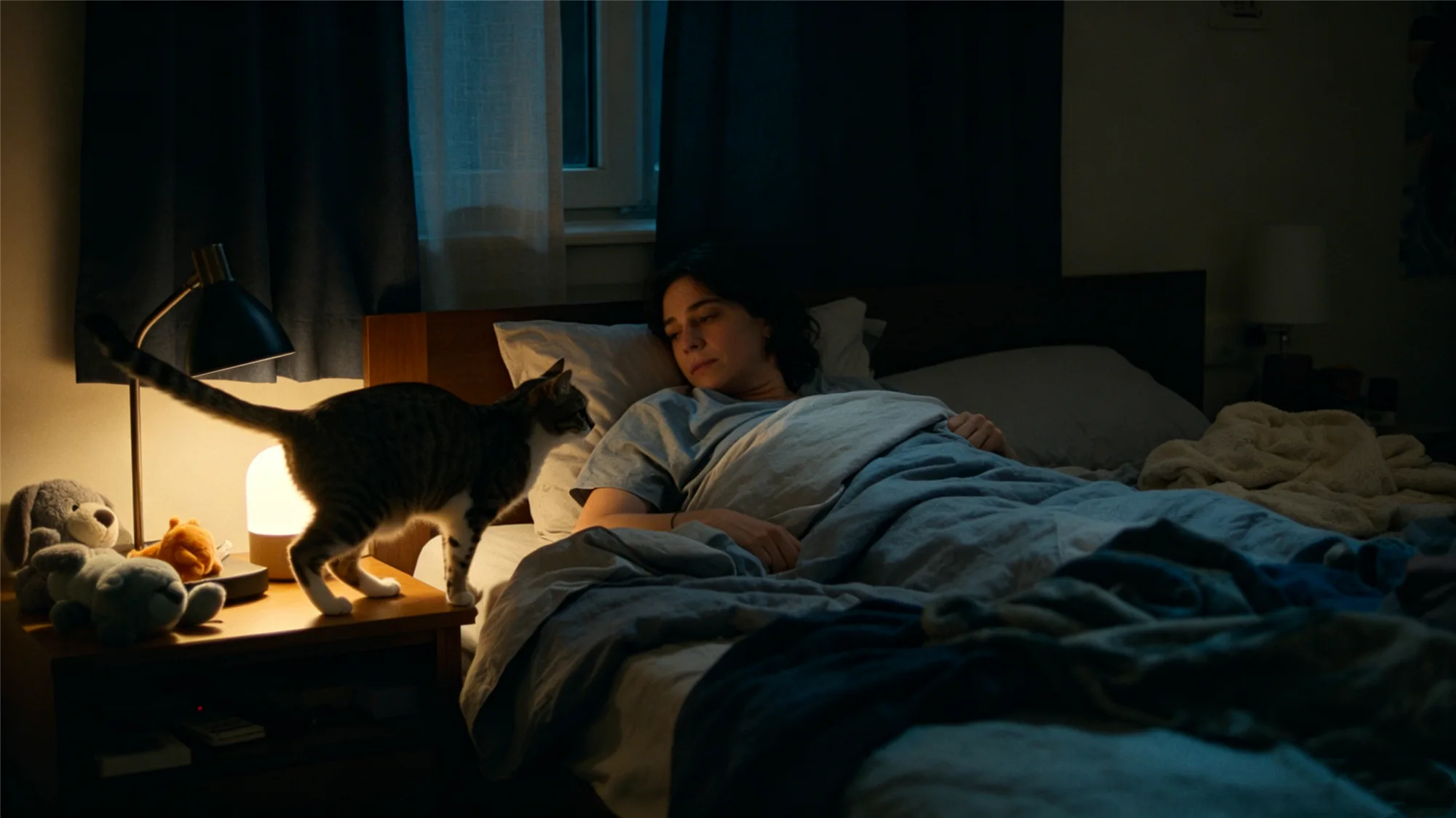
When your cat performs their 4 AM opera, any reaction reinforces the behavior. This includes:
- Saying “no” or shushing them (it is still attention)
- Pushing them off the bed (it is a game!)
- Getting up to feed them (jackpot!)
Invest in earplugs and ride out the storm. Most cats abandon the behavior within 3-5 nights if the payoff disappears completely.
4. Adjust Feeding Schedules
Switch from free-feeding to scheduled meals. Use an automatic feeder set for 3:30 AM with a small portion—your cat will learn to check the machine instead of your face. High-protein evening meals also promote satiety through the night.
5. Provide Alternative Nighttime Stimulation
Leave “quiet toys” accessible: puzzle feeders, catnip mice, or battery-operated motion toys. Place these in a different room to draw activity away from your bedroom. Some owners find success with video entertainment designed for cats on a tablet placed across the room.
When to Consult Your Veterinarian
Sudden changes in nighttime behavior sometimes indicate medical issues. Hyperthyroidism, arthritis pain, or cognitive dysfunction in senior cats can manifest as increased nighttime vocalization. If your previously quiet cat suddenly becomes a midnight menace, schedule a check-up to rule out health concerns.
Building a Sustainable Nighttime Harmony

With consistency, most cats adapt to their owner’s schedule within two weeks. The goal is not to suppress your cat’s nature, but to redirect it appropriately. By providing adequate daytime enrichment, strategic feeding, and clear boundaries, you can achieve the ultimate goal: peaceful nights with your feline companion.
Remember, your cat wants to be with you—they just need to learn that nighttime is for sleeping, not socializing. Start tonight with the pre-bedtime play routine, and wake up to happier mornings for both of you.