 Free shipping on orders over $75 across the U.S., with different free shipping promotions available in parts of
 Europe,
 South America,
 Australia.For all other countries, please contact us before placing your order, and we'll be happy to fast-track a shipping solution for you.
Indoor Cats vs. Outdoor Cats: Which Lifestyle Is Healthier?
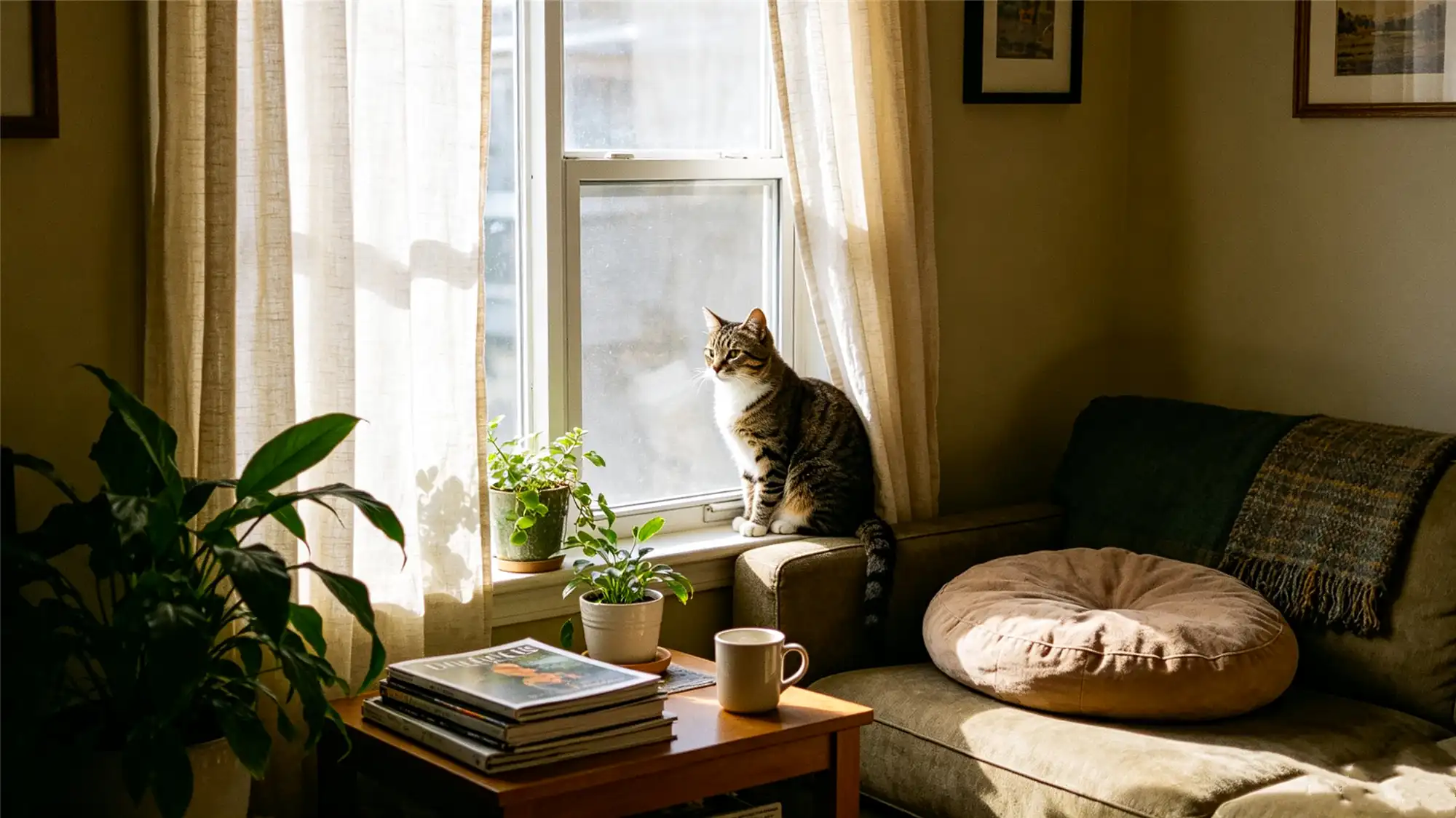
If you’ve ever watched your cat stare longingly out the window, you’ve probably asked yourself this question: Would they be happier if I let them outside? It’s one of the most debated topics among cat owners — and for good reason. The decision affects not just your cat’s quality of life, but its very lifespan.
This guide breaks down the evidence on indoor versus outdoor cat health, weighing the benefits and risks of each lifestyle so you can make an informed choice for your feline companion.
The Lifespan Gap: What the Numbers Actually Say
Let’s start with the most striking difference between indoor and outdoor cats: how long they live.
Recent research from the University of California, Davis, examining more than 3,000 cats over 20 years found that the median age at death for outdoor cats is around 7.25 years, compared to 9.43 years for indoor cats . While this gap is narrower than some older estimates (which suggested outdoor cats lived only 2–5 years), the difference is still substantial.
A 2022 study published in PLOS ONE reported median death ages of 9.98 years for indoor cats and 9.80 years for outdoor cats, but these differences were not statistically significant in that particular dataset . However, most veterinary authorities agree that unsupervised outdoor access significantly shortens a cat’s expected lifespan due to accumulated daily risks .
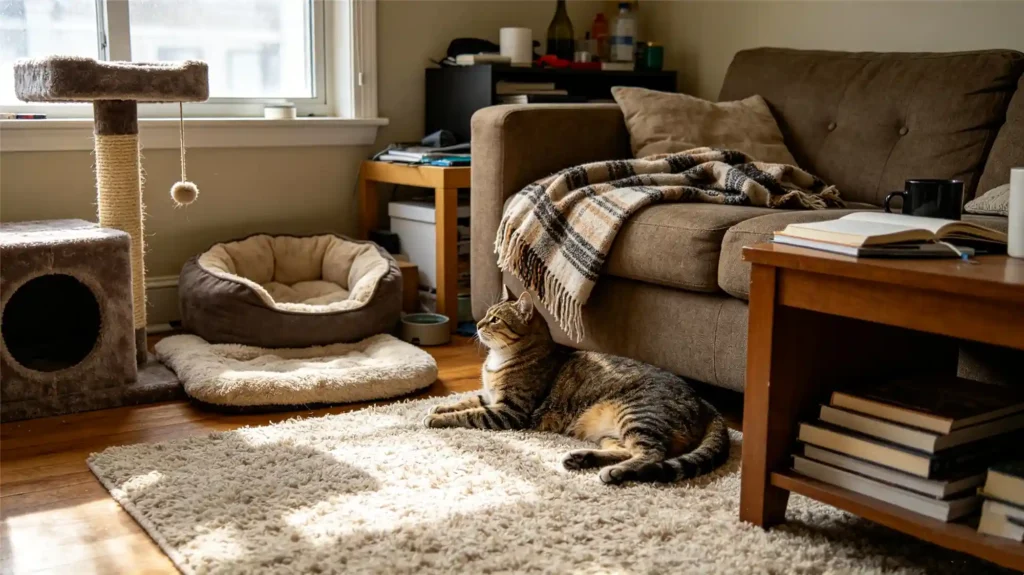
Indoor Cats: The Healthier Choice — But Not Without Challenges
The Advantages
1. Protection from Life-Threatening Hazards
Indoor cats are shielded from the most common killers of outdoor felines: traffic accidents, attacks by dogs or wildlife, intentional cruelty, and ingestion of toxins like antifreeze or rodenticides . They simply don’t face these risks daily.
2. Lower Risk of Infectious Disease
Outdoor cats are far more likely to contract serious illnesses from contact with stray or feral cats, including:
- Feline leukemia virus (FeLV)
- Feline immunodeficiency virus (FIV / “feline AIDS”)
- Feline distemper
- Upper respiratory infections
- Feline herpesvirus
Even with up-to-date vaccinations, the risk of exposure is dramatically higher outdoors.
3. Fewer Parasites
Cats that roam outdoors are 2.77 times more likely to be infected with parasites than indoor cats . This includes fleas, ticks, ear mites, and intestinal worms — some of which can also be transmitted to humans (like Toxoplasma gondii and Bartonella henselae, the bacteria that causes cat scratch disease) .
The Disadvantages
1. Risk of Obesity and Diabetes
Indoor cats tend to be less active than their outdoor counterparts. Without sufficient exercise, they’re more prone to weight gain, which can lead to diabetes, joint problems, and other obesity-related conditions . A lower-calorie diet and regular play sessions are essential for indoor cats.
2. Boredom and Behavioral Issues
An under-stimulated indoor cat may develop problem behaviors: excessive meowing, destructive scratching, over-grooming, or even aggression. Some cats may become depressed or try repeatedly to escape .
3. Limited Natural Behavior Expression
Indoor cats cannot fully express all their natural instincts — hunting, climbing, patrolling territory. While this doesn’t mean they can’t be happy, it does mean you must actively provide enrichment to compensate .
Outdoor Cats: Freedom Comes at a Cost
The Advantages
1. More Exercise and Natural Stimulation
Outdoor cats get plenty of physical activity — running, climbing, exploring. They’re also exposed to a rich sensory environment with new sights, smells, and sounds that can satisfy their curiosity and predatory instincts .
2. Expression of Natural Behaviors
Hunting, patrolling territory, scratching trees, and climbing — outdoor cats can engage in all these instinctive behaviors without relying on toys or human-provided enrichment .
The Disadvantages
1. Reduced Lifespan
As noted above, outdoor cats simply don’t live as long on average. The daily accumulation of risks — many of which are unpredictable — shortens their lives significantly .
2. Exposure to Fatal Diseases and Parasites
Outdoor cats encounter other animals regularly, increasing their risk of FeLV, FIV, and other infectious diseases. They’re also prime targets for fleas, ticks, and worms .
3. Physical Injury
Fights with other cats, attacks by dogs or wildlife (coyotes, foxes, birds of prey), and being hit by vehicles are all real, daily threats. Even if your cat survives, bite wounds can become infected, and injuries may lead to chronic pain or disability .
4. Poisoning and Cruelty
Outdoor cats may ingest poisoned rodents, drink antifreeze, or encounter malicious humans who wish them harm. These risks are impossible to control when your cat is outside unsupervised .
What Do Veterinarians Recommend?
Most veterinarians advise against allowing cats to roam freely outdoors . While outdoor cats may enjoy more physical activity and mental stimulation, the health and safety risks are simply too high for many veterinary professionals to endorse unsupervised outdoor access.
The American Animal Hospital Association (AAHA) and the American Association of Feline Practitioners (AAFP) emphasize that cats can live long, healthy, and happy lives indoors — as long as their owners provide proper environmental enrichment, nutrition, and veterinary care .
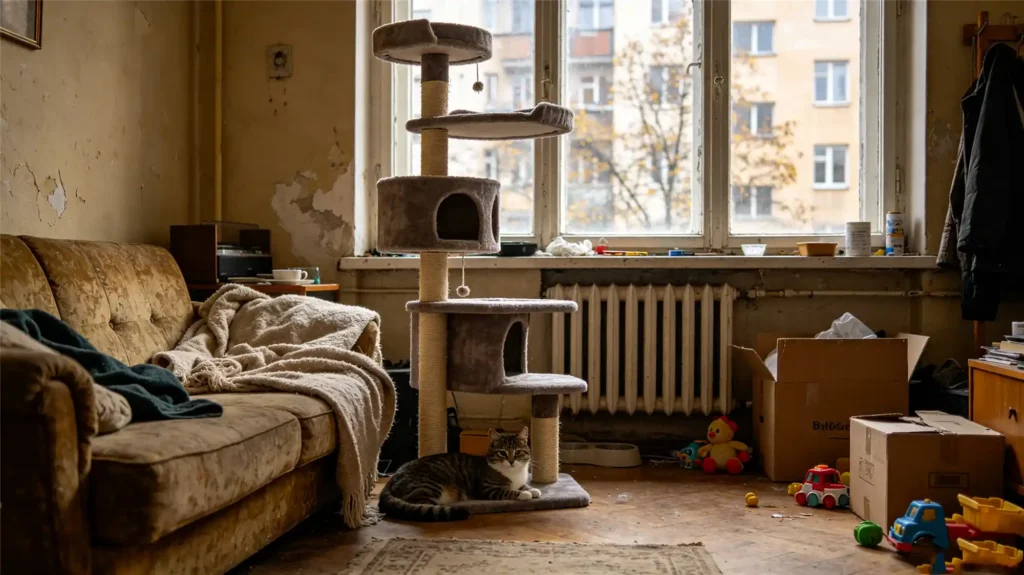
The Best of Both Worlds: Safe Outdoor Alternatives
If you’re concerned about your cat missing out on the outdoors, there are safer options than free-roaming:
Catios (Enclosed Patios)
These outdoor enclosures allow your cat to enjoy fresh air and sunshine without the risks of roaming. They can be purchased or DIY-built, ranging from simple window boxes to elaborate backyard structures .
Leash Walking
With patience and proper harness training, many cats can learn to walk on a leash. This gives them supervised outdoor exploration time without the dangers of free roaming .
Supervised Outdoor Time
Some owners allow their cats outside only while they’re present and watching. Even then, risks remain (a sudden scare could cause your cat to bolt), so this requires caution.
Window Perches
Simply giving your cat a comfortable spot to watch the outside world through a window can provide significant mental stimulation. Bird-watching is a favorite indoor activity for many felines .
How to Keep an Indoor Cat Happy and Healthy
A bored indoor cat is an unhappy (and potentially unhealthy) cat. Here’s what experts recommend :
- Daily interactive play — At least 15–30 minutes of active play with wand toys, laser pointers, or fetch
- Vertical space — Cat trees, shelves, and perches that let your cat climb and observe from above
- Scratching posts — Multiple surfaces in different locations
- Puzzle feeders — Toys that dispense food when played with, satisfying the hunting instinct
- Window access — A perch by a window for outdoor viewing
- Rotation of toys — Swap toys regularly to maintain novelty
- Consider a companion — Some cats enjoy having another cat or pet for social interaction
- Routine vet care — Regular check-ups catch health issues early
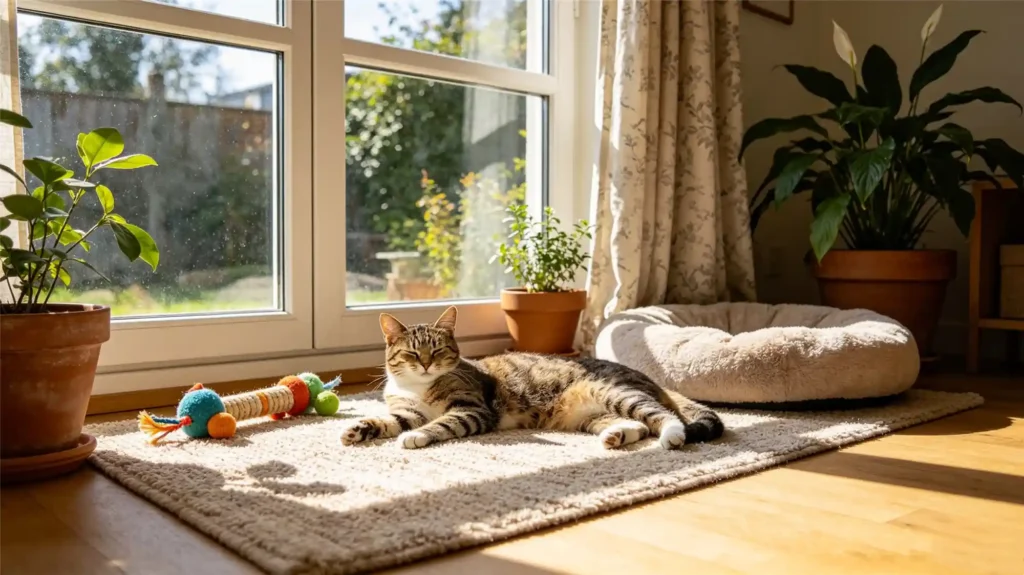
The Bottom Line: Which Is Healthier?
Based on the evidence — particularly from veterinary research and animal welfare organizations — indoor cats are generally healthier and live significantly longer than outdoor cats .
The risks of outdoor life — trauma, infectious disease, parasites, poisoning — are substantial and often fatal. While indoor living does present challenges (obesity, boredom), these are preventable and manageable through owner-provided enrichment, proper diet, and regular exercise.
Many cats that have only ever lived indoors are completely content and show no desire to go outside. For cats that do crave outdoor time, supervised alternatives like leash walks or catios offer a compromise between safety and stimulation .
Ultimately, the decision depends on your individual cat, your living environment, and your ability to provide enrichment. But the data is clear: keeping your cat indoors, with appropriate enrichment, is the choice most likely to give them a long, healthy life.