 Free shipping on orders over $75 across the U.S., with different free shipping promotions available in parts of
 Europe,
 South America,
 Australia.For all other countries, please contact us before placing your order, and we'll be happy to fast-track a shipping solution for you.
How Often Should a Dog Poop and Pee? (Puppy to Senior Guide)
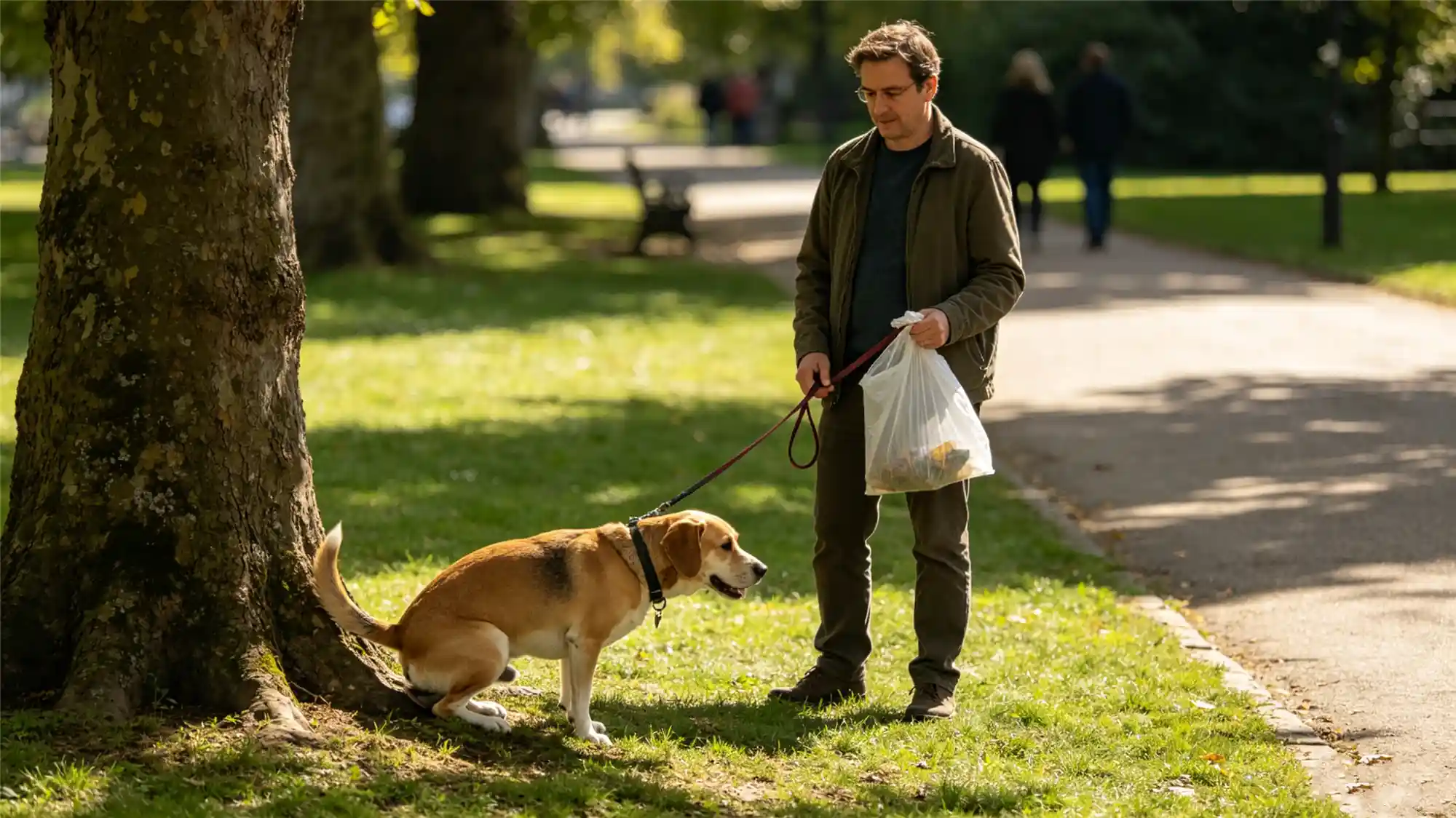
Staring at your dog by the door at 2 AM wondering if this is normal? You are not alone. Understanding how many times a day a dog should poop and pee is one of the most common concerns for new and experienced pet parents alike.
While every dog is different, there are clear veterinary guidelines that can help you distinguish between a healthy routine and a potential health red flag. This guide breaks down exactly what to expect—from energetic puppies to senior companions—so you can keep your furry friend comfortable and healthy.
How Many Times a Day Should a Dog Poop and Pee?
Most healthy adult dogs need to urinate 3 to 5 times daily and defecate 1 to 3 times. However, this is not a rigid rule. Some dogs may pee up to 8 times a day, especially if they drink plenty of water, while others may poop twice daily without any health issues.
The key is consistency. If your dog has maintained a specific schedule for months and suddenly changes frequency, that warrants attention.
Adult Dogs (1-7 Years)
- Urination: Every 4-6 hours, typically 3-5 times daily
- Defecation: 1-3 times daily, usually after meals
- Maximum hold time: 8-10 hours (though not recommended regularly)
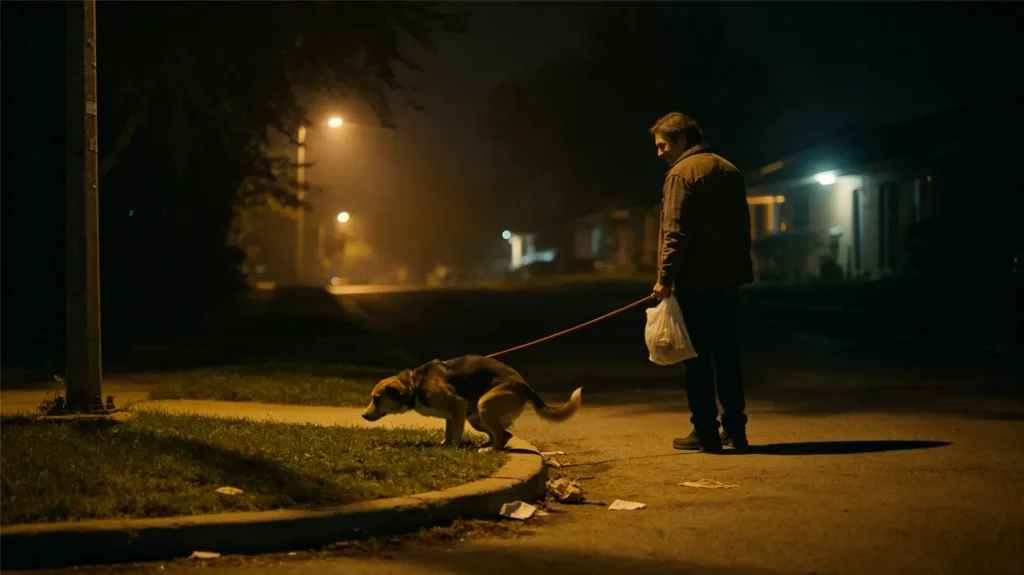
For adult dogs, the evening walk is often the longest stretch. While they can technically hold it overnight for 8 hours, forcing them to wait longer can lead to urinary tract infections or discomfort.
Puppies (2-6 Months)
Puppies have tiny bladders and fast metabolisms. They need to go out every 2-3 hours during the day, which translates to 8-10 bathroom breaks daily. The general rule is: one hour per month of age plus one. A 3-month-old puppy can hold it for about 4 hours maximum.
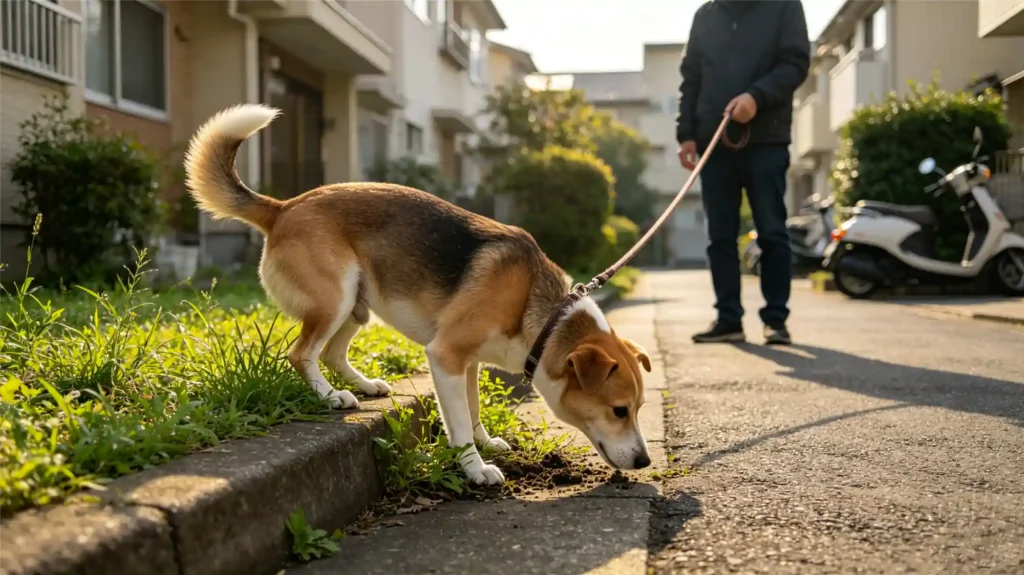
Frequent sniffing and circling, as shown above, are classic signs your puppy needs to go immediately. Missing these cues often results in accidents indoors.
Senior Dogs (7+ Years)
Aging dogs often revert to puppy-like frequencies. Senior dogs may need to relieve themselves every 4-6 hours due to decreased bladder control, arthritis, or underlying health conditions like kidney disease or diabetes.
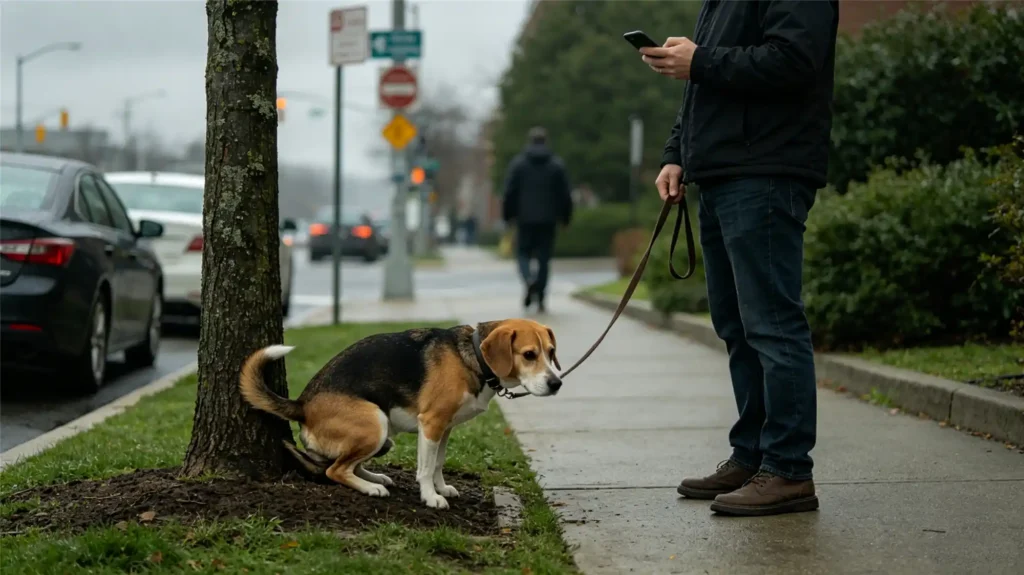
If your older dog is waking you up multiple times at night to go out, schedule a veterinary checkup. Nocturia (nighttime urination) can indicate treatable conditions.
Factors That Affect Bathroom Frequency
Beyond age, several variables influence how often your dog needs to go. Understanding these helps you set realistic expectations.
Diet and Water Intake
Dogs fed high-fiber diets or raw food typically poop more frequently than those on kibble. Similarly, increased water consumption—especially after exercise or during summer—naturally leads to more frequent urination.Home pet training pee pads
Exercise and Activity Levels
Physical activity stimulates the digestive system. A sedentary dog might defecate once daily, while an active working dog may go 3-4 times. Walks also trigger marking behaviors, increasing urination frequency even if the bladder isn’t full.
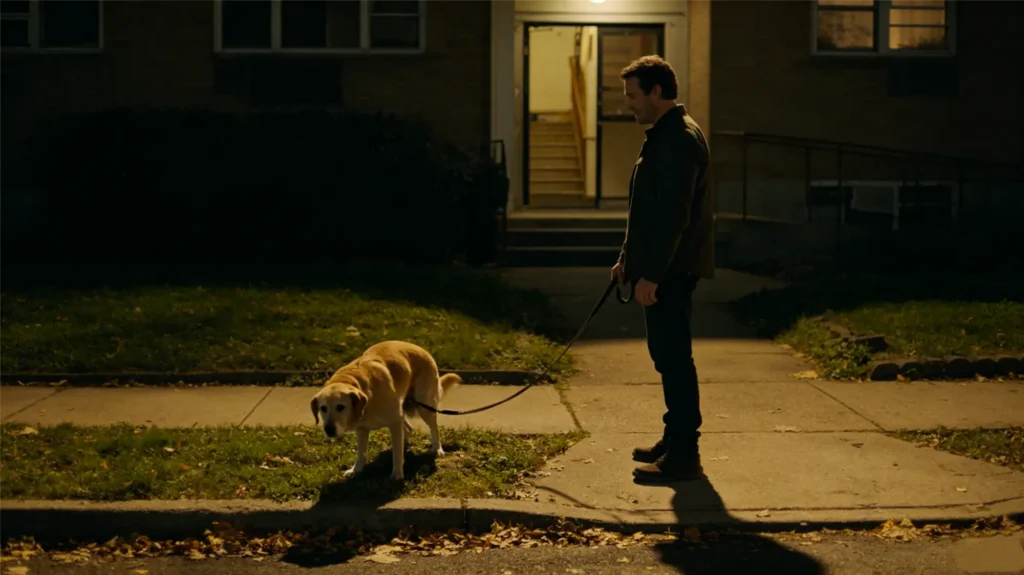
Always carry waste bags during walks. Responsible pet ownership means cleaning up after your dog, whether they go in your yard or at the local park.
Medical Conditions
Sudden increases in bathroom frequency can signal:
- Urinary tract infections (UTIs) – frequent, small amounts of urine
- Diabetes – excessive thirst and urination
- Gastrointestinal upset – diarrhea or increased bowel movements
- Cushing’s disease – polyuria and polydipsia
When to Call the Vet
Monitor your dog’s habits closely. Contact your veterinarian if you notice:
- Straining to urinate or defecate with little or no output
- Blood in urine or stool
- Going more than 24 hours without pooping
- Accidents in the house despite being house-trained
- Excessive thirst paired with frequent urination
These symptoms could indicate blockages, infections, or metabolic diseases requiring immediate treatment.
Establishing the Perfect Potty Routine
Consistency reduces accidents and anxiety. Follow this framework:
- Morning (First thing): Take out immediately after waking—don’t delay for coffee.
- Post-meal: Walk 15-30 minutes after eating to trigger the gastrocolic reflex.
- Before bedtime: Final opportunity to empty the bladder for uninterrupted sleep.
- After play sessions: Excitement often triggers the need to go.
Use positive reinforcement when your dog goes in the appropriate spot. Treats and praise create positive associations that strengthen the routine.
Key Takeaways
So, how many times a day does a dog poop and pee? For most healthy adults, expect 3-5 bathroom breaks for urination and 1-3 bowel movements daily. Puppies and seniors need more frequent outings, while diet, exercise, and health status create individual variations.
Track your dog’s normal patterns. When deviations last more than 48 hours, trust your instincts and consult your vet. A simple change in bathroom frequency often provides the earliest warning of health issues that are easier to treat when caught early.