 Free shipping on orders over $75 across the U.S., with different free shipping promotions available in parts of
 Europe,
 South America,
 Australia.For all other countries, please contact us before placing your order, and we'll be happy to fast-track a shipping solution for you.
How to Cut Dog Hair at Home: The Complete Grooming Guide for Beginners
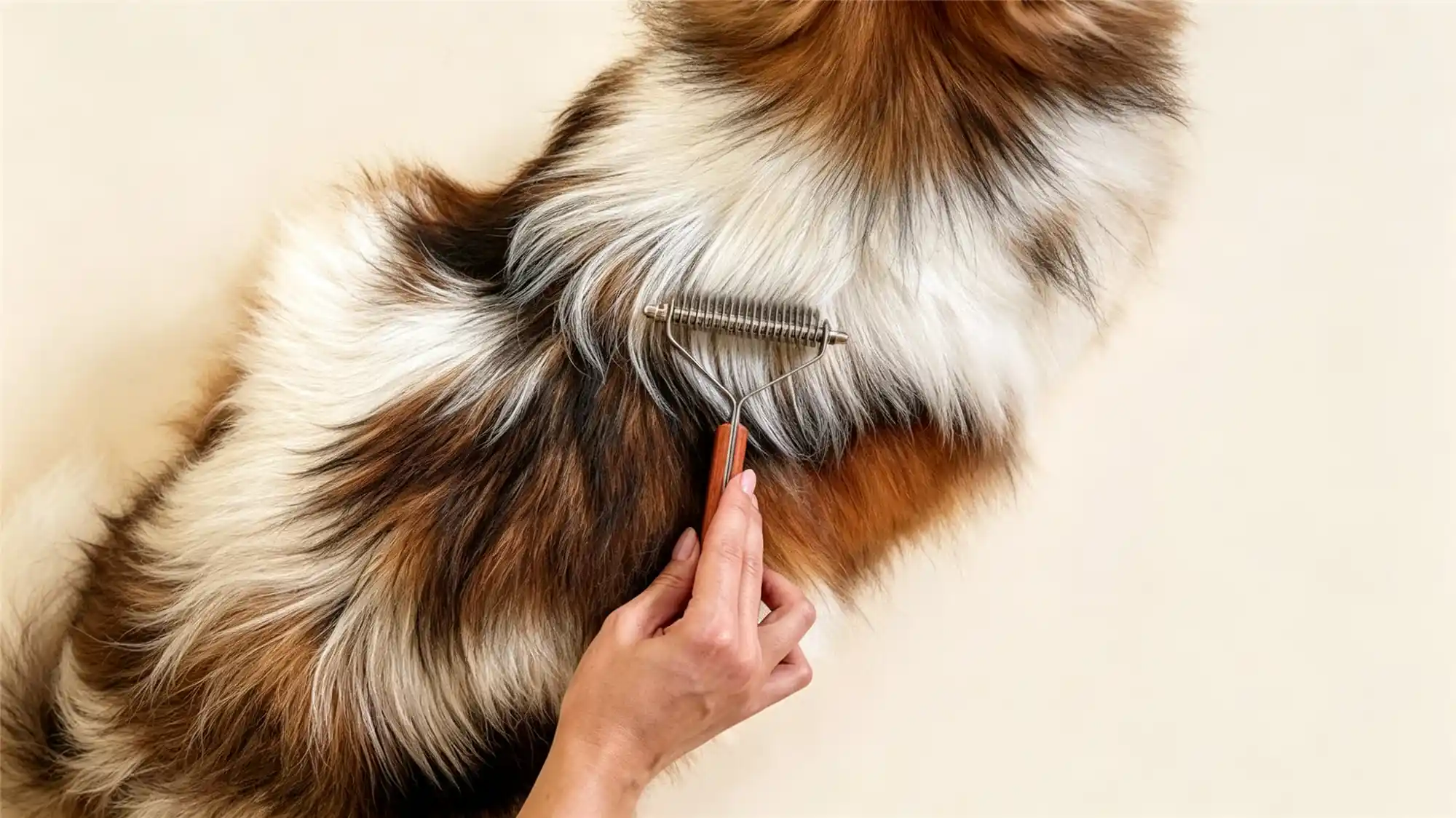
Is your dog’s coat looking shaggy, matted, or overgrown? You are not alone. Many pet parents dread the expensive professional grooming bills or struggle with anxious dogs who hate the salon. The good news: with the right techniques and tools, you can master dog hair care and at-home dog grooming safely.
This guide covers everything from basic coat trimming to professional-level styling tips. Whether you own a Poodle, Golden Retriever, or a mixed breed, these expert-backed strategies will keep your pup looking fresh while maintaining healthy skin.
Why Regular Dog Hair Care Matters
Neglecting your dog’s coat does more than affect their appearance. Poor grooming leads to painful matting, skin infections, and overheating. Regular maintenance helps:
- Prevent matting and tangles that pull on skin and cause discomfort
- Distribute natural oils for a shiny, healthy coat
- Reduce shedding around your home by removing loose undercoat
- Spot health issues early like lumps, ticks, or skin irritations
Essential Tools for At-Home Dog Grooming
Before you start cutting or trimming, invest in quality tools. Using kitchen scissors or human clippers can injure your dog or damage their coat texture.
Must-Have Grooming Kit
- Professional grooming scissors (straight, curved, and thinning shears)
- High-quality steel comb with fine and coarse teeth
- Detangling brush or slicker brush for your dog’s specific coat type
- Electric clippers with guard combs for body trimming
- Styptic powder to stop bleeding if you nick a quick
Step-by-Step Guide to Trimming Your Dog’s Coat
Ready to give your dog a DIY haircut? Follow this safe, stress-free process used by professional groomers.
1. Preparation is Key
Always start with a clean, dry coat. Bathe your dog 24 hours before trimming—cutting dirty hair dulls scissors and creates uneven lines. Brush thoroughly to remove all tangles; attempting to cut matted fur leads to bald patches.
2. Body Trimming Technique
Work in the direction of hair growth using smooth, confident strokes. For long-haired breeds:
- Use clipper guard combs (#3 or #4) for uniform body length
- Hold the skin taut with your free hand to prevent nicks
- Take breaks every 10-15 minutes if your dog gets restless
3. Precision Cutting for Paws and Legs
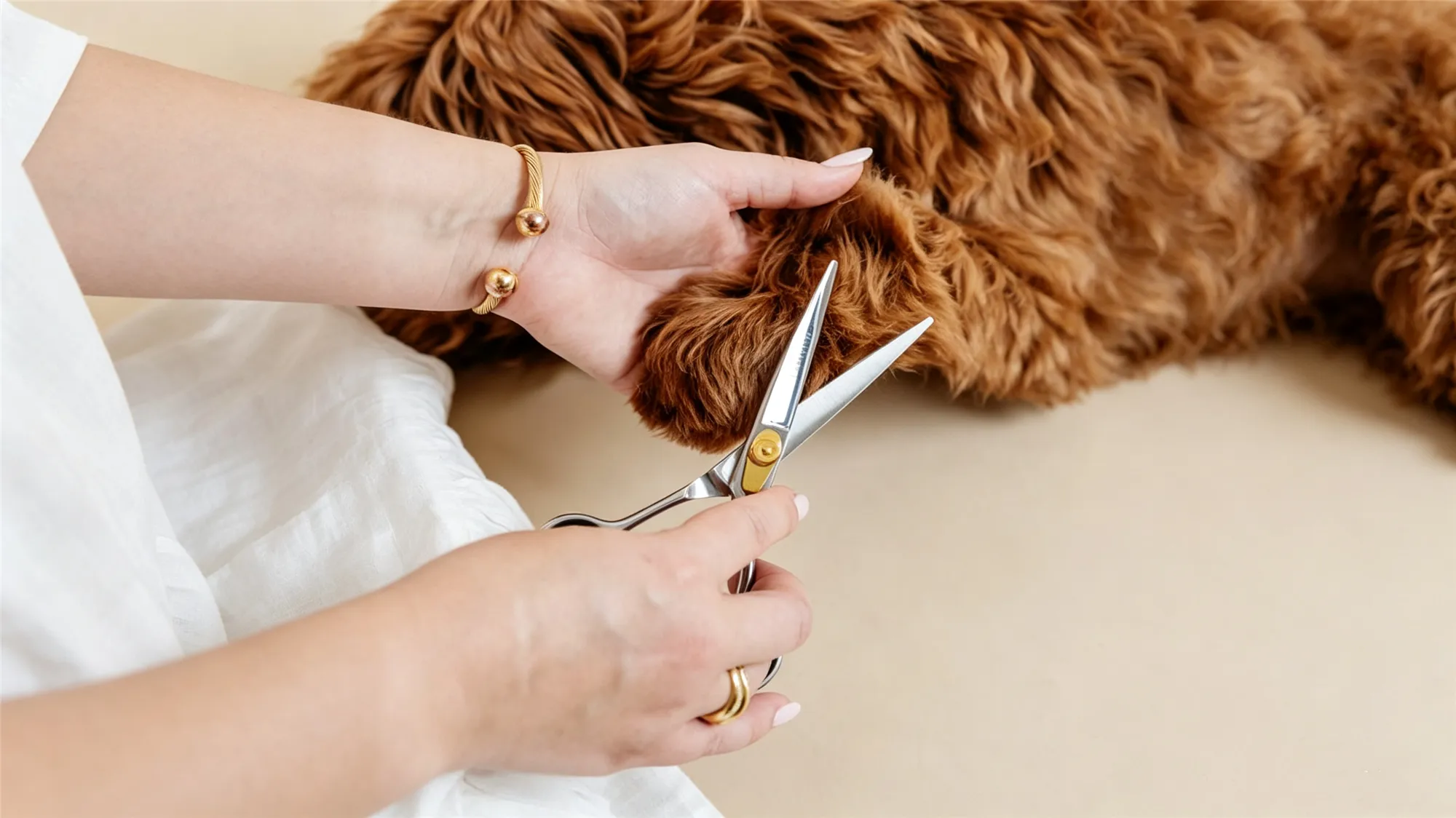
The legs require patience. Use curved scissors to shape round “boots” on Poodles or Bichons, or straight scissors for natural-looking trims on Spaniels.
Face and Sensitive Area Care
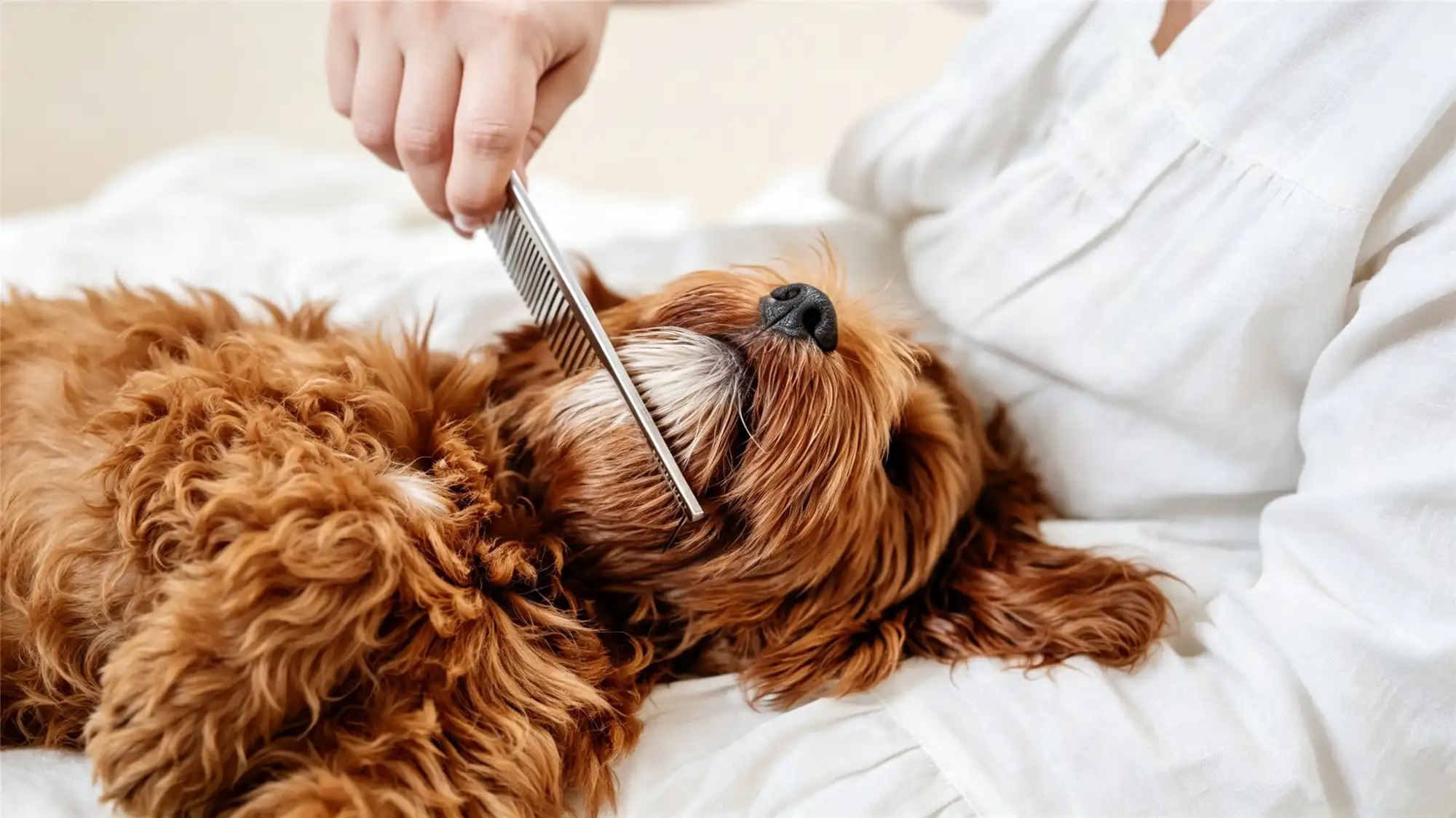
Facial trimming demands extra caution. Dogs move suddenly, so secure your grip gently but firmly.
Safe Face Trimming Tips
- Trim around the eyes using blunt-tip scissors only
- Clean the beard area to prevent food staining and bacteria buildup
- Check ear canals—remove excess hair blocking airflow to prevent infections
- Sanitary trims around the belly and rear keep your dog clean
Always reward your dog with treats after handling sensitive areas. This builds positive associations with dog grooming routines. For more insights on understanding your pet’s needs, explore our guide on pet psychology and behavior.
Professional vs. DIY: When to Seek Expert Help
While at-home dog hair care saves money, some situations require a certified groomer:
- Severely matted coats (dematting hurts and risks cutting skin)
- Specific breed cuts like show-quality Poodle clips or Schnauzer patterns
- Aggressive or anxious dogs who bite during grooming
- Nail grinding if you are uncomfortable with the quick
Post-Grooming Skin and Coat Care
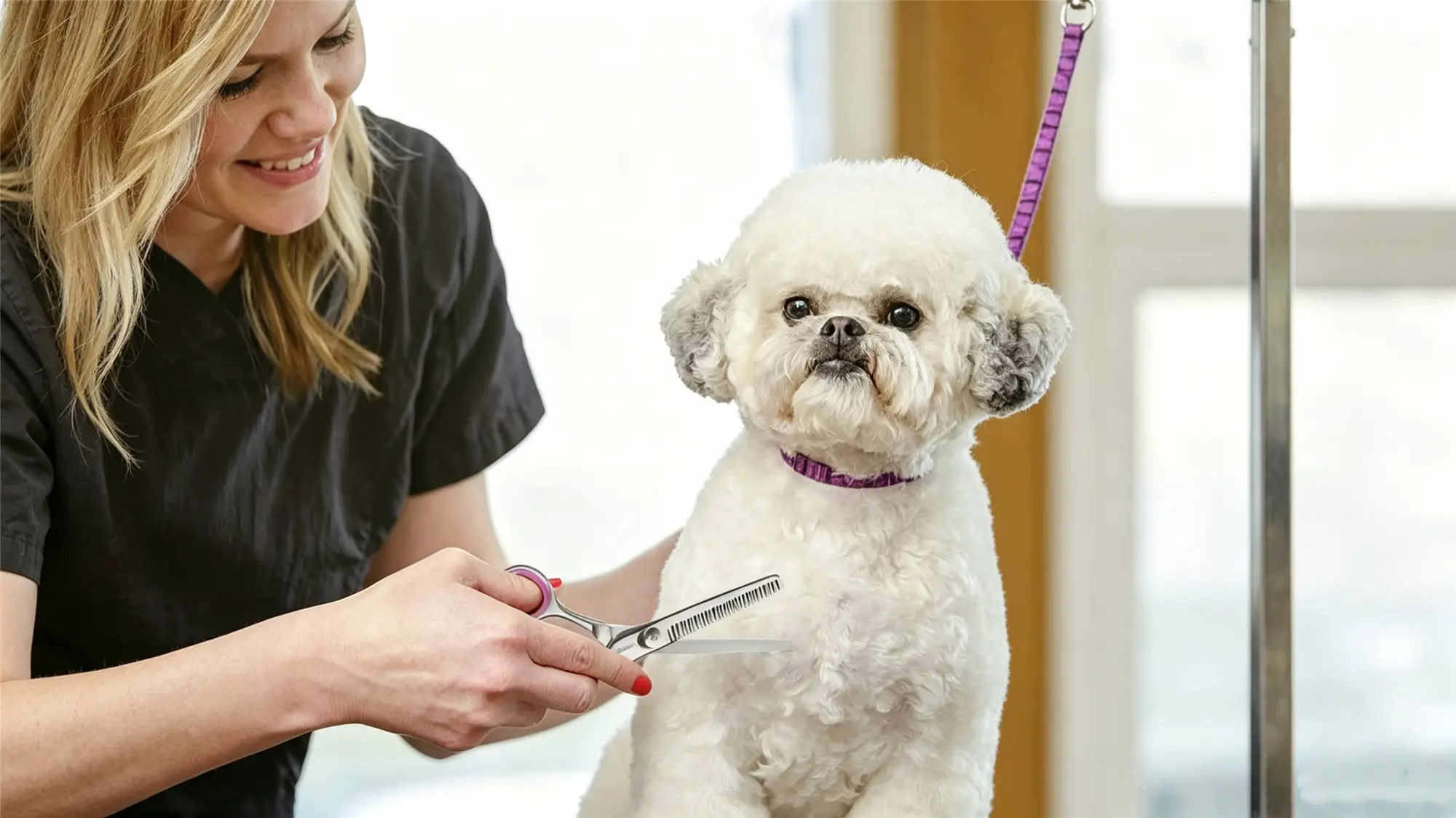
Trimming is only half the battle. Proper after-care ensures your dog’s skin stays hydrated and irritation-free.
Moisturizing and Protection
- Apply paw balm to prevent cracked pads after clipping fur between toes
- Use hypoallergenic coat conditioner spray between baths
- Brush 2-3 times weekly to maintain the trim and prevent new mats
- Monitor for clipper burn—redness indicates blades were too hot or dull
Common Dog Hair Care Mistakes to Avoid
Even well-meaning owners make these errors:
- Bathing before brushing: Water tightens mats, making them impossible to remove
- Using dull blades: Tugging causes pain and creates choppy results
- Rushing the process: Forcing a stressed dog creates lifelong grooming fears
- Ignoring the double coat: Never shave Huskies or Golden Retrievers—it damages temperature regulation
Final Thoughts: Building a Grooming Routine
Consistent dog hair care keeps your pet comfortable and strengthens your bond. Start with short sessions, praise generously, and gradually work up to full haircuts. With practice, you will achieve salon-quality results from your living room—saving hundreds of dollars annually while keeping your best friend looking their absolute best.
Remember: every snip is an act of love. Happy grooming!