 Free shipping on orders over $75 across the U.S., with different free shipping promotions available in parts of
 Europe,
 South America,
 Australia.For all other countries, please contact us before placing your order, and we'll be happy to fast-track a shipping solution for you.
Is Your Cat a Picky Eater? 7 Proven Strategies to Correct Finicky Feline Habits

You place down a fresh bowl of premium cat food, only to watch your feline friend sniff it disdainfully and walk away. If this scenario sounds familiar, you’re not alone. Picky eating is one of the most common—and stressful—behavioral issues cat parents face. Whether your cat has suddenly turned up their nose at their favorite kibble or has been a lifelong finicky eater, correcting this behavior requires patience, strategy, and understanding of feline psychology. This guide will walk you through evidence-based methods to transform your cat from a hesitant nibbler to an enthusiastic eater, ensuring they receive the nutrition they need to thrive.
Understanding Why Cats Become Picky Eaters
Before you can fix the problem, you need to understand what’s driving your cat’s selective appetite. Feline food aversion isn’t always about stubbornness—it often signals underlying issues that require different solutions.
Medical vs. Behavioral Causes
Sudden changes in eating habits often indicate health problems rather than mere fussiness. Dental pain, gastrointestinal issues, or upper respiratory infections can make eating uncomfortable. If your cat’s pickiness developed rapidly, schedule a veterinary check-up first.
Behavioral triggers include:
• Food boredom from eating the same flavor for months
• Environmental stress such as new pets, moving, or loud noises near feeding areas
• Overfeeding of treats between meals, reducing appetite for regular food
• Whisker fatigue from deep bowls that touch sensitive facial nerves
The Hidden Costs of Ignoring Picky Eating
Allowing your cat to dictate their diet might seem harmless, but prolonged picky eating can lead to serious health complications. Cats are obligate carnivores with unique metabolic requirements. When they refuse balanced meals for extended periods, they risk:
• Hepatic lipidosis (fatty liver disease), which can develop within 48-72 hours of inadequate eating
• Nutritional deficiencies affecting coat quality, immune function, and organ health
• Unhealthy weight loss leading to muscle wasting in senior cats
7 Strategies to Correct Your Cat’s Picky Eating
1. Establish a Strict Feeding Schedule
Free-feeding encourages grazing behavior and reduces food motivation. Transition to two to three scheduled meals daily, leaving food out for only 20-30 minutes before removing it. This creates healthy hunger cues and teaches your cat that mealtime is a limited opportunity.
Consistency is crucial. Feed at the same times daily, ideally before your own meals to mimic natural hunting-then-eating patterns.
2. Eliminate the Buffet Effect
Offering multiple food options simultaneously seems generous, but it actually reinforces pickiness. When cats have unlimited choices, they learn to hold out for something better.
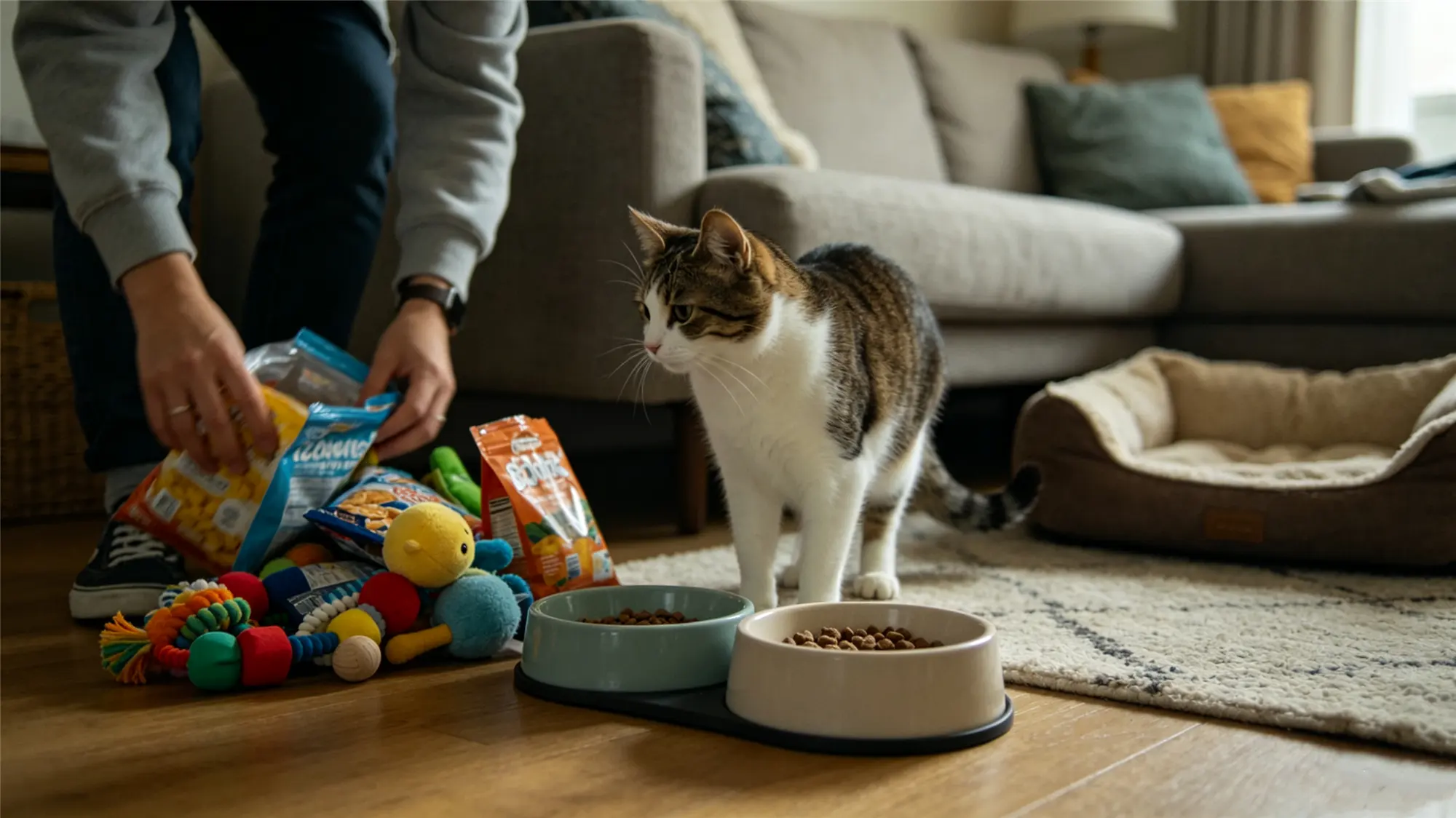
Instead, offer one protein type per meal. If they refuse, remove the bowl and try again at the next scheduled feeding. Avoid the temptation to open new food bags or offer treats as substitutes—this teaches your cat that refusal results in better options.
3. Optimize the Eating Environment
Cats are vulnerable while eating, making environmental security essential for appetite stimulation. Position food bowls away from high-traffic areas, litter boxes, and loud appliances.
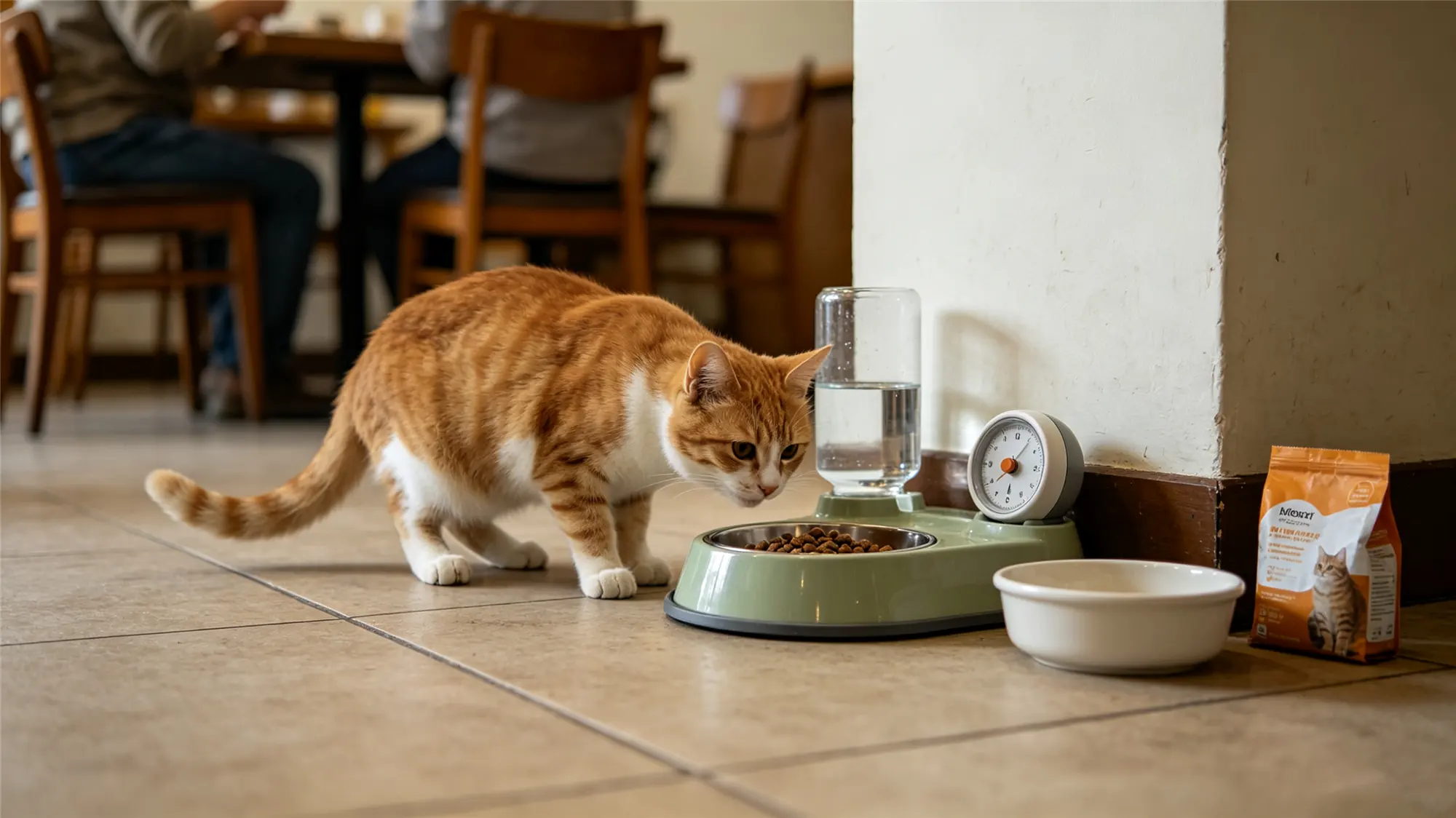
Consider these environmental upgrades:
• Use wide, shallow dishes to prevent whisker fatigue Choosing the right bowls for your cat
• Place water bowls separately from food (cats naturally avoid drinking near kill sites)
• Ensure the feeding area allows your cat to face the room while eating
• Keep the area impeccably clean—cats have sensitive noses and may reject food near strong smells
4. Transition Foods Gradually
If you need to switch brands or proteins, abrupt changes often trigger rejection. Implement a 7-10 day transition protocol:
• Days 1-3: 75% old food, 25% new food
• Days 4-6: 50% old food, 50% new food
• Days 7-9: 25% old food, 75% new food
• Day 10+: 100% new food
For extremely stubborn cats, extend each phase to 3-4 days. Mixing in a small amount of warm water or low-sodium broth can enhance aroma and palatability during transitions.
5. Track Eating Patterns and Preferences
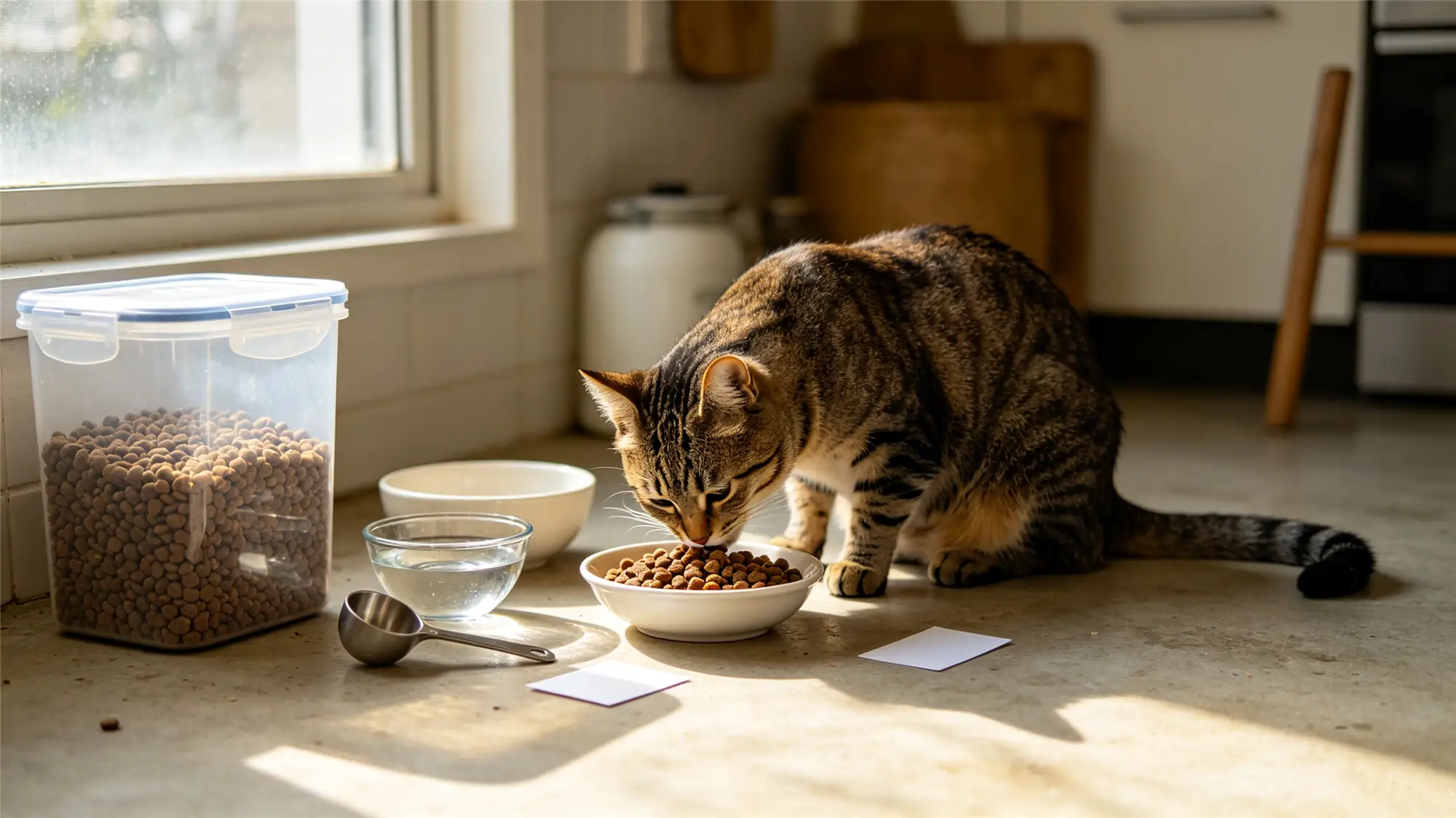
Data reveals patterns you might miss day-to-day. Keep a feeding journal noting:
• Exact amounts consumed
• Times of day when appetite peaks
• Environmental factors during successful meals
• Specific textures or temperatures preferred

Many cats prefer room-temperature or slightly warmed food (never hot) as it releases aromatic compounds. Others show texture preferences—pâté versus chunks in gravy—that vary by brand due to moisture content differences.
6. Enhance Food Palatability Naturally
Before resorting to unhealthy toppers, try these appetite stimulants:
• Texture modification: Some cats prefer kibble crushed slightly or wet food mashed smooth
• Temperature adjustment: Warm wet food to body temperature (around 100°F)
• Scent enhancement: Sprinkle freeze-dried liver powder or nutritional yeast (check for B-vitamin fortification)
• Interactive feeding: Use puzzle feeders to engage hunting instincts
Avoid creating dependency on unhealthy toppers like tuna juice or milk, which can cause nutritional imbalances and reinforce picky behavior.
7. Implement the “Tough Love” Protocol
For healthy adult cats refusing food for behavioral reasons, controlled hunger can reset expectations. After veterinary clearance, offer only scheduled meals of their regular food. If refused, remove the bowl and offer fresh food at the next mealtime.
Most cats will eat within 24-48 hours. Never let a cat go longer than 24 hours without eating (12 hours for kittens or seniors) without veterinary consultation, as this risks hepatic lipidosis.
Maintaining Long-Term Success
Once your cat accepts regular meals, prevent regression by:
• Rotating protein sources every 2-3 months to prevent boredom
• Maintaining strict treat limits (no more than 10% of daily calories)
• Preserving quiet, consistent feeding routines even during household changes
When to Consult Your Veterinarian
Seek immediate professional help if your cat:
• Hasn’t eaten for 24 hours (adults) or 12 hours (kittens/seniors)
• Shows signs of illness: lethargy, vomiting, diarrhea, or hiding
• Loses weight rapidly or shows jaundice (yellowing gums/eyes)
• Drinks excessive water but refuses food (possible kidney issues)
Conclusion: Patience Pays Off
Correcting picky eating in cats requires consistency and emotional restraint. It is tempting to offer alternatives when your cat looks at you with pleading eyes, but giving in reinforces the very behavior you want to change. By establishing structured routines, optimizing feeding environments, and resisting the urge to negotiate with your feline food critic, you will help your cat develop healthy, consistent eating habits. Remember: you are not being cruel by offering only nutritious options—you are being a responsible guardian ensuring your cat’s long-term health and happiness.