 Free shipping on orders over $75 across the U.S., with different free shipping promotions available in parts of
 Europe,
 South America,
 Australia.For all other countries, please contact us before placing your order, and we'll be happy to fast-track a shipping solution for you.
Do Cats and Dogs Need to Brush Their Teeth? A Complete Pet Dental Care Guide
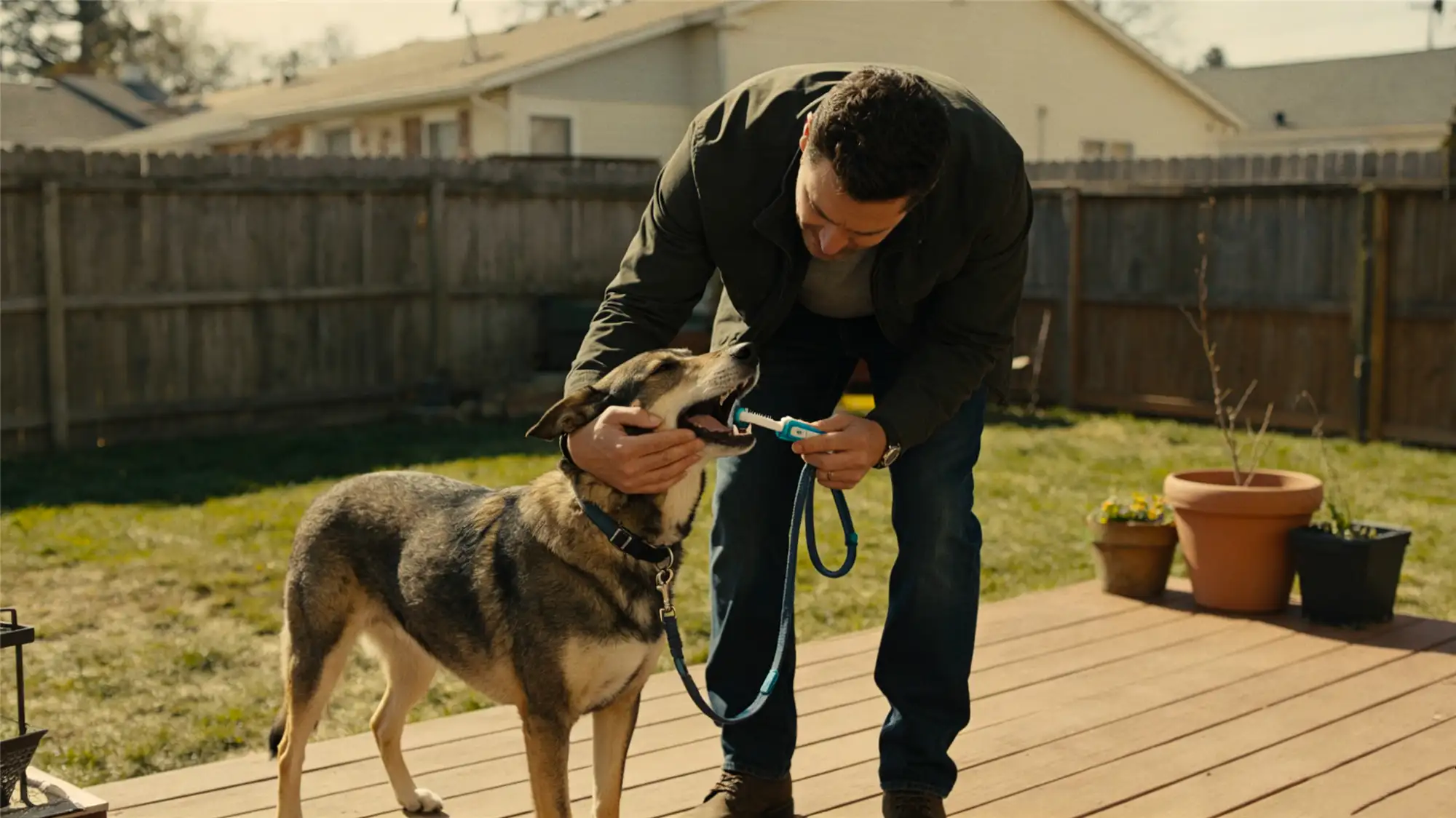
Let me guess. Your dog gives you those puppy eyes when you reach for the toothbrush, or your cat suddenly becomes a contortionist at the sight of dental gel. You’re probably wondering: Do cats and dogs really need to brush their teeth, or is this just another marketing gimmick?
As a pet health writer who’s worked with veterinary dentists for over a decade, I can tell you the answer is a resounding yes. According to the American Veterinary Medical Association (AVMA), by age three, most dogs and cats have some form of periodontal disease. The good news? Regular brushing can add 2-4 years to your pet’s life while saving you thousands in veterinary dental bills.
Why Brushing Isn’t Optional for Cats and Dogs
Wild animals clean their teeth through tearing raw meat and chewing on bones. Your domesticated companion, however, eats kibble and soft food that sticks to enamel like glue. Without mechanical removal, plaque hardens into tartar within 24-48 hours.
Here’s what happens when you skip dental care:
- Bacterial buildup spreads to the bloodstream, damaging heart, liver, and kidneys
- Chronic pain from tooth decay affects eating habits and behavior
- Systemic inflammation leads to premature aging and immune suppression
- Extractions become necessary, requiring risky anesthesia for senior pets
Warning Signs Your Pet Needs Immediate Dental Care
Don’t wait for obvious symptoms. By the time you notice bad breath (halitosis), damage is already occurring beneath the gumline. Schedule a veterinary checkup if you spot:
- Yellow or brown crust on teeth near the gumline
- Bleeding gums when eating or playing with toys
- Dropping food or chewing on one side of the mouth
- Pawing at the mouth or excessive drooling
- Reluctance to let you touch their face
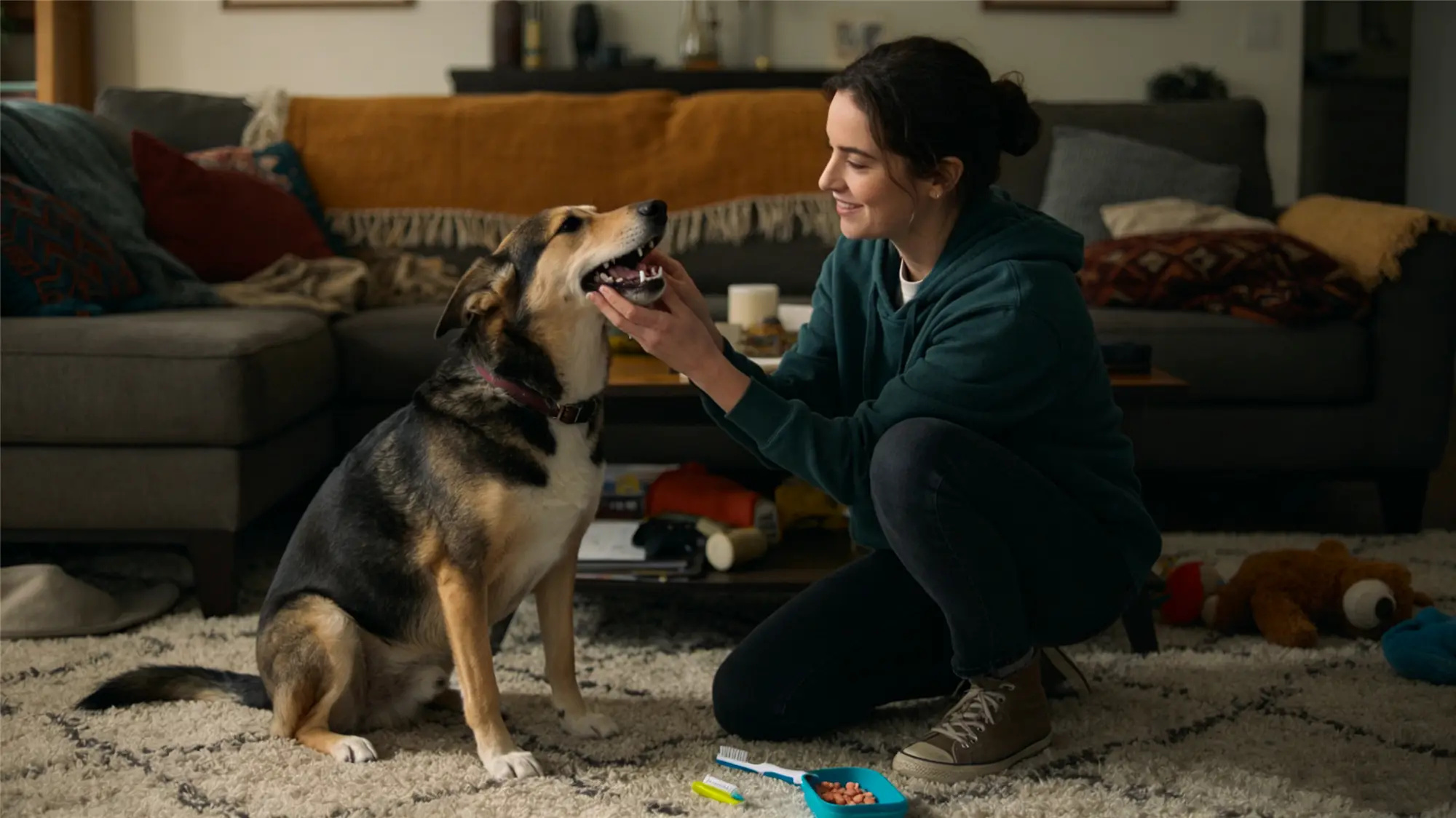
How to Brush Your Dog’s Teeth (Without the Wrestling Match)
Dogs are generally more cooperative than cats, but they still need positive introduction. Never use human toothpaste—it contains xylitol, which is toxic to pets.
The 2-Week Gradual Introduction Method
Days 1-3: Let your dog lick pet-safe toothpaste off your finger. Choose flavors like poultry or peanut butter specifically formulated for canine dental care.
Days 4-7: Gently rub your finger with toothpaste along the gumline for 5-10 seconds. Reward immediately with high-value treats.
Days 8-10: Introduce a finger brush or soft-bristled pet toothbrush. Focus on the outer surfaces of the upper teeth where plaque accumulates most.
Days 11-14: Work up to 30 seconds per side, aiming for a circular motion at a 45-degree angle to the gumline. Picking high-quality eco-friendly toothbrushes for pets
Feline Dental Care: Working With (Not Against) Your Cat
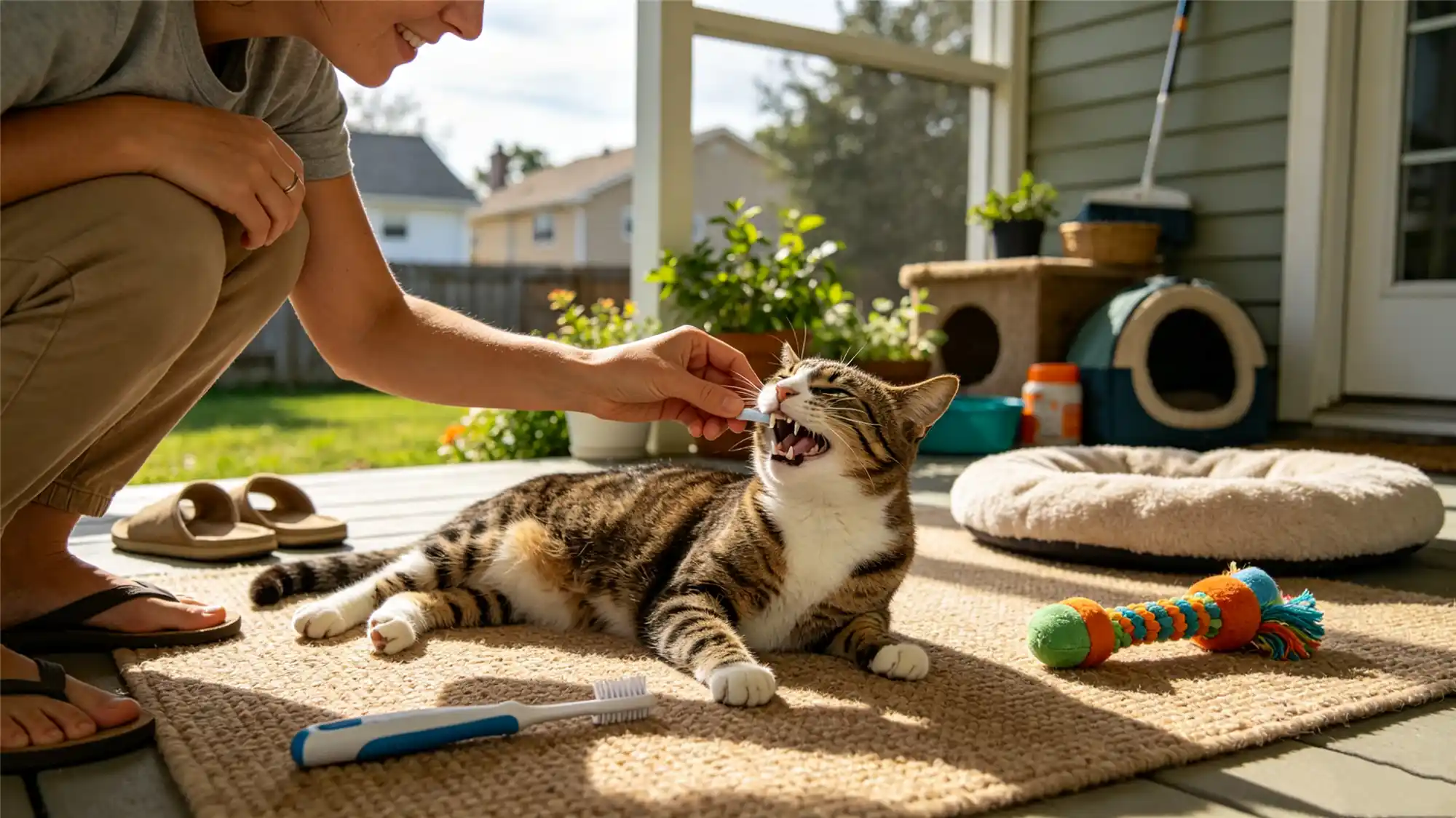
Cats are territorial about their mouths. Forceful brushing creates lifelong aversion and stress. Instead, leverage their natural grooming instincts.
Pro tip: Brush when your cat is naturally sleepy—after a heavy meal or during their afternoon nap window. Wrap smaller cats in a towel (the “burrito method”) to prevent escape artistry.

Cat-Specific Brushing Techniques
- Start with gauze: Wrap your finger in dental gauze dipped in tuna water before upgrading to brushes
- Focus on canines and molars: Cats rarely build plaque on lower incisors
- Use enzymatic toothpaste: Products with glucose oxidase work even without aggressive scrubbing
- Keep sessions under 20 seconds: Multiple short sessions beat one prolonged struggle
Alternative Solutions for Resistant Pets
Some pets will never tolerate traditional brushing—and that’s okay. These veterinarian-approved alternatives reduce plaque by 25-40%:
- Oral rinses and water additives: Look for VOHC (Veterinary Oral Health Council) approved formulas containing chlorhexidine
- Dental chews and treats: Greenies, Whimzees, or prescription diets like Hill’s t/d mechanically scrape teeth
- Textured rubber toys: KONG Dental or similar products massage gums during play
- Professional cleanings: Annual scaling under anesthesia for high-risk breeds (small dogs, flat-faced cats)
Establishing a Sustainable Dental Routine
Consistency trumps intensity. Brushing three times weekly provides 80% of the benefit of daily brushing, according to veterinary studies. The key is linking the habit to existing routines.
Try these integration strategies:
- Brush while your morning coffee brews (you’re standing still anyway)
- Make it a pre-walk ritual for dogs—brush first, then leash up
- For cats, pair with evening treat time; brush before the reward
- Use phone reminders every Sunday to check tartar buildup
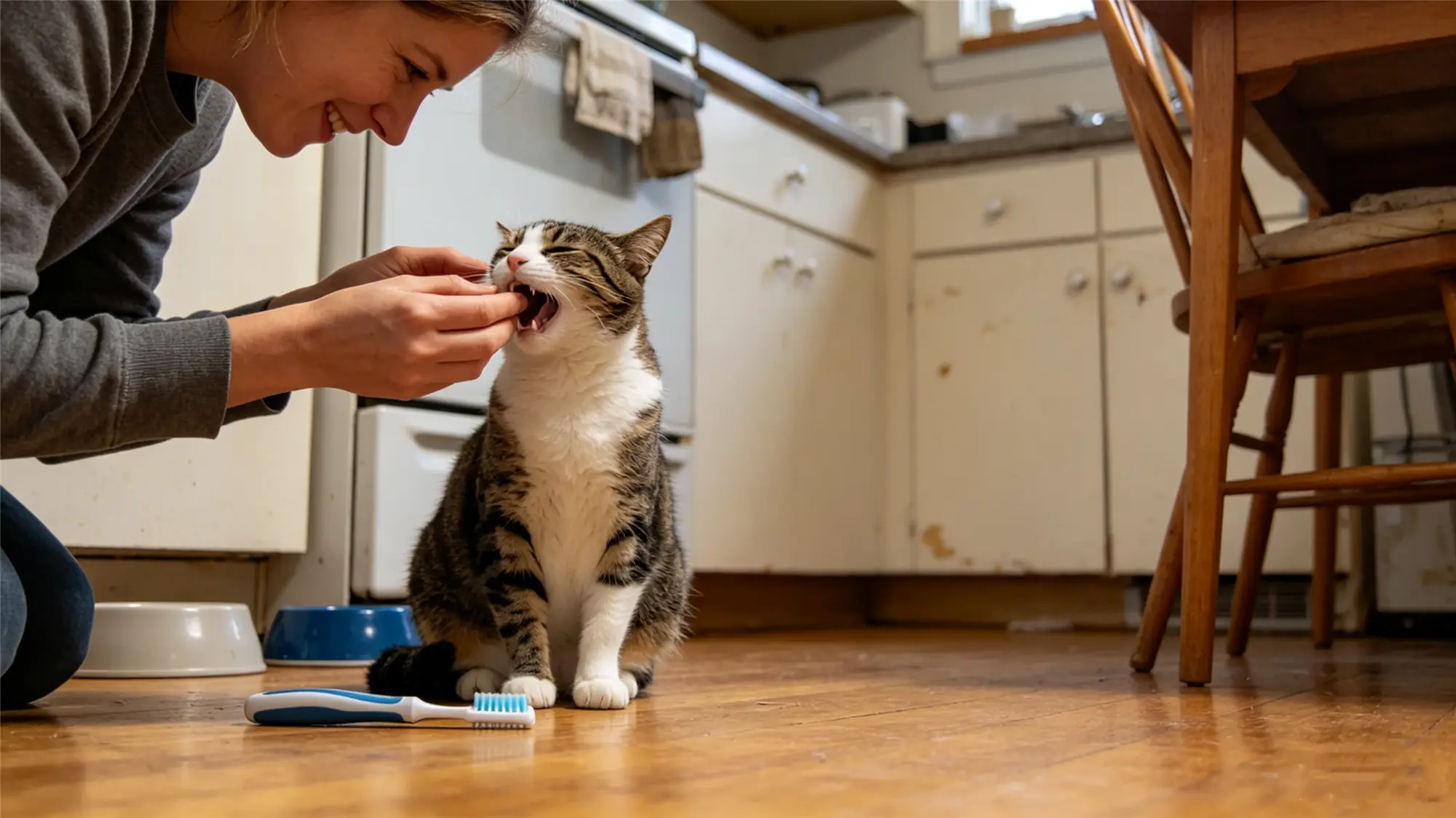
When to See a Veterinary Dentist
Home care prevents disease but doesn’t cure existing conditions. Schedule professional cleaning if:
- You haven’t had a dental exam in 12+ months
- Your pet has stage 2+ periodontal disease (visible tartar covering >25% of teeth)
- There are broken teeth, oral masses, or persistent bad odor despite brushing
- Your pet is a brachycephalic breed (Bulldogs, Persians) genetically prone to dental crowding
Professional cleanings involve scaling, polishing, and full-mouth radiographs to detect hidden abscesses. While anesthesia sounds scary, modern protocols are extremely safe for healthy pets.
The Bottom Line: Prevention Is Cheaper Than Extraction
A $10 tube of pet toothpaste and 3 minutes weekly can prevent $1,500+ dental surgeries down the road. More importantly, it prevents the chronic pain that pets instinctively hide.
Start today—even imperfect brushing beats perfect intentions. Your pet’s tail wags (or purrs) will thank you for years to come.
Have questions about choosing the right dental products for your specific breed? Consult your veterinarian about VOHC-approved options tailored to your pet’s size and temperament.