 Free shipping on orders over $75 across the U.S., with different free shipping promotions available in parts of
 Europe,
 South America,
 Australia.For all other countries, please contact us before placing your order, and we'll be happy to fast-track a shipping solution for you.
Why do dogs and cats lick you? Uncovering the hidden meaning behind your pet’s kisses
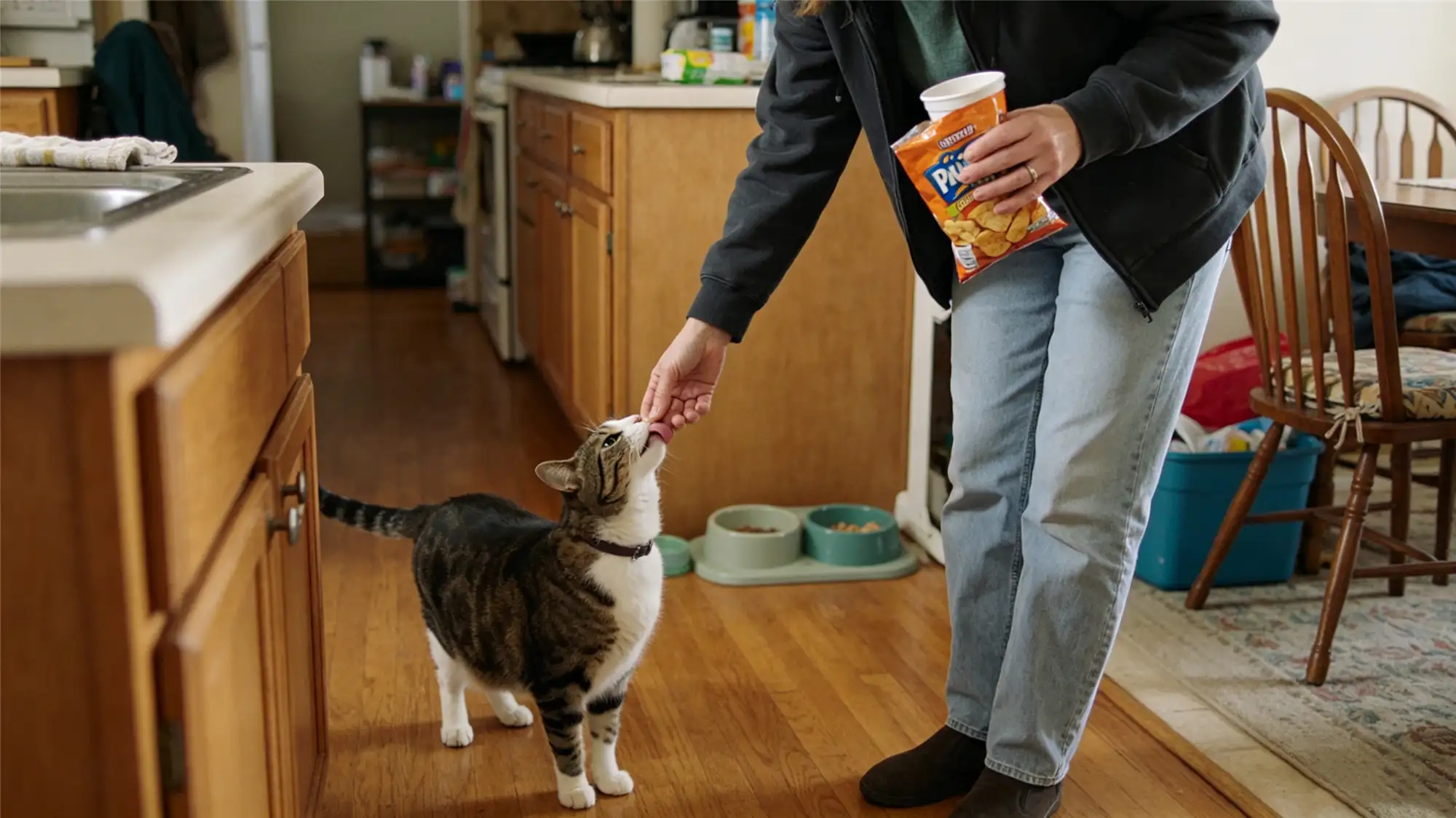
That wet, sloppy kiss from your dog or the gentle sandpaper lick from your cat isn’t just random behavior. When your furry friend licks you, they’re speaking a language that predates domestication. Understanding what your cat or dog is trying to communicate can transform your bond from good to extraordinary.
Whether you’re wondering “why does my dog lick my hands constantly” or curious about your cat’s grooming sessions on your arm, this guide breaks down the science and psychology behind pet licking behavior.
Why Do Dogs Lick You? The Canine Perspective
Dog licking is one of the most common behaviors pet parents observe, but the motivations vary significantly based on context, timing, and your dog’s personality.
1. Affection and Social Bonding
The most heartwarming reason? Your dog loves you. Licking releases endorphins in dogs, creating a calming, pleasurable sensation similar to how humans feel when hugging a loved one. Puppies experience their mother’s licking immediately after birth, associating the action with safety and care.
- Licking triggers dopamine and serotonin release
- Mimics maternal bonding behaviors from puppyhood
- Strengthens the human-animal attachment
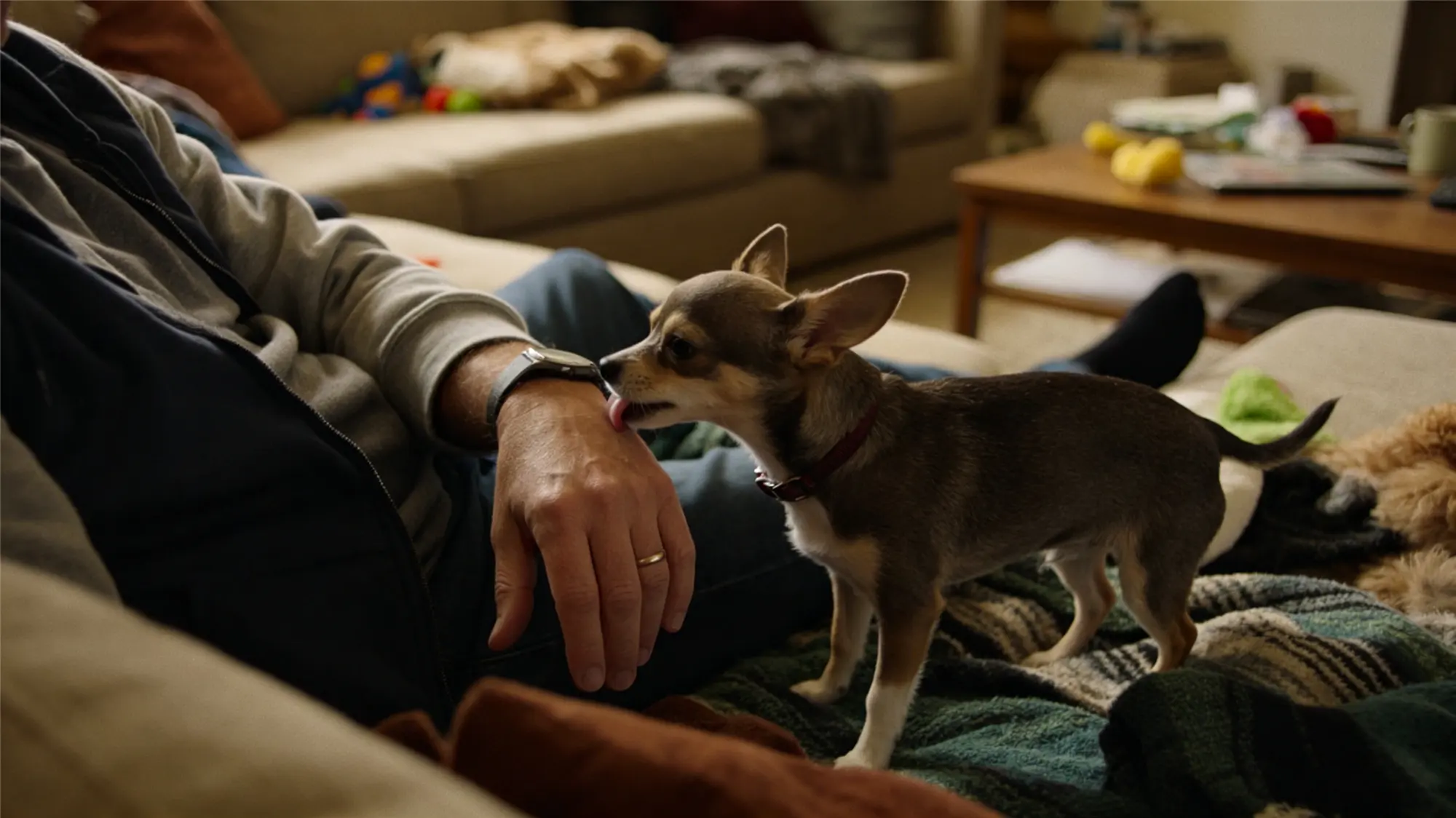
2. Taste and Sensory Exploration
Your skin tastes interesting to dogs. The slight saltiness from sweat, residual food smells, or even the natural oils on your hands provide sensory information about where you’ve been and what you’ve touched. Dogs experience the world through their mouths and noses, making licking a legitimate investigation tool.
3. Submissive Communication
In wild canine packs, subordinate members lick dominant pack leaders to show respect and maintain social harmony. When your dog licks you, they may be acknowledging you as the head of their household pack. This evolutionary trait helps prevent conflict and reinforces social structure.

Why Do Cats Lick You? Decoding Feline Affection
Cat licking behavior differs significantly from canine habits. While less slobbery than dogs, cat licks carry distinct meanings rooted in their solitary hunter ancestry.
1. Allogrooming and Social Bonds
When cats live in colonies, they groom each other (allogrooming) to maintain group cohesion. If your cat licks your hair, hands, or face, they’re including you in their “colony.” This high-level compliment means they consider you family worthy of their grooming care.
- Head-bumping followed by licking indicates ultimate trust
- Grooming you after meals shows contentment
- Rough tongue texture helps distribute calming scents
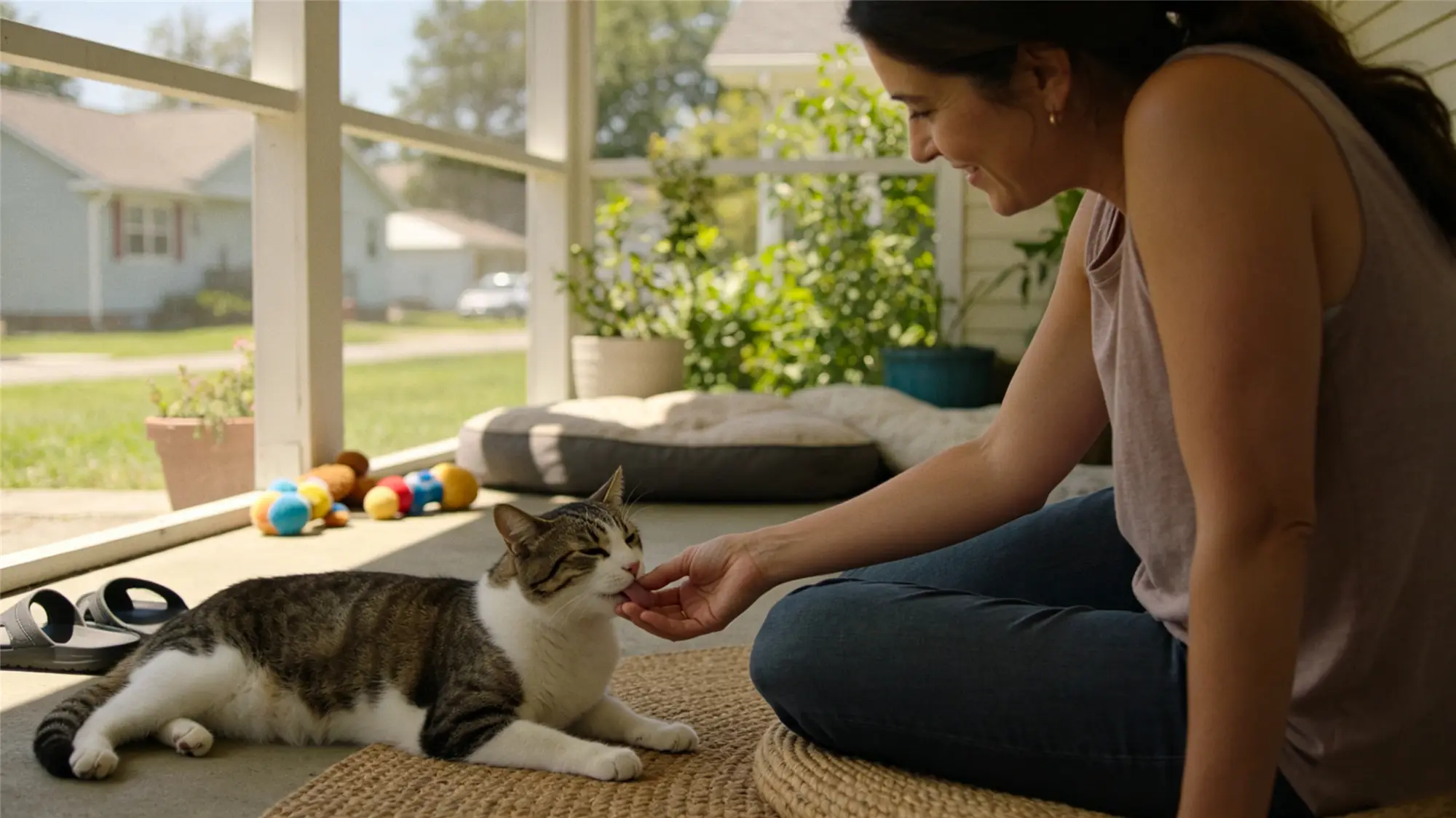
2. Marking Territory
Cats possess scent glands in their cheeks and paws, but their saliva also carries unique pheromones. By licking you, your cat is essentially labeling you as “theirs.” This territorial behavior ensures other animals recognize their bond with you, creating a familiar scent profile in their environment.
3. Anxiety or Compulsive Behavior
Unlike dogs, excessive licking in cats often signals stress. If your feline companion licks the same spot repeatedly or shows bald patches, they may need environmental enrichment or calming solutions like interactive toys or pheromone diffusers. Consult your veterinarian if licking becomes obsessive.
Cat vs. Dog Licking: Understanding the Differences
While both species use licking to communicate, context matters significantly:
- Dogs: Typically lick openly and enthusiastically, often seeking reciprocation or attention
- Cats: Usually lick selectively, on their own terms, and may become overstimulated quickly
- Texture: Dog tongues are smoother; cat tongues have papillae (tiny hooks) for grooming
- Duration: Dogs tend toward prolonged licking sessions; cats prefer brief, intense grooming bursts
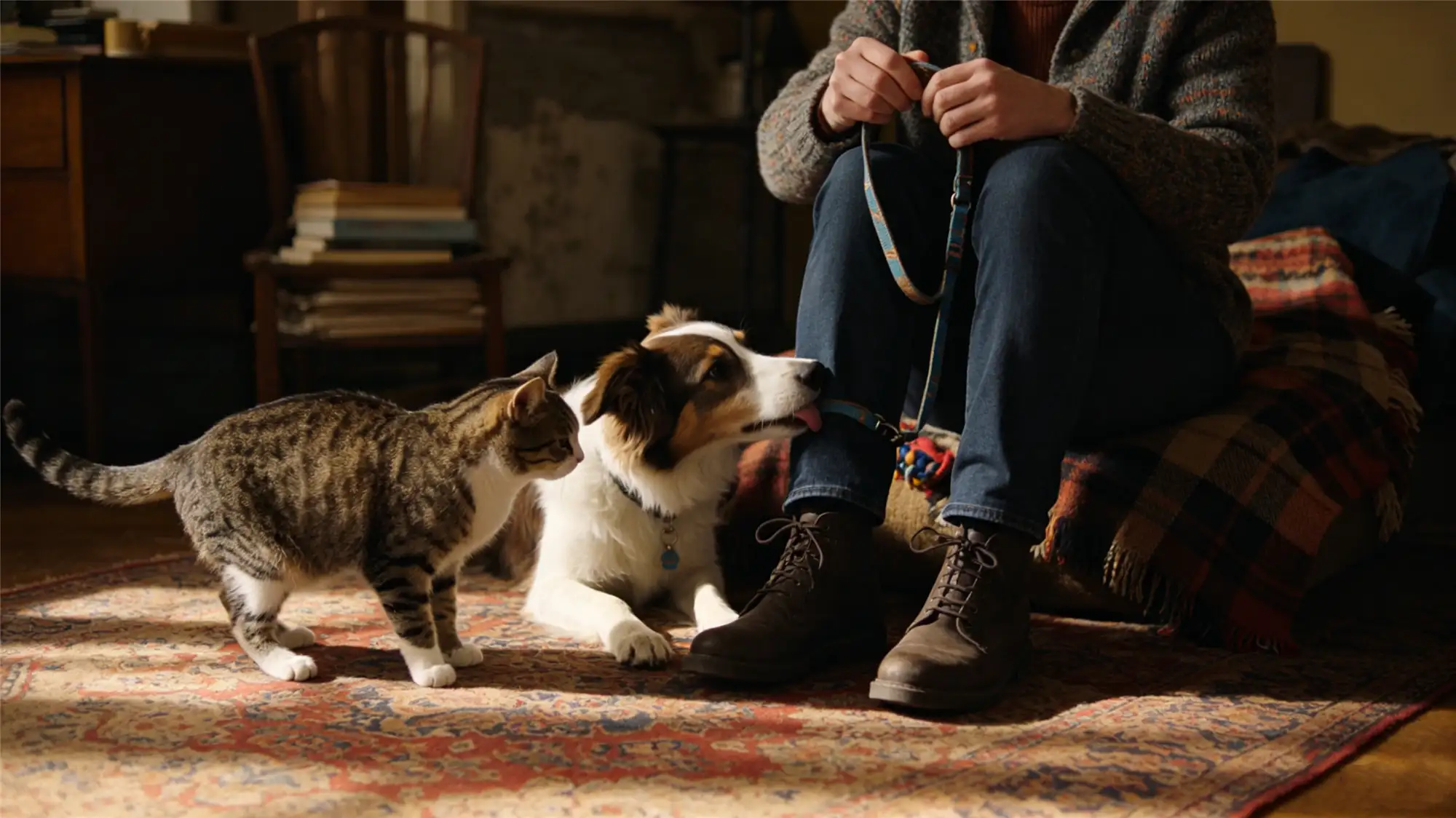
When Pet Licking Becomes Excessive
While occasional licking is normal, obsessive behavior warrants attention. Excessive licking in dogs might indicate:
- Allergies or skin irritations requiring medicated shampoos
- Nausea or gastrointestinal distress
- Boredom lacking mental stimulation from puzzle feeders
- Canine compulsive disorder
For cats, over-grooming often points to anxiety, pain, or dermatological issues. Using high-quality grooming tools and creating vertical spaces with cat trees can redirect nervous energy appropriately.Grooming tools that cats and dogs like
How to Respond to Your Pet’s Licking
Managing licking behavior requires balancing your comfort with your pet’s emotional needs:
- Set boundaries gently: Redirect attention with chew toys for dogs or wand toys for cats when licking becomes overwhelming
- Check for health issues: Sudden increases in licking frequency deserve veterinary evaluation
- Maintain hygiene: Keep pet-safe wipes handy if you have allergies or sensitive skin
- Provide alternatives: Lick mats with pet-safe spreads can satisfy oral fixation needs constructively
Final Thoughts: Speaking Your Pet’s Language
Whether it’s your dog’s enthusiastic slobbery kisses or your cat’s precise grooming sessions, licking remains one of the most intimate ways pets communicate affection, respect, and belonging. By understanding the nuanced differences between cat and dog licking behavior, you can better respond to their needs while maintaining healthy boundaries.
Pay attention to when, where, and how intensely your pet licks. These details reveal their emotional state, health status, and the depth of your bond. After all, in the world of pet communication, a lick truly speaks louder than words.