 Free shipping on orders over $75 across the U.S., with different free shipping promotions available in parts of
 Europe,
 South America,
 Australia.For all other countries, please contact us before placing your order, and we'll be happy to fast-track a shipping solution for you.
5 Most Common Cat Diseases: Vet-Approved Early Signs & Treatment Options
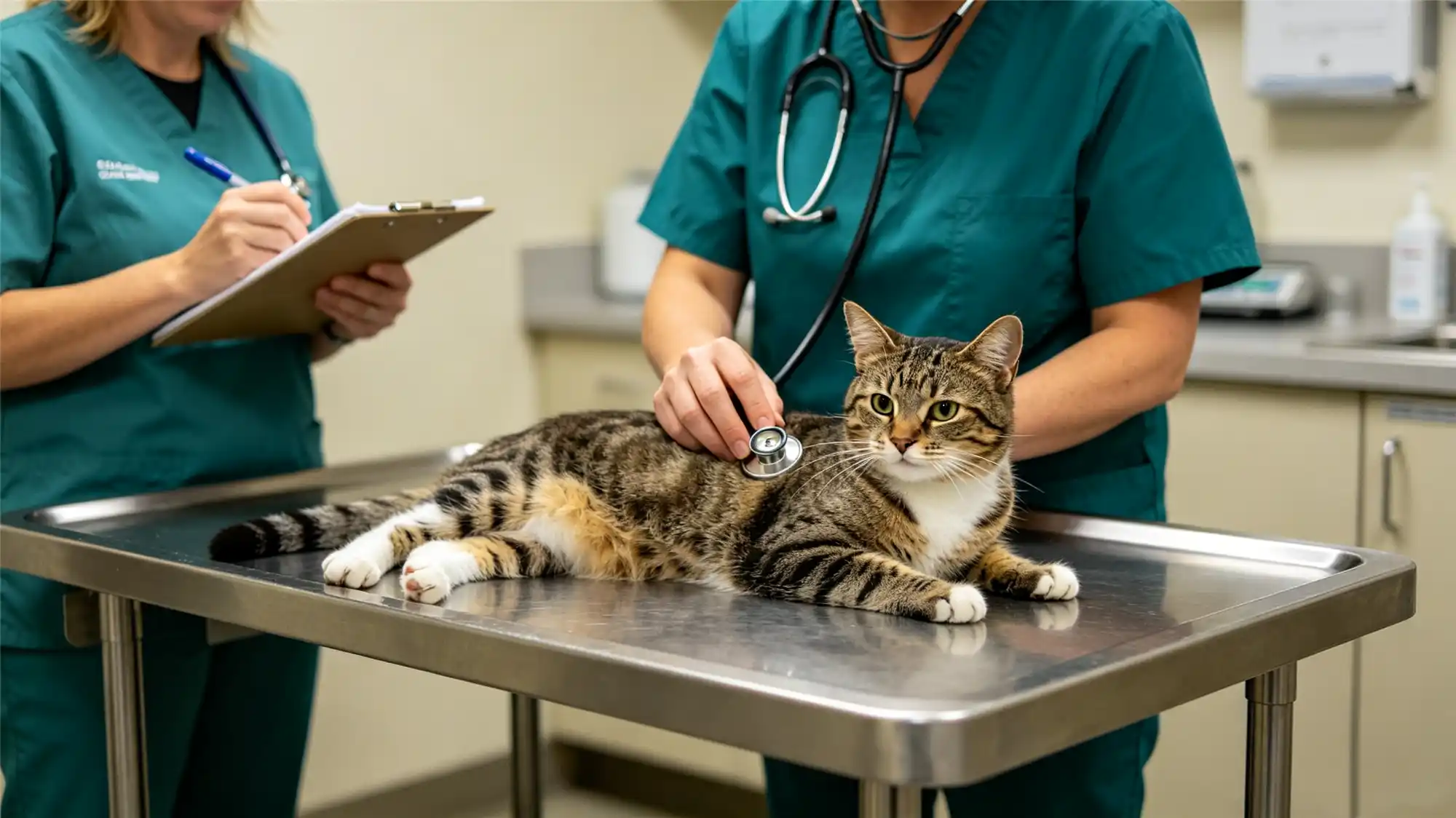
Cats are masters of disguise. By the time your feline friend shows obvious signs of illness, they may have been suffering for weeks. As pet owners, understanding common cat diseases isn’t just helpful—it’s essential for saving lives and avoiding costly emergency vet visits.
At SamaePet, we’ve partnered with veterinary experts to create this comprehensive guide on feline health. You’ll learn how to recognize warning signs early, what treatment options actually work, and when to rush to the clinic versus managing care at home.
Why Cat Diseases Often Go Undetected Until It’s Serious
In the wild, showing weakness means becoming prey. This evolutionary trait means your domestic cat will hide pain until they’re critically ill. According to veterinary studies, nearly 60% of cats over age 6 have at least one underlying health condition their owners haven’t noticed.
Regular wellness checks are your first line of defense. However, knowing these specific cat sickness symptoms can help you catch problems between visits:
- Sudden changes in litter box habits (frequency or location)
- Hiding more than usual or avoiding social interaction
- Unexplained weight loss despite normal appetite
- Bad breath or difficulty eating dry food
- Increased thirst and urination
The 5 Most Common Cat Diseases Every Owner Must Know
1. Feline Lower Urinary Tract Disease (FLUTD)
FLUTD affects millions of cats annually and can become life-threatening within 24 hours if a blockage occurs. Male cats are particularly at risk.
Key symptoms to watch for:
- Straining to urinate or crying in the litter box
- Blood in urine
- Frequent small puddles outside the box
- Excessive licking of the genital area
2. Chronic Kidney Disease (CKD)
The leading cause of death in cats over 5, CKD develops gradually. Early detection through blood work can add years to your cat’s life with proper management.
3. Dental Disease
By age 3, most cats have some form of periodontal disease. Left untreated, bacteria enter the bloodstream, damaging heart and kidney function.
4. Hyperthyroidism
Common in senior cats, this overactive thyroid condition causes weight loss despite ravenous hunger, hyperactivity, and eventually heart failure if untreated.
5. Diabetes Mellitus
Obesity-related diabetes is rising in indoor cats. The good news: with dietary management and sometimes insulin, many cats achieve remission.
Early Detection: When to Visit Your Veterinarian
Knowing how to discover cat diseases early requires vigilance. While annual exams are crucial, you should schedule an immediate consultation if you notice:
- Behavioral changes lasting more than 48 hours
- Refusal to eat for 24+ hours (especially dangerous for overweight cats)
- Vomiting more than twice in 24 hours
- Labored breathing or open-mouth breathing
- Any signs of pain when touched
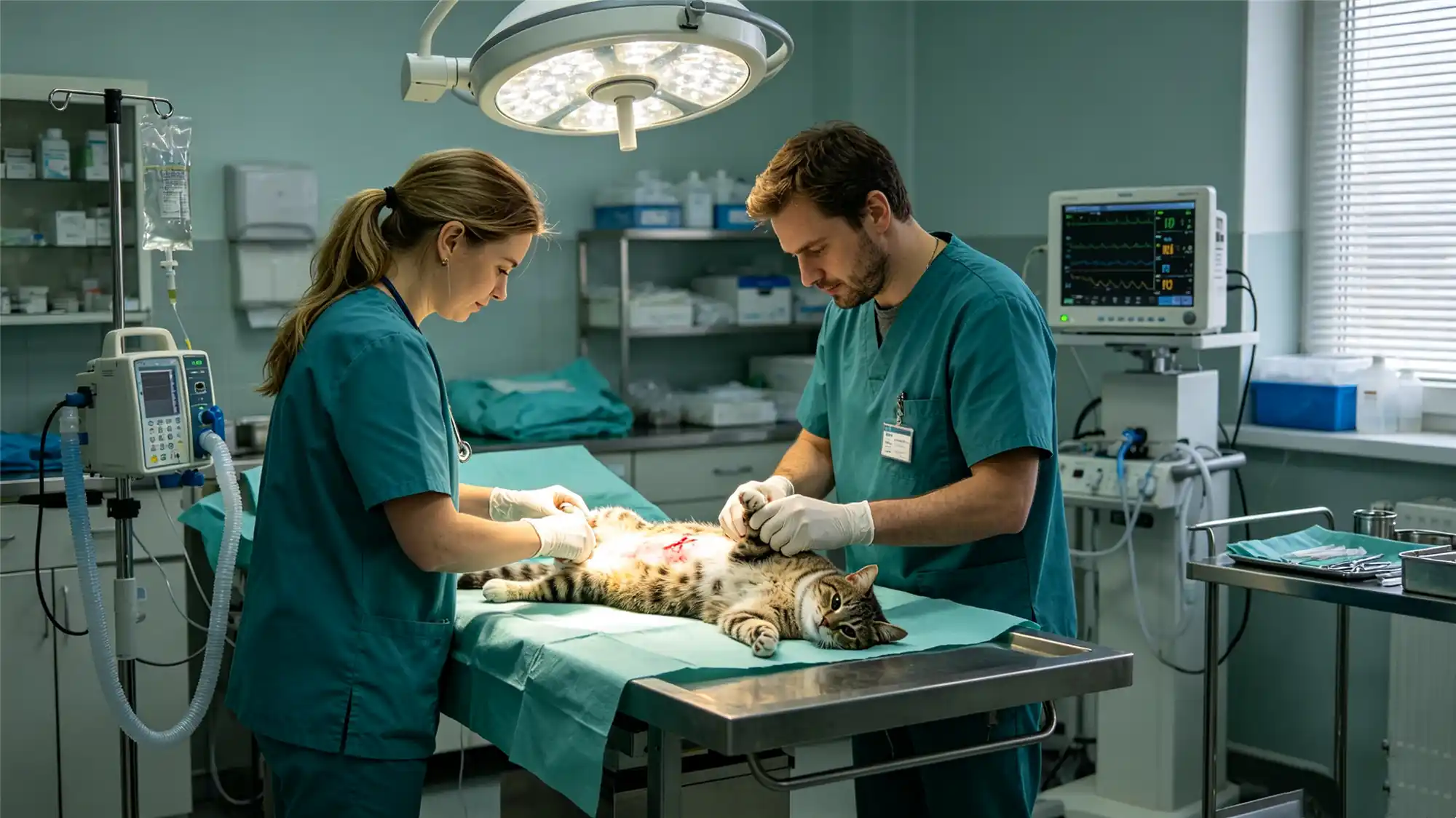
Regular check-ups allow vets to catch subtle changes in your cat’s health before they become critical.
Cat Disease Treatment Options: From Surgery to Recovery
Modern veterinary medicine offers remarkable solutions for feline illnesses. The right cat treatment depends on the condition’s severity, your cat’s age, and overall health status.
Surgical Interventions
For conditions like urinary blockages, tumors, or severe dental disease, surgery often provides immediate relief. Minimally invasive techniques have reduced recovery times significantly—many cats return home the same day.
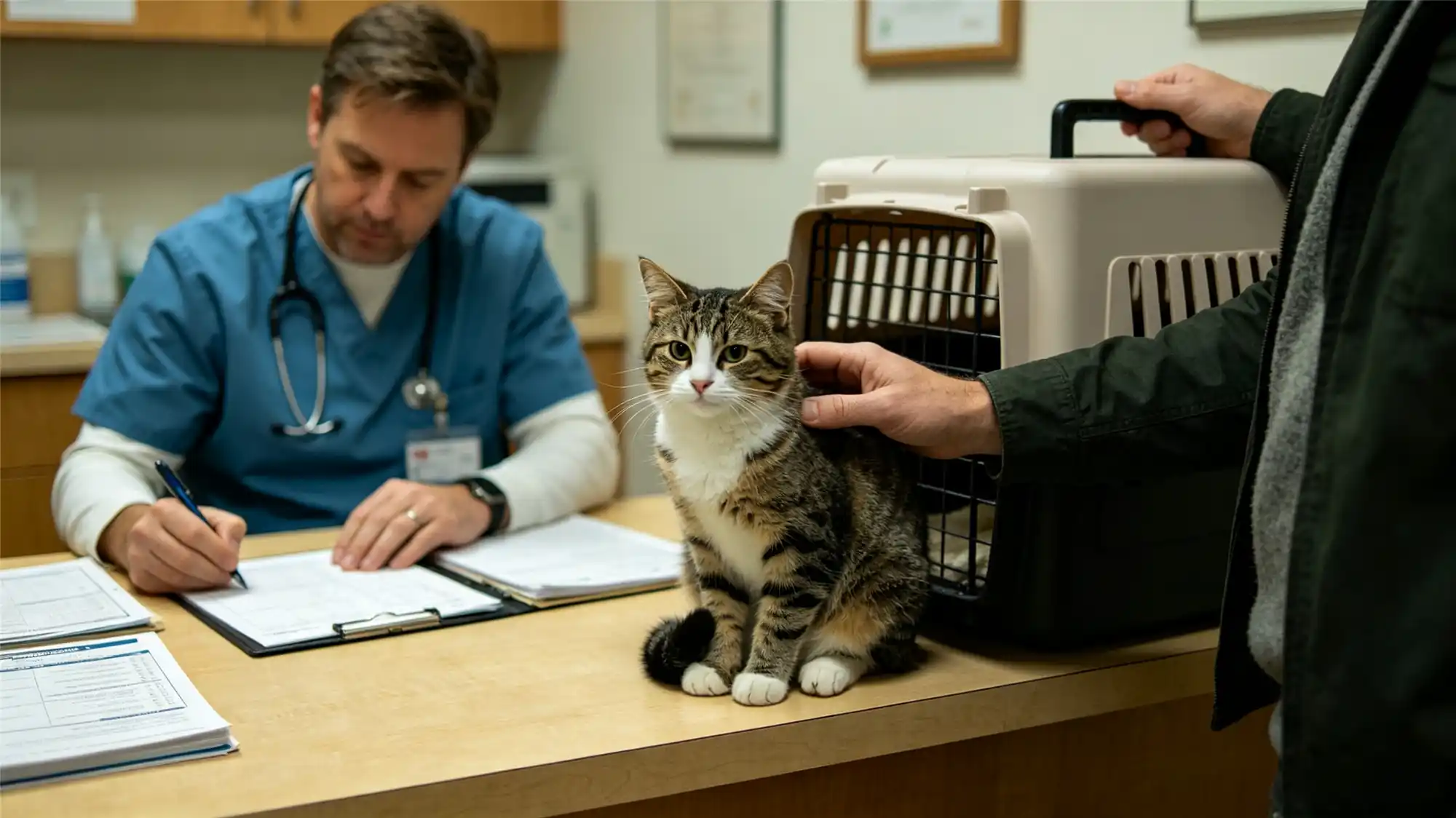
Advanced surgical suites enable life-saving procedures with monitored anesthesia for senior and high-risk patients.
Medical Management & Supportive Care
Many chronic conditions respond well to medication combined with fluid therapy. IV fluids help dehydrated cats, flush toxins from failing kidneys, and provide essential electrolytes during recovery from infections.
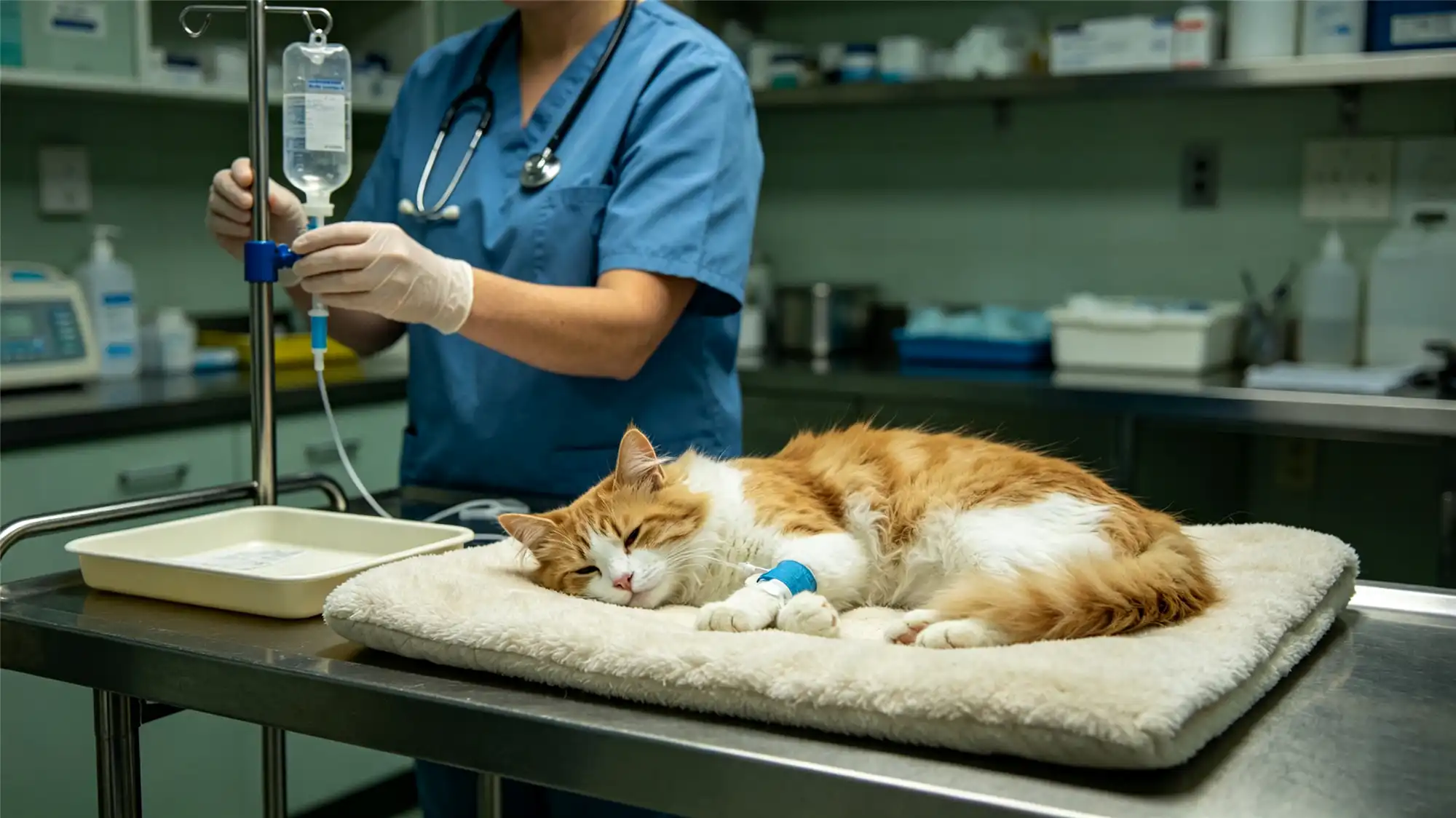
Professional fluid therapy and medication administration ensure accurate dosing and monitoring during critical recovery periods.
Post-Operative Monitoring & Rehabilitation
The 48-72 hours following surgery are crucial. Professional monitoring includes:
- Pain management protocols tailored to feline metabolism
- Vital sign monitoring for anesthesia recovery
- Controlled nutrition to prevent post-surgical complications
- Wound care and infection prevention
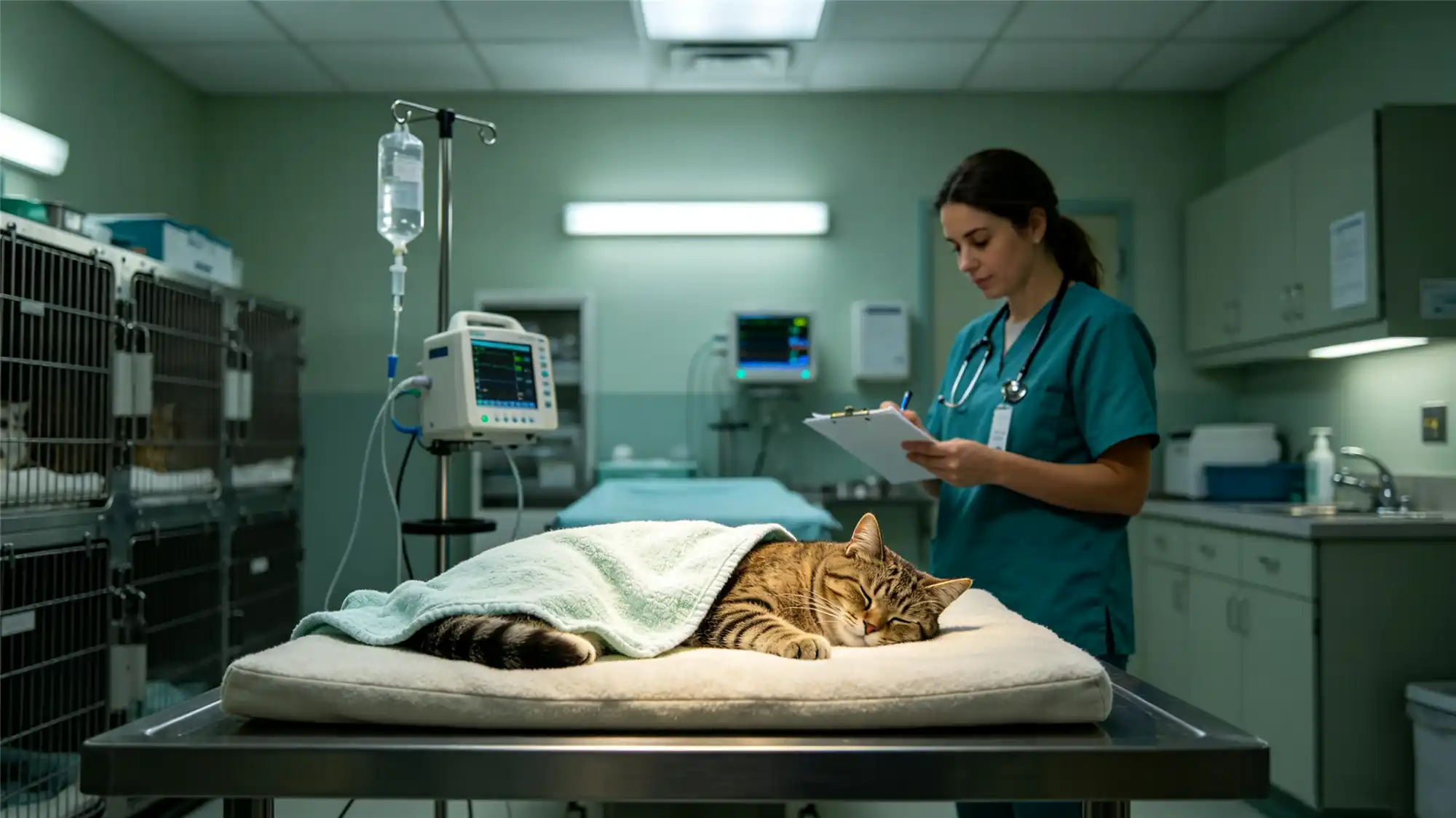
24-hour post-operative care ensures stable recovery and immediate intervention if complications arise.
Prevention Strategies: Keeping Your Cat Healthy Long-Term
Preventing common cat illnesses is always easier than treating them. Implement these veterinary-approved strategies:
- Nutrition: Feed high-protein, moisture-rich diets. Avoid free-feeding dry kibble to prevent obesity and diabetes.
- Hydration: Use water fountains and add water to wet food. Proper hydration prevents kidney disease and FLUTD.
- Dental Care: Brush teeth daily if possible, or use veterinary dental treats. Schedule professional cleanings every 1-2 years.
- Environmental Enrichment: Stress contributes to FLUTD and behavioral issues. Provide vertical space, scratching posts, and interactive play.
- Parasite Prevention: Year-round flea, tick, and heartworm prevention protects against vector-borne diseases.
The Bottom Line: Trust Your Instincts
You know your cat better than anyone. If something feels “off,” don’t wait. Early intervention for cat diseases significantly improves prognosis and often reduces long-term veterinary costs.
Whether your cat needs emergency surgery, chronic disease management, or routine preventive care, working with a veterinary team that understands feline-specific medicine makes all the difference. At SamaePet, we believe every cat deserves gold-standard medical care combined with the gentle handling these sensitive creatures require.
Is your cat showing any of the symptoms mentioned above? Schedule a wellness exam today—because when it comes to feline health, early detection isn’t just better; it’s everything.