 Free shipping on orders over $75 across the U.S., with different free shipping promotions available in parts of
 Europe,
 South America,
 Australia.For all other countries, please contact us before placing your order, and we'll be happy to fast-track a shipping solution for you.
Unusual Cat Behavior: Warning Signs That Your Cat Is Sick or Stressed
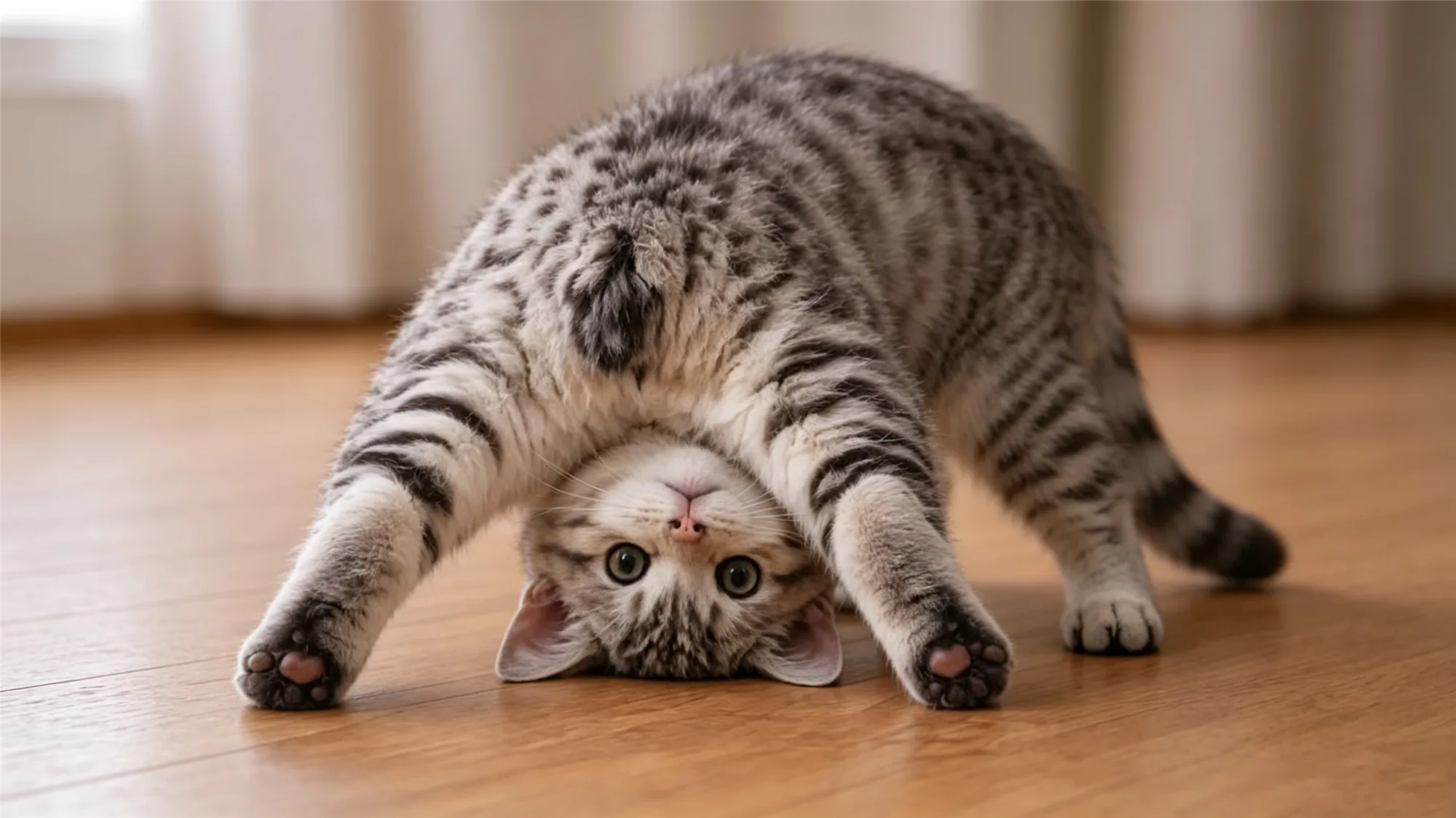
One day your cat is the picture of grace, and the next, they’re attacking your ankles at 3 AM or ignoring their litter box completely. If you’re Googling “why is my cat acting strange,” you’re not alone. Sudden behavioral shifts are the #1 reason cat owners seek veterinary advice—yet most issues are preventable with early intervention.
Understanding the line between quirky cat antics and genuine cat abnormal behavior can save your furniture, your sanity, and potentially your cat’s life. This guide breaks down the critical warning signs, root causes, and actionable solutions backed by feline behaviorists.
Decoding Feline Behavior: Normal Quirks vs. Red Flags
Cats are creatures of habit. While kneading, midnight zoomies, and random chattering at birds are perfectly normal, certain behaviors signal distress. The key is sudden change. A cat who has used the litter box for five years but suddenly pees on your bed isn’t being spiteful—they’re communicating a problem. For a deeper look at what your feline friend might be thinking, read our guide on the inner world of cats and dogs.
Behavioral issues often manifest in three categories: aggression, elimination problems, and compulsive actions. Recognizing these early prevents them from becoming entrenched habits.
5 Critical Abnormal Behaviors You Can’t Ignore
1. Sudden Aggression Toward People or Pets
Unprovoked biting, hissing, or swatting—especially in previously friendly cats—indicates pain, fear, or redirected aggression. If your cat attacks when touched in specific areas, schedule a vet visit immediately to rule out arthritis or injury.
2. Inappropriate Elimination (Outside the Litter Box)
This isn’t revenge. It’s a cry for help. Common triggers include:
- Urinary tract infections (UTIs) or crystals
- Dirty litter boxes (cats are fastidious)
- Stress from new pets or household changes
- Arthritis making box entry painful
3. Excessive Vocalization
While some breeds are chatty, sudden loud yowling—especially at night—can indicate hyperthyroidism, cognitive dysfunction in senior cats, or anxiety. Track when it happens; medical causes often show patterns.
4. Compulsive Over-Grooming
Bald patches, skin irritation, or constant licking of specific areas suggest allergies, parasites, or psychogenic alopecia (stress-induced hair loss). Cats groom to self-soothe, but excessive grooming becomes a destructive loop.
5. Destructive Furniture Scratching
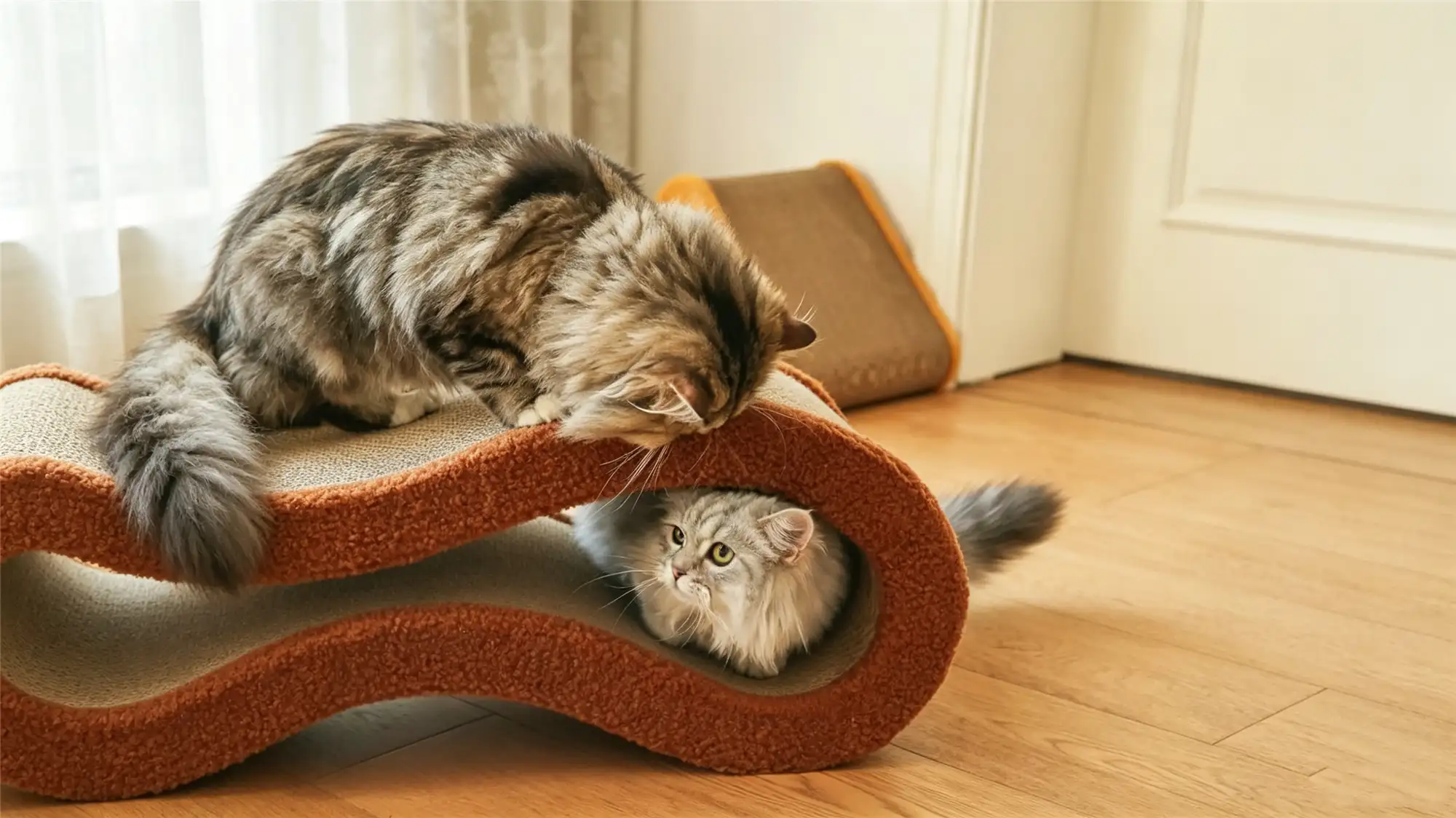
While scratching is natural, targeting your sofa exclusively often means your cat lacks appropriate outlets. This behavior marks territory and stretches muscles, but when focused on expensive furniture, it becomes a household crisis.
The Hidden Culprits: What’s Really Causing These Issues?
Before labeling your cat “bad,” investigate these underlying triggers:
Medical Problems Masquerading as Bad Behavior
Always rule out health issues first. A cat peeing outside the box might have a painful UTI. An aggressive cat may have dental disease causing constant low-grade pain. Schedule a comprehensive exam including bloodwork for any sudden behavior change.
Environmental Stress and Boredom
Indoor cats need mental stimulation. Without it, they develop stereotypic behaviors like tail-chasing or overeating. Environmental stressors include:
- Inconsistent feeding schedules
- Loud noises or construction
- Insufficient vertical territory (cat trees, shelves)
- Conflict with other pets over resources
Immediate Solutions: Transform Your Home Today
You don’t need a behaviorist for every issue. These evidence-based interventions resolve 80% of minor behavioral problems:
Environmental Enrichment Essentials
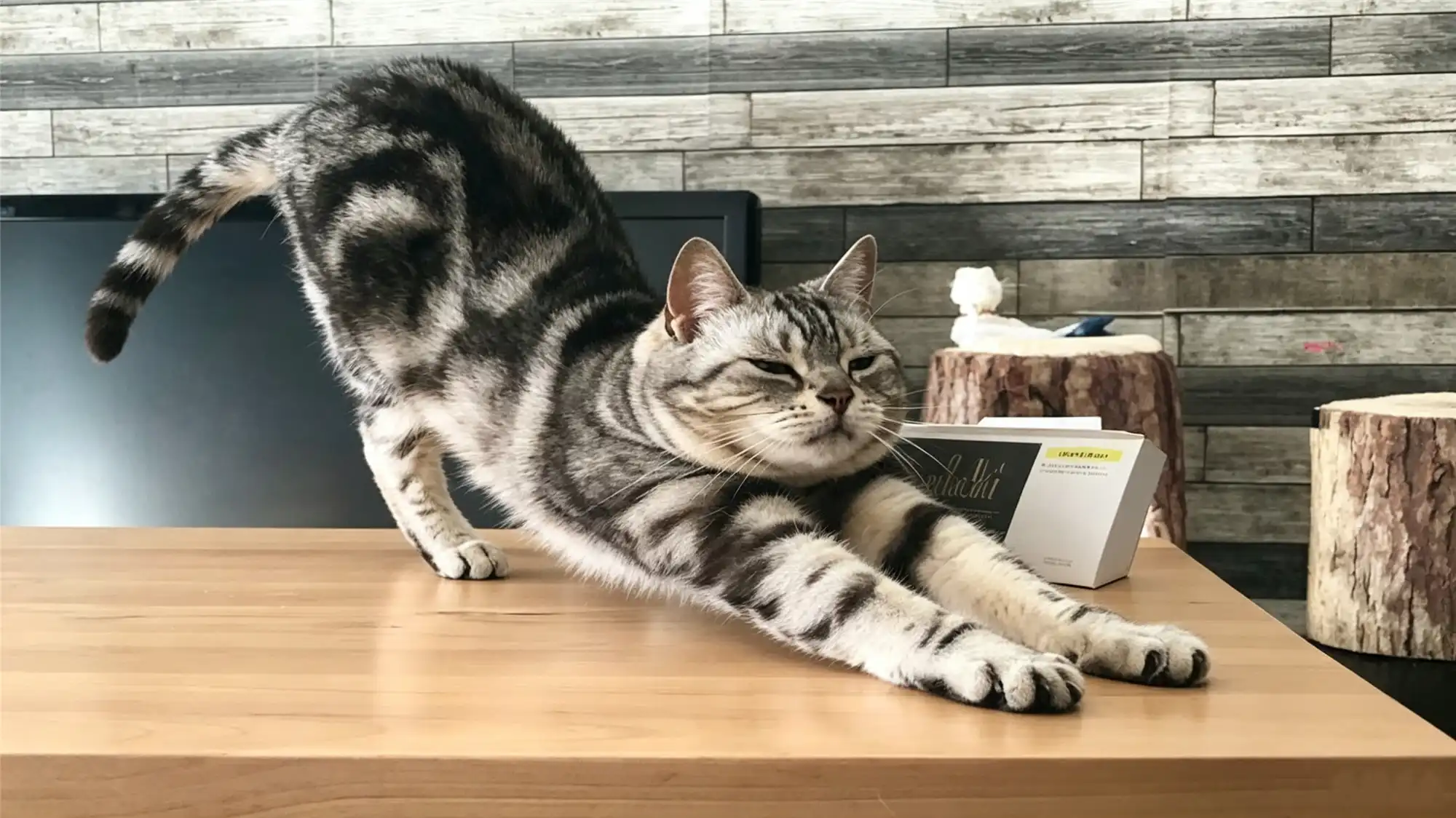
Invest in quality cat scratchers and climbing structures. Place scratchers near furniture they target, using vertical and horizontal options. The SAMAE Pet Wave Scratcher combines durable sisal with cozy hideaways, satisfying both scratching and security needs.
Add puzzle feeders to replace bowl feeding. This engages hunting instincts and reduces anxiety-driven behaviors.
Create a Sanctuary Space
Cats need escape routes. Ensure each cat has access to high perches, covered beds, and separate resources (food, water, litter) in multi-pet homes. The “one per cat plus one” rule prevents resource guarding.
Interactive Play Therapy
Fifteen minutes of wand toy play twice daily burns energy and reduces aggression. Mimic hunting sequences: let them stalk, chase, and capture. End with a treat to satisfy the hunting cycle.
When to Rush to the Vet: Medical Red Flags
Some behaviors indicate emergencies:
- Straining to urinate with vocalization (possible blockage—fatal in 24 hours)
- Sudden collapse or confusion
- Refusing food for 24+ hours
- Extreme lethargy paired with behavior changes
For senior cats, any cognitive change warrants a checkup. Feline cognitive dysfunction (cat dementia) affects 50% of cats over 15, causing disorientation and vocalization.
Long-term Prevention: Building a Behavior-Proof Home
Prevention beats correction. Implement these strategies:
- Consistent Routines: Feed, play, and clean at the same times daily. Cats are chronological creatures.
- Early Socialization: Expose kittens to various sounds, people, and textures before 14 weeks.
- Pheromone Therapy: Feliway diffusers reduce stress-related scratching and marking by 90% in multi-cat homes.
- Regular Health Checks: Annual exams catch thyroid issues and arthritis before they trigger behavioral outbursts.
Conclusion: Listen to the Whisker Language
Abnormal behavior isn’t your cat being difficult—it’s their only way to say something is wrong. By addressing medical issues promptly, enriching their environment with appropriate scratchers and climbing structures, and maintaining consistent routines, you transform anxiety into contentment.
Start today: audit your home for stress triggers, schedule that vet checkup you’ve been postponing, and invest in quality enrichment products that satisfy natural instincts. Your cat isn’t giving you a hard time; they’re having a hard time. With these tools, you can fix both.