 Free shipping on orders over $75 across the U.S., with different free shipping promotions available in parts of
 Europe,
 South America,
 Australia.For all other countries, please contact us before placing your order, and we'll be happy to fast-track a shipping solution for you.
Are Cats Really Lazy? Debunking the Myth Behind Feline Sleep Habits
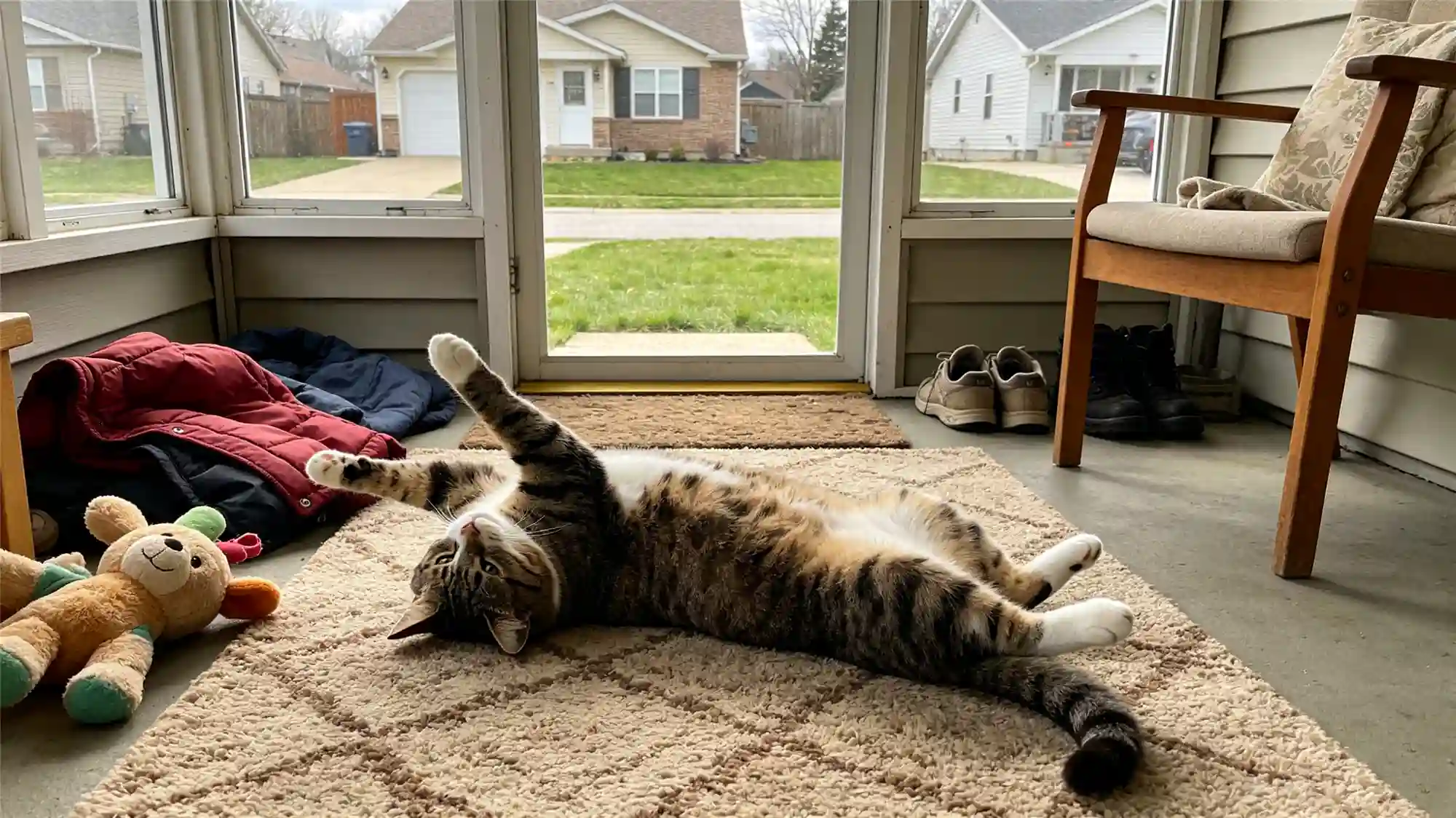
You walk into the living room, and there she is—curled up on the windowsill, eyes half-closed, completely motionless. Three hours later, she’s moved to the sofa. By dinner time, she’s commandeered your favorite chair. If you’ve ever wondered “are cats really lazy?” you’re not alone. This stereotype has followed felines for centuries, but the truth is far more fascinating than fiction.
Before you label your fur baby as the ultimate couch potato, let’s explore the biological reasons behind those marathon napping sessions—and when those long sleeps might signal something more serious.
The Biology of Cat Naps: Evolutionary Energy Savers
Contrary to popular belief, your cat isn’t lazy—she’s an energy efficiency expert. Domestic cats sleep between 12 to 16 hours daily, with some seniors and kittens clocking up to 18 hours. This isn’t laziness; it’s evolutionary biology at work.
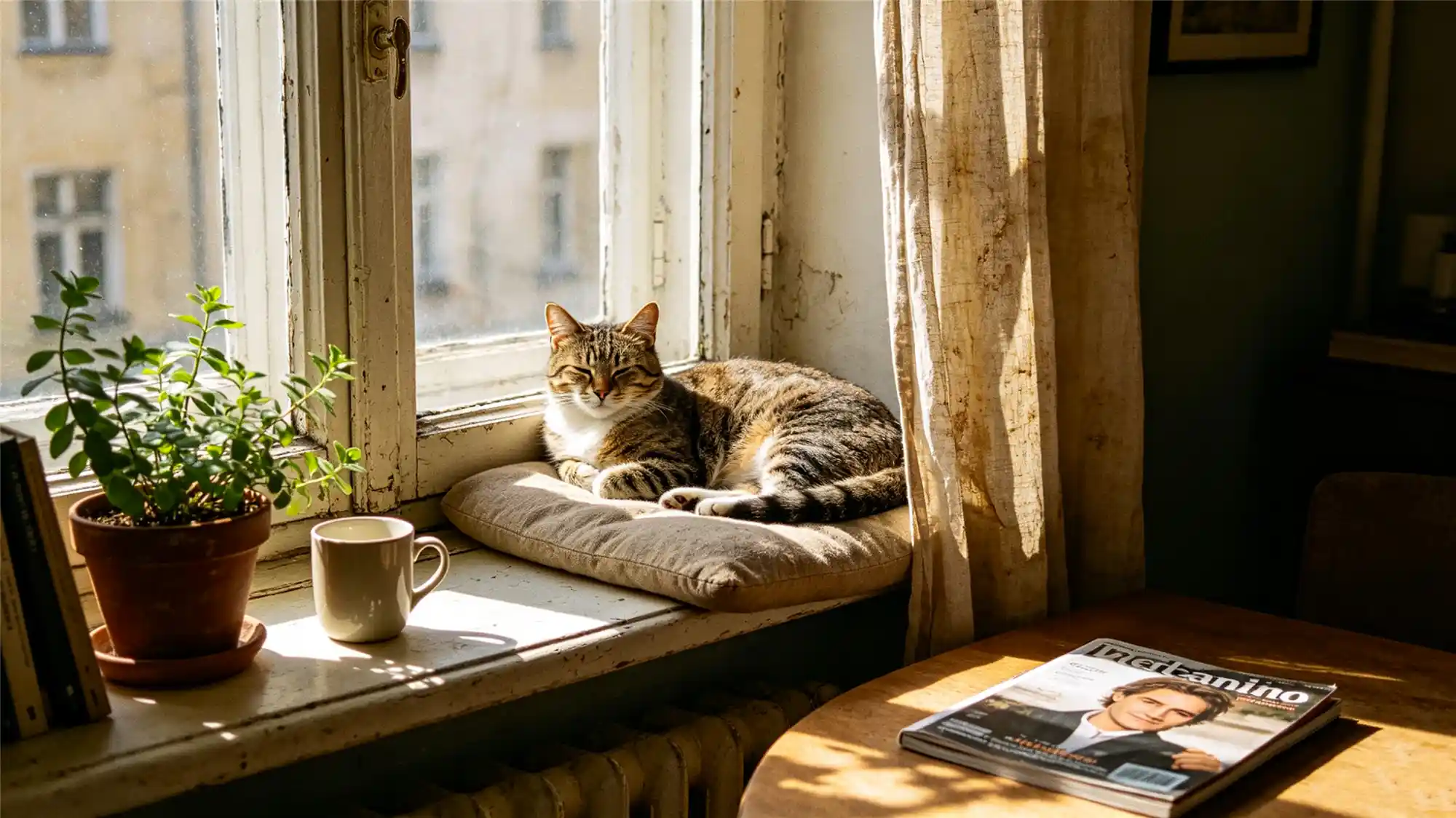
In the wild, cats are obligate carnivores who hunt small prey. Hunting requires explosive bursts of energy followed by digestion and rest. Your house cat retains these genetic patterns, even if her “prey” is now a kibble bowl. Those long naps are actually energy conservation strategies hardwired into her DNA.
Why Cats Are Polyphasic Sleepers
- Crepuscular instincts: Cats are most active during dawn and dusk, meaning they rest during peak human activity hours
- Light sleep states: About 75% of cat sleep is shallow, allowing them to wake instantly if prey—or a can opener—appears
- Weather sensitivity: Rainy days can increase sleep duration by up to 40%
- Age factors: Senior cats naturally require more restorative sleep than adults
When “Lazy” Behavior Is Actually Perfectly Normal
That judgmental look your cat gives you while you rush to work? She’s not being lazy—she’s being a predator who has successfully secured her territory and food source. In cat logic, excessive movement wastes calories.
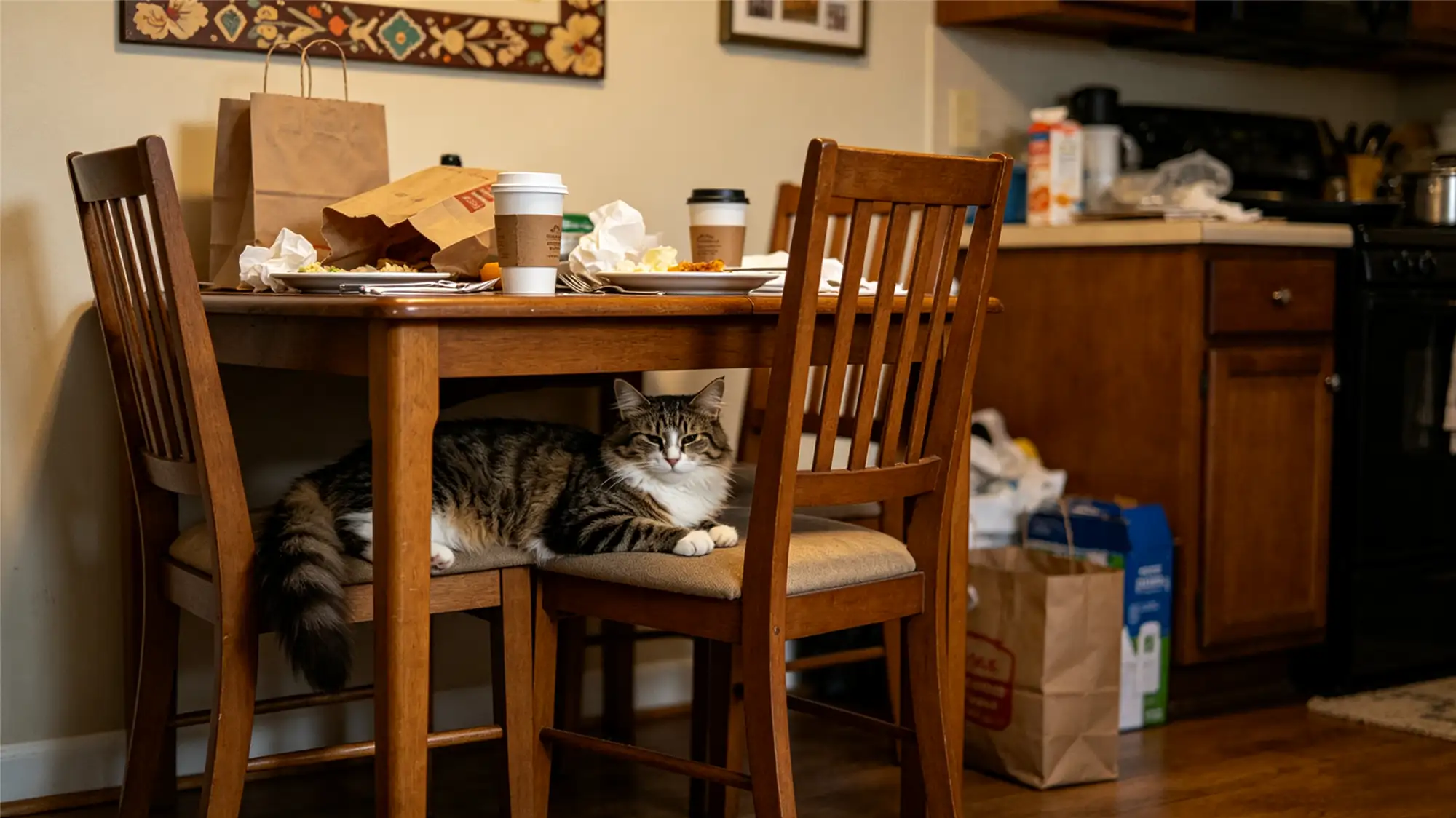
However, understanding the difference between relaxed contentment and lethargy is crucial for every cat parent. A happy resting cat will:
- React to sounds and movements with ear twitches or eye movements
- Stretch luxuriously when changing positions
- Maintain regular grooming habits
- Show sudden bursts of energy (the “zoomies”) at least once daily
Red Flags: When Sleep Becomes Excessive
While cats are champion sleepers, certain changes warrant veterinary attention. Contact your vet if your cat exhibits:
- Sudden increase in sleep duration accompanied by hiding
- Reluctance to move even for favorite treats or toys
- Changes in appetite alongside increased sleep
- Limping or difficulty jumping after resting
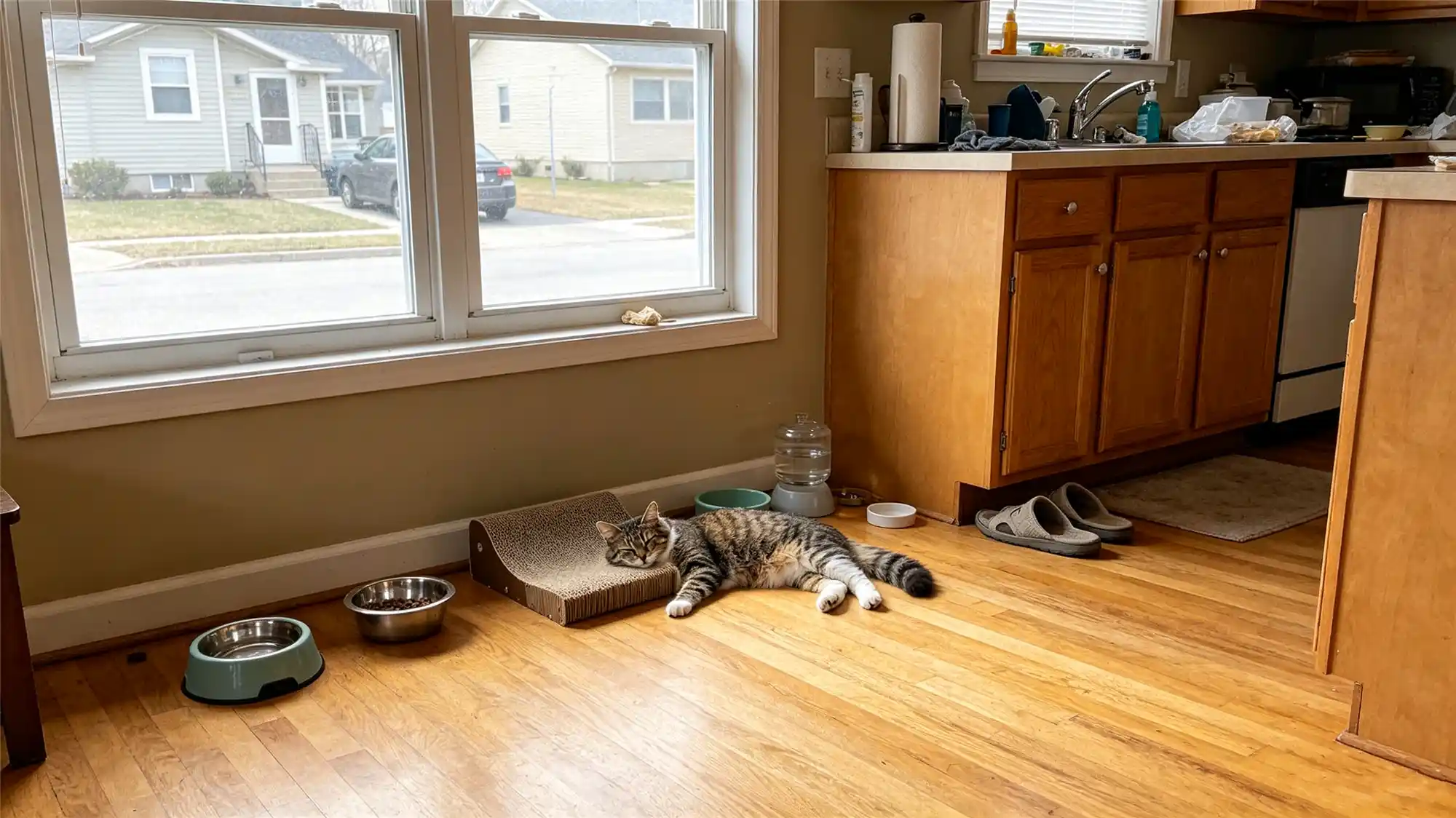
These symptoms could indicate arthritis, hyperthyroidism, diabetes, or depression—conditions that require professional intervention, not just more comfortable Cat beds
Boosting Activity: Environmental Enrichment Strategies
If you’re concerned your cat is genuinely under-stimulated (not just resting), creating an engaging environment can help balance those sleep cycles. The goal isn’t to eliminate naps—it’s to ensure your cat gets quality playtime between snoozes.
Interactive Solutions for Indoor Cats
Transform your home into a feline fitness center with these veterinarian-approved strategies:
- Vertical spaces: Cat trees and wall shelves encourage climbing and surveying territory
- Food puzzles: Turn mealtime into mental stimulation that mimics hunting behavior
- Rotation system: Keep 5-6 toys in rotation, swapping them weekly to maintain novelty
- Scheduled play: 15-minute interactive sessions twice daily using wand toys or laser pointers
Consider investing in automated interactive toys for busy pet parents. These devices trigger your cat’s prey drive even when you’re at the office, ensuring she gets mental stimulation between naps.
The Comfort Factor: Quality Rest Matters
Here’s the plot twist: providing ultra-comfortable resting spots actually encourages more activity. When cats feel secure in their environment—knowing they have premium napping real estate to return to—they’re more likely to venture out and explore.
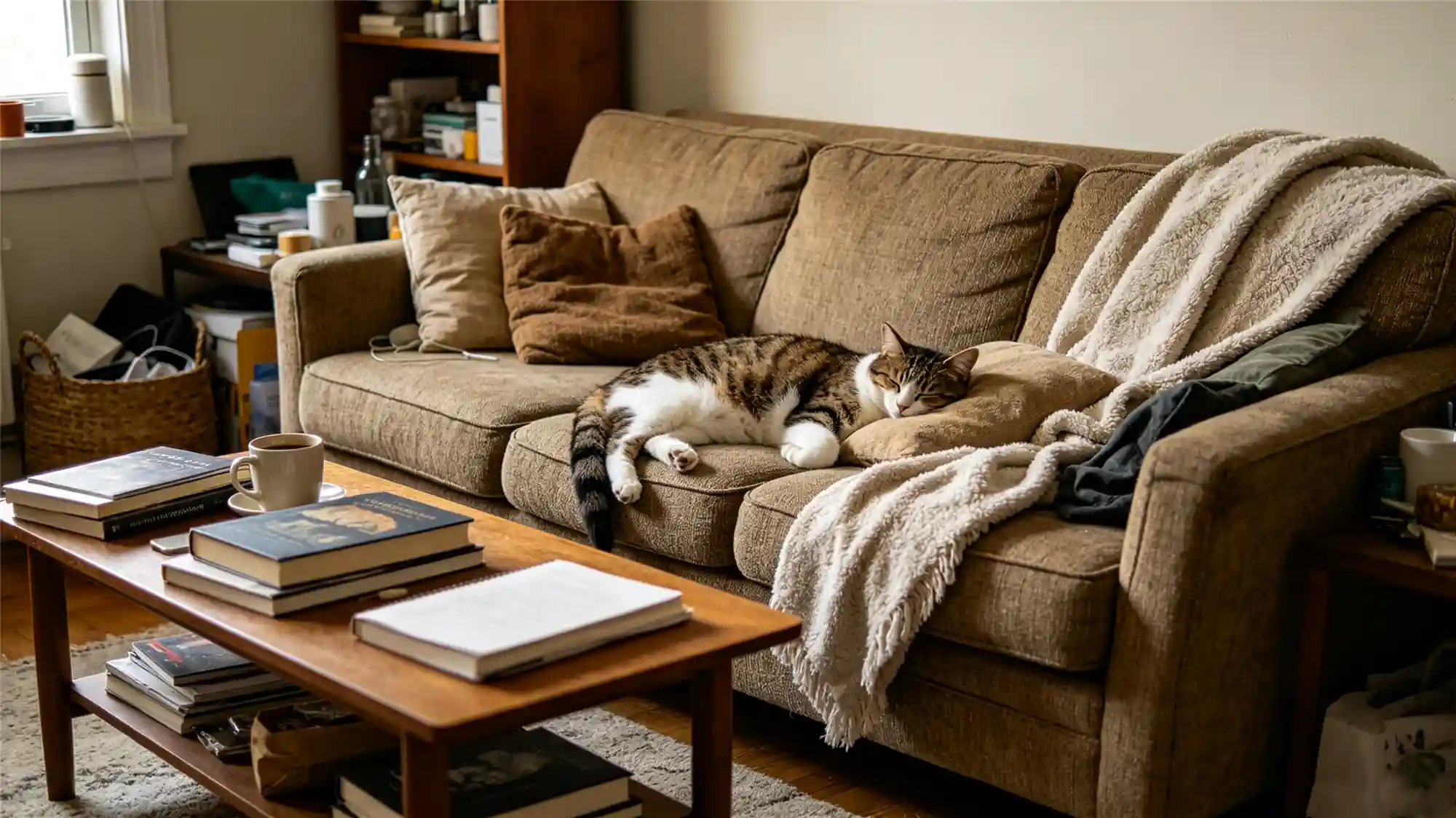
Strategic placement of orthopedic cat beds near windows (for bird watching) or in quiet corners creates what behaviorists call “secure bases.” From these safe zones, cats gain confidence to patrol, play, and hunt.
Sleep Zone Optimization Tips
- Elevated perches satisfy the instinct to spot danger from above
- Heated beds support arthritic joints in senior cats, reducing stiffness that prevents play
- Multiple locations prevent resource guarding in multi-cat households
- Scent-soaked blankets reduce anxiety, promoting deeper, more restorative sleep cycles
Breed-Specific Sleep Patterns
Not all cats are created equal when it comes to energy levels. Before worrying about your cat’s laziness, consider her genetics:
- High-energy breeds: Bengals, Abyssinians, and Siamese may sleep less (10-12 hours) and require more stimulation
- Laid-back lap cats: Persians, Ragdolls, and British Shorthairs embrace the nap life wholeheartedly
- Working breeds: Maine Coons and Norwegian Forest Cats often exhibit more crepuscular activity
The Verdict: Lazy or Just Efficient?
So, are cats really lazy? The answer is a resounding no. Your feline companion is a finely tuned predator who has mastered the art of energy conservation. Those 16-hour sleep marathons are biological necessities, not character flaws.
However, ensuring your cat has opportunities for physical exercise and mental stimulation remains crucial for her wellbeing. By providing engaging cat toy, interactive play sessions, and premium comfort zones, you honor her natural rhythms while supporting a healthy, active lifestyle.
Next time you catch your cat snoozing in a sunbeam, remember—you’re not witnessing laziness. You’re watching thousands of years of evolutionary perfection in action. And honestly? We could all learn a little something about the art of strategic relaxation from our feline friends.