 Free shipping on orders over $75 across the U.S., with different free shipping promotions available in parts of
 Europe,
 South America,
 Australia.For all other countries, please contact us before placing your order, and we'll be happy to fast-track a shipping solution for you.
The Ultimate Dog Daily Outdoor Activity Guide: How Much Exercise Does Your Dog Really Need?
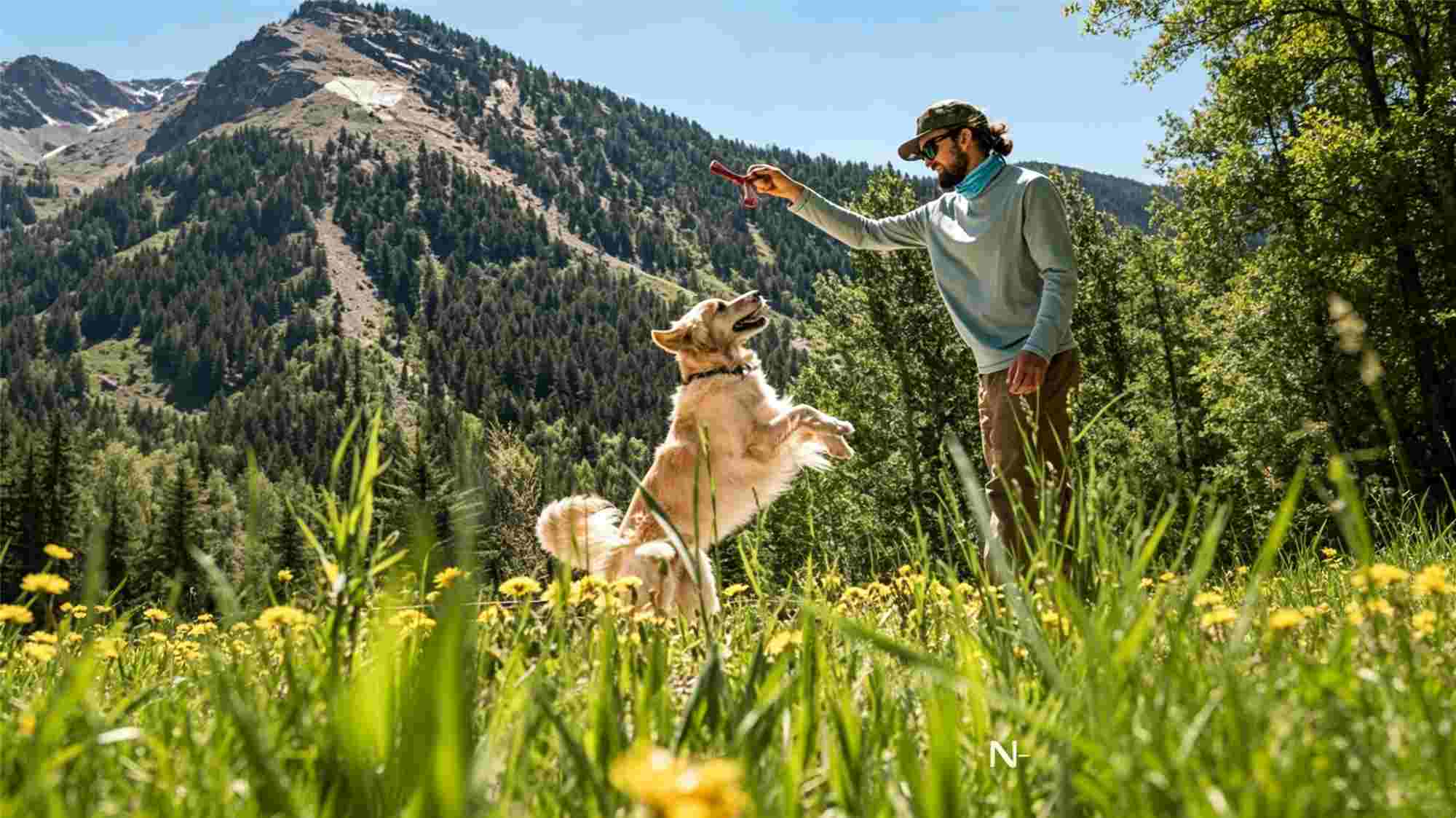
Are you constantly wondering if your furry friend is getting enough fresh air? You’re not alone. Studies show that 67% of dog owners worry they aren’t providing adequate daily outdoor time, yet most struggle to create a consistent routine that balances their pet’s physical needs with their busy schedules.
Whether you have a high-energy Border Collie or a laid-back Bulldog, understanding your dog’s unique exercise requirements is crucial for their physical health and mental wellbeing. In this comprehensive guide, we’ll break down exactly how to structure the perfect daily outdoor activity plan—and what to do when the weather doesn’t cooperate.
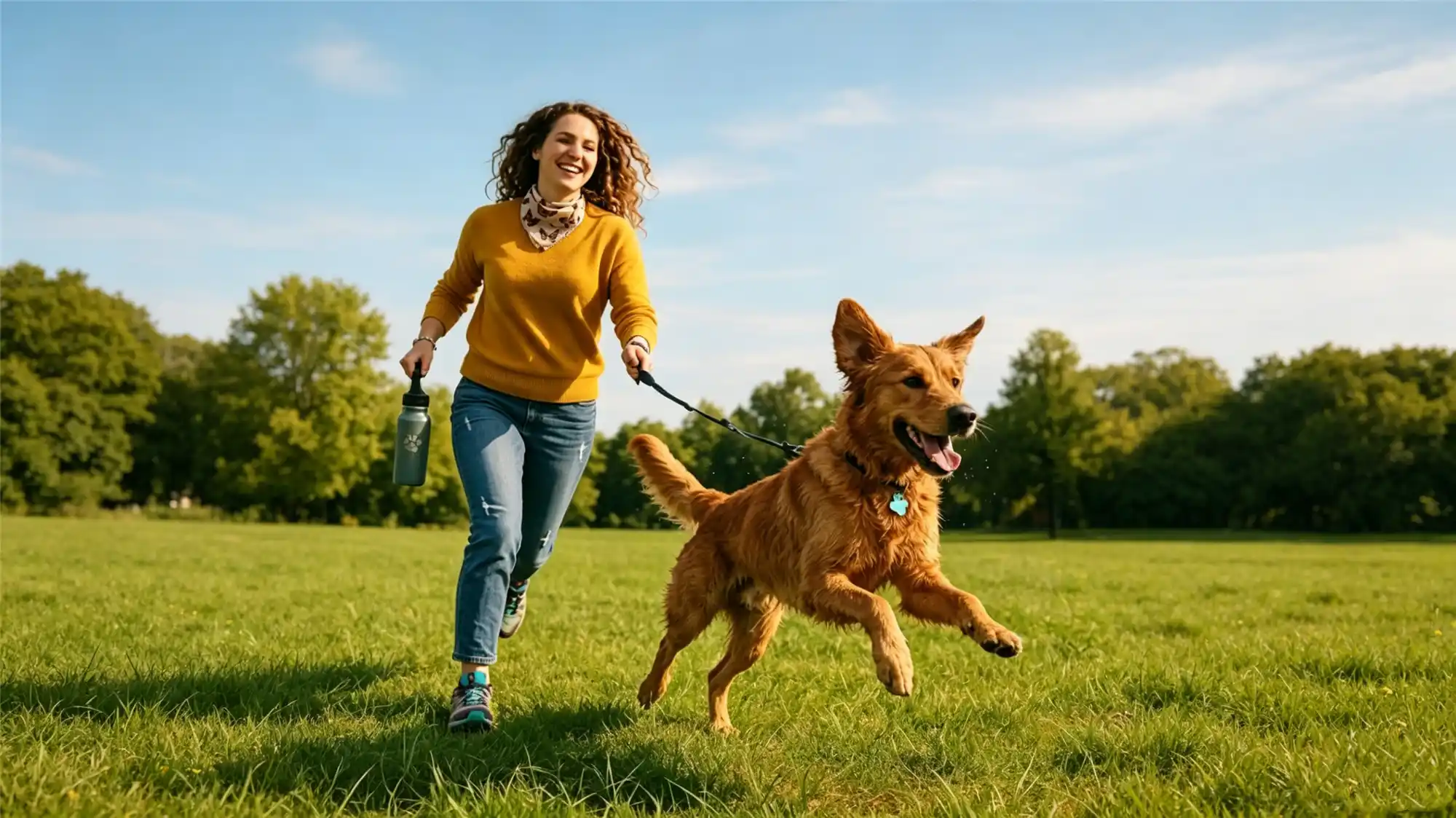
Why Daily Outdoor Activities Are Non-Negotiable for Dogs
Before diving into schedules, let’s address the elephant in the room: why does your dog need consistent outdoor time every single day? It’s not just about burning energy—it’s about fulfilling their biological instincts.
Regular outdoor activities provide:
- Physical health maintenance: Weight management, cardiovascular health, and joint mobility
- Mental stimulation: New scents, sounds, and sights prevent cognitive decline
- Behavioral balance: Reduced anxiety, destructive chewing, and excessive barking
- Social bonding: Quality time that strengthens your human-animal relationship
Skipping daily outdoor companionship doesn’t just lead to a bored dog—it often results in expensive behavioral issues that could have been prevented with just 30 minutes of structured activity.
Decoding Your Dog’s Exercise Requirements by Category
Not all dogs are created equal when it comes to stamina. A “one-size-fits-all” approach to daily outdoor time is a recipe for either an exhausted puppy or a restless adult dog.
High-Energy Working Breeds (90+ Minutes Daily)
Border Collies, Australian Shepherds, and Siberian Huskies don’t just want exercise—they need it for mental stability. These dogs require:
- 45-60 minutes of high-intensity activity (running, agility training)
- 30 minutes of moderate walking for scent exploration
- Interactive brain games to prevent obsessive behaviors
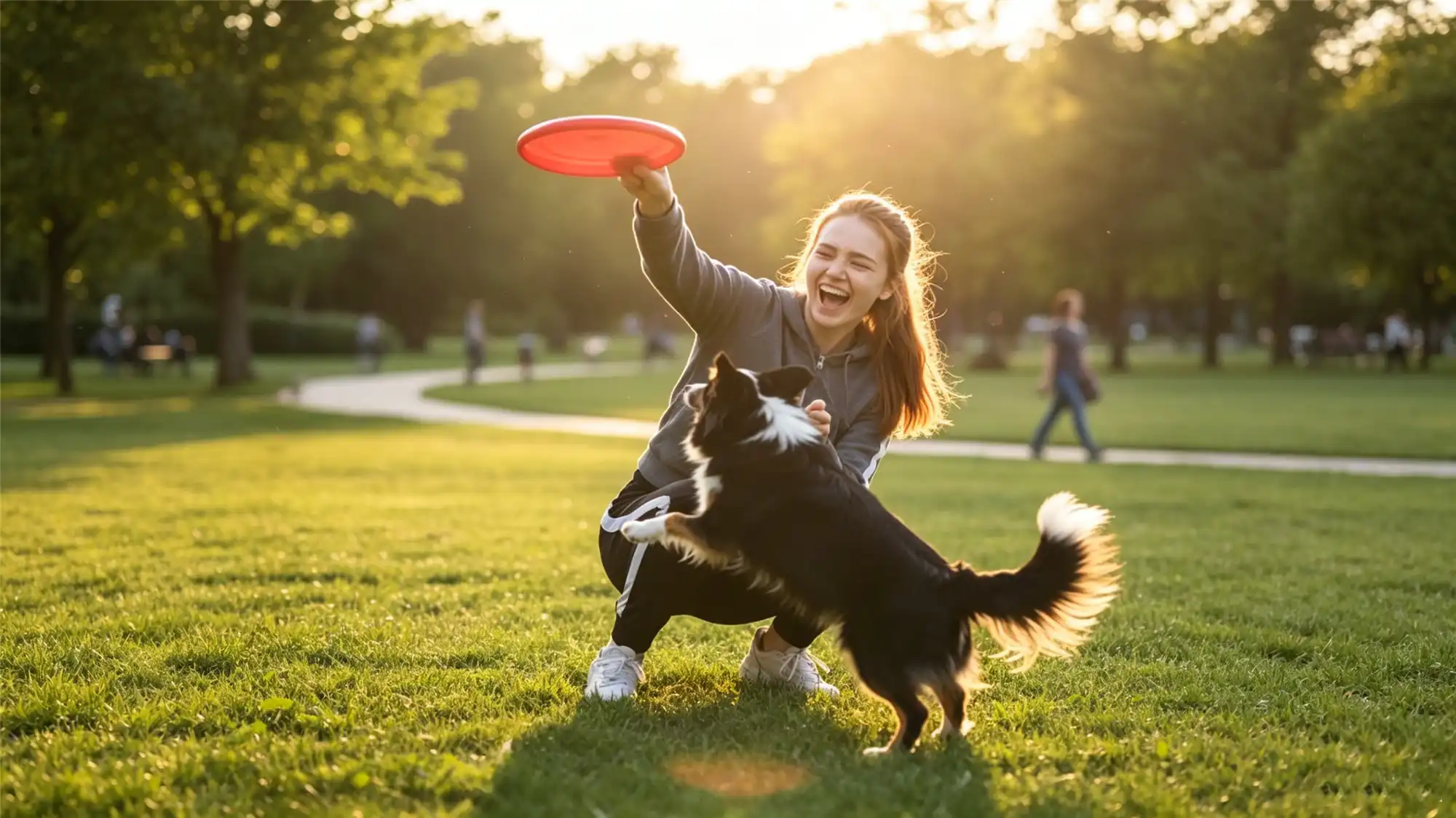
Medium-Energy Companion Breeds (60-90 Minutes Daily)
Golden Retrievers, Labradors, and Beagles thrive on varied routines:
- Two 20-30 minute brisk walks
- 15-20 minutes of fetch or tug-of-war play
- Socialization time at dog parks (2-3 times weekly)
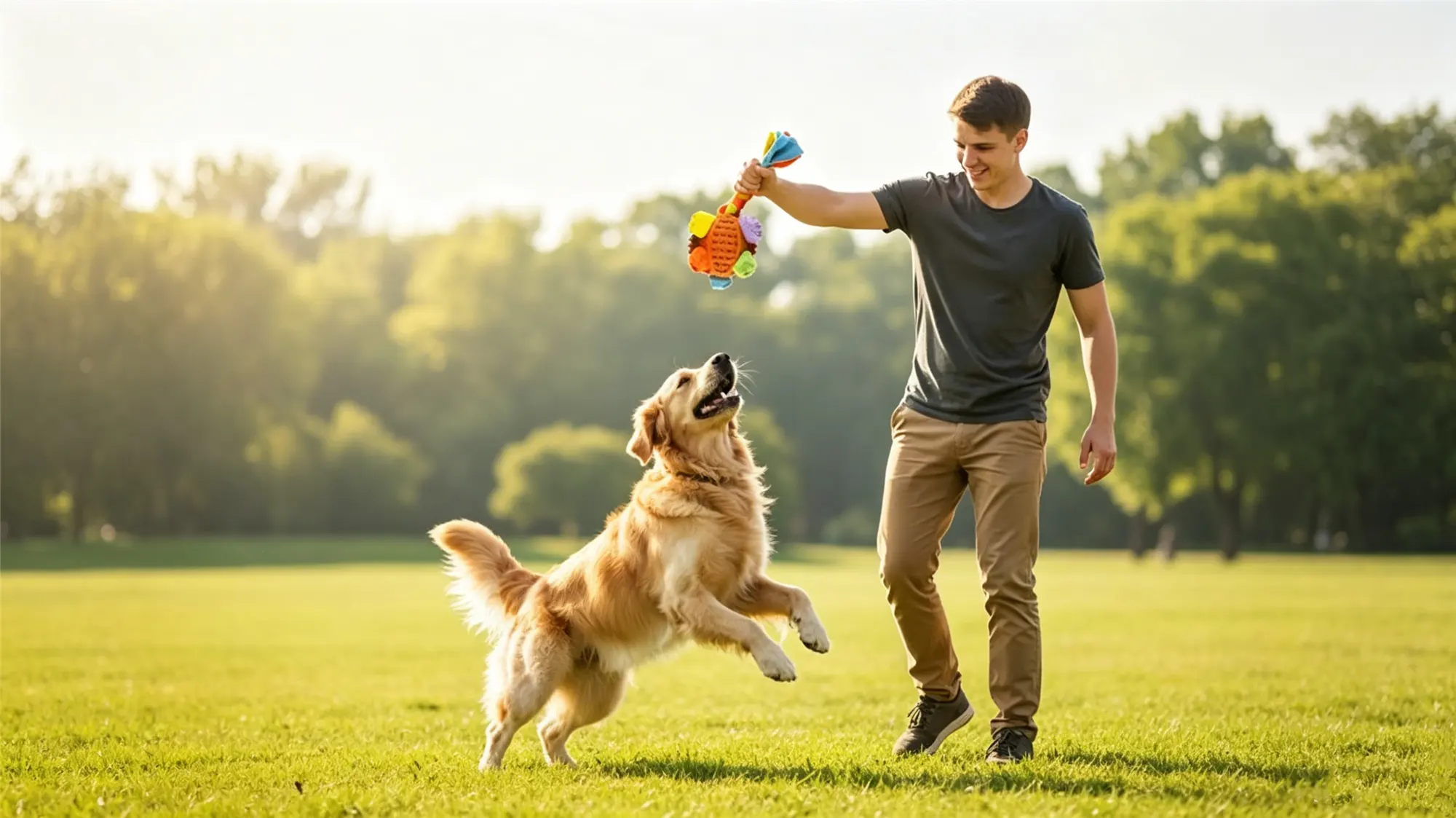
Low-Energy Toy and Giant Breeds (30-60 Minutes Daily)
French Bulldogs, Pugs, and Great Danes require gentler approaches:
- Short, frequent walks (10-15 minutes, 2-3 times daily)
- Swimming for joint-friendly exercise
- Mental enrichment over physical exhaustion
Puppies and Senior Dogs: Special Considerations
The “5-minute rule” applies to puppies—5 minutes of exercise per month of age, twice daily. For seniors, focus on consistency over intensity to maintain muscle mass without joint stress.
Building Your Dog’s Daily Outdoor Activity Schedule
Consistency beats intensity. Here’s a science-backed framework that works for 80% of adult dogs:
Morning Routine (20-30 Minutes)
Start with a brisk 15-minute walk for elimination and scent marking, followed by 10 minutes of high-energy play. Morning exercise sets the tone for calmer behavior while you’re at work.
Midday Check-in (10-15 Minutes)
If you’re home or have a dog walker, a quick potty break with light movement prevents afternoon restlessness. This is crucial for puppies under 12 months.
Evening Wind-Down (30-45 Minutes)
This is your premium bonding time. Mix aerobic exercise (jogging or fetch) with training sessions. The combination of physical and mental work ensures better sleep quality.

Beyond Walking: Creative Outdoor Activities for Dogs
Walking the same route gets boring—for both of you. Rotate these activities into your weekly schedule to keep your dog engaged:
- Urban agility: Using park benches and logs for natural obstacle courses
- Scent work games: Hiding treats in grass for nose-driven breeds
- Water activities: Swimming or sprinkler play for hot summer days
- Trail hiking: Varied terrain provides better muscle conditioning than flat sidewalks
- Flirt pole training: High-intensity chase play for prey-driven dogs
When Weather Fails You: Indoor Alternatives for Daily Companionship
Freezing rain? Extreme heat? Don’t skip the stimulation—adapt it. Indoor daily companionship can be just as fulfilling with the right approach:
- Stair workouts: Controlled up-and-down sessions for cardio
- Hide-and-seek: Strengthens recall while providing mental exercise
- Treat puzzles: Slow feeders and puzzle toys extend mealtime to 20+ minutes
- Tug-of-war protocols: Teaches impulse control while burning energy
Red Flags: Is Your Dog Getting Too Much or Too Little?
Learn to read your dog’s body language. Signs of insufficient exercise include:
- Destructive behavior (chewing furniture, digging)
- Excessive whining or attention-seeking
- Weight gain despite portion-controlled feeding
- Pacing or inability to settle at night
Warning signs of over-exercise include:
- Limping or stiffness after activity
- Excessive panting that doesn’t resolve within 10 minutes
- Reluctance to go outside (previously enthusiastic)
- Paw pad injuries or worn nails
Making Daily Outdoor Time Sustainable for Busy Owners
Life happens. Here’s how to maintain consistency without burning out:
- Doggy daycare: 1-2 days weekly for social dogs
- Professional dog walkers: Split the midday session
- Weekend adventure prep: Longer Saturday hikes compensate for shorter weekday walks
- Exercise toys: Automatic ball launchers for fetch-obsessed breeds when you’re multitasking
Final Thoughts: Quality Over Quantity
Your dog doesn’t need a marathon runner’s schedule—they need predictable, engaging daily outdoor activities that respect their breed instincts and age limitations. Start with the guidelines above, observe your dog’s response, and adjust accordingly.
Remember: A tired dog isn’t always a happy dog, but a fulfilled dog—one who’s had their physical and mental needs met through thoughtful daily companionship—is always a well-behaved companion.
Ready to upgrade your dog’s daily routine? Bookmark this guide and start implementing one new activity this week. Your dog will thank you with wagging tails and peaceful evenings.