 Free shipping on orders over $75 across the U.S., with different free shipping promotions available in parts of
 Europe,
 South America,
 Australia.For all other countries, please contact us before placing your order, and we'll be happy to fast-track a shipping solution for you.
Bearded Dragon Habitat Setup: UVB Lighting, Heating & Enclosure Guide
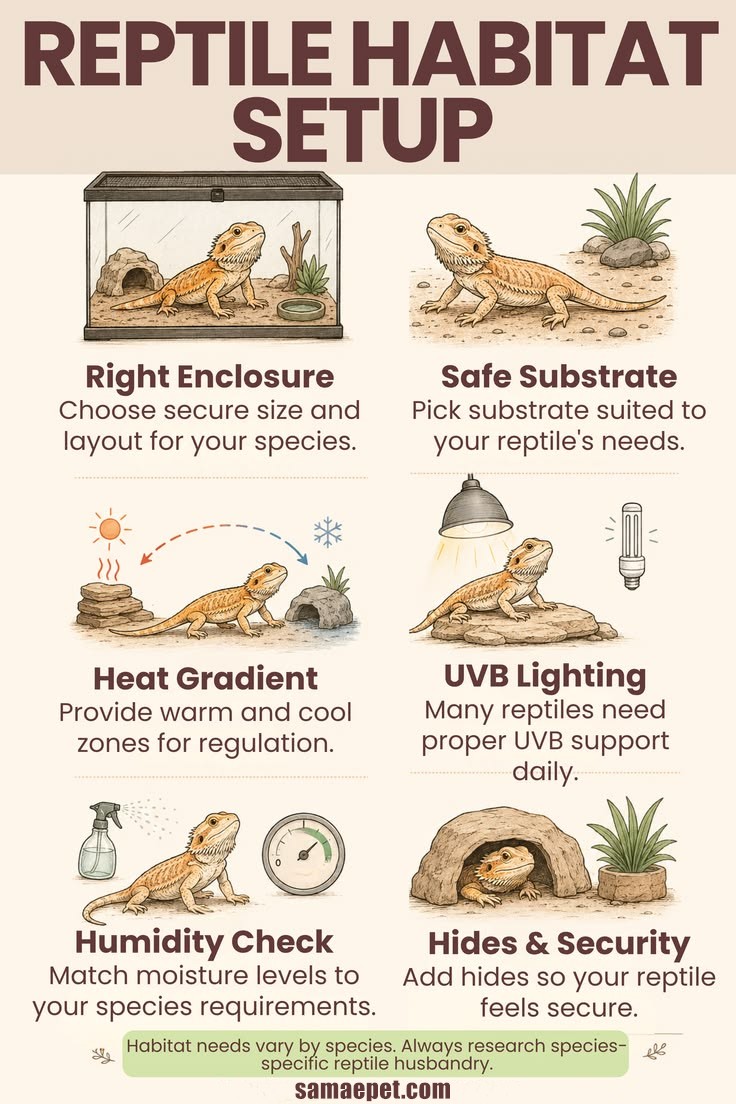
Is your bearded dragon lethargic, refusing food, or showing signs of metabolic bone disease? The culprit is often an improper habitat setup. As desert-dwelling reptiles native to Australia, bearded dragons require precise environmental conditions to thrive in captivity—not just survive.
After consulting with exotic veterinarians and breeders for over a decade, we’ve identified the six critical elements that separate a thriving dragon from a sick one. This guide walks you through creating a bioactive, stress-free environment that mimics their natural arid habitat.
Why Your Bearded Dragon’s Habitat Setup Matters
Many new reptile owners make the mistake of treating habitat setup as an afterthought. However, inadequate UVB exposure and thermal gradients directly impact calcium absorption, digestion, and immune function.
According to the Association of Reptilian and Amphibian Veterinarians (ARAV), 80% of captive bearded dragon health issues stem from improper lighting and heating configurations. Getting these elements right from day one prevents costly vet bills and ensures your pet lives its full 10-15 year lifespan.
Step-by-Step Bearded Dragon Enclosure Setup
1. Choosing the Right Enclosure Dimensions
Adult bearded dragons need space to thermoregulate and exercise. A cramped tank leads to stress and obesity.
- Minimum size: 120-gallon (48″ x 24″ x 24″) for adults
- Juvenile setup: 40-gallon breeder tank (temporary, upgrade by 8 months)
- Material: Glass aquariums with screen lids work well, but PVC enclosures retain heat better
- Ventilation: Ensure 20-30% of the top is screened for airflow
2. Selecting Safe Substrate (Avoiding Impaction Risks)
Substrate choice remains one of the most debated topics in bearded dragon care. While loose substrates look natural, they pose impaction risks for juveniles under 12 inches.
Safe options include:
- Non-adhesive shelf liner (easiest to clean)
- Ceramic tile or slate (excellent for nail filing)
- Excavator clay (allows burrowing without ingestion risk)
- Reptile carpet (avoid loose fibers)
Avoid calci-sand, walnut shells, or wood chips. These cause fatal intestinal blockages when ingested during feeding.
3. Creating the Perfect Heat Gradient
Bearded dragons are ectotherms—they rely on external heat sources to regulate body temperature. Your enclosure must provide a thermal gradient from hot to cool.
- Basking spot: 95-105°F (35-40°C) for adults, 105-110°F for juveniles
- Cool side: 75-85°F (24-29°C)
- Nighttime drop: 70-75°F (21-24°C)
Use a combination of basking bulbs and ceramic heat emitters (CHE) to maintain these temperatures. Always verify with digital thermometers placed at dragon-level, not stuck to the glass.
4. UVB Lighting: The Non-Negotiable Element
UVB lighting isn’t optional—it’s a biological necessity. Without adequate UVB exposure, dragons cannot synthesize vitamin D3, leading to metabolic bone disease (MBD) and neurological issues.
UVB Setup Requirements:
- Bulb type: T5 HO (high output) fluorescent tube, 10.0 or 12% strength
- Placement: Mounted inside the enclosure (mesh screens block 30-50% of UVB)
- Distance: 12-18 inches from basking spot
- Duration: 12-14 hours daily on a timer
- Replacement: Every 6-12 months (UVB output degrades before visible light)
Mercury vapor bulbs (MVBs) provide both heat and UVB but require careful monitoring to prevent overheating. For optimal results, pair your UVB tube with a separate basking bulb.
5. Humidity Control for Desert Species
Despite their arid origins, bearded dragons need specific humidity levels for proper shedding and respiratory health.
- Ideal range: 30-40% relative humidity
- Monitoring: Use digital hygrometers on both hot and cool sides
- Adjustments: Increase ventilation if humidity exceeds 50%; add a small water dish on the cool side if below 25%
During shedding periods, offer a humid hide filled with damp sphagnum moss to aid skin removal.
6. Hides, Security, and Environmental Enrichment
Stress kills bearded dragons silently. Provide multiple hiding spots to help your dragon feel secure during brumation or when adjusting to new environments.
- Minimum hides: One on the hot side, one on the cool side
- Materials: Cork bark, resin caves, or half-log hides
- Basking platforms: Flat rocks or hammocks positioned under the heat lamp
- Clutter: Add artificial plants or driftwood to break sightlines and reduce stress
Common Habitat Setup Mistakes to Avoid
Even experienced keepers occasionally overlook these critical details:
- Co-habitation: Never house adult males together; females often require separation too
- Colored lights: Red or blue “night lights” disrupt circadian rhythms and cause stress
- Sand for juveniles: Wait until your dragon is fully grown (18+ months) before considering loose substrates
- UVB positioning: Placing UVB lamps on top of glass tanks renders them ineffective
Frequently Asked Questions
How often should I clean the habitat?
Spot clean daily for feces. Deep clean with reptile-safe disinfectant monthly. Replace substrate every 2-4 weeks depending on material.
Can I use a heat rock?
No. Heat rocks cause severe thermal burns on bearded dragon bellies. Use overhead heating only.
What if my dragon is always hiding?
Check your temperatures first—dragons hide to escape heat. If temps are correct, evaluate for illness or relocation stress. New dragons often take 1-2 weeks to acclimate.
Final Checklist for a Thriving Habitat
Before bringing your bearded dragon home, verify you have:
- 120-gallon enclosure with secure lid
- T5 HO UVB bulb mounted inside the tank
- Basking bulb creating 100°F+ hotspot
- Digital thermometers and hygrometers
- Non-loose substrate
- Two hides minimum
- Fresh water dish and feeding ledge
Creating the perfect bearded dragon habitat requires upfront investment, but watching your dragon display natural behaviors—basking, hunting, and exploring—makes every effort worthwhile. Start with these fundamentals, and you’ll provide a foundation for a healthy, active companion for years to come.