 Free shipping on orders over $75 across the U.S., with different free shipping promotions available in parts of
 Europe,
 South America,
 Australia.For all other countries, please contact us before placing your order, and we'll be happy to fast-track a shipping solution for you.
Can You Keep Wild Reptiles as Pets? Legal & Ethical Guide for Beginners
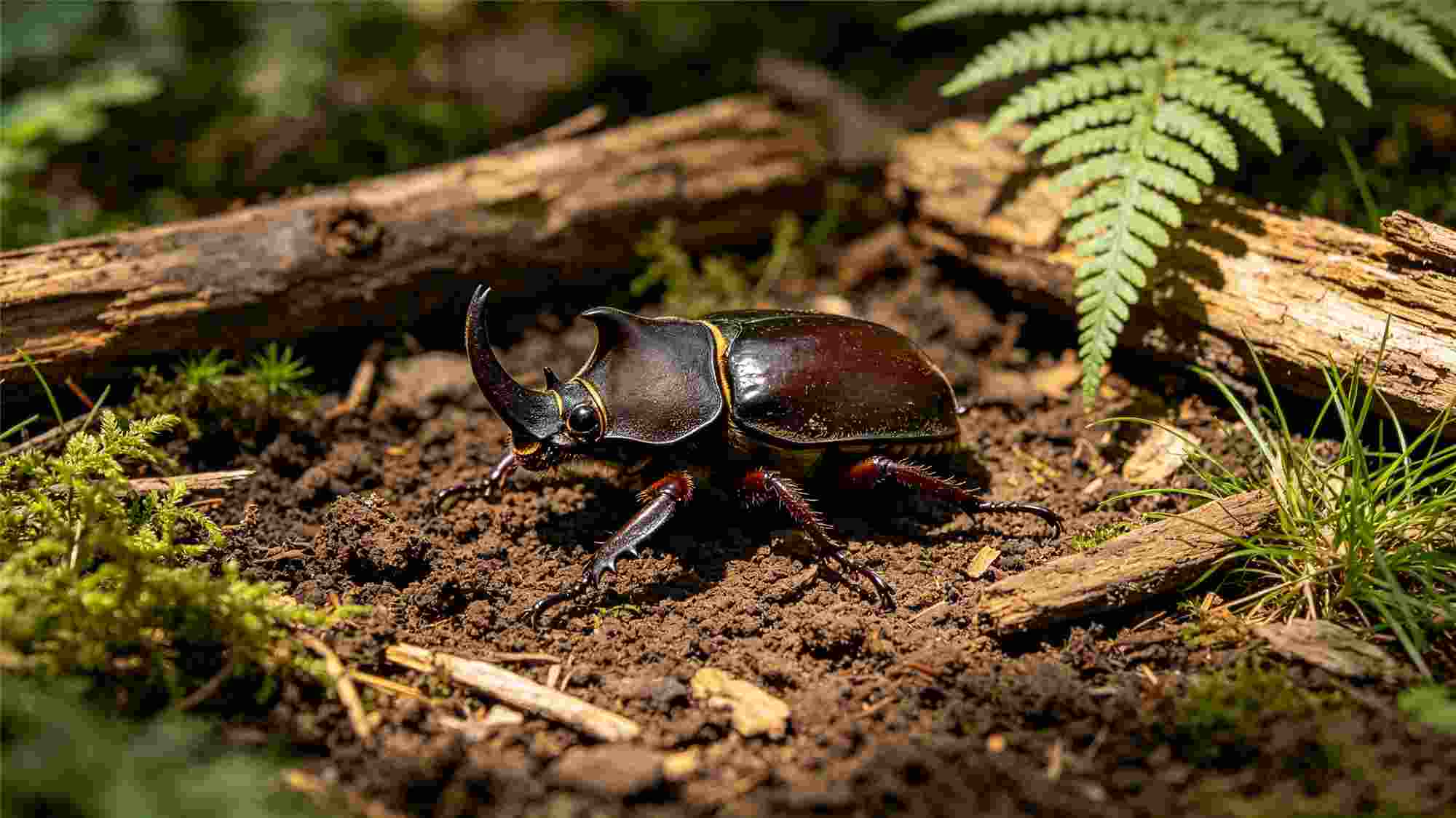
You spot a beautiful box turtle crossing your backyard or a vibrant green anole basking on your porch. The temptation is real—should you bring that wild reptile home as a pet? Before you reach for a container, you need to understand the serious legal, ethical, and ecological implications. In most jurisdictions, the answer is a firm no.
Why People Consider Taking Wild Reptiles Home
The impulse to capture wild reptiles often stems from good intentions. Understanding these motivations helps address the root of the problem:
- Conservation concerns: Believing the animal is “in danger” or needs “rescuing” from urban environments
- Cost savings: Avoiding pet store prices for snakes, lizards, or turtles
- Educational value: Wanting children to observe wildlife up close
- Aesthetic appeal: Capturing uniquely colored specimens that seem “rare”
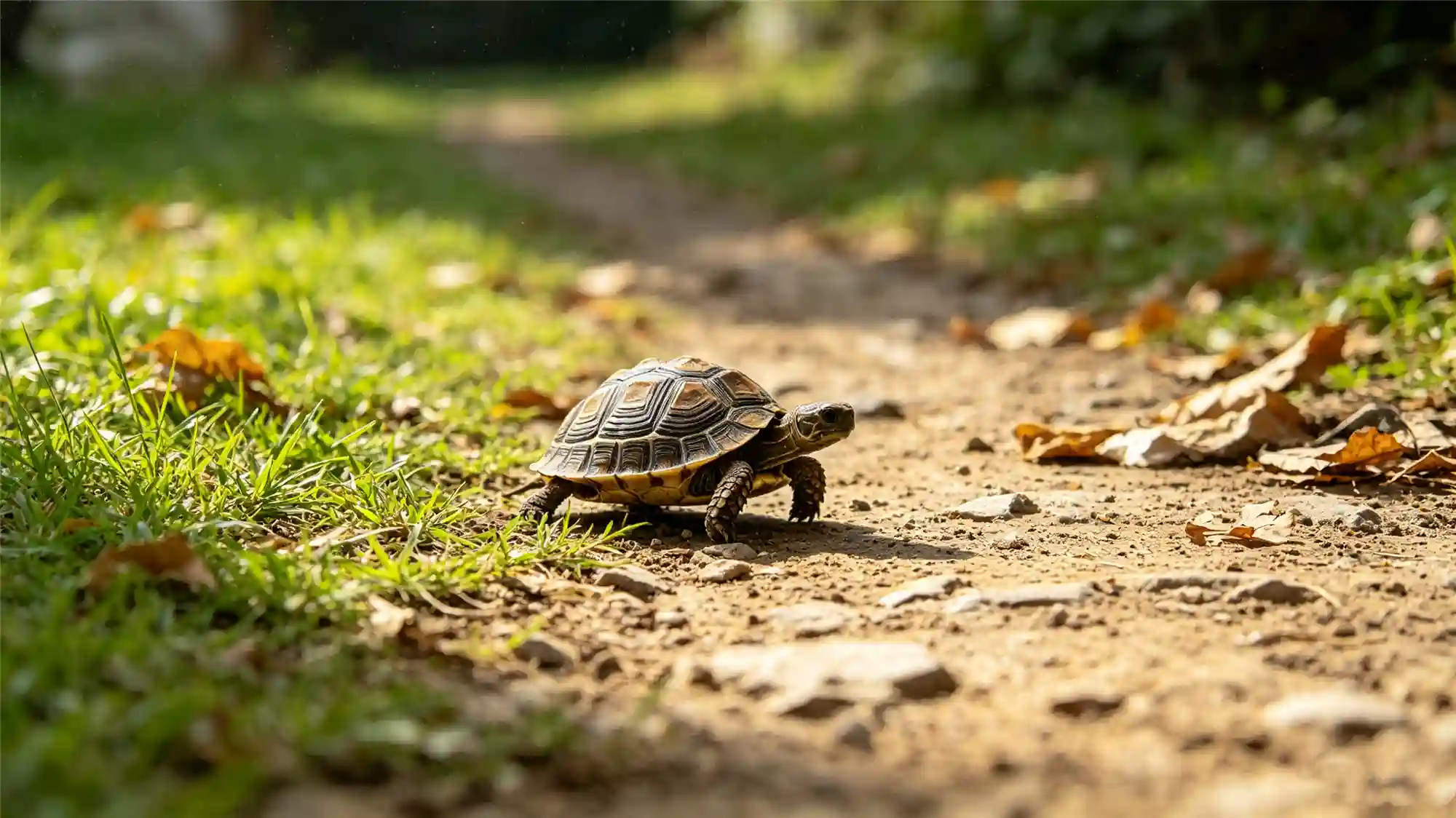
However, what seems like a harmless rescue mission often becomes a death sentence for the animal—and potentially a legal nightmare for you.
The Legal Reality: Fines and Criminal Charges
Most people don’t realize that capturing native wildlife violates multiple laws. In the United States, the Lacey Act and various state wildlife protection statutes make it illegal to capture, possess, or transport many reptile species without proper permits.
Common Legal Consequences Include:
- Fines ranging from $500 to $10,000+ depending on the species
- Confiscation of the animal and equipment
- Misdemeanor or felony charges for endangered species
- Loss of hunting or fishing privileges
Even seemingly common species like garter snakes or painted turtles often fall under protected status. Always check your local Department of Natural Resources regulations before handling any wild reptile.
Health Risks: What You Can’t See Can Hurt You
Wild reptiles carry parasites and pathogens that captive-bred animals typically don’t harbor. When you bring a wild-caught animal into your home, you’re introducing potential health hazards to both humans and existing pets.
Key health concerns include:
- Salmonella bacteria: Present in over 90% of wild reptiles
- Internal parasites: Nematodes, tapeworms, and protozoa
- External parasites: Ticks and mites that can infest your home
- Respiratory infections: Highly contagious to other reptiles
Veterinary treatment for wild-caught reptiles often costs 3-5 times more than the animal’s purchase price from a breeder—if treatment is even possible.
Ecological Impact: The Bigger Picture
Removing one animal from the wild creates ripple effects throughout the ecosystem. Reptiles play crucial roles as both predators and prey in local food webs.
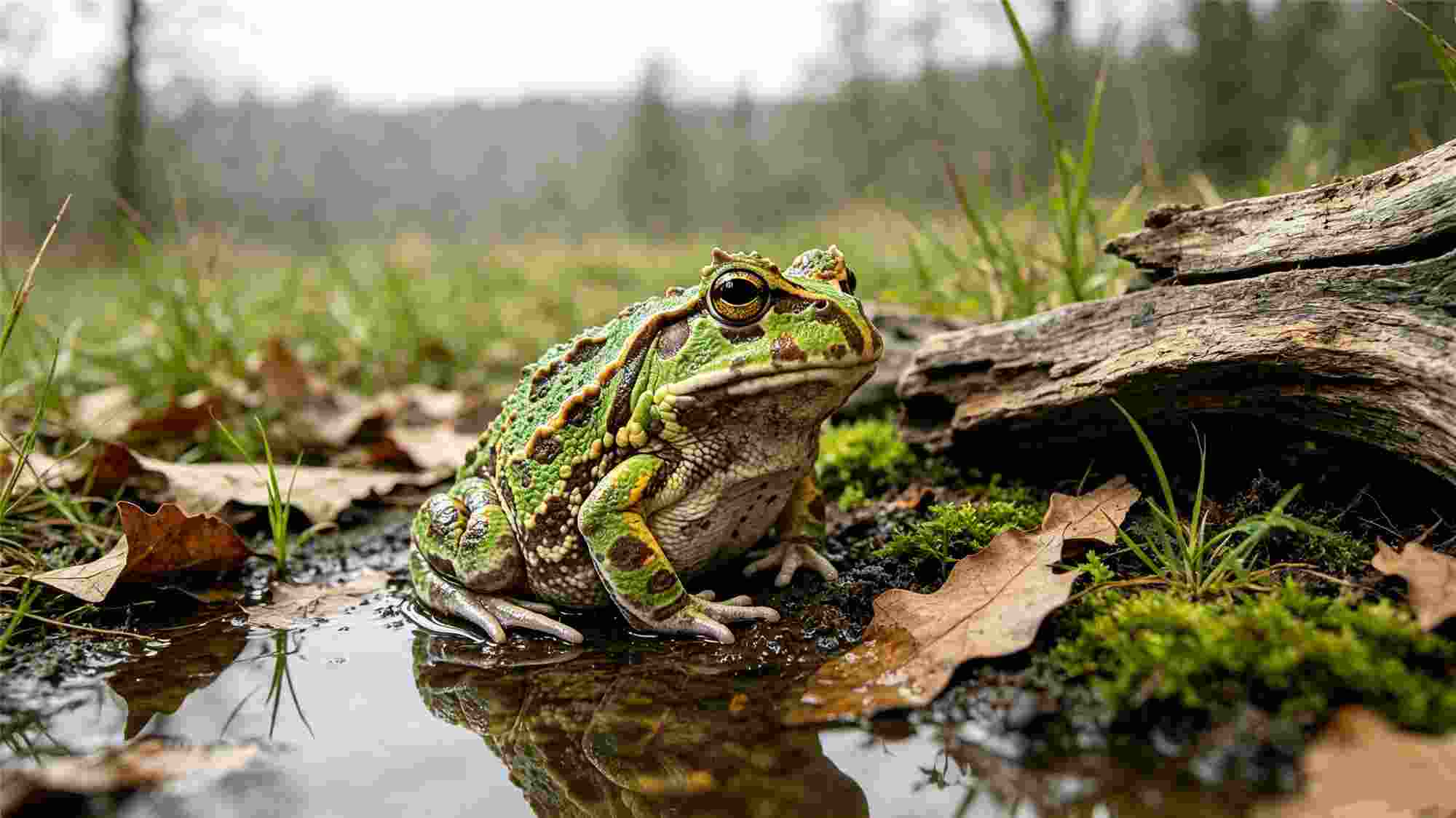
The consequences of collection include:
- Population decline: Even “common” species suffer from continuous collection pressure
- Genetic diversity loss: Removing breeding adults weakens local gene pools
- Pest population explosions: When predators like garter snakes disappear, rodent and insect populations surge
- Invasive species risk: Released “rescued” animals can introduce diseases to wild populations
Animal Welfare: Why Wild Reptiles Fail in Captivity
Wild reptiles experience extreme stress when captured. Unlike captive-bred specimens accustomed to human interaction, wild animals perceive you as a predator.
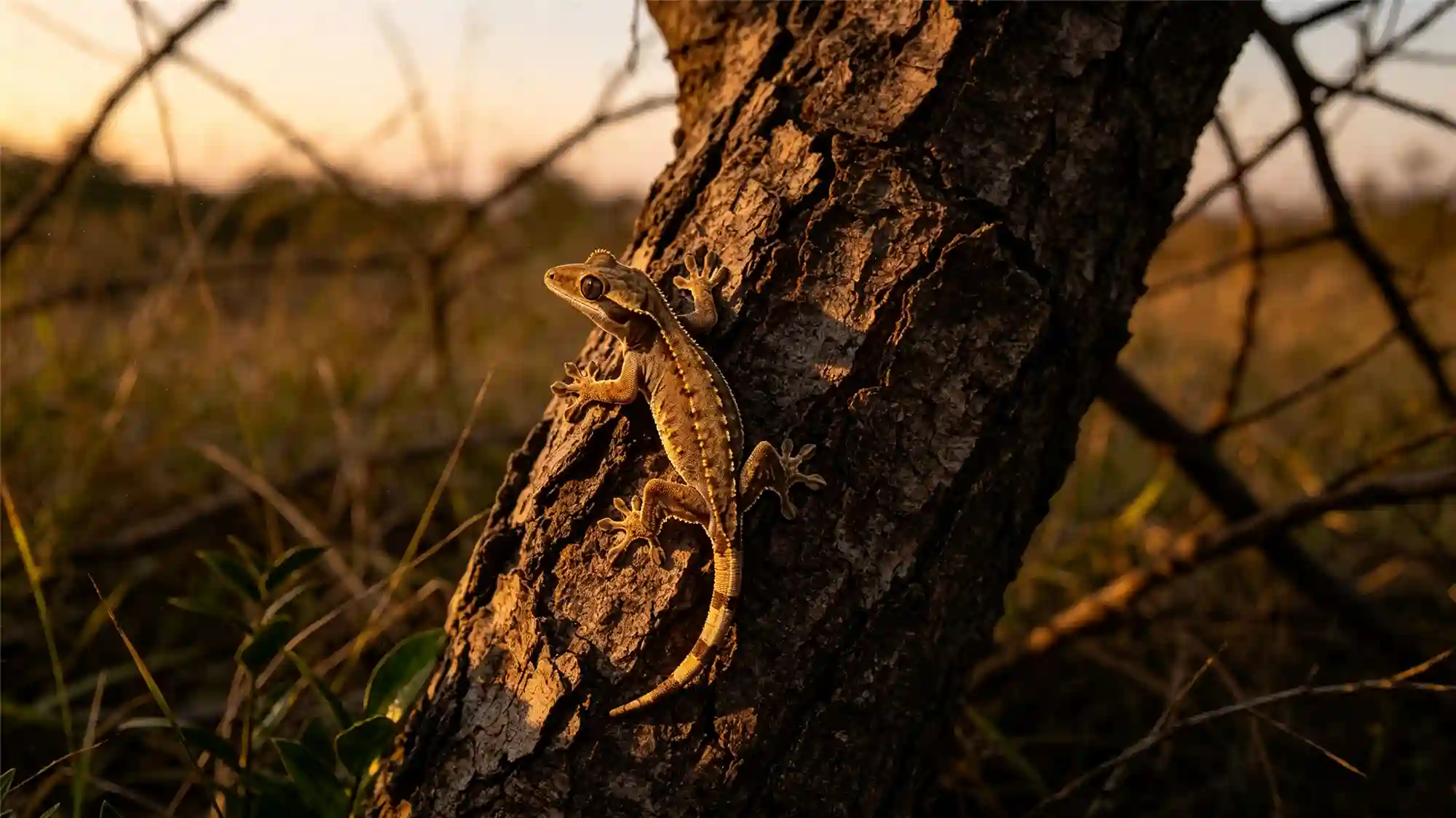
Signs of capture stress include:
- Refusal to eat for weeks (leading to starvation)
- Neurotic behaviors like glass surfing or self-mutilation
- Weakened immune systems resulting in secondary infections
- Drastically shortened lifespans (wild turtles can live 50+ years, but captured adults often die within months)
These animals require specific microhabitats—exact humidity gradients, UVB exposure, and temperature ranges—that standard pet store setups rarely replicate perfectly.
The Better Alternative: Captive-Bred Reptiles
If you’re passionate about reptile keeping, choose captive-bred (CB) or captive-hatched (CH) specimens from reputable breeders. These animals offer distinct advantages:
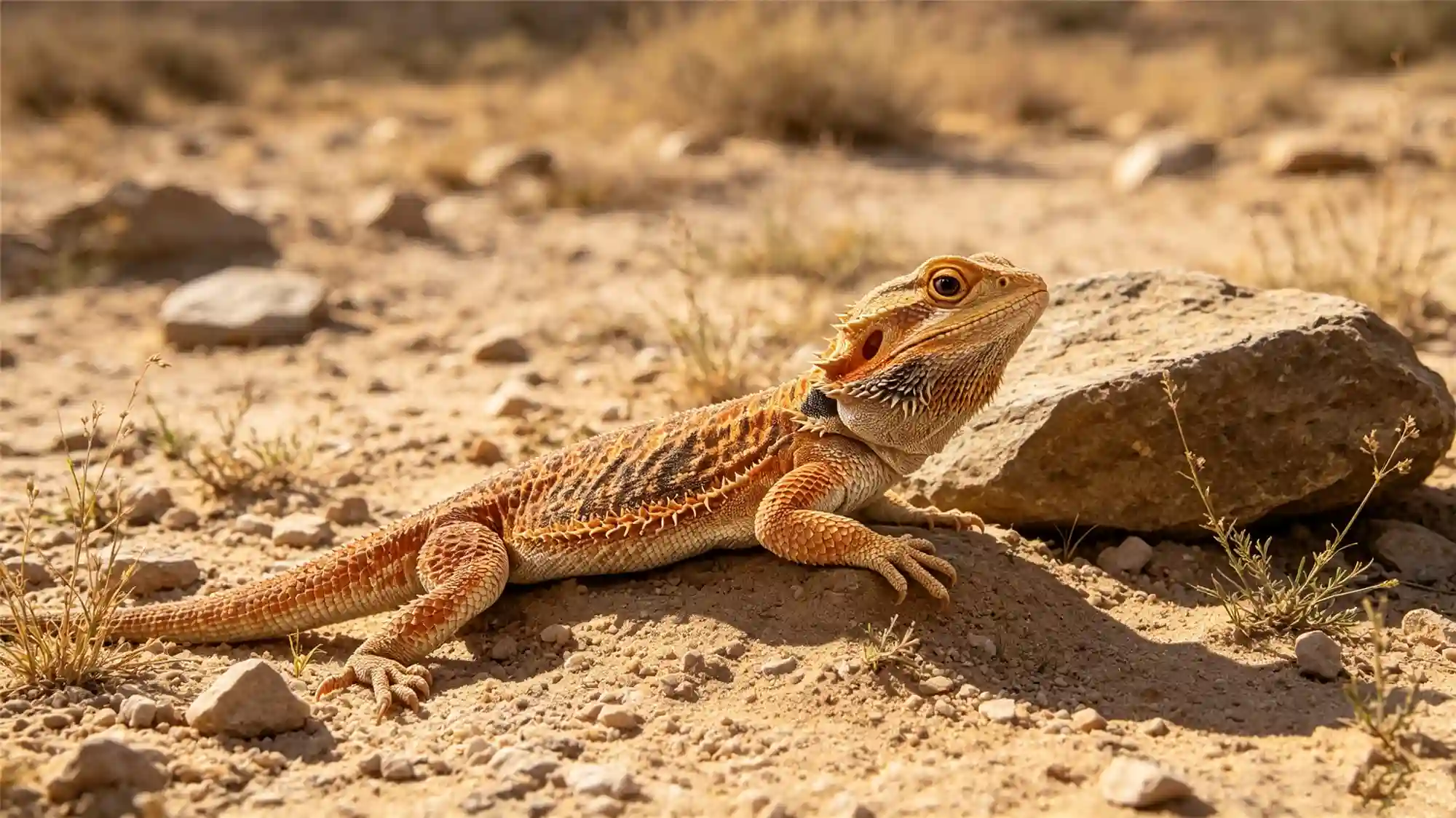
- Hardiness: Accustomed to captivity and commercial diets
- Health screening: Reputable breeders provide parasite-free guarantees
- Species-specific morphs: Access to color variations impossible to find in the wild
- Conservation support: Reduces pressure on wild populations
Popular beginner-friendly captive-bred options include:
- Bearded Dragons (Pogona vitticeps)
- Corn Snakes (Pantherophis guttatus)
- Leopard Geckos (Eublepharis macularius)
- Russian Tortoises (Agrionemys horsfieldii)
What If You Already Captured a Wild Reptile?
If you’ve already taken a wild reptile home, immediate action can save its life:
- Do not release it elsewhere: Return it to the exact capture location to prevent disease spread and ensure it recognizes the territory
- Contact wildlife rehabilitation centers: If the animal appears injured, licensed rehabilitators provide proper care
- Consult an exotic veterinarian: For animals you intend to keep (where legal), immediate parasite treatment is essential
Setting Up Proper Reptile Habitats
For those committed to responsible reptile keeping through legal channels, invest in species-appropriate enclosures:
- UVB lighting: Essential for vitamin D3 synthesis in most diurnal species
- Thermal gradients: Allow self-regulation between basking and cool zones
- Humidity control: Mist systems or substrates maintaining 40-80% relative humidity depending on species
- Hiding spots: Multiple shelters to reduce stress and encourage natural behaviors
Conclusion: Look, Don’t Take
The wild reptiles you encounter belong to complex ecosystems that depend on their presence. By observing these fascinating creatures in their natural habitats—through photography, journaling, or guided herping tours—you gain the educational benefits without the ethical baggage.
If you desire a scaly companion, support conservation-minded breeders who produce healthy, adapted animals. Your future pet—and local ecosystems—will thank you.