 Free shipping on orders over $75 across the U.S., with different free shipping promotions available in parts of
 Europe,
 South America,
 Australia.For all other countries, please contact us before placing your order, and we'll be happy to fast-track a shipping solution for you.
Common Dog Diseases Every Owner Must Know: Early Signs, Treatment & Prevention Guide
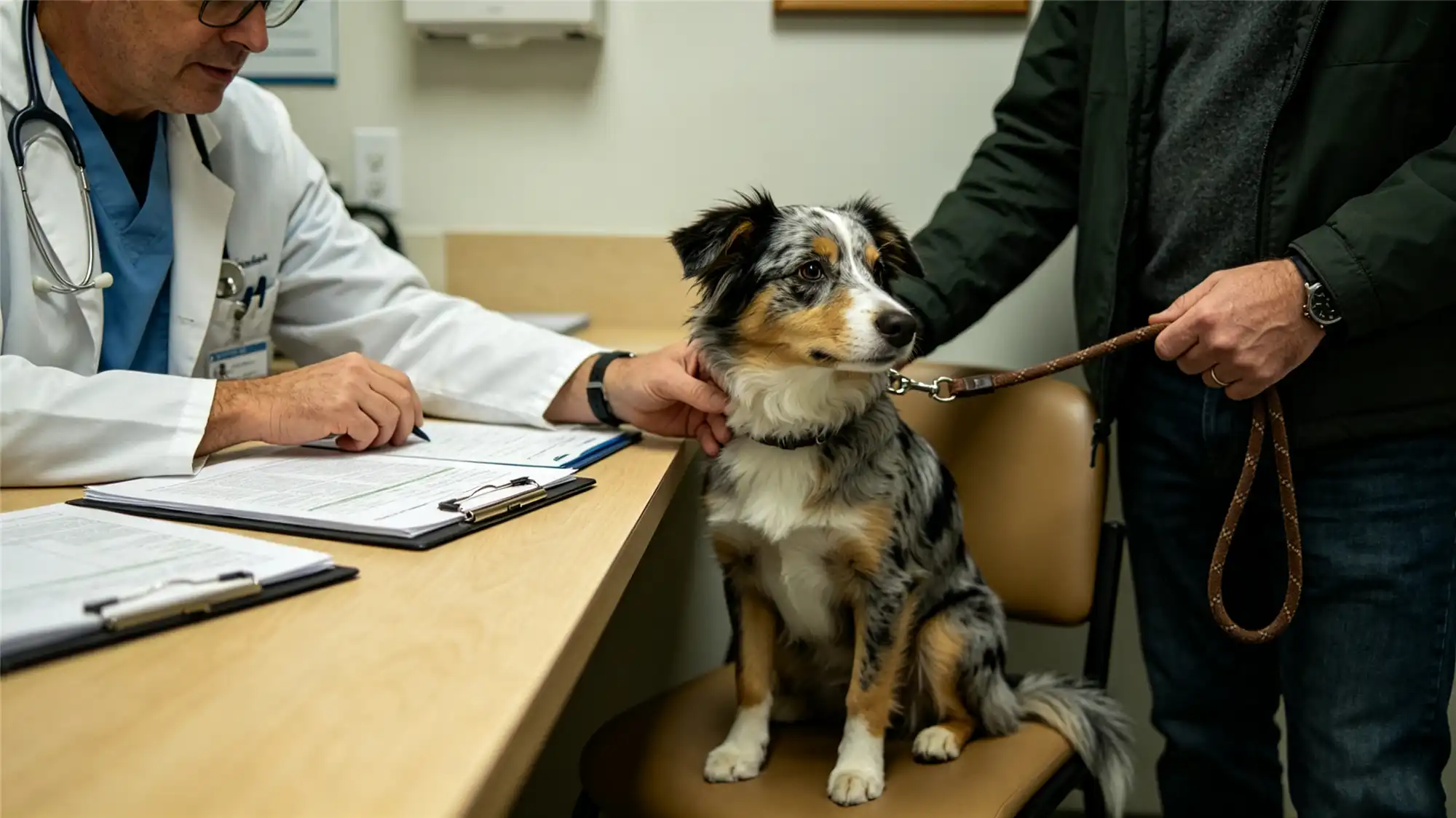
Your dog can’t tell you when they feel sick. As a pet parent, noticing subtle changes in behavior or appearance could mean the difference between a quick recovery and a life-threatening emergency. Whether you have a playful puppy or a senior companion, understanding common dog diseases empowers you to act fast and potentially save your furry friend’s life.
In this comprehensive guide, we’ll walk you through the most prevalent canine illnesses, exactly what symptoms to watch for, and the treatment options available. From skin infections to serious internal conditions, here’s everything you need to know to keep your dog healthy and happy.
Why Early Observation Matters More Than Ever
Dogs are masters at hiding pain—an evolutionary trait that once protected them in the wild but now makes diagnosis challenging. By the time obvious symptoms appear, conditions like kidney disease or cancer may have already progressed significantly.
Learning to observe your dog’s baseline behavior is crucial. Note their normal eating habits, energy levels, stool consistency, and breathing patterns. Any deviation lasting more than 24-48 hours warrants attention.
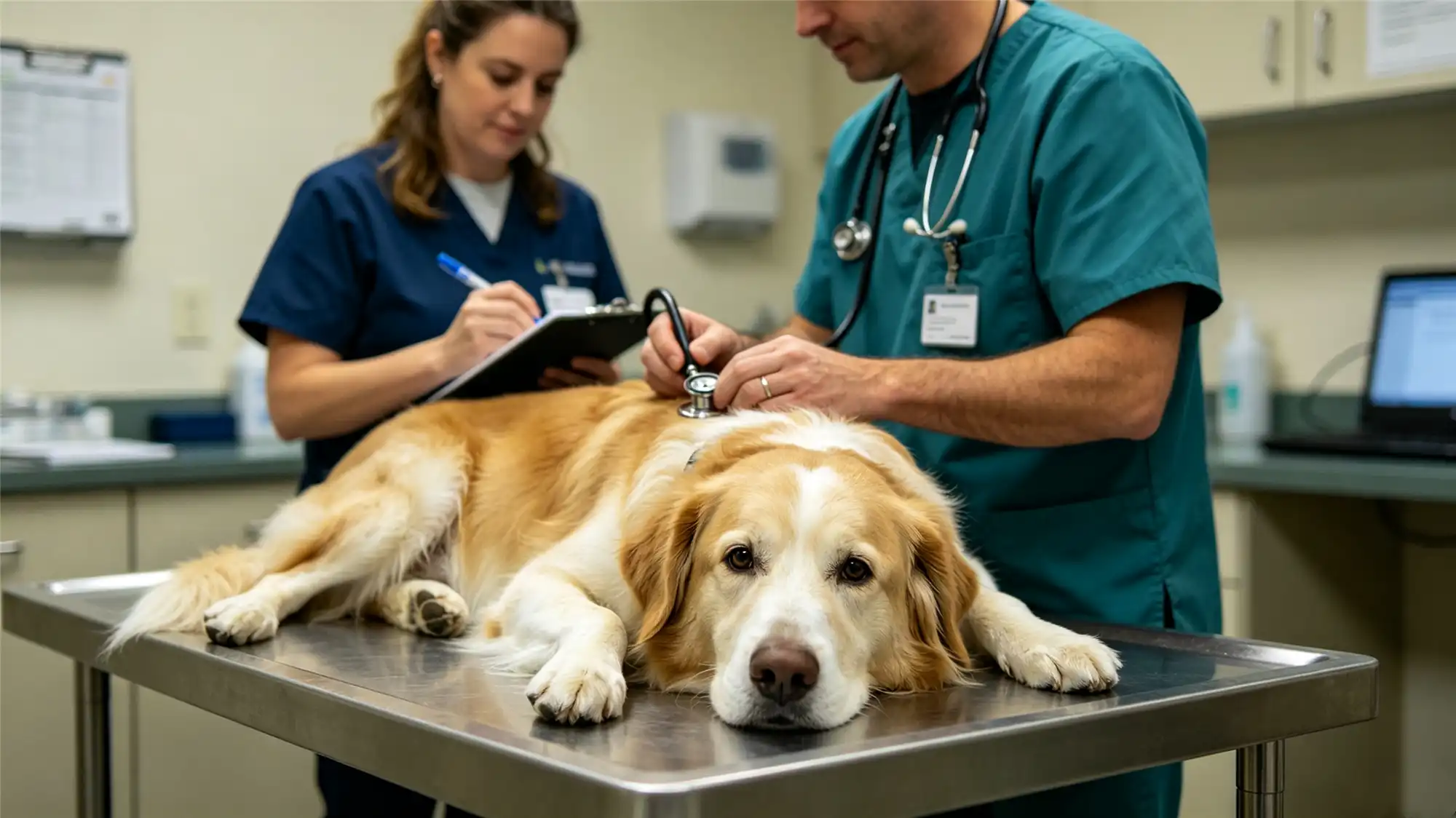
Key Daily Observation Checkpoints
- Appetite changes or water consumption spikes
- Lethargy or reluctance to exercise
- Unusual lumps, bumps, or skin discoloration
- Coughing, sneezing, or difficulty breathing
- Vomiting, diarrhea, or straining to urinate
Common Dog Diseases and Their Warning Signs
1. Canine Parvovirus (Parvo)
This highly contagious viral illness attacks the gastrointestinal tract, particularly in unvaccinated puppies. Symptoms include severe vomiting, bloody diarrhea, fever, and rapid dehydration. Without immediate veterinary intervention, parvo can be fatal within 48-72 hours.
Treatment: Hospitalization with IV fluids, anti-nausea medications, and antibiotics to prevent secondary infections. Prevention through vaccination is 99% effective.
2. Ear Infections (Otitis Externa)
Especially common in floppy-eared breeds like Cocker Spaniels and Basset Hounds, ear infections cause intense discomfort. Watch for head shaking, scratching, foul odor, or discharge.
Treatment: Professional cleaning followed by topical or oral antibiotics/anti-fungals. Chronic cases may require dietary changes to address underlying allergies.
3. Dental Disease (Periodontal Disease)
By age three, over 80% of dogs show signs of periodontal disease. Bad breath isn’t just unpleasant—it’s often the first indicator of bacterial infection destroying gum tissue and potentially entering the bloodstream.
Treatment: Professional dental cleaning under anesthesia, tooth extractions if necessary, and home dental care routines.
4. Arthritis and Joint Disease
As dogs age, cartilage deterioration causes pain and stiffness. Large breeds like German Shepherds and Labradors are particularly susceptible. Symptoms include difficulty standing, limping, and reluctance to climb stairs.
Treatment: Weight management, joint supplements (glucosamine/chondroitin), prescription NSAIDs, and physical therapy.
5. Obesity-Related Conditions
Carrying extra weight isn’t just cosmetic—it dramatically increases risk for diabetes, heart disease, and osteoarthritis. If you can’t feel your dog’s ribs easily, it’s time for a dietary intervention.
When Surgical Intervention Becomes Necessary
While many conditions respond to medication and lifestyle changes, some dog diseases require surgical treatment for full recovery. These include hip dysplasia, severe trauma, tumor removal, and gastric dilatation-volvulus (bloat).
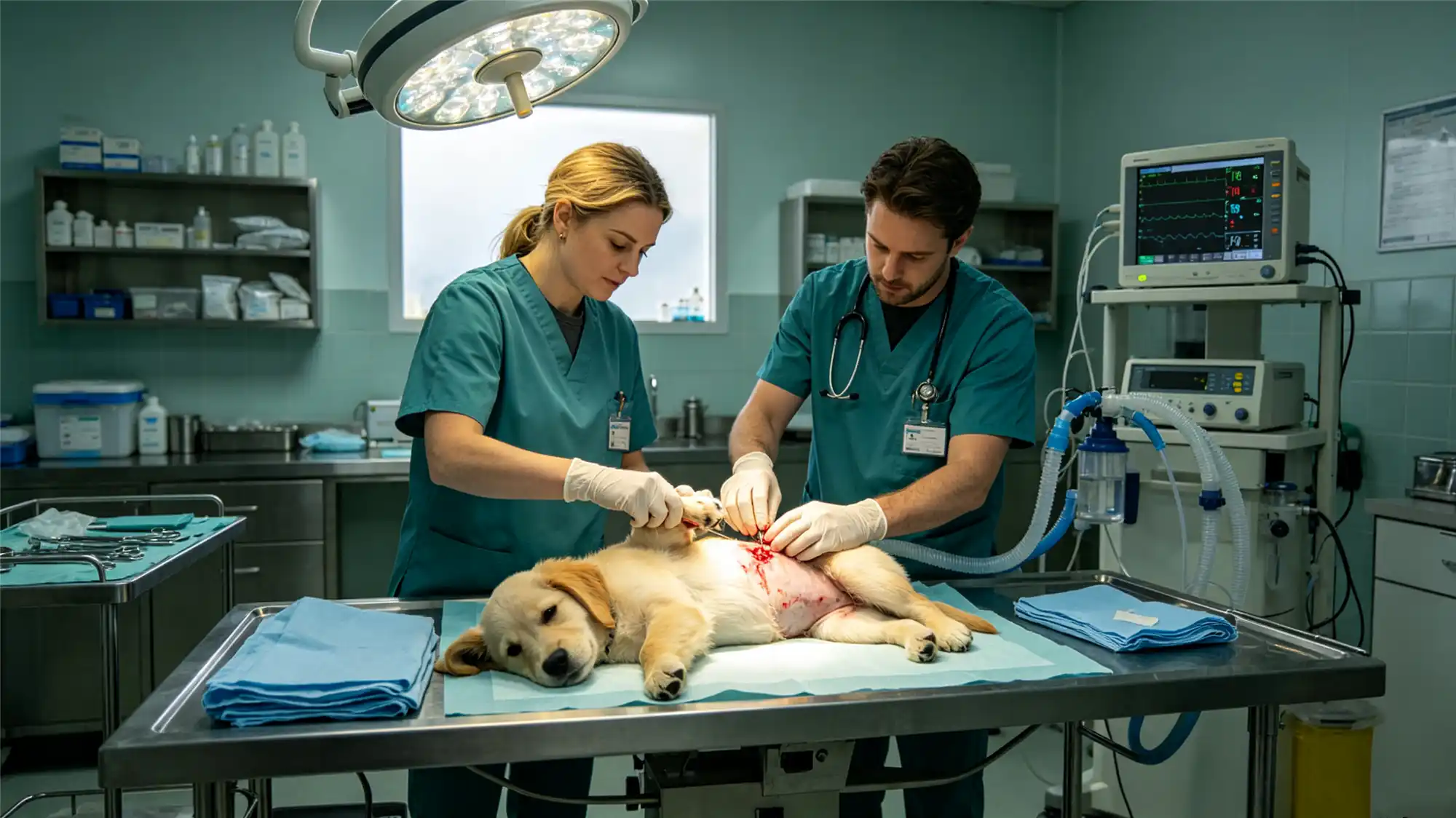
Modern veterinary surgery has evolved dramatically. Minimally invasive techniques, better anesthesia protocols, and advanced pain management mean quicker recoveries and less stress for both pets and owners. Always discuss pre-surgical bloodwork and post-operative care requirements with your veterinary team.
Post-Surgical Recovery Essentials
- Restrict activity for 10-14 days minimum
- Monitor incision sites for redness or discharge
- Administer pain medications exactly as prescribed
- Use Elizabethan collars to prevent licking
Internal Medicine: Treating Systemic Diseases
Chronic conditions like diabetes, kidney disease, and hypothyroidism require ongoing medical management. These dog diseases often demand daily medication, dietary modifications, and regular blood monitoring.
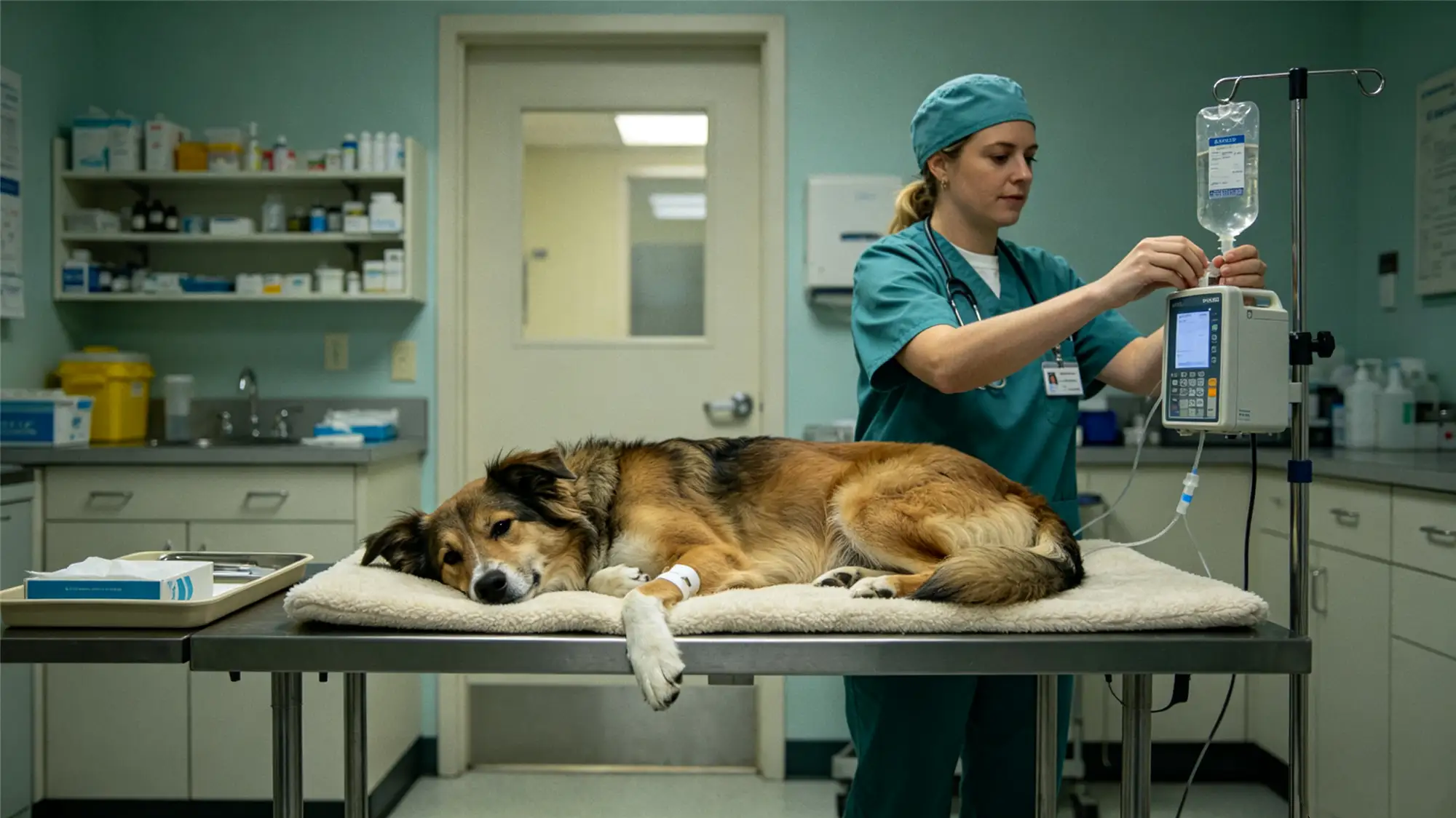
For diabetic dogs, insulin therapy combined with consistent feeding schedules helps maintain stable blood glucose. Kidney disease management focuses on phosphorus restriction, hydration therapy, and medications to control blood pressure and nausea.
Critical Care and Emergency Treatment
Some situations demand immediate emergency veterinary attention:
- Difficulty breathing or blue gums
- Seizures lasting more than 5 minutes
- Sudden collapse or inability to walk
- Ingestion of toxins (chocolate, xylitol, antifreeze)
- Bloated abdomen with unproductive vomiting
Emergency facilities equipped with oxygen therapy, blood transfusion capabilities, and 24-hour monitoring provide the best chance of survival for critically ill dogs.
The Recovery Process: Monitoring Your Dog’s Progress
After any illness or procedure, careful observation during recovery prevents setbacks. Create a quiet, comfortable space for your dog to rest, away from household traffic and other pets.
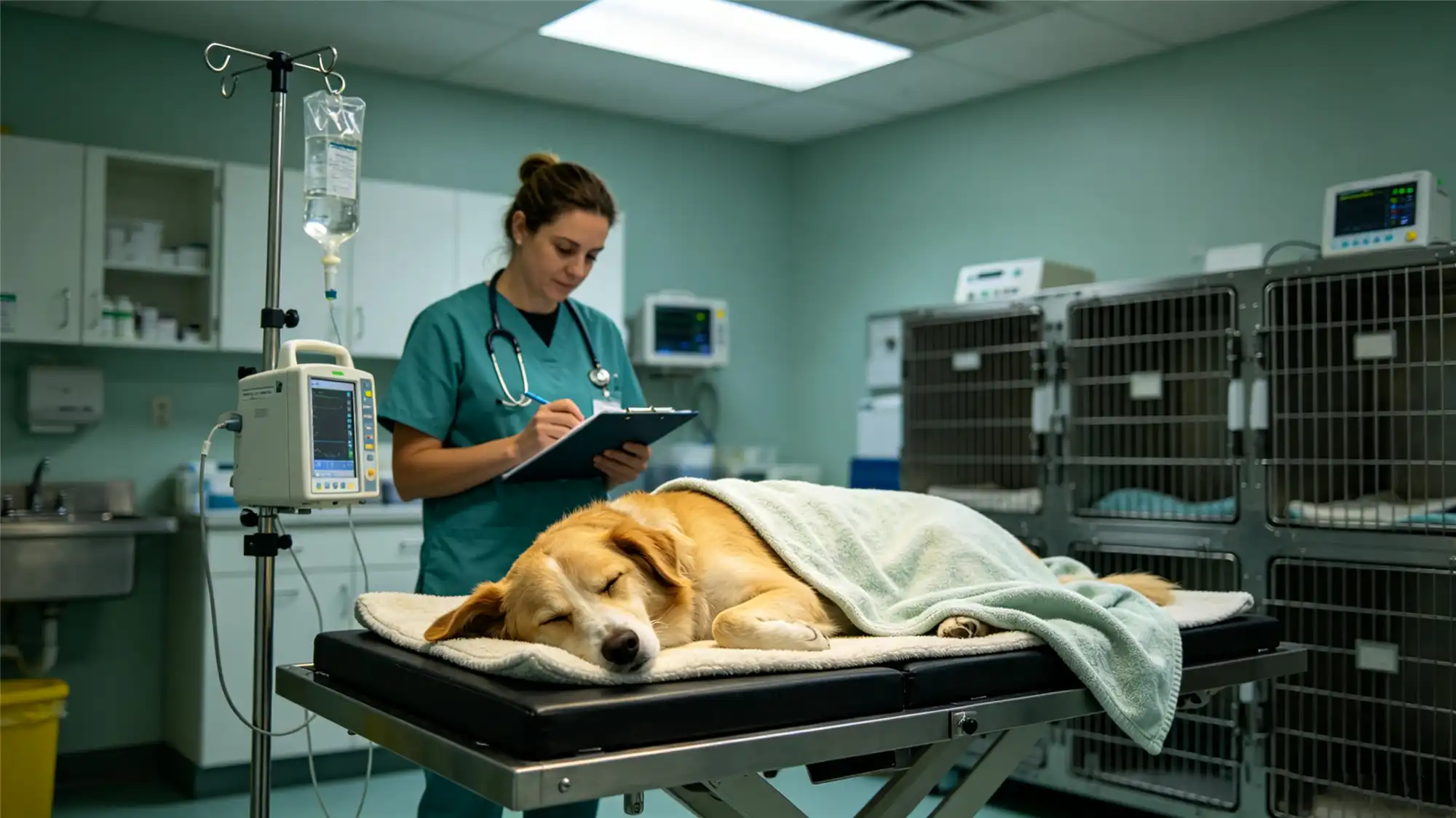
Keep a daily log of your dog’s food intake, bathroom habits, and energy levels. Gradual improvement should be visible within 48-72 hours of starting treatment. Contact your vet immediately if symptoms worsen or new issues develop.
Prevention: Your Best Defense Against Disease
Preventing disease is always more effective—and less expensive—than treating it. Implement these strategies to minimize your dog’s risk:
Vaccination Protocols
Core vaccines (rabies, distemper, parvovirus, adenovirus) protect against the most dangerous threats. Your vet may recommend additional vaccines based on lifestyle and geographic location.
Parasite Prevention
Monthly heartworm preventatives and flea/tick control products protect against vector-borne diseases like Lyme disease and heartworm infestation, which can be fatal if untreated.
Nutritional Optimization
Feed high-quality, age-appropriate diets. Senior dogs need different nutrient profiles than puppies. Avoid table scraps and maintain consistent portion control to prevent obesity.
When to Consult Your Veterinarian
Trust your instincts. You know your dog better than anyone. If something feels “off,” schedule an examination. Early diagnosis of common dog diseases typically results in:
- Less invasive treatment options
- Lower veterinary costs
- Shorter recovery times
- Better long-term prognosis
Annual wellness exams for adult dogs (biannual for seniors) catch developing issues before symptoms become severe. Bloodwork, urinalysis, and physical examinations create a health baseline for comparison as your dog ages.
Conclusion: Being Your Dog’s Health Advocate
Understanding dog diseases, observation techniques, and treatment options transforms you from a worried pet owner into a confident health advocate. While veterinary medicine continues advancing with new therapies and diagnostic tools, your daily observations remain the most powerful tool for protecting your companion.
Remember: prompt action saves lives. Don’t wait to see if symptoms improve on their own. When in doubt, call your veterinarian. Your quick response could give your dog many more years of tail wags and unconditional love.