 Free shipping on orders over $75 across the U.S., with different free shipping promotions available in parts of
 Europe,
 South America,
 Australia.For all other countries, please contact us before placing your order, and we'll be happy to fast-track a shipping solution for you.
Does Pulling on the Leash Hurt Your Dog? The Truth Every Pet Parent Needs to Know
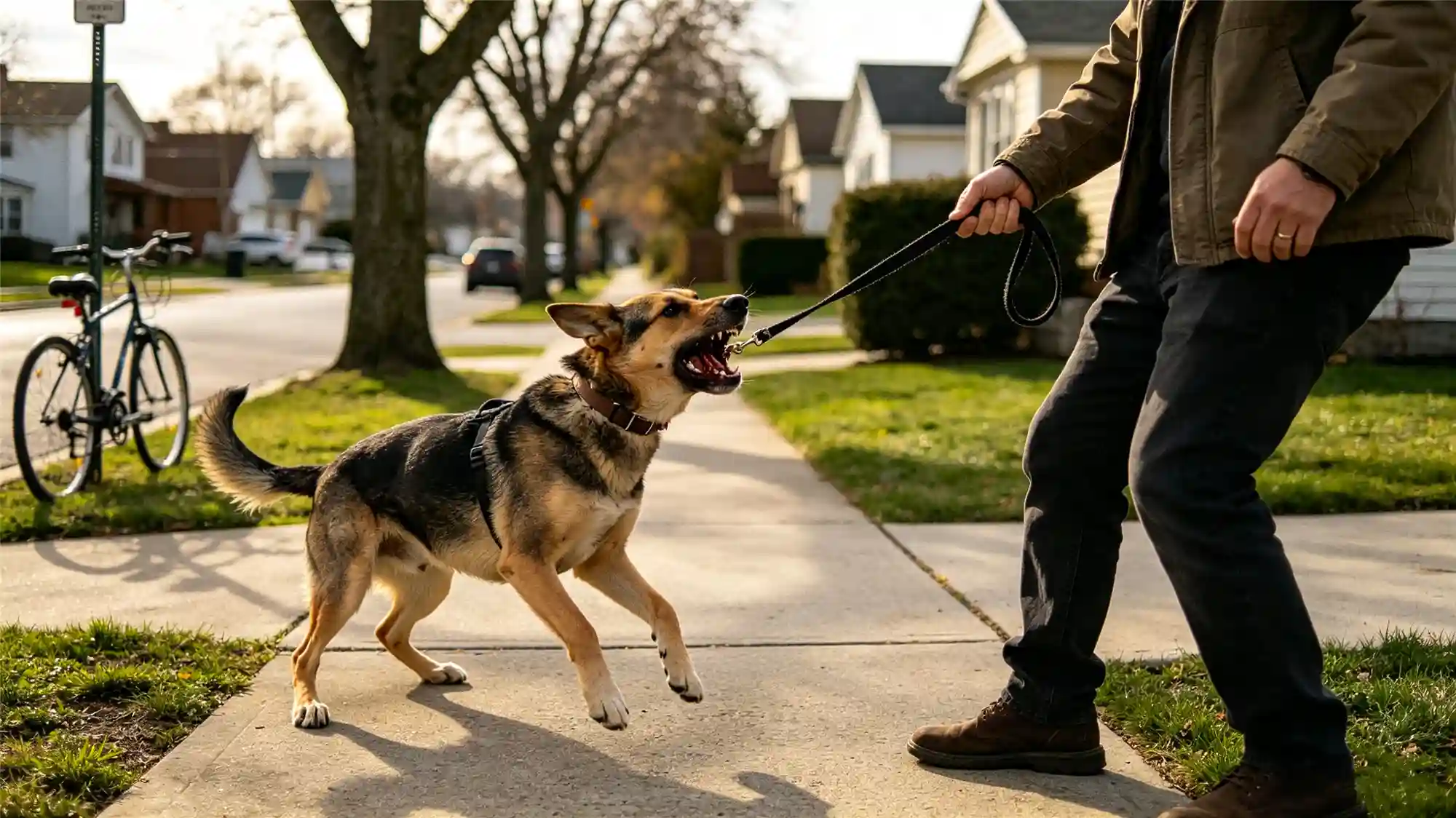
We’ve all been there: you’re trying to enjoy a peaceful morning walk, but your dog has other plans. They spot a squirrel, another dog, or simply want to move faster than your pace allows. Before you know it, you’re engaged in a tug-of-war match that leaves your shoulder sore and your dog gasping. But beyond the immediate frustration, have you ever stopped to wonder: does pulling on the leash actually hurt your dog?
The short answer is yes—consistent leash pulling can cause both physical injury and psychological stress for your furry friend. As a pet owner who has worked with hundreds of dogs over the past decade, I’ve seen firsthand how the wrong equipment and techniques can lead to long-term health issues. Let’s dive into what’s really happening when your dog pulls, and more importantly, how to fix it safely.
The Hidden Physical Dangers of Leash Pulling
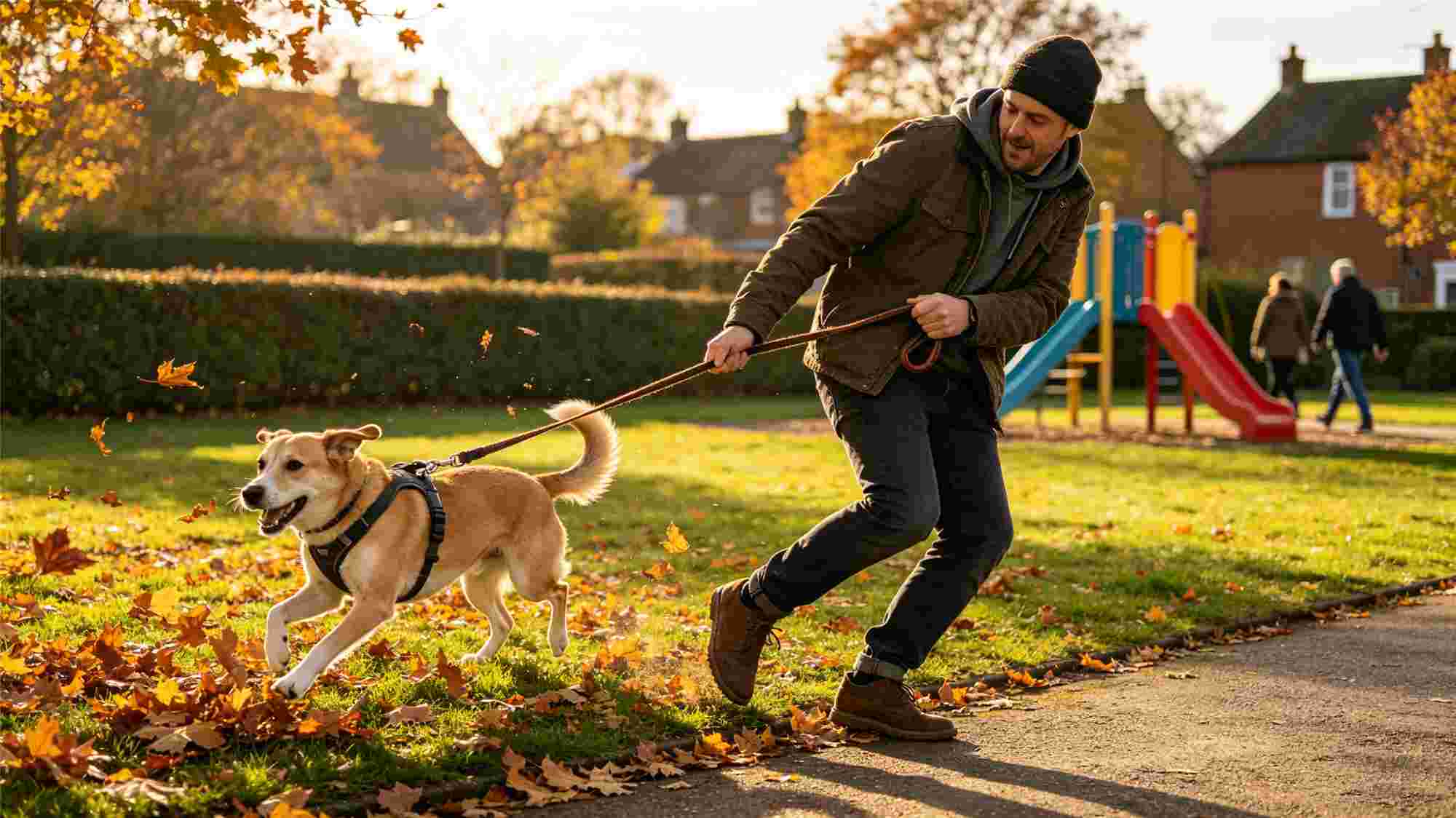
When your dog pulls against a collar or leash, the pressure concentrates on delicate areas of their body. Many owners don’t realize that repeated pulling can cause serious damage over time.
Neck and Spinal Injuries
Traditional collars put immense pressure on a dog’s trachea and cervical vertebrae. When a dog pulls forward while wearing a neck collar, they’re essentially choking themselves. This can lead to:
- Tracheal collapse (especially dangerous for small breeds like Chihuahuas and Pomeranians)
- Thyroid damage from repeated trauma to the neck area
- Spinal misalignment and nerve damage
- Increased intraocular pressure (glaucoma risk)
Studies from veterinary behaviorists have shown that dogs pulling on collars experience eye pressure spikes similar to glaucoma patients. For breeds already prone to eye issues—like Huskies, Poodles, and Terriers—this is particularly concerning.
Behavioral Consequences
Beyond the physical, leash pulling creates a cycle of frustration. When your dog pulls and you follow, they learn that pulling gets them where they want to go. This reinforcement can lead to:
- Increased reactivity toward other dogs or people
- Anxiety around leash time
- Reduced focus on the owner
- Association of walks with stress rather than enjoyment
Why Do Dogs Pull on the Leash?
Understanding the “why” is crucial before fixing the “how.” Dogs don’t pull to dominate you or be stubborn—they pull because it works.
The Opposition Reflex
Dogs have a natural opposition reflex: when pressure is applied to their neck or chest, they instinctively pull against it. This is why simply yanking back on the leash often makes the pulling worse. You’re literally triggering their biological urge to resist.
Environmental Excitement
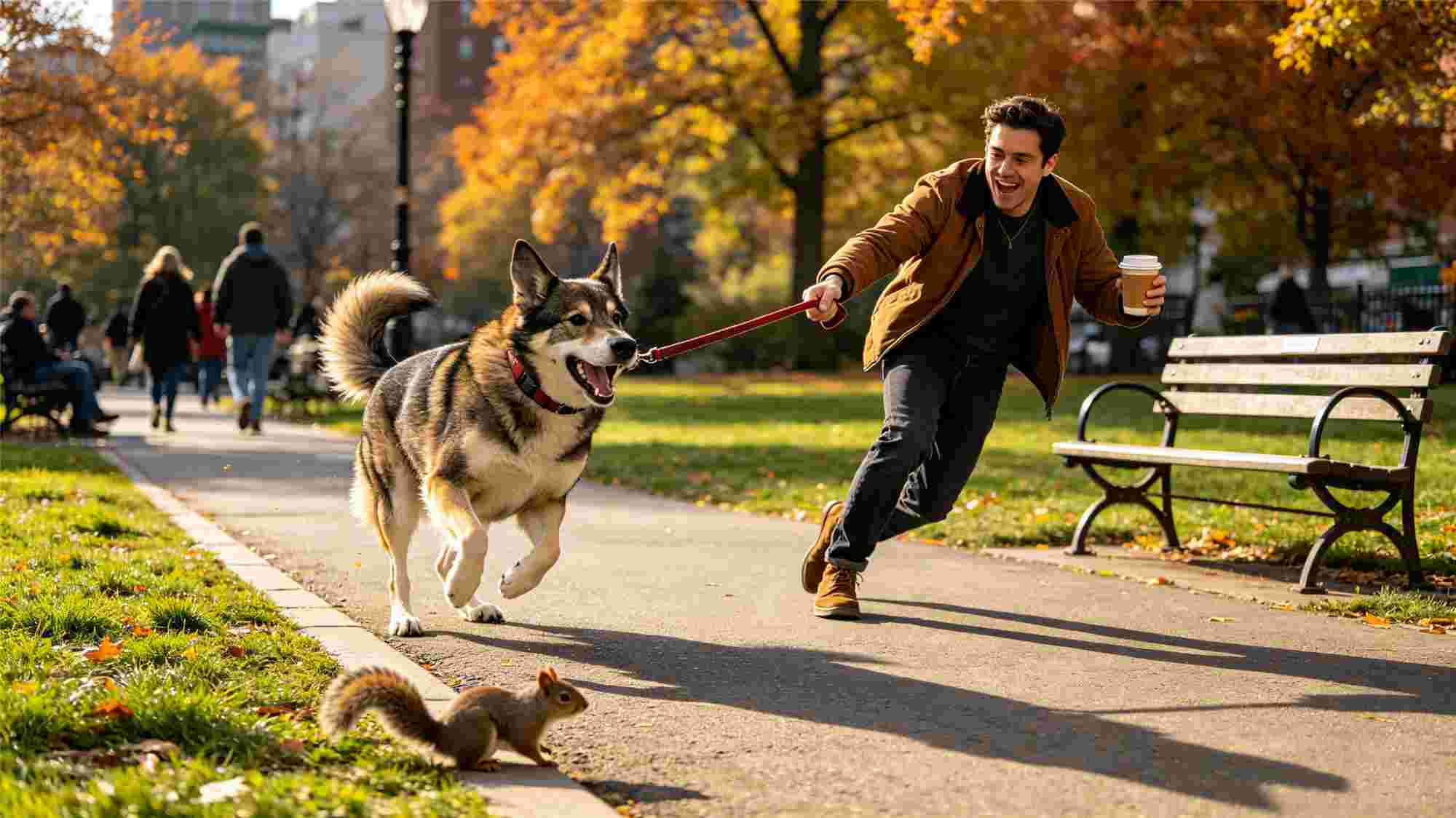
The world outside is a sensory buffet. New smells, sounds, and sights create excitement that most dogs struggle to contain. Without proper training, that excitement translates into forward momentum—pulling.
Inconsistent Training
If your dog pulls sometimes and gets to sniff that fire hydrant, they’ve learned that persistence pays off. Inconsistent rules are confusing and actually strengthen the pulling behavior.
How to Stop Leash Pulling: Humane Training Methods
The good news? You can teach your dog to walk politely without causing them pain or fear. Here are evidence-based techniques that work:
The “Be a Tree” Method
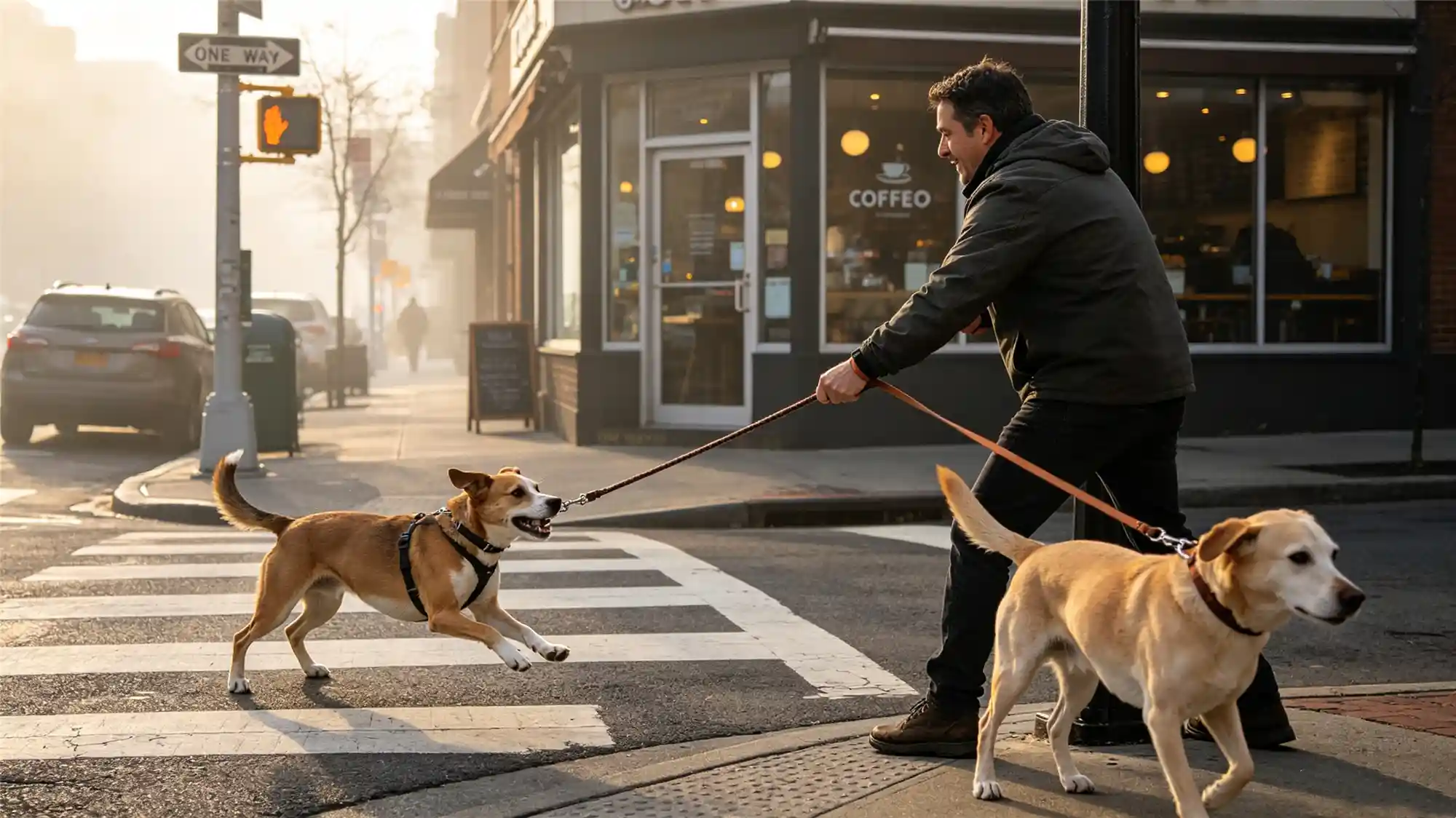
When your dog pulls, stop walking immediately. Stand still like a tree until the leash loosens. Only move forward when there’s slack in the leash. This teaches your dog that pulling stops the fun, while loose leash walking keeps the walk going.
Reward-Based Positioning
Carry high-value treats and reward your dog frequently when they walk beside you with a loose leash. Start in low-distraction environments (your backyard) before moving to busy streets.
The U-Turn Technique
When your dog pulls toward something, quickly turn and walk in the opposite direction. This interrupts their focus on the distraction and refocuses attention on you. It also teaches that pulling away from you actually moves them farther from their goal.
Choosing the Right Equipment
While training is essential, the right dog leash and harness setup can make a world of difference in preventing injury. Choosing the Right Dog Leash
Front-Clip Harnesses
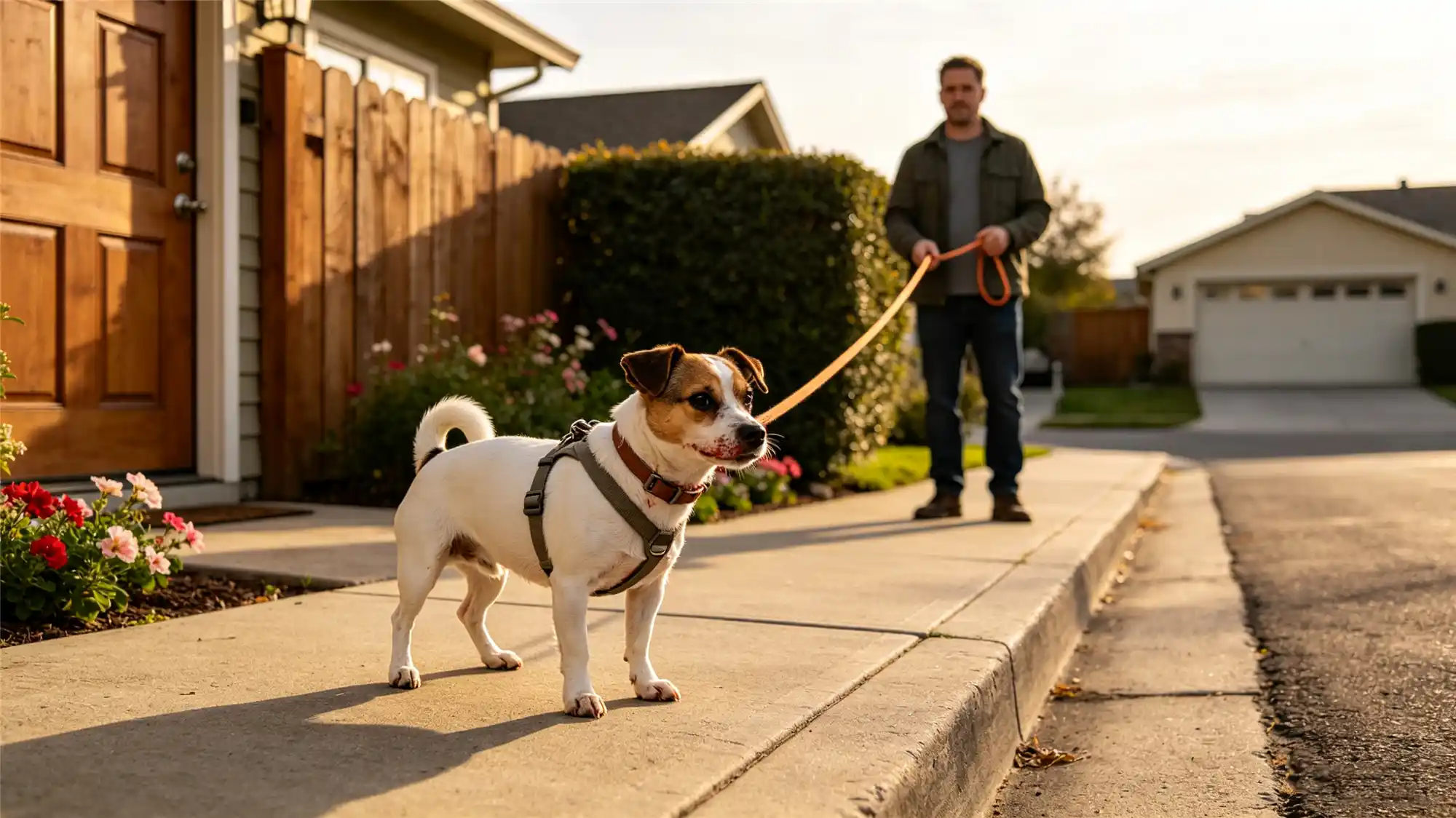
Unlike back-clip harnesses (which actually encourage pulling by allowing dogs to leverage their full chest strength), front-clip harnesses redirect your dog toward you when they pull. This eliminates the opposition reflex and reduces strain on the neck.
Head Halters
For strong pullers, head halters like the Gentle Leader can provide immediate relief. However, these require proper introduction—most dogs need time to acclimate to the sensation.
Avoid Choke and Prong Collars
These devices rely on pain to suppress behavior. Not only do they cause physical damage (skin punctures, tracheal damage), but they can increase aggression and fear. Modern behavioral science overwhelmingly recommends against aversive tools.
When to Seek Professional Help
If your dog’s pulling is accompanied by lunging, growling, or extreme anxiety, you may be dealing with leash reactivity rather than simple excitement. In these cases, consulting a certified positive-reinforcement trainer is crucial. They can create a desensitization protocol tailored to your dog’s specific triggers.
Additionally, if your dog has been pulling for years and shows signs of respiratory distress (honking cough, wheezing), schedule a veterinary checkup immediately. Early intervention for tracheal issues can prevent surgery down the line.
Final Thoughts: Walking Should Be Enjoyable
Pulling on the leash isn’t just annoying—it’s potentially harmful to your dog’s physical health and your relationship. By switching to a properly fitted front-clip harness, implementing consistent training protocols, and understanding the mechanics behind why dogs pull, you can transform your daily walks from a battle into a bonding experience.
Remember: patience is key. Most dogs take 2-4 weeks of consistent daily practice to master loose-leash walking. But the payoff—a happy, healthy dog and pain-free shoulders—is absolutely worth the effort.
Ready to upgrade your walking gear? Check out our selection of ergonomic, no-pull dog harnesses designed to keep both you and your companion comfortable on every adventure.