 Free shipping on orders over $75 across the U.S., with different free shipping promotions available in parts of
 Europe,
 South America,
 Australia.For all other countries, please contact us before placing your order, and we'll be happy to fast-track a shipping solution for you.
Cat Neutering Benefits: Is It Worth It for Your Feline Friend?
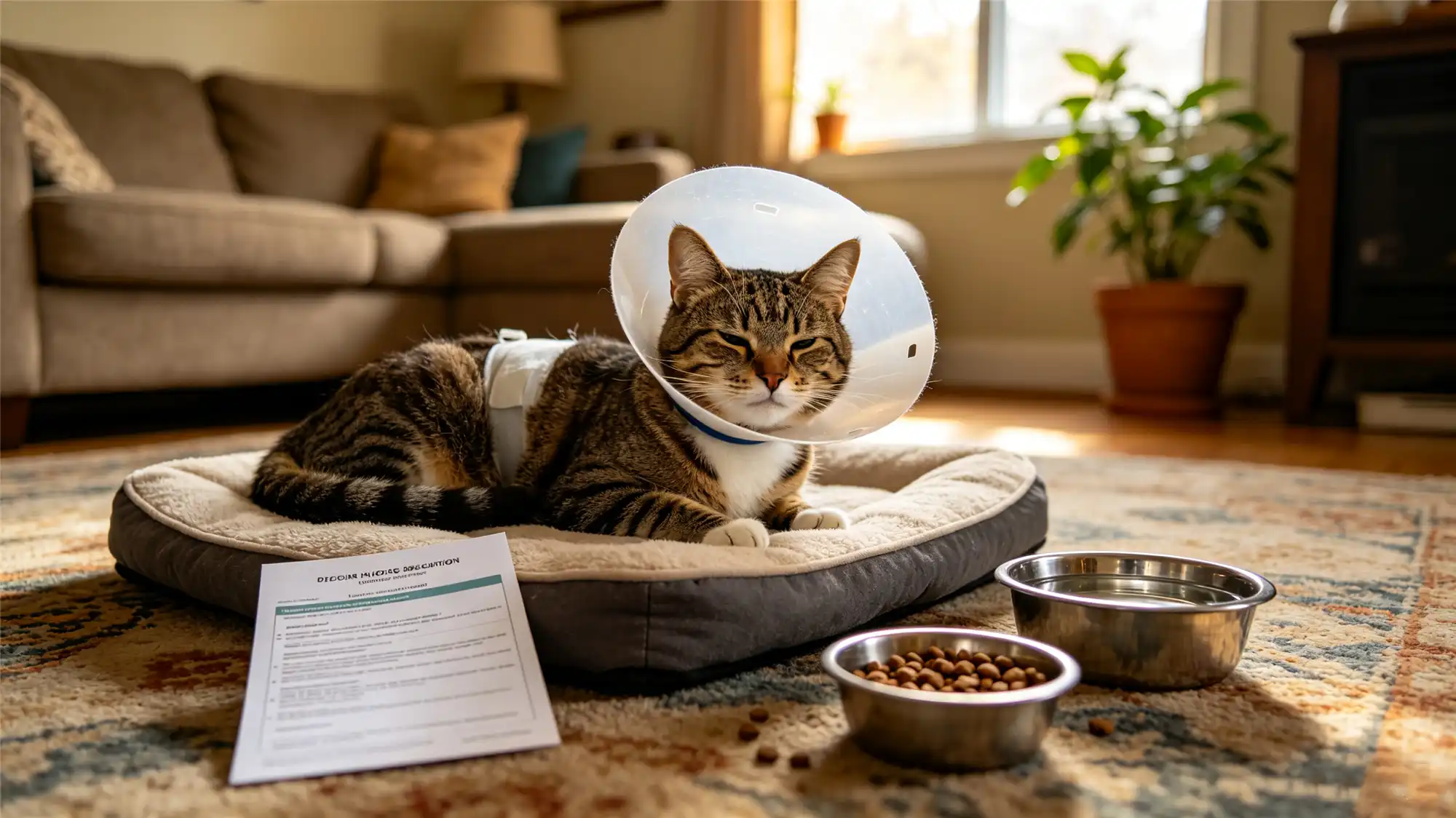
Are you tired of your male cat spraying furniture or your female cat’s constant yowling during heat cycles? You’re not alone. Millions of cat owners face these challenges daily, often unaware that a simple procedure could transform their pet’s behavior and health.
Cat neutering (or spaying for females) isn’t just about population control—it’s a medical investment in your companion’s future. In this comprehensive guide, we’ll explore exactly why you should neuter your cat, what the procedure involves, and how to ensure a smooth recovery.
What Exactly Is Cat Neutering?
Before diving into the benefits, let’s clarify the terminology:
- Neutering (Castration): The surgical removal of a male cat’s testicles
- Spaying (Ovariohysterectomy): The surgical removal of a female cat’s ovaries and uterus
Both procedures are performed under general anesthesia by licensed veterinarians. The surgery typically takes 15-30 minutes, with most cats returning home the same day.
Why Neuter Your Cat? The Evidence-Based Benefits
1. Dramatic Cancer Risk Reduction
Intact cats face significantly higher risks of reproductive cancers. Spaying eliminates ovarian and uterine cancer risks entirely, while neutering prevents testicular cancer in males.
Additionally, spaying before the first heat cycle reduces mammary cancer risk by up to 91%. Given that mammary tumors are malignant in 85% of cats, this alone justifies the procedure.
2. Elimination of Life-Threatening Infections
Female cats frequently develop pyometra—a pus-filled uterus that becomes toxic without emergency surgery. This condition kills up to 5% of unspayed cats and requires expensive emergency intervention.
3. Behavior Transformation
Hormonal drives create stressful behaviors that strain the human-animal bond:
- Spraying: 90% of neutered males stop urine marking within months
- Roaming: Intact males travel miles seeking mates, risking traffic accidents and fights
- Aggression: Neutering reduces inter-cat aggression by 50-60%
- Vocalization: Spaying eliminates heat-cycle yowling that disturbs household peace
4. Longer Lifespan
Studies consistently show neutered cats live 3-5 years longer than intact counterparts. Reduced roaming means fewer traumatic injuries, while lower disease risk decreases mortality.
Timing Matters: When to Neuter Your Cat
Veterinary consensus has shifted toward early-age neutering:
- Ideal age: 4-6 months (before sexual maturity)
- Minimum weight: 2 pounds (0.9 kg)
- Pre-puberty benefits: Faster recovery, reduced surgical bleeding, and guaranteed prevention of first heat cycles
However, adult cats can be safely neutered at any age. Senior cats may require pre-anesthetic bloodwork to ensure kidney and liver function supports anesthesia.
What to Expect: The Complete Surgical Journey
Pre-Surgery Preparation
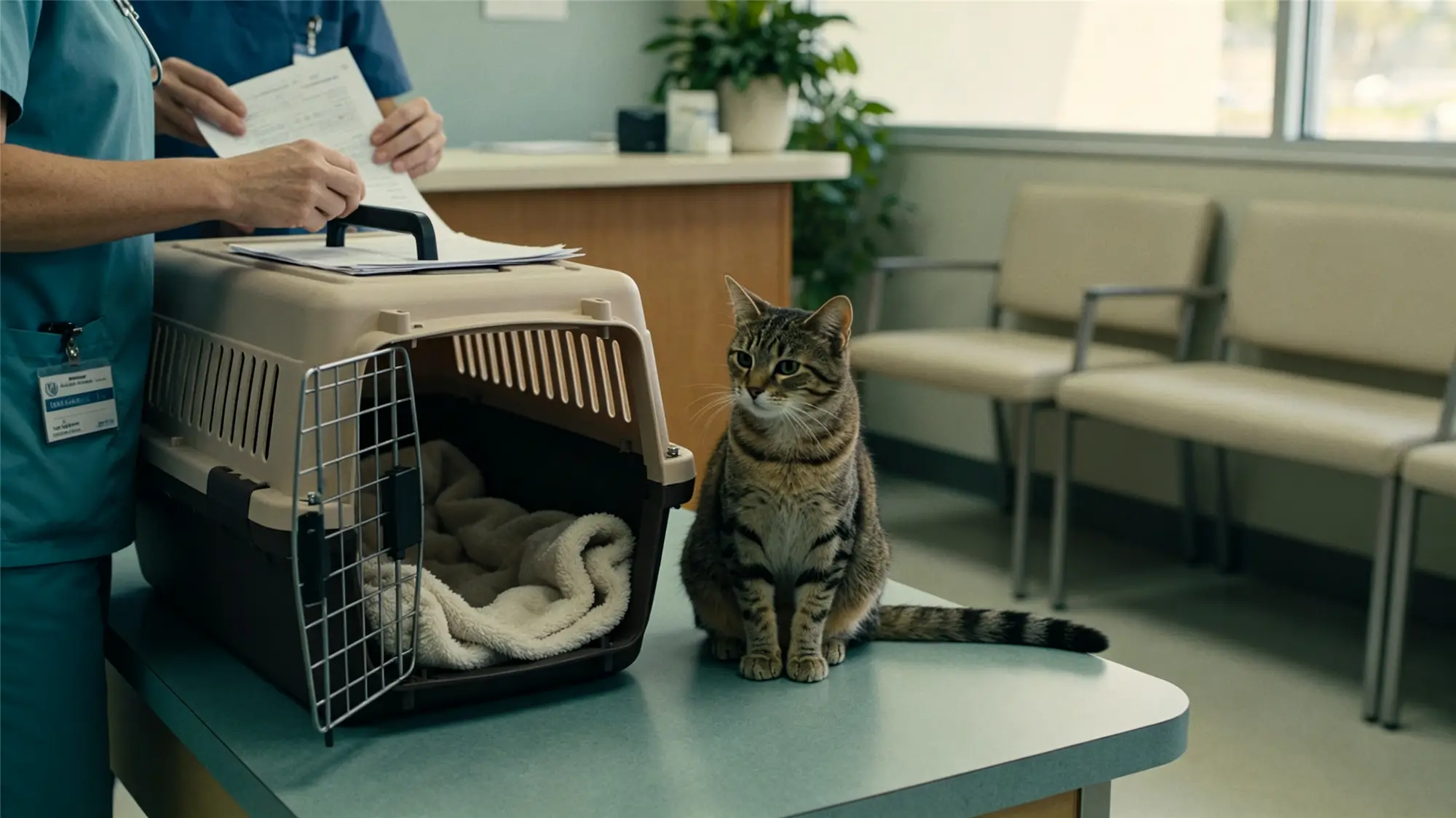
Your veterinarian will recommend withholding food for 8-12 hours before surgery to prevent aspiration during anesthesia. Prepare a quiet recovery room with:
- Low-sided litter box (easy entry during recovery)
- Soft bedding away from household traffic
- Elizabethan collar (cone) to prevent licking
The Procedure
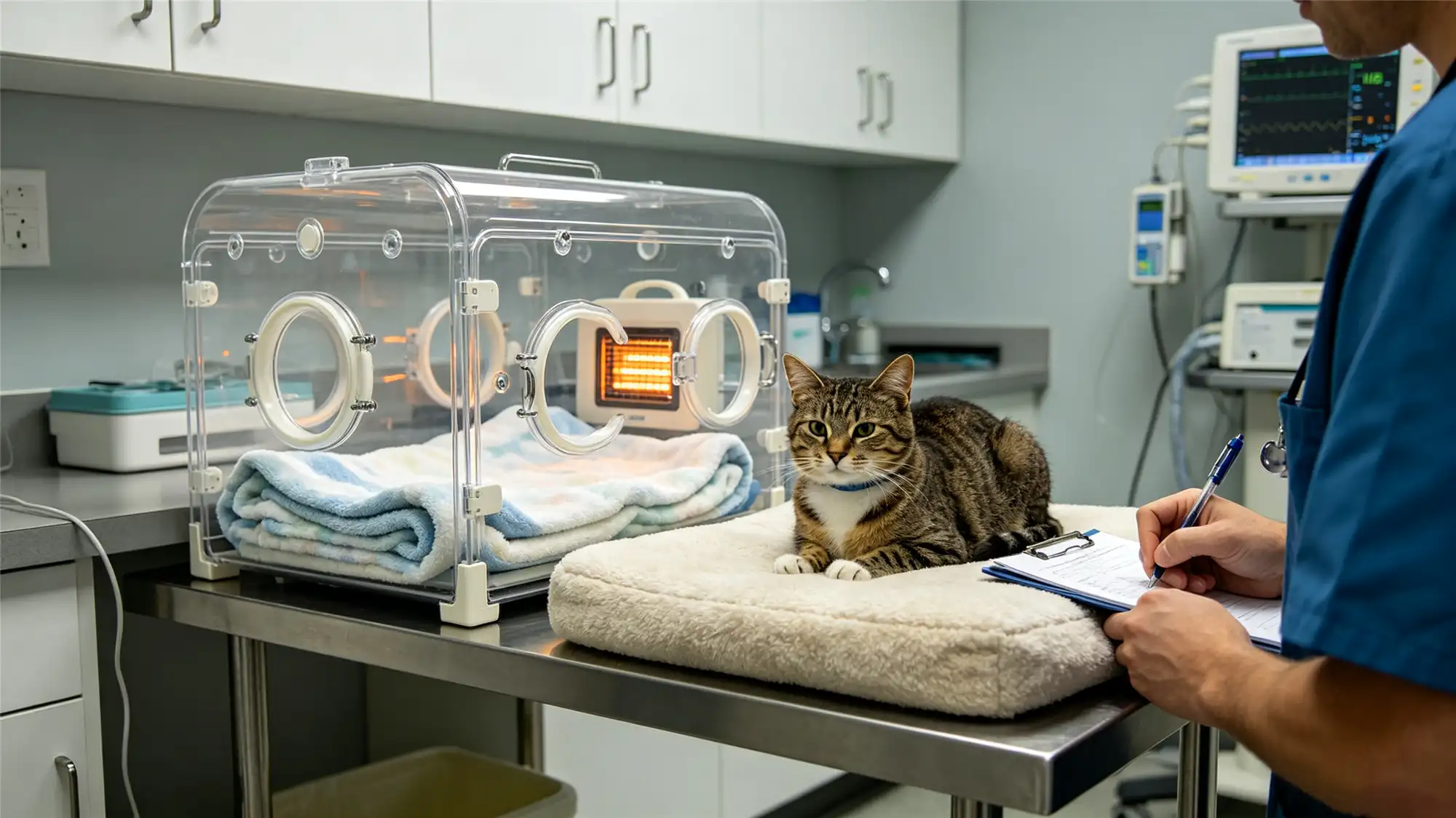
Modern veterinary practices prioritize pain management and safety:
- Pre-anesthetic blood screening
- IV catheter placement for emergency access
- Gas anesthesia with continuous monitoring
- Injectable pain medication lasting 24 hours
- Dissolvable sutures (no removal needed)
Post-Surgery Recovery
The first 48 hours require close monitoring. Most cats experience:
- Sleepiness from anesthesia (normal for 12-24 hours)
- Decreased appetite (offer small, bland meals)
- Minor swelling at incision site Cat pee pad
Critical recovery rules:
- Prevent jumping and running for 10-14 days
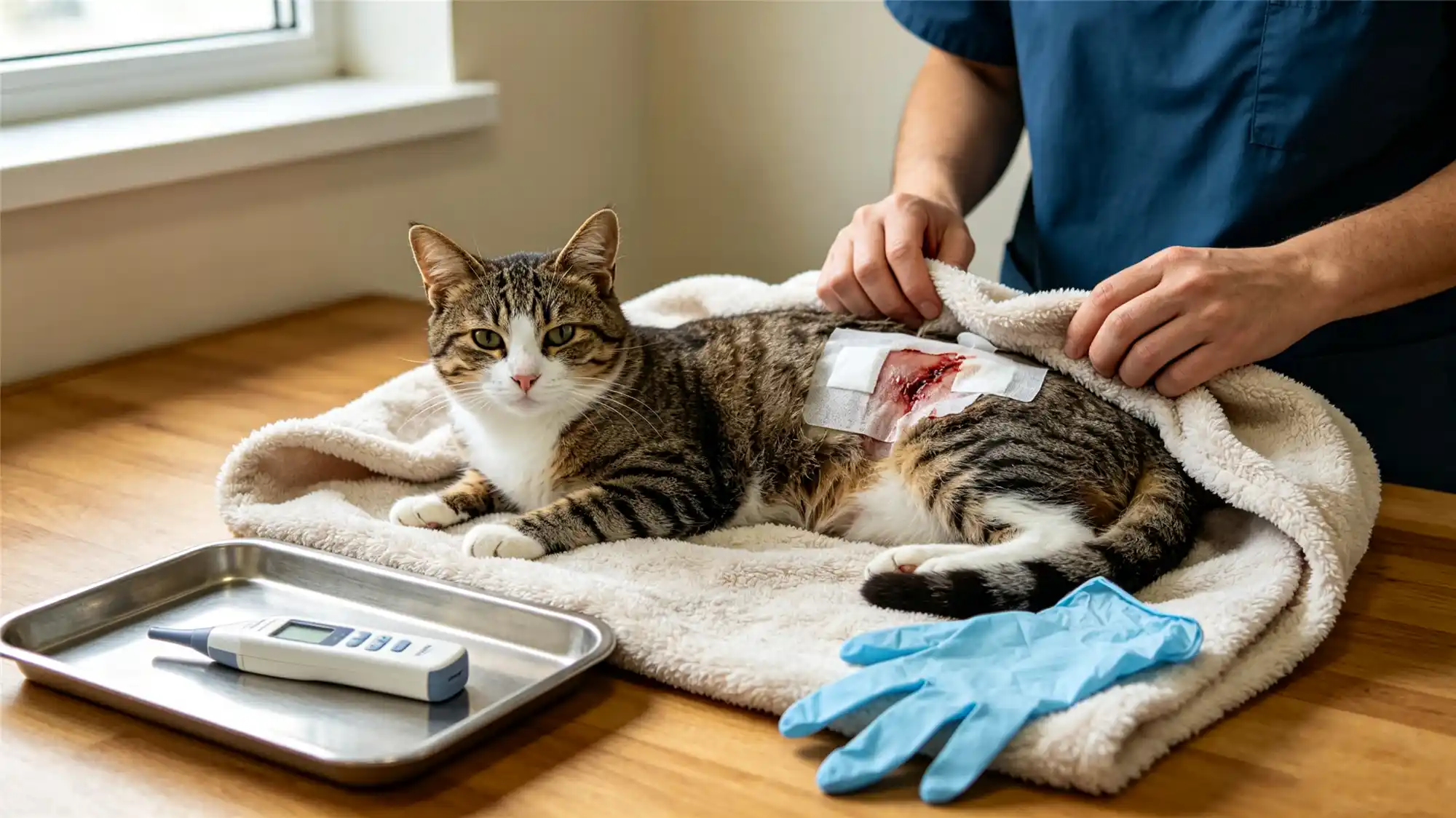
- Check incision twice daily for redness or discharge
- Use the Elizabethan collar consistently—licking causes 80% of post-op complications
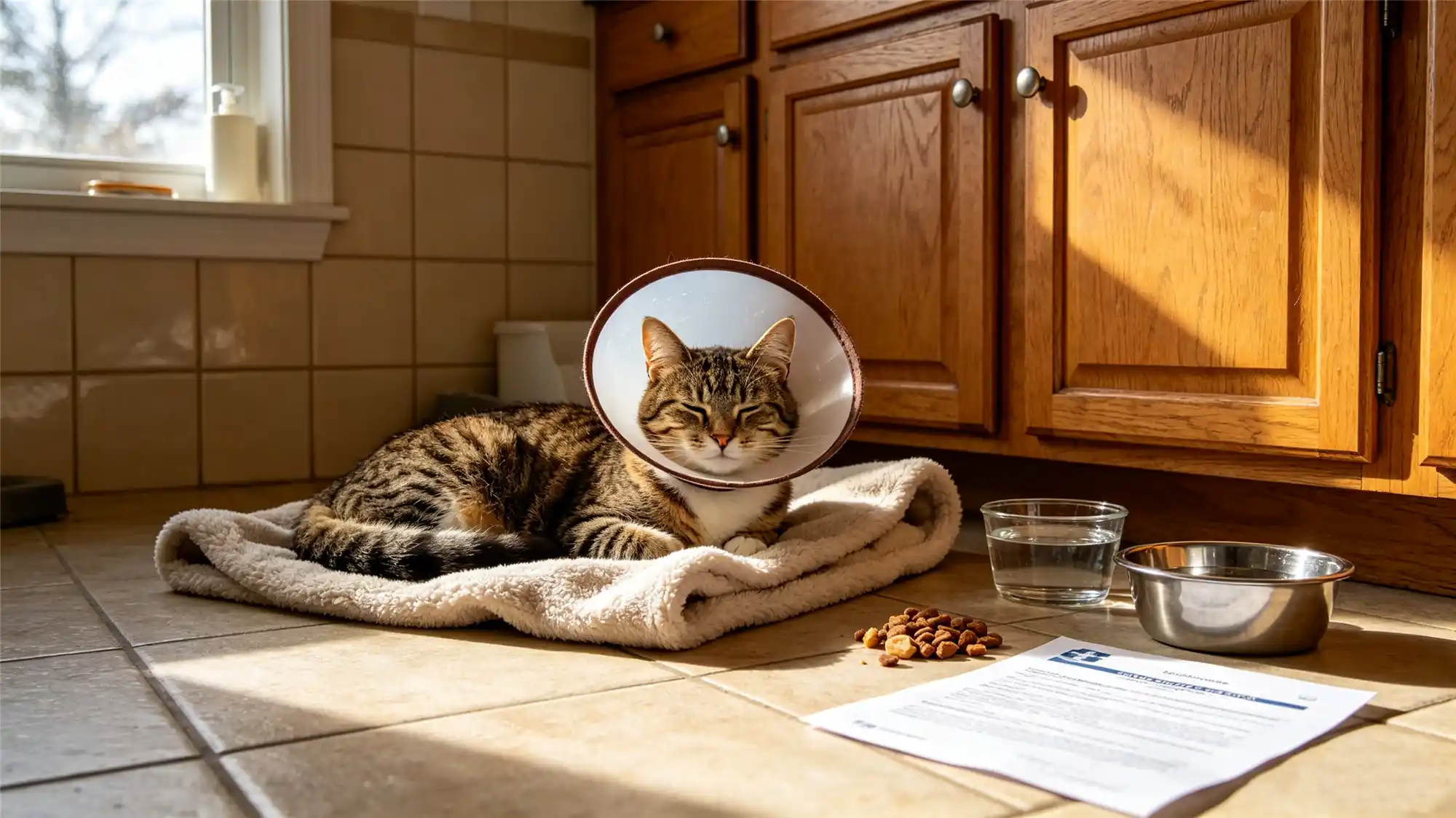
Inspect the surgical site daily. Contact your vet immediately if you notice:
- Excessive swelling or bleeding
- Foul odor from incision
- Lethargy lasting beyond 48 hours
- Refusal to eat for 24+ hours
Cost vs. Value: Is It Worth the Investment?
While neutering costs $50-$300 depending on location and gender (spaying typically costs more due to abdominal surgery), this pales compared to:
- Emergency pyometra surgery: $1,000-$3,000
- Cancer treatment: $2,000-$10,000+
- Raising a litter of kittens: $500-$1,000 in vaccines and food
Many communities offer low-cost clinics or voucher programs. The ASPCA and Humane Society provide searchable databases for affordable options.
Addressing Common Concerns
Will My Cat Become Overweight?
Neutering reduces metabolic rate by approximately 25%, but weight gain results from overfeeding, not the surgery itself. Transition to adult cat food post-surgery and measure portions carefully.
Does It Change Their Personality?
Neutering reduces hormone-driven behaviors (aggression, roaming) but preserves your cat’s core personality. Playfulness, affection, and intelligence remain unchanged.
Is the Surgery Safe?
With modern anesthetic protocols, mortality rates are less than 0.1% for healthy cats—far safer than the risks of remaining intact.
Final Thoughts: A Responsible Choice
Cat neutering represents one of veterinary medicine’s highest-impact preventive measures. By eliminating cancer risks, preventing infectious diseases, and fostering calmer behavior, you’re giving your feline companion the foundation for a longer, healthier life.
Schedule a consultation with your veterinarian to discuss timing and pre-surgical requirements. Your cat may not thank you verbally, but their extended lifespan and improved quality of life will speak volumes.