 Free shipping on orders over $75 across the U.S., with different free shipping promotions available in parts of
 Europe,
 South America,
 Australia.For all other countries, please contact us before placing your order, and we'll be happy to fast-track a shipping solution for you.
Fearful Dog Walking Training Guide: From Scared to Willing to Go Outside
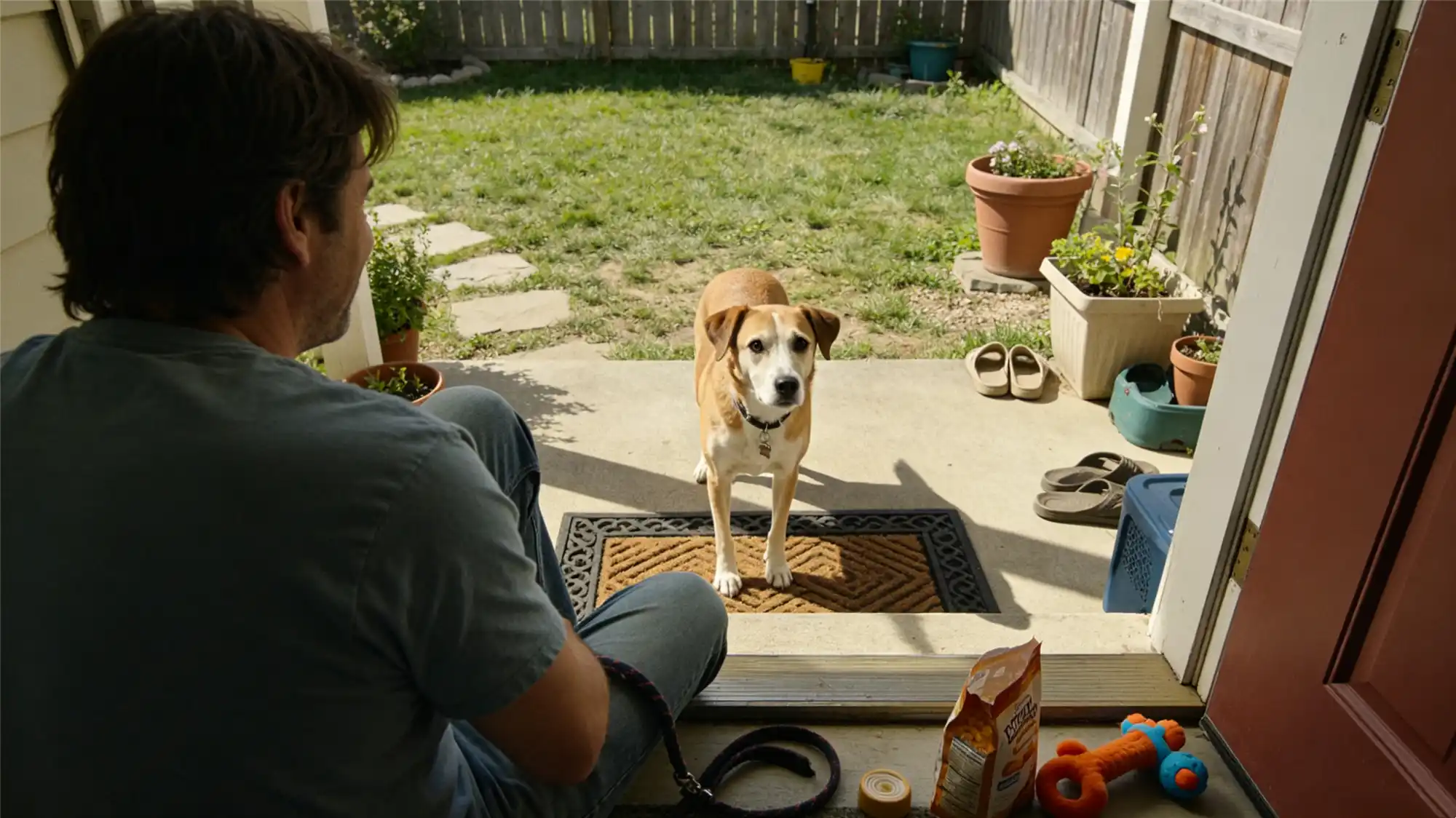
Watching other people’s dogs happily pulling their owners toward the door while your own furry companion hides in the corner, trembling, at the mere sound of a leash — that feeling is something many pet parents know all too well.
A dog that’s afraid to go outside isn’t showing a “character flaw,” nor is it deliberately defying you. It simply needs more patience and the right approach from you. The core logic of all animal behavior training is the same: don’t force it. Instead, build a positive emotional connection so that it takes that first step on its own.
Part 1: First, Figure Out — Why Is It Afraid to Go Outside?
Before you solve the problem, find the root cause. Dogs are typically afraid to go outside for several key reasons:
1. Insufficient Socialization
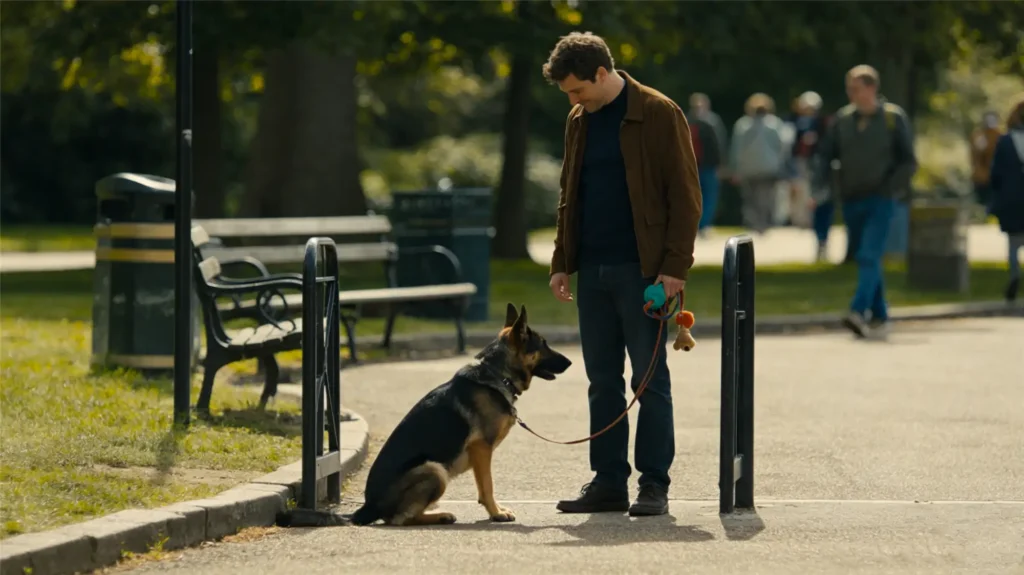
The period between 3 and 20 weeks of age is the golden window for puppy socialization. If a dog hasn’t been exposed to enough people, environments, and sounds during this time, it will naturally feel frightened when facing new things as an adult. Think of it like someone who’s never left their village suddenly being dropped into a bustling metropolis — of course they’d be overwhelmed.
2. Past Negative Experiences
Traumatic events — being startled by a loud noise, attacked by another dog, or frightened by a sudden stimulus outdoors — can create lasting fear memories. For a dog, “going outside” becomes emotionally linked to that one bad experience.
3. Naturally Sensitive Temperament
Some breeds are genetically predisposed to be more cautious and sensitive. This isn’t a flaw; it’s simply part of their personality. Recognizing this helps you set realistic expectations.
4. Owner’s Emotional Influence
Dogs are emotional barometers. They can sense your tension, anxiety, and frustration. If you’re nervous about taking them out, they’ll pick up on that energy and become more fearful themselves. To help your dog be brave, you first need to stay calm and grounded.
Part 2: The Core Method — Desensitization + Counter-Conditioning
These two terms sound technical, but in practice, they’re quite straightforward to apply.
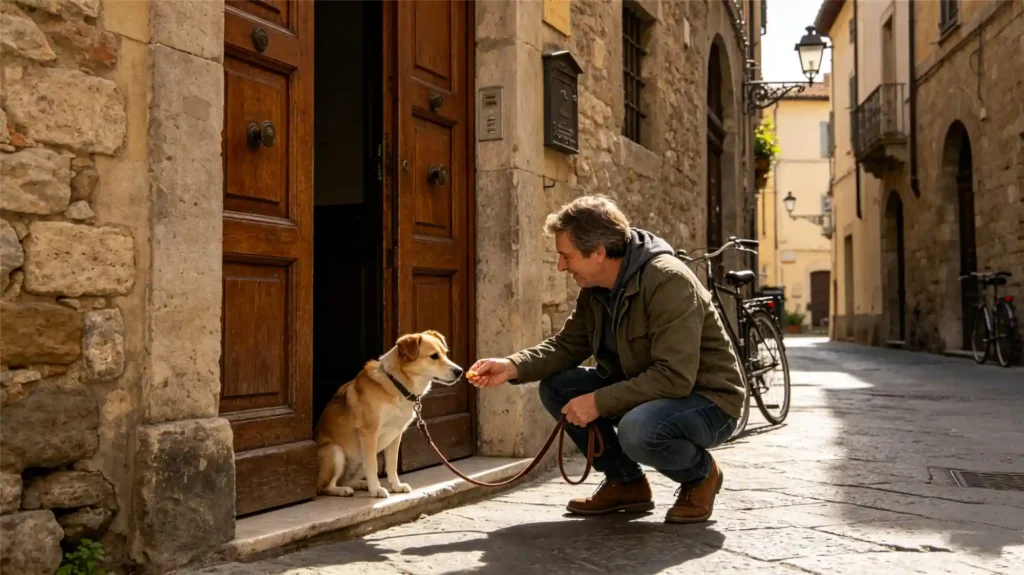
Desensitization: Break down the thing your dog fears into tiny, manageable steps and introduce them gradually. Instead of forcing a full walk, start with just putting on the leash indoors, then progress to opening the front door, then stepping onto the porch, and so on.
Counter-Conditioning: Change your dog’s emotional response to the trigger. Instead of associating the outdoors with fear, you want to associate it with high-value rewards — think pieces of boiled chicken, cheese, or their absolute favorite treats.
When these two methods work together, fear gradually transforms into anticipation.
Part 3: Step-by-Step Training Plan
Step 1: Rebuild the Positive Association with the Leash and Collar
Many fearful dogs already feel anxious the moment they see the leash.
- Action: Pick up the leash without putting it on your dog. If it stays calm, immediately give a treat and praise.
- Next: Gently clip the leash onto the collar, then unclip it right away. Treat and praise.
- Next: Clip the leash on and let your dog walk around the house with it dragging behind. Treat intermittently.
- Goal: Your dog should start to see the leash as a signal that good things are coming, not a warning of something scary.
Duration: Repeat these steps for 3–5 days until your dog appears relaxed and even excited when the leash comes out.
Step 2: Open the Door — But Don’t Cross the Threshold
The front door itself can be a psychological barrier.
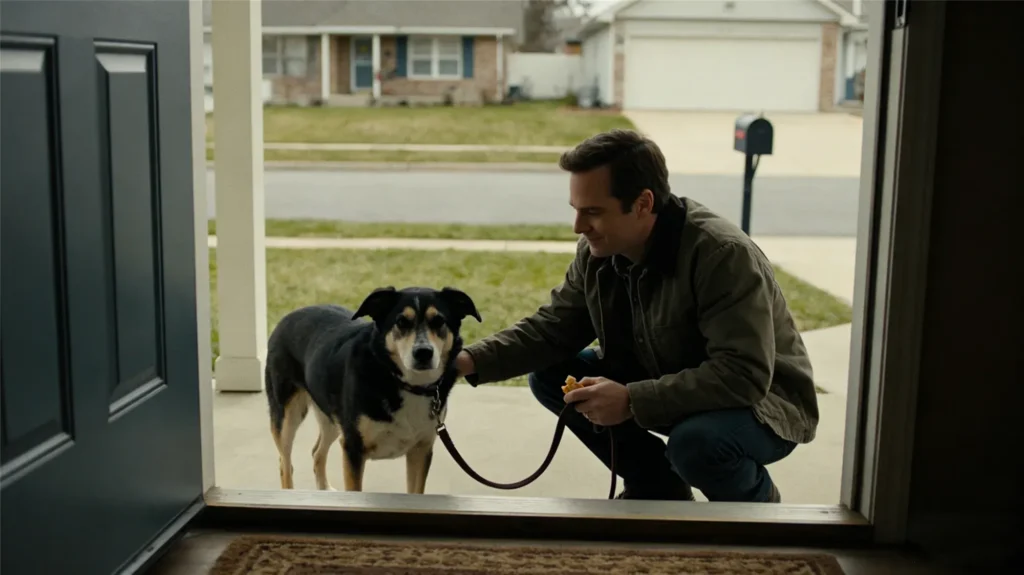
- Action: Put the leash on, open the front door, and simply sit or stand there with your dog. Don’t force it to go out.
- If your dog voluntarily looks outside or takes a step toward the door, mark that behavior with a treat and enthusiastic praise.
- If your dog pulls back or shows stress signals (tucked tail, flattened ears, lip licking), close the door and try again later.
Duration: Practice this for 2–3 days. Let your dog set the pace.
Step 3: One Step Out, Two Steps Back
This is where the “inch-by-inch” approach really kicks in.
- Day 1: Put the leash on, open the door, and place one paw on the doorstep. Return inside immediately. Treat heavily.
- Day 2: Take one full step outside. Stand still for 3 seconds, then go back inside. Treat like it just won the lottery.
- Day 3: Take two steps outside, wait 5 seconds, then return.
- Gradually increase both the distance and the time spent outside, but always end the session on a positive note before your dog shows signs of stress.
Key principle: It’s always better to go too slow than too fast. If your dog panics, you’ve taken a step backward in its trust.
Step 4: Find the “Safe Zone” — Quiet Routes and Times
Don’t start with busy streets, traffic noise, or crowded parks.
- Choose a quiet route: A residential side street, an empty parking lot, or a path through a secluded park.
- Choose the right time: Early morning or late evening, when there are fewer pedestrians, fewer dogs, and less noise.
- Stay close to home at first: Don’t force a long walk. Even 2–3 minutes of calm outdoor time is a victory.
If your dog freezes and refuses to move, don’t drag it. Instead, turn around and go back home, then try again later. Forcing forward movement only deepens the fear.
Step 5: Use High-Value Rewards to Build a “Outdoor = Treasure” Mindset
Ordinary kibble won’t cut it for a truly fearful dog. You need jackpot-level treats:
- Small pieces of boiled chicken breast
- Tiny cubes of cheese
- Commercial freeze-dried liver treats
- Hot dog slices (use sparingly)
- Action: Once you’re outside, scatter a few treats on the ground right in front of your dog. Let it discover them by sniffing — sniffing itself is a calming, grounding behavior for dogs.
- Reward every step forward, every glance at something new, and every moment of relaxed body language.
Step 6: Short Sessions, High Frequency
Five minutes of positive outdoor exposure, repeated 3–4 times a day, is vastly more effective than one stressful 30-minute walk.
- Keep each session short enough that your dog never reaches its fear threshold.
- Stop while it’s still doing well — before it starts pulling back or shaking.
- Always return home before your dog asks to leave.
Part 4: What Not to Do — Common Mistakes
Forcing or Dragging
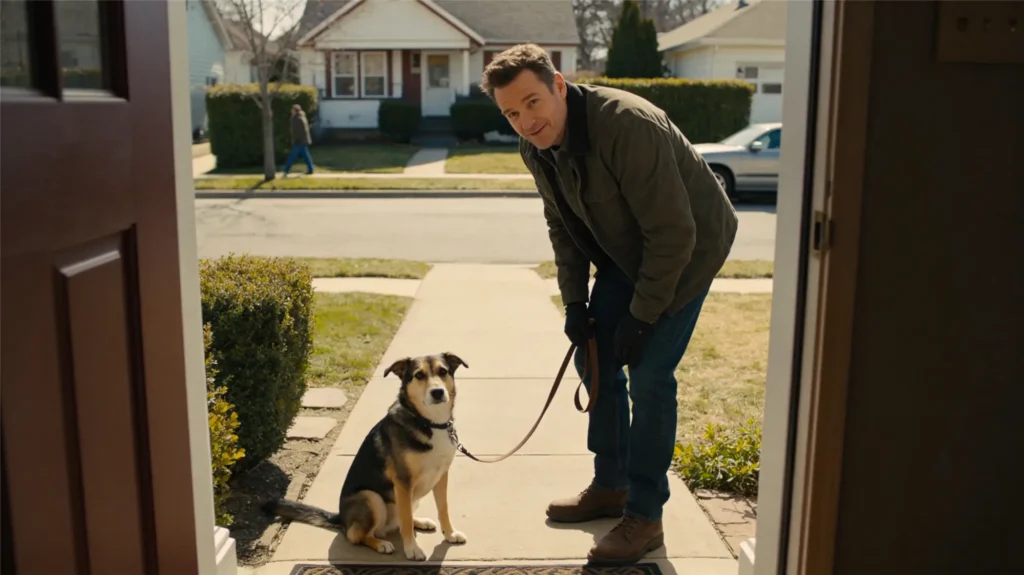
Physically pulling a fearful dog forward destroys trust. It also triggers a “fight or flight” stress response that reinforces the fear.
Flooding
“Flooding” means forcing the dog to stay in a scary situation until it gives up resisting. This is not the same as overcoming fear; it’s learned helplessness, and it can cause long-term psychological damage.
Punishing Fear
Scolding or correcting a dog for being scared only adds more fear on top of fear. Your dog doesn’t understand “stop being afraid” — it just learns that you’re unpredictable and unsafe in those moments.
Rushing the Process
Every dog is different. Some may take a few weeks to feel comfortable outside; others may take months. Comparing your dog to others is a recipe for frustration. Progress is not linear — there will be good days and setbacks. That’s normal.
Part 5: Additional Tools That Can Help
Pheromone Sprays or Diffusers
Products like Adaptil (dog appeasing pheromone) mimic the calming scents of a mother dog. Spraying it on a bandana or collar before walks can reduce anxiety.
Calming Wraps or Thundershirts
These snug-fitting garments apply gentle, constant pressure, similar to swaddling a baby, which has a proven calming effect on many anxious dogs.
High-Value Lick Mats
Before heading out, give your dog a lick mat with peanut butter (xylitol-free) or yogurt. The licking motion releases endorphins and lowers stress levels.
Part 6: When to Seek Professional Help
If you’ve been consistently following these steps for 4–6 weeks with little to no improvement, or if your dog shows extreme reactions such as:
- Aggressive growling or snapping when approached with the leash
- Self-injurious behavior (biting paws, frantic scratching)
- Refusing to eat any treats outside, even the highest-value ones
…then it’s time to consult a certified animal behaviorist or a veterinarian. In some cases, anti-anxiety medication prescribed by a vet can be a helpful bridge to make training possible, not a failure on your part.
Final Thoughts: Small Steps Lead to Big Breakthroughs
Helping a fearful dog learn to enjoy the outdoors isn’t about “fixing” something broken. It’s about earning trust, one small step at a time.
You may not see a dramatic transformation overnight. But one day — maybe a week from now, maybe a month — you’ll notice your dog actually pulls gently toward the door, instead of hiding. You’ll see that first wagging tail outside. You’ll witness that moment of genuine curiosity.
And that moment will make all the patience worthwhile.