 Free shipping on orders over $75 across the U.S., with different free shipping promotions available in parts of
 Europe,
 South America,
 Australia.For all other countries, please contact us before placing your order, and we'll be happy to fast-track a shipping solution for you.
Do Cats and Dogs Really Need Their Nails Trimmed? A Vet-Approved Guide to Safe Pet Grooming
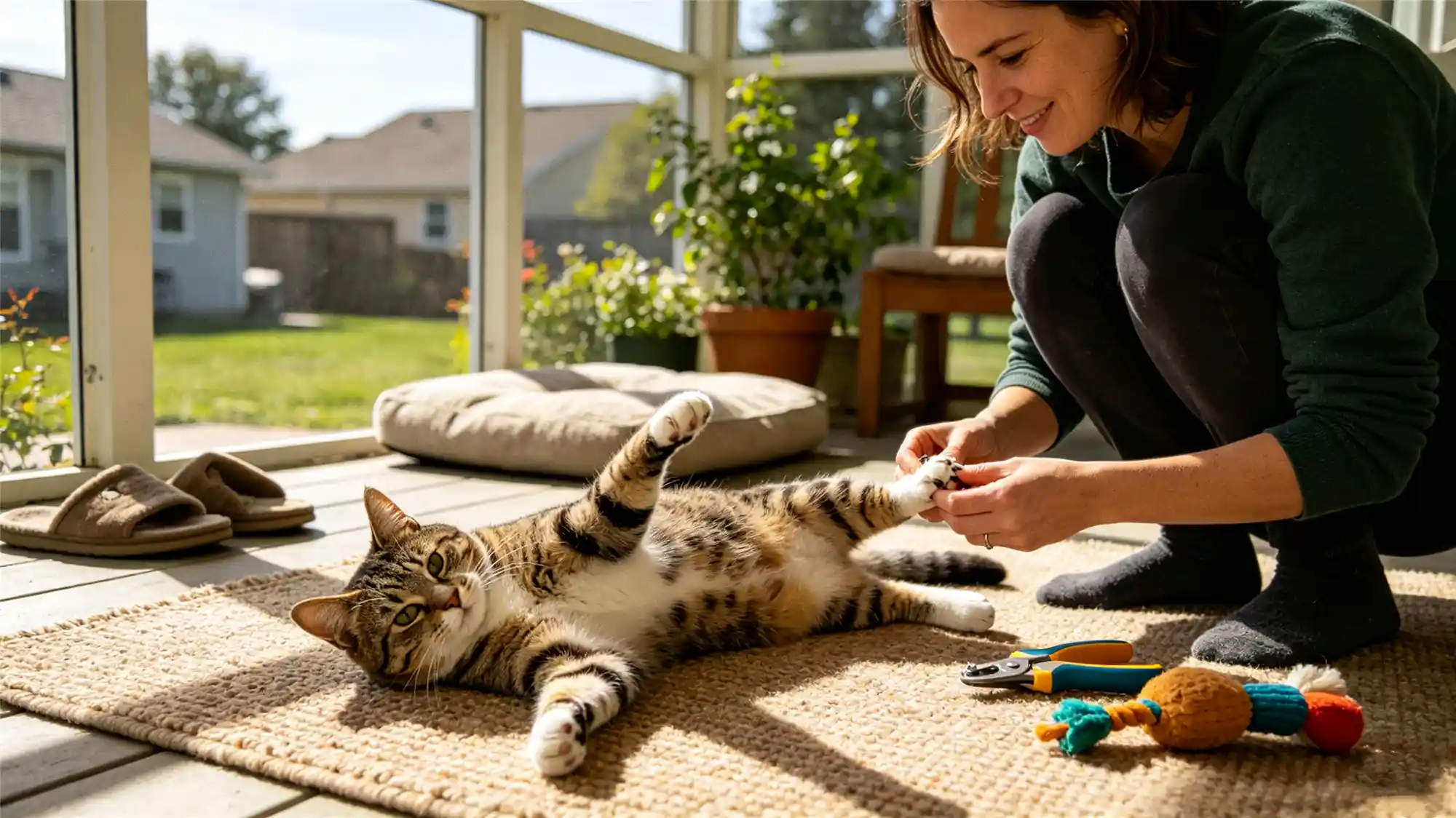
If you’ve ever wondered whether those cat nail trimming sessions or dog nail clipping routines are truly necessary, you’re not alone. Many pet owners question whether indoor cats and regularly walked dogs actually need their nails trimmed.
The short answer? Yes, absolutely. Both cats and dogs require regular nail maintenance to prevent painful health issues, protect your home, and ensure your pet’s mobility. Ignoring those clicking sounds on hardwood floors or scratching furniture isn’t just about aesthetics—it’s about your pet’s wellbeing.
Why Nail Trimming Is Essential for Your Pet’s Health
Untrimmed nails aren’t just an inconvenience. Overgrown nails can curve into the paw pads, causing infections, severe pain, and permanent damage to the foot structure. For senior pets, long nails alter their gait, leading to arthritis and joint problems.
Here are the key risks of skipping nail care:
- Ingrown nails that pierce paw pads and cause bacterial infections
- Joint pain from altered walking posture and weight distribution
- Torn nails that bleed profusely and require emergency vet visits
- Behavioral issues like reduced activity due to discomfort
How Often Should You Trim Cat and Dog Nails?
The frequency depends on your pet’s lifestyle and environment.
Cats: Indoor cats typically need trimming every 2-4 weeks since they don’t naturally wear down nails on rough surfaces. Outdoor cats may naturally maintain shorter nails, but still require monthly checks.
Dogs: Most dogs need nail trims every 3-4 weeks. Active dogs walking on concrete may wear nails naturally, while indoor breeds need more frequent attention.
Signs Your Pet’s Nails Are Too Long
Don’t wait until you hear clicking on the floor. Watch for these warning signs:
- Nails touching the ground when standing
- Visible curling or hooking at the nail tips
- Reluctance to walk on hard surfaces
- Scratching furniture more aggressively than usual
- Limping or favoring certain paws
How to Trim Your Cat’s Nails Safely
Cats require patience and the right technique. Unlike dogs, cats have retractable claws, so you’ll need to gently press the paw pad to extend the nail.
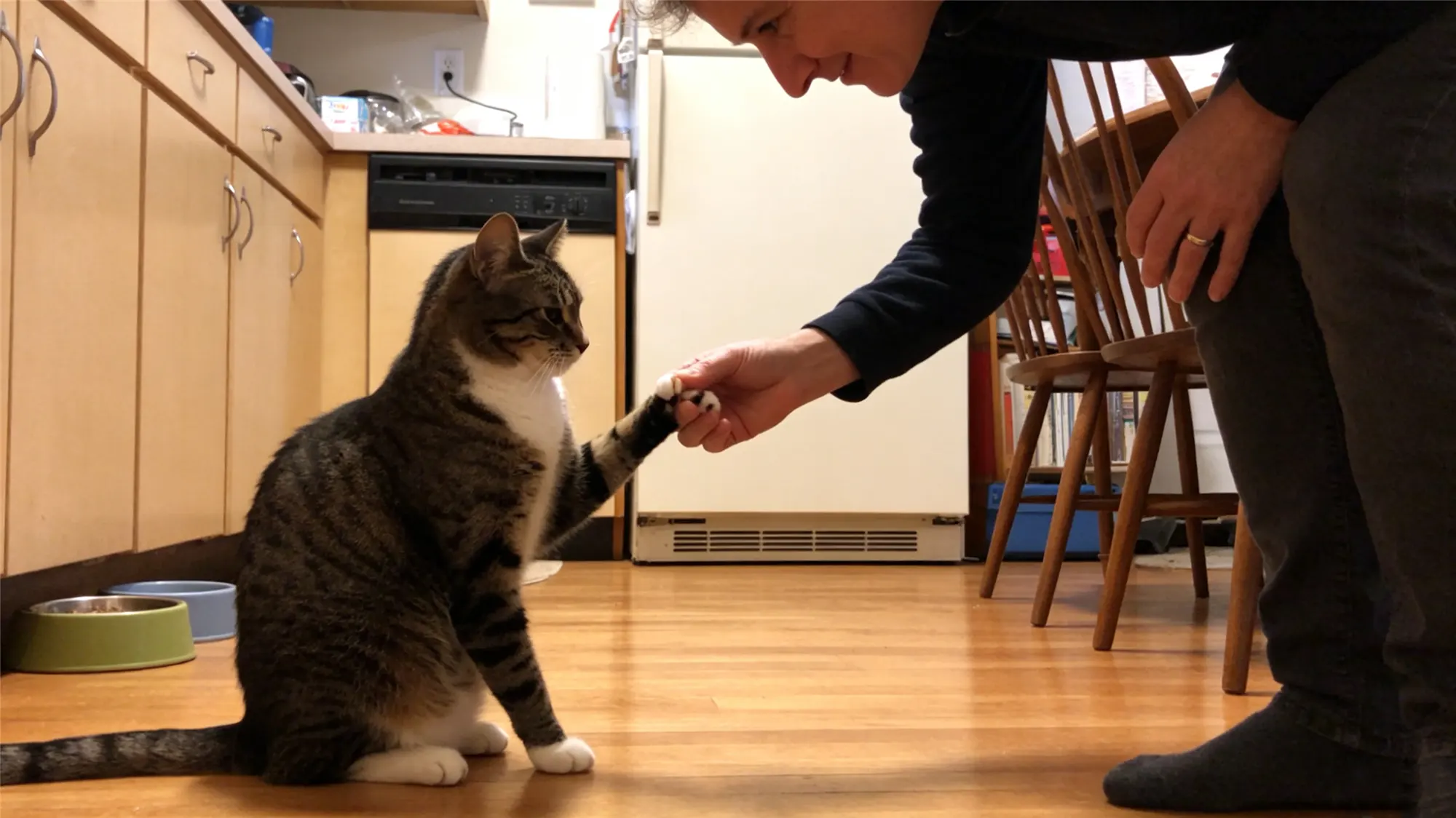
Step-by-Step Cat Nail Trimming
- Choose the right time: When your cat is relaxed or sleepy, often after a meal.
- Get the right position: Hold your cat in your lap or on a stable surface where they feel secure.
- Extend the claw: Gently press the toe pad to expose the nail.
- Avoid the quick: Cut only the sharp white tip, avoiding the pink area (the quick) which contains blood vessels.
- Use proper tools: Invest in high-quality cat nail clippers designed for small, precise cuts.
For long-haired breeds, check for fur matting between toes that can hide overgrown nails.
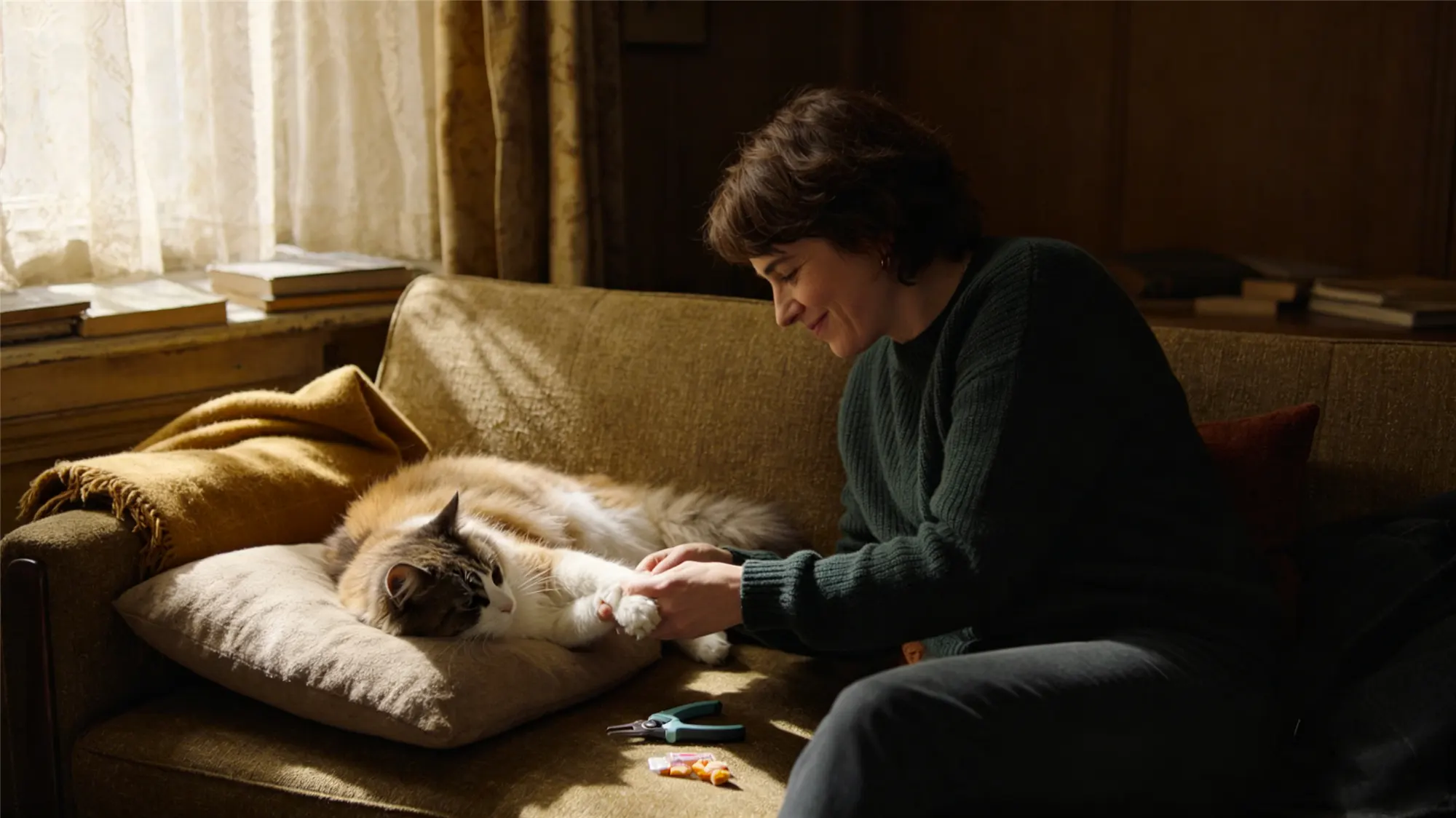
How to Trim Your Dog’s Nails Without Stress
Dogs often resist nail trimming due to past negative experiences or sensitivity in their paws. Starting with outdoor checks helps you assess wear before indoor trimming.
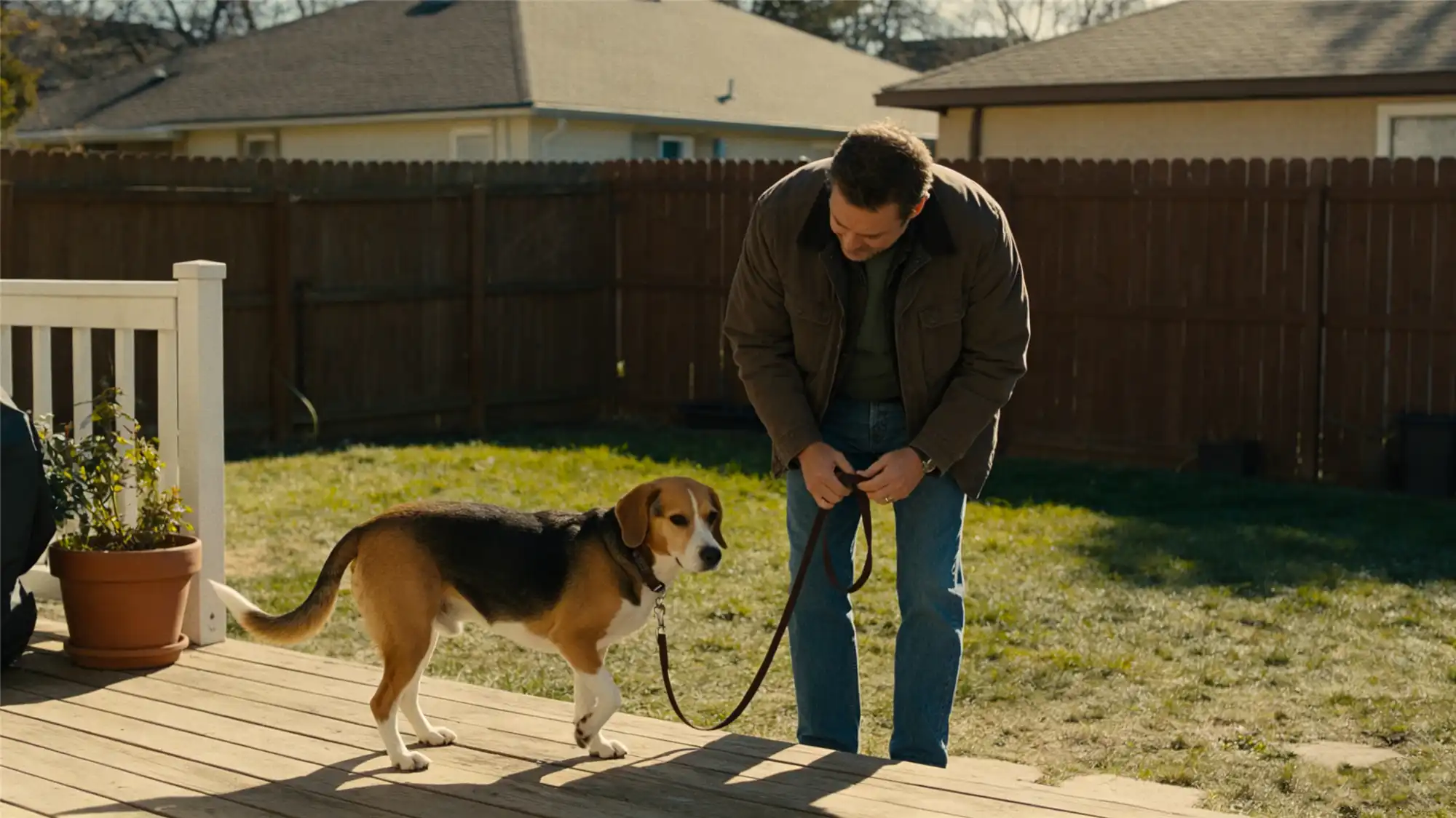
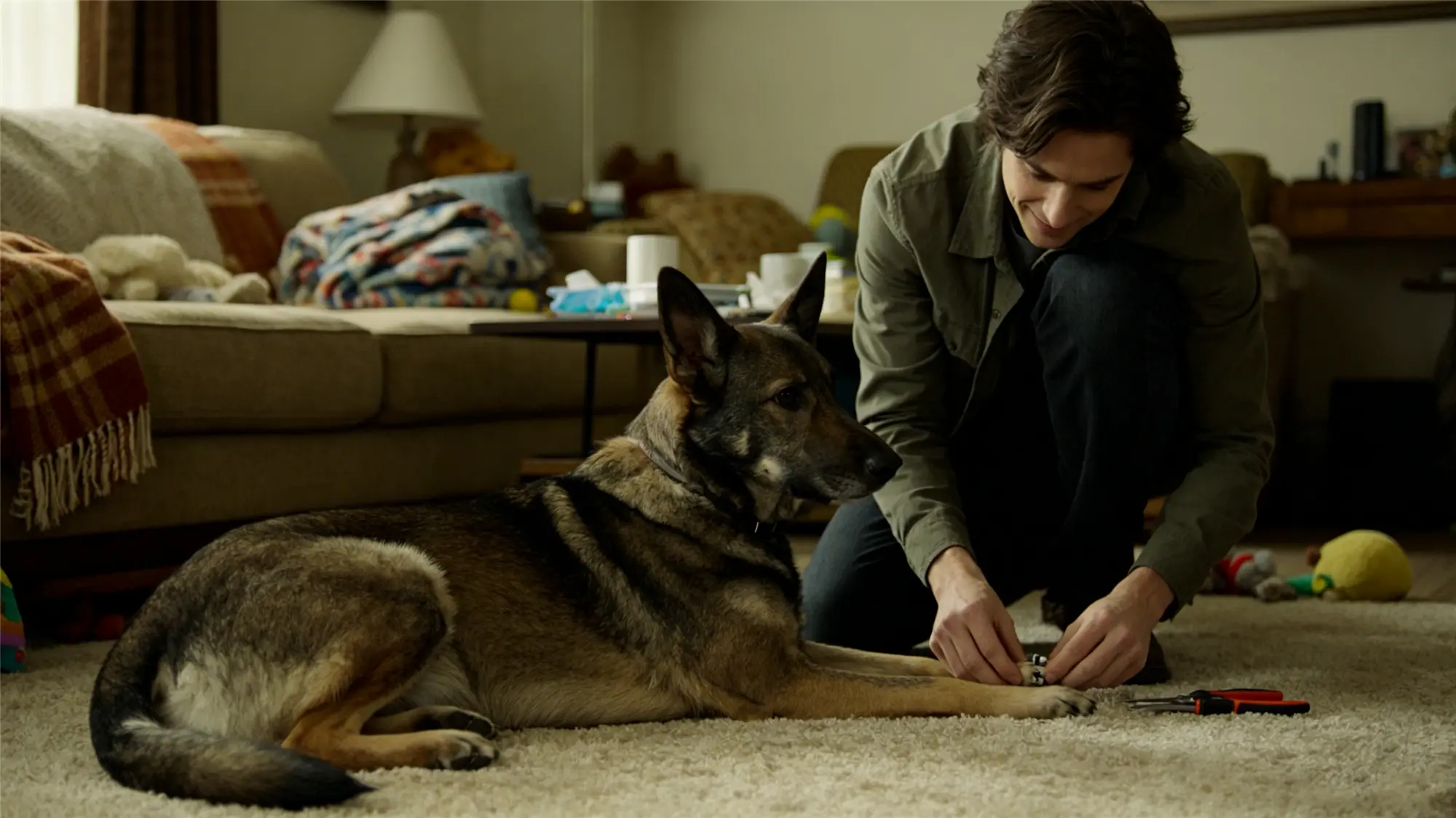
Step-by-Step Dog Nail Trimming
- Desensitize first: Touch your dog’s paws regularly without clippers to build trust.
- Identify the quick: In light-colored nails, the pink quick is visible. For dark nails, trim tiny slices at a time until you see a dark dot in the center.
- Use the right angle: Cut at a 45-degree angle, taking off small amounts.
- Consider alternatives: If your dog hates clippers, a pet nail grinder offers more control and smooth edges.
- Reward generously: Treats and praise create positive associations.
For large breeds like German Shepherds, thick nails require heavy-duty dog nail clippers with safety guards to prevent over-cutting.Easy-to-use pet nail clippers
Choosing the Right Nail Trimming Tools
Using human nail clippers can split and crush pet nails. Invest in species-specific tools:
- Scissor-style clippers: Best for large dogs with thick nails
- Guillotine clippers: Ideal for small dogs and cats with thin nails
- Nail grinders: Perfect for smoothing rough edges and working with anxious pets
- Styptic powder: Essential first-aid item to stop bleeding if you hit the quick
What If You Cut the Quick?
Accidents happen. If you cut too short and see bleeding:
- Apply styptic powder or cornstarch immediately
- Press gently for 2-3 minutes
- Keep your pet calm to slow blood flow
- Contact your vet if bleeding doesn’t stop within 10 minutes
Professional Grooming vs. DIY
While many pet owners successfully trim nails at home, professional groomers offer expertise for:
- Extremely anxious or aggressive pets
- Dark nails where the quick is difficult to see
- Senior pets with arthritis who resist positioning
- Dew claw maintenance (those tricky thumb nails that don’t touch ground)
Frequently Asked Questions
Do indoor cats need their nails trimmed?
Yes. Without outdoor surfaces to naturally file them down, indoor cats’ nails grow continuously and can curl into their pads or snag on furniture.
Can I use human nail clippers on my pet?
No. Human clippers aren’t designed for the shape and thickness of pet nails and can cause painful splitting or cracking.
My dog walks on concrete. Do I still need to trim?
Check monthly. While concrete helps file nails, it rarely maintains the correct length, especially for dew claws that don’t contact the ground.
Final Thoughts
Regular nail trimming is a non-negotiable aspect of responsible pet ownership. Whether you choose professional grooming or the DIY route with quality pet nail trimmers, consistency prevents pain and costly vet bills.
Start slowly, use the right tools, and remember that short, positive sessions beat stressful marathon trimming attempts. Your pet’s paws—and your furniture—will thank you.