 Free shipping on orders over $75 across the U.S., with different free shipping promotions available in parts of
 Europe,
 South America,
 Australia.For all other countries, please contact us before placing your order, and we'll be happy to fast-track a shipping solution for you.
How to Train a Dog to Stop Barking: A Complete Guide for Peaceful Living
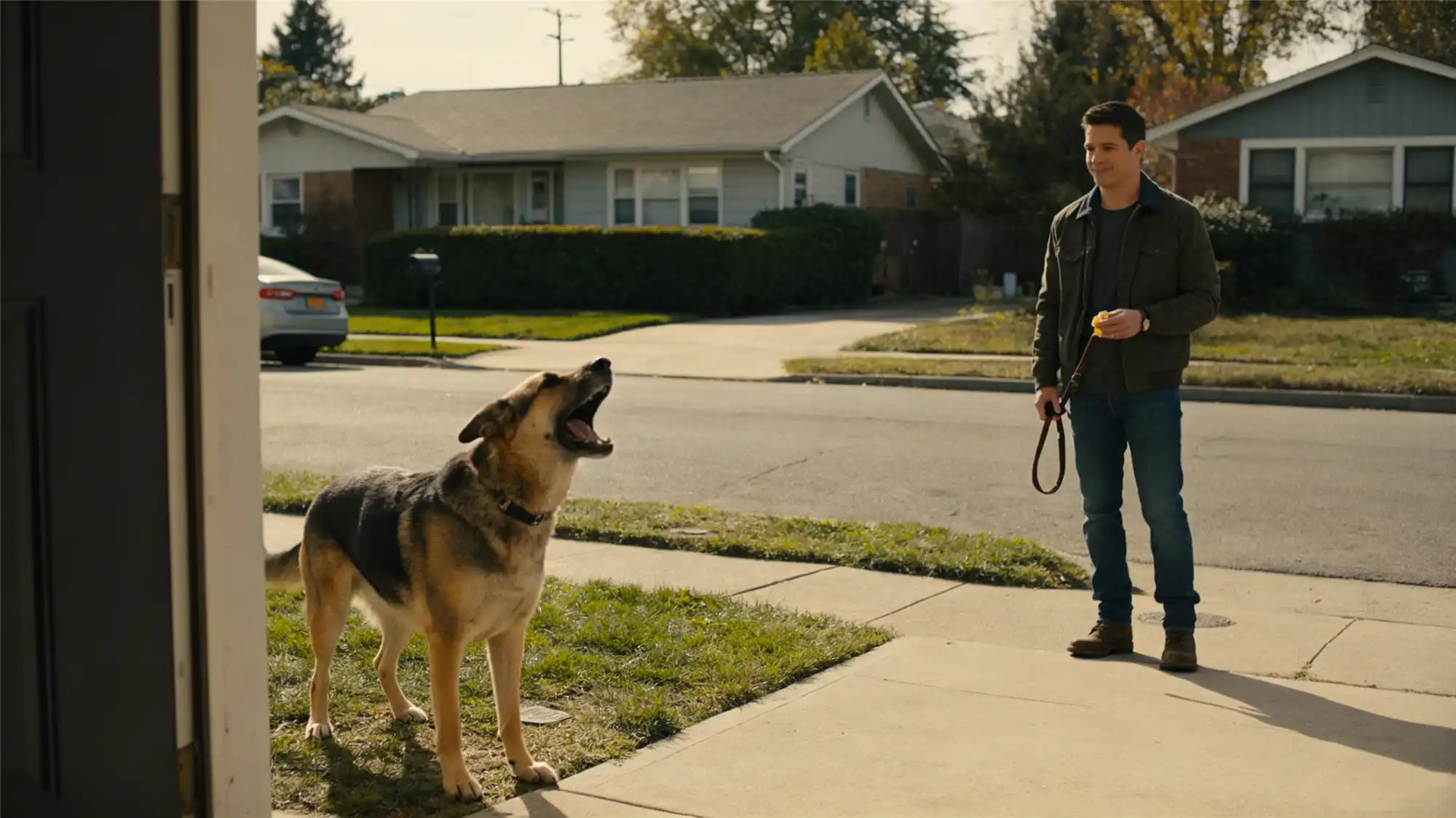
Excessive barking is one of the most frustrating challenges dog owners face. Whether it’s the 3 AM alarm at passing squirrels or the endless chorus when the doorbell rings, constant noise strains relationships with neighbors and disrupts your peace of mind. Fortunately, learning how to train a dog to stop barking doesn’t require harsh methods or expensive gadgets. With patience, consistency, and the right techniques, you can teach your furry friend when to use their indoor voice.
Why Do Dogs Bark? Understanding the Root Cause
Before correcting the behavior, you must understand why your dog is vocalizing. Barking is natural canine communication, but excessive noise usually signals an unmet need or unmanaged trigger.
- Territorial/Alert Barking: “Someone is approaching our space!”
- Fear or Anxiety: Response to thunderstorms, strangers, or separation
- Attention-Seeking: Demanding food, play, or pets
- Boredom: Under-stimulated dogs bark to entertain themselves
- Excitement: Over-arousal during greetings or playtime
Identifying your dog’s specific trigger is crucial for selecting the right training approach.

The Golden Rules of Bark Training
Successful dog barking training relies on three pillars:
- Consistency: Every family member must respond the same way to barking
- Timing: Rewards or corrections must happen within seconds of the behavior
- Positivity: Focus on rewarding silence, not punishing noise
Shouting “quiet!” often backfires—your dog thinks you’re joining the bark-fest. Instead, teach alternative behaviors that are incompatible with barking.
5 Proven Techniques to Stop Excessive Barking
1. The “Quiet” Command Method
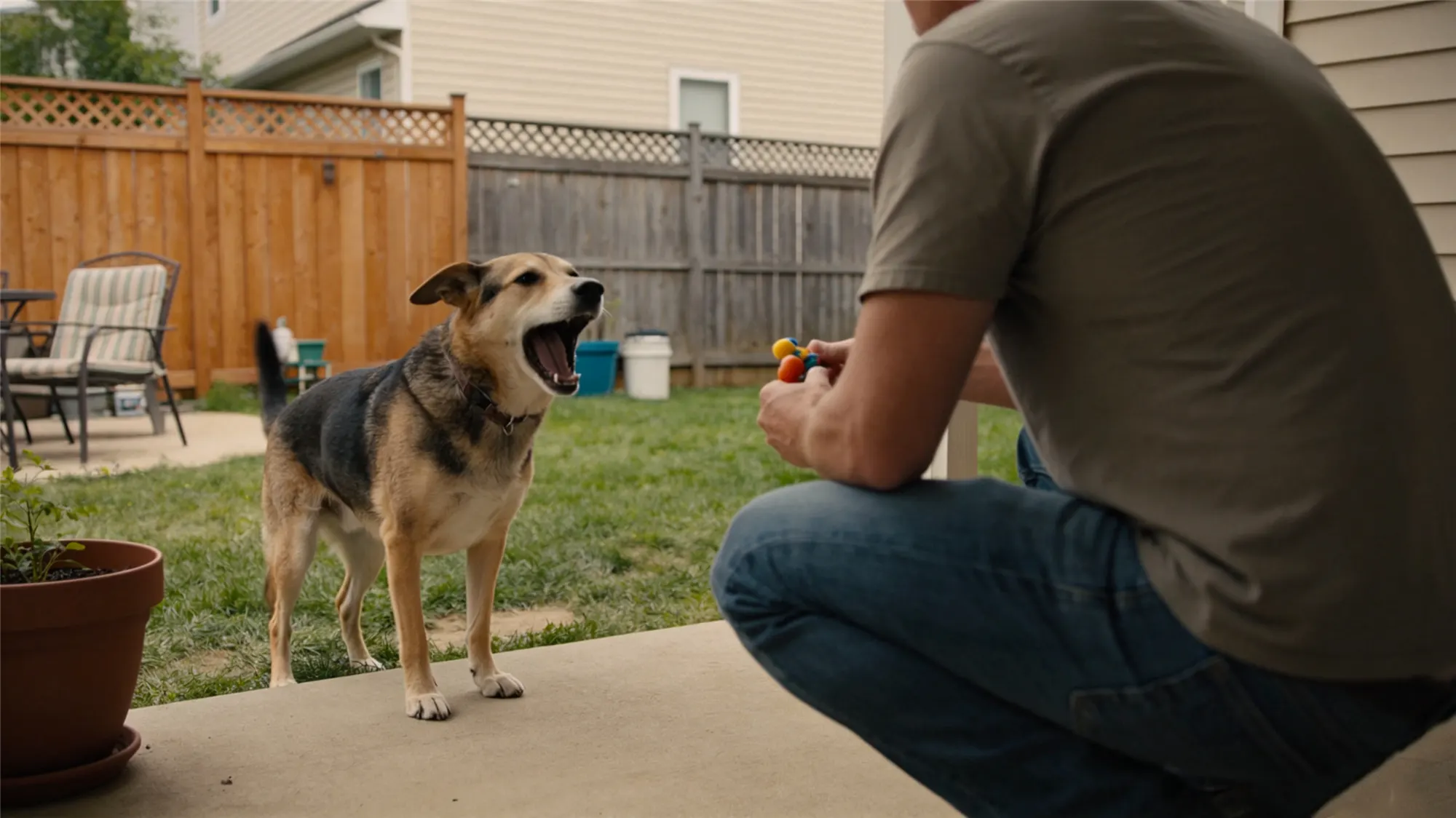
This foundation technique teaches your dog that silence earns rewards:
- Allow your dog to bark 2-3 times when the trigger appears
- Hold a high-value treat to their nose (they’ll stop barking to sniff)
- Say “Quiet” clearly, then immediately reward with the treat and praise
- Practice daily, gradually increasing the duration of silence before rewarding
Most dogs learn the association within 2-3 weeks of consistent practice.
2. Desensitization for Territorial Barking
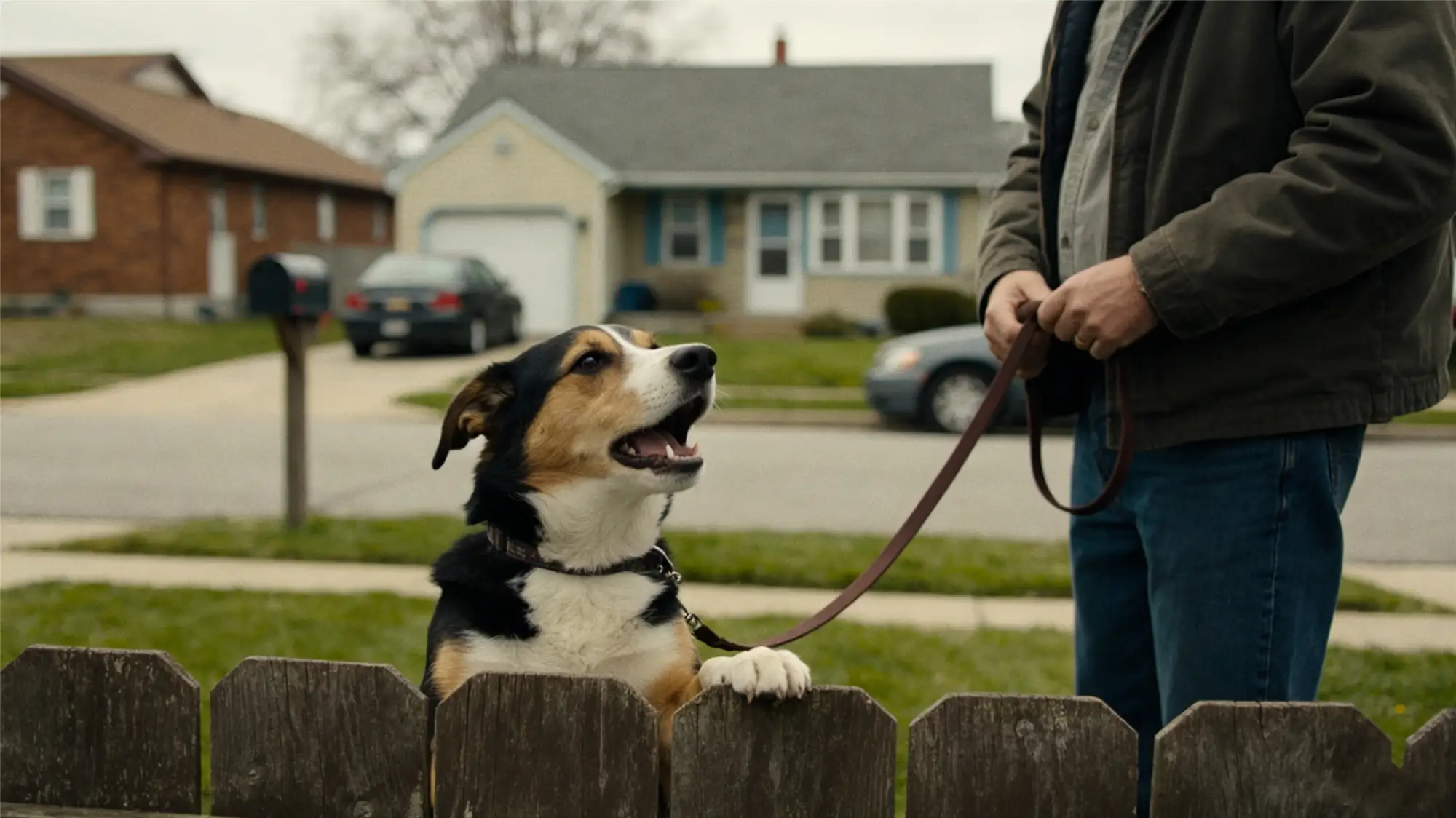
If your dog barks at window passersby or fence lines, desensitization reduces their emotional response:
- Identify your dog’s threshold distance (where they notice but don’t bark)
- Have a friend walk past at that distance while you feed high-value treats
- Gradually decrease the distance over multiple sessions
- Eventually, the trigger predicts good things, not threats
Pair this with visual barriers like frosted window film to prevent rehearsal of the behavior.
3. Interrupt and Redirect (Demand Barking)
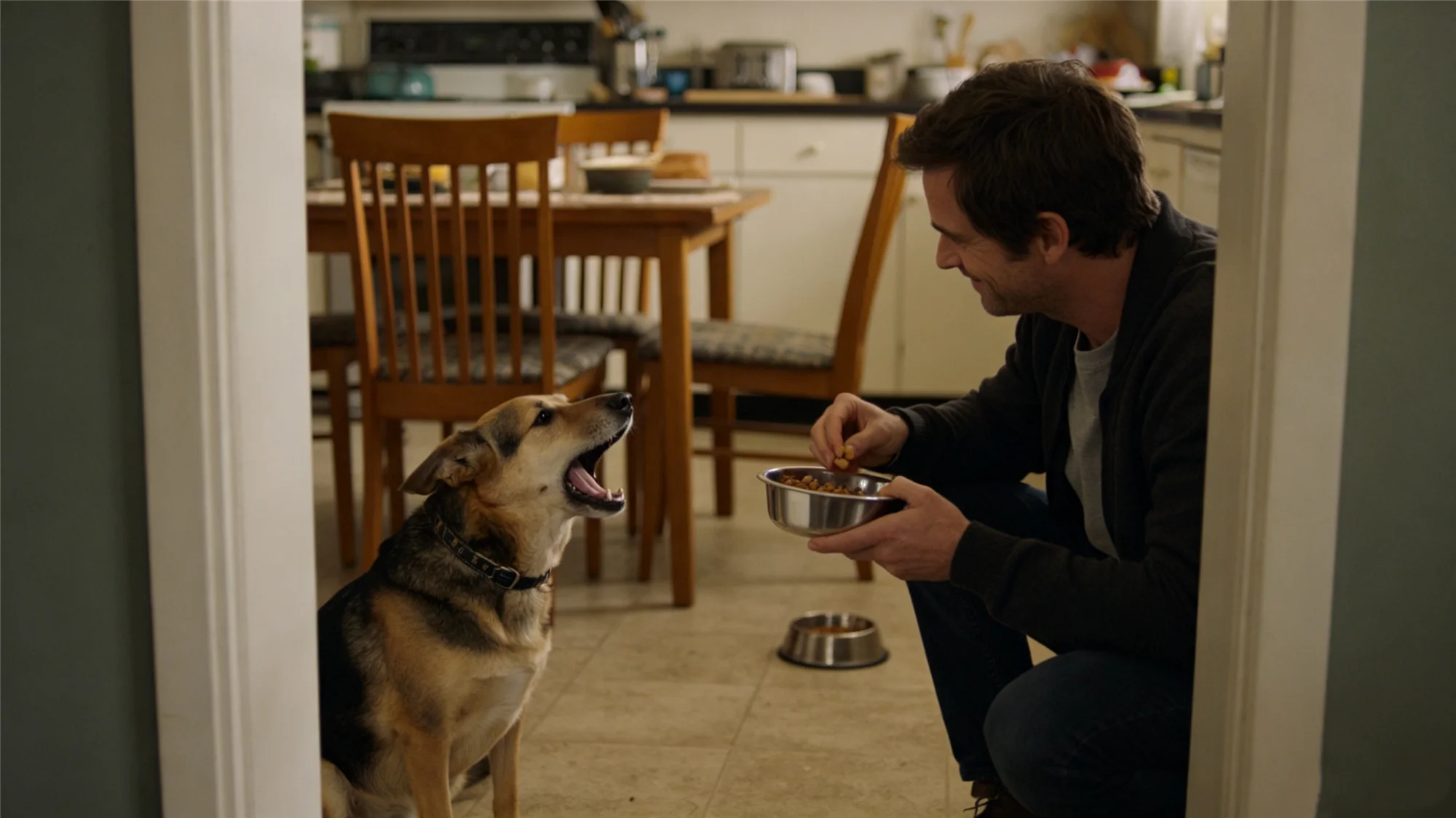
For dogs who bark to demand attention or food:
- Turn your back and withdraw all attention when barking starts
- Wait for 3-5 seconds of silence
- Ask for an incompatible behavior like “sit” or “place”
- Reward the calm behavior with the originally desired resource
Never reward barking by giving in—it reinforces the behavior. Consistency is especially critical here.
4. Exercise and Mental Enrichment
Often, the best anti-bark training isn’t training at all—it’s exhaustion. A tired jaw is a quiet jaw.
- Provide 30-60 minutes of aerobic exercise daily
- Use puzzle feeders instead of bowls to engage their brain
- Practice scent work or hide-and-seek games
- Rotate toys to maintain novelty
Breeds like Shepherds, Collies, and Terriers particularly need jobs to do; without mental outlets, they’ll create their own (noisy) entertainment.
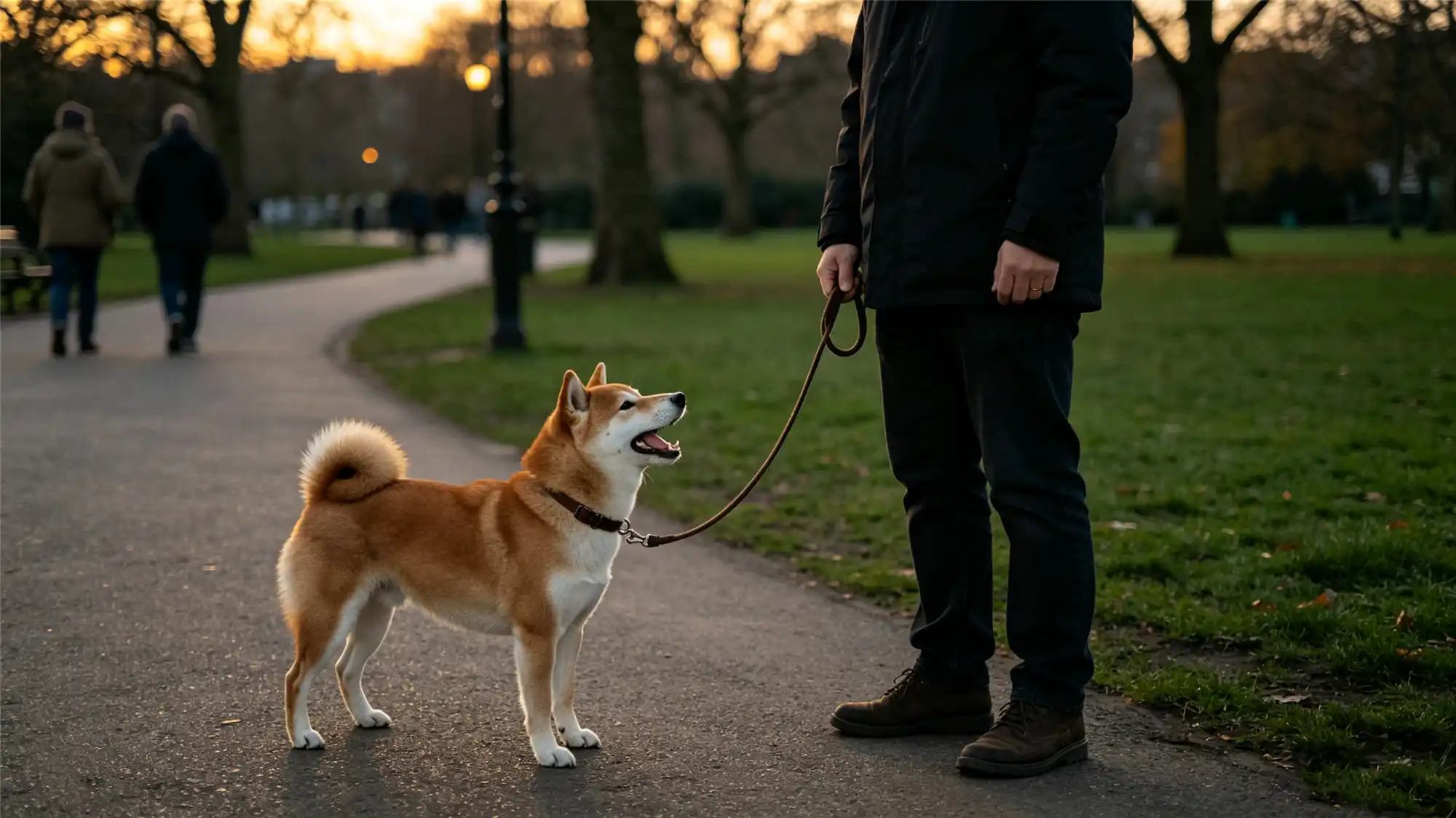
5. Professional Bark Control Tools (When Needed)
If training plateaus, humane tools can accelerate progress:
- Ultrasonic Devices: Emit sounds only dogs hear to interrupt barking
- Citronella Collars: Harmless spray distracts from barking triggers
- Vibration Collars: Gentle buzz interrupts the barking cycle without pain
Always pair tools with positive reinforcement. The goal is interruption, not punishment. Consult a certified trainer before using shock-based systems, as these can increase anxiety and worsen barking long-term.
Common Mistakes That Prolong Barking
Avoid these pitfalls that sabotage stop dog barking efforts:
- Yelling: Your dog interprets this as joining the bark party
- Inconsistent Rules: Allowing barking “just this once” undoes weeks of training
- Punishing Anxiety: Correcting fear-based barking increases stress
- Ignoring Exercise Needs: No amount of correction fixes a bored dog
When to Call a Professional
Seek help from a certified applied animal behaviorist (CAAB) or veterinary behaviorist if:
- Barking stems from severe separation anxiety or trauma
- Your dog shows aggression alongside vocalization
- Training plateau persists after 6-8 weeks of consistent work
- Barking is accompanied by destructive behavior or self-harm
Conclusion: Patience Pays Off
Learning how to train a dog to stop barking is a marathon, not a sprint. By addressing root causes, rewarding calm behavior, and remaining consistent, you’ll transform your noisy nuisance into a peaceful companion. Remember—your dog isn’t giving you a hard time; they’re having a hard time. Lead with empathy, stay the course, and enjoy the sound of silence.
Ready to start your training journey? Bookmark this guide and share your progress with our community of dog lovers committed to positive, effective training methods.