 Free shipping on orders over $75 across the U.S., with different free shipping promotions available in parts of
 Europe,
 South America,
 Australia.For all other countries, please contact us before placing your order, and we'll be happy to fast-track a shipping solution for you.
The Ultimate Hot Weather Dog Walking Guide: Protecting Paws, Preventing Heatstroke & Staying Hydrated
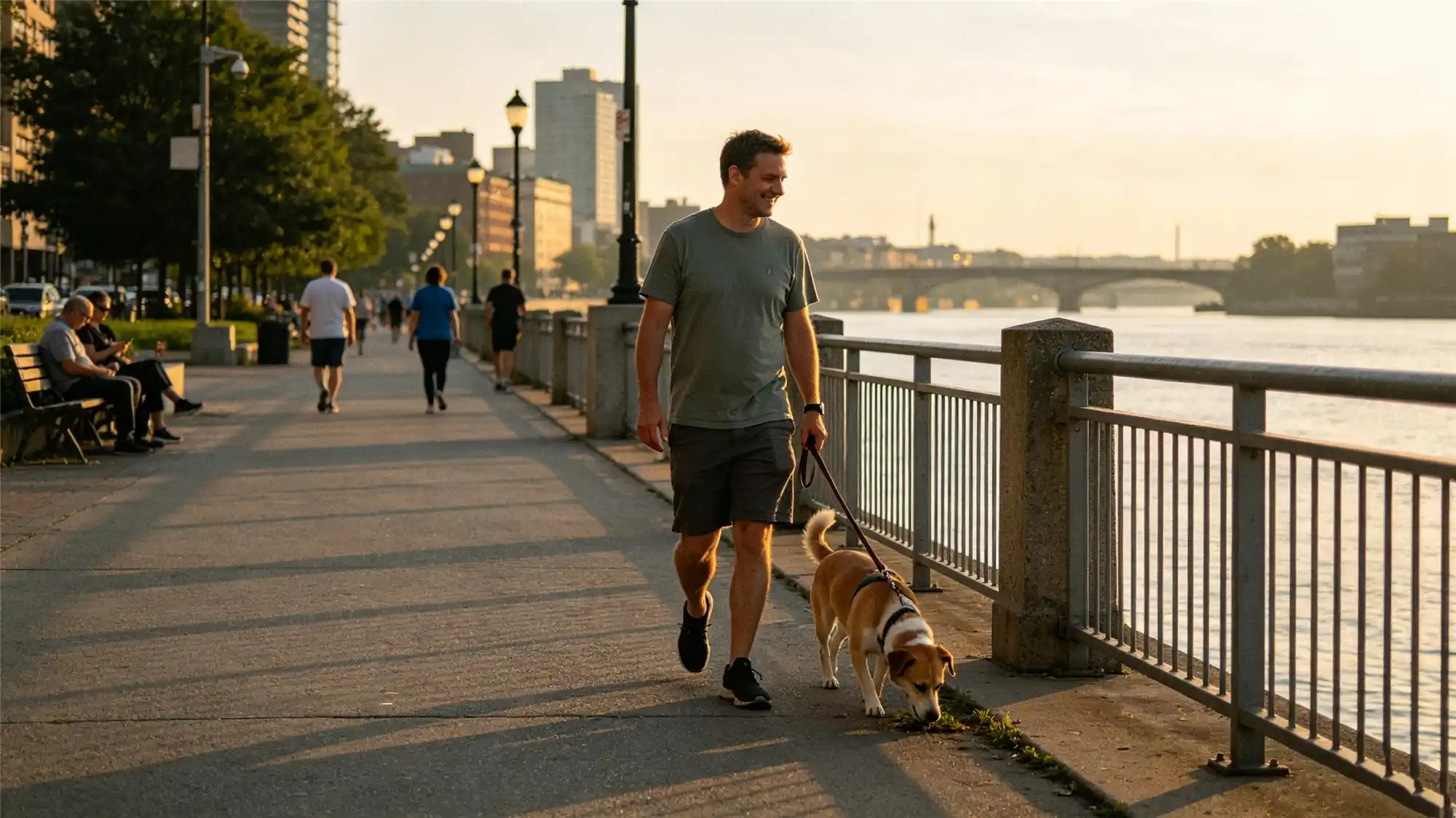
Summer walks should be joyful, not dangerous. Yet every year, thousands of dogs suffer from burned paw pads, dehydration, and heatstroke simply because their owners missed the warning signs. When temperatures climb above 80°F (27°C), asphalt can reach a scorching 140°F—hot enough to fry an egg and destroy your dog’s sensitive paw pads in seconds.
This isn’t about canceling walks; it’s about walking smarter. Whether you’re navigating urban sidewalks or suburban trails, understanding hot weather dog walking safety can mean the difference between a refreshing outing and an emergency vet visit. Let’s break down the essential precautions every responsible pet parent needs to know.
The Hidden Danger Underfoot: Sidewalk Safety in Scorching Heat
Your dog’s paw pads might look tough, but they’re surprisingly vulnerable. Unlike human feet protected by shoes, canine paw pads are direct skin contact with the ground. When ambient temperatures hit 86°F, asphalt temperatures can soar to 135°F—causing third-degree burns in under 60 seconds.
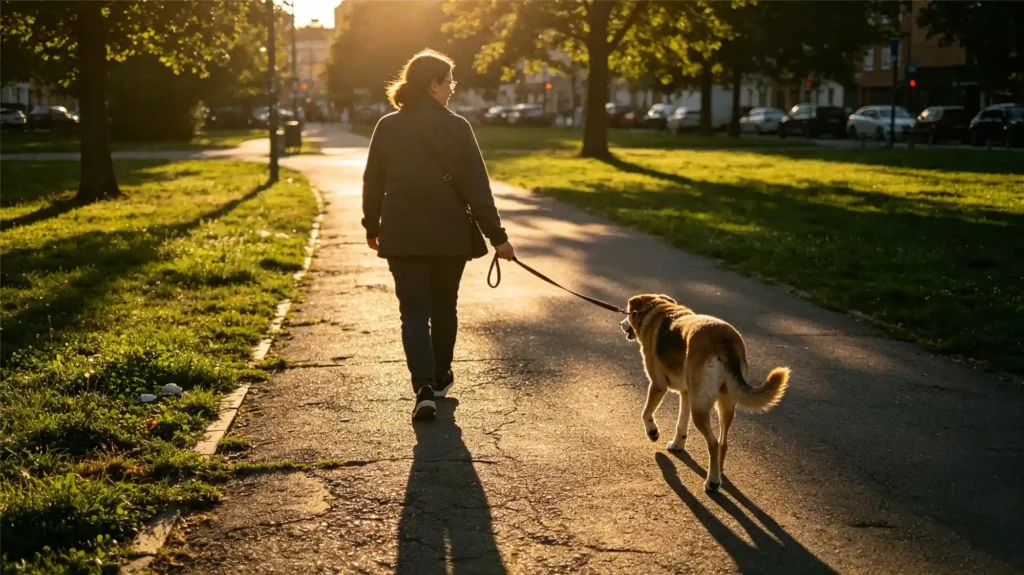
The 5-Second Rule: Your Quick Safety Test
Before letting your pup step onto any pavement, perform this simple check:
- Place the back of your hand firmly on the surface
- Hold it there for 5 full seconds
- If it’s too hot for you, it’s too hot for them
If the sidewalk fails this test, stick to grassy areas, shaded paths, or invest in quality protective gear.
Paw Protection Solutions That Actually Work
Don’t let hot pavement trap you indoors. Consider these vet-approved options:
- Heat-resistant booties: Look for breathable, rubber-soled options with reflective strips for visibility
- Paw wax balms: Creates a protective barrier against hot surfaces while moisturizing cracked pads
- Grassy route mapping: Plan walks through parks or tree-lined streets to minimize pavement contact
Hydration Strategy: More Than Just Water Breaks
Dogs can’t tell you when they’re thirsty—they lose moisture through panting and paw pads faster than humans realize. By the time a dog shows visible signs of dehydration, they’ve already lost 5-10% of their body water.
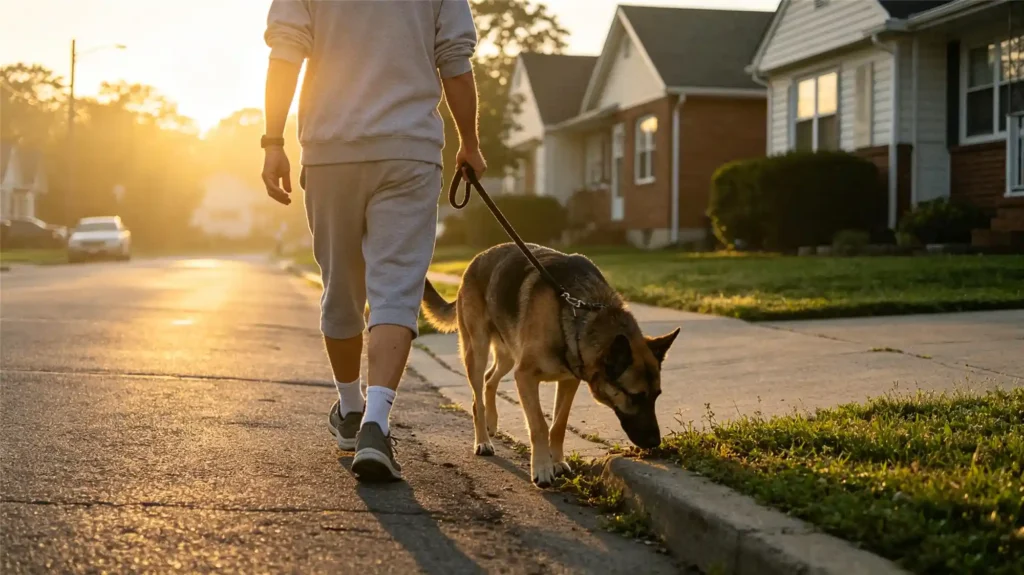
The Hydration Schedule That Saves Lives
Don’t wait for your dog to seek water. Implement this proactive approach:
- Pre-walk hydration: Offer water 30 minutes before heading out
- The 15-minute rule: Stop for water breaks every 15 minutes during walks above 75°F
- Post-walk recovery: Provide electrolyte-enhanced water (vet-formulated) after strenuous summer outings
Portable Hydration Gear Essentials
Ditch the heavy bowls. Modern portable dog water bottles with integrated troughs allow one-handed hydration on the go. Look for BPA-free, leak-proof designs that fit standard cup holders—perfect for summer road trips and neighborhood loops.Choose an outdoor pet water bottle to take along
Heatstroke Prevention: Recognizing the Red Flags
Canine heatstroke is a silent killer that can escalate from mild distress to organ failure within 15 minutes. Unlike humans, dogs don’t sweat effectively—they rely entirely on panting to cool down.
Early Warning Signs You Can’t Ignore
Watch for these progression stages:
- Stage 1 (Anxiety): Excessive panting, drooling, restlessness
- Stage 2 (Distress): Bright red gums, rapid heartbeat, lethargy
- Stage 3 (Emergency): Vomiting, diarrhea, collapse, seizures
Immediate action: If you suspect heatstroke, move to shade immediately, apply cool (not ice-cold) water to the groin and paw pads, and get to an emergency vet. Every minute counts.
Timing Is Everything: Beat the Heat with Smart Scheduling
The simplest way to prevent heat-related injuries? Avoid the danger window entirely. Between 10 AM and 4 PM, UV rays peak and pavement retains maximum heat.
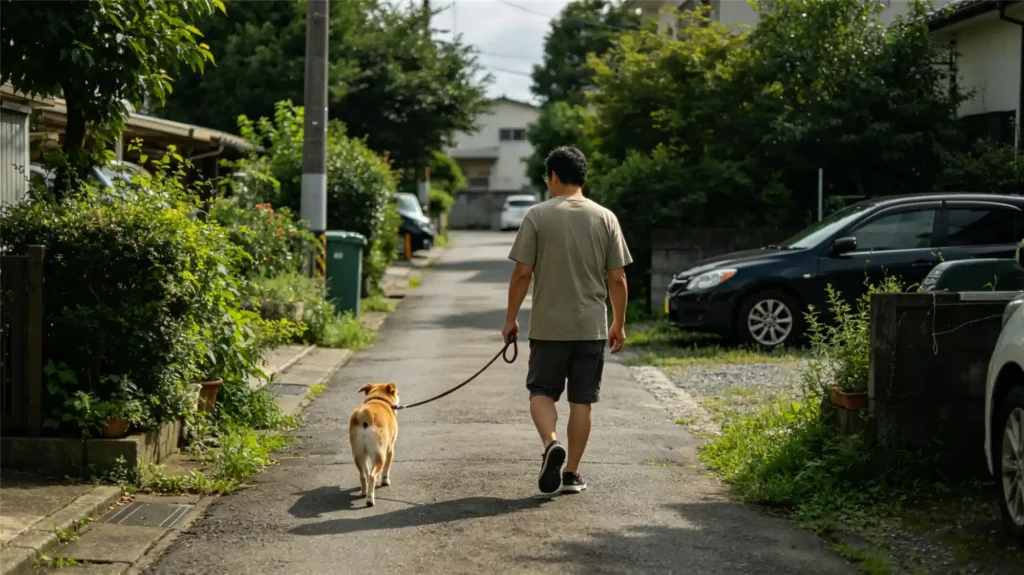
The Golden Hours for Safe Summer Walks
Adjust your routine to these optimal time slots:
- Sunrise walks (5:30–7:30 AM): Coolest temperatures, freshest air, and pavement that hasn’t absorbed day’s heat
- Late evening (After 7:00 PM): Post-sunset when surfaces begin releasing stored heat
For midday bathroom breaks, keep them under 5 minutes and strictly on grassy areas.
Essential Hot Weather Walking Gear Checklist
Equip yourself for safety with these veterinarian-recommended summer essentials:
- Cooling vests: Evaporative cooling technology keeps core temperature down for up to 4 hours
- Reflective harnesses: Early morning and evening walks require high-visibility gear
- Portable paw washers: Remove hot asphalt residue and cool down pads post-walk
- Digital thermometer: Check surface temperatures before walks—aim for under 90°F
Breed-Specific Considerations
Brachycephalic breeds (Bulldogs, Pugs, Boxers) and overweight dogs face 3x higher heatstroke risk. For these pups, skip walks entirely when temperatures exceed 85°F, opting instead for indoor enrichment activities.
Conclusion: Safety First, Adventure Second
Hot weather doesn’t mean eliminating exercise—it demands smarter strategies. By testing pavement temperatures, maintaining rigorous hydration schedules, and timing walks during cooler hours, you protect your companion from painful burns and life-threatening heatstroke.
Remember: if you’re uncomfortable in the heat while wearing shoes, your barefoot dog is suffering silently. Prioritize paw protection, stay vigilant for dehydration signs, and keep those summer adventures safe for both of you.