 Free shipping on orders over $75 across the U.S., with different free shipping promotions available in parts of
 Europe,
 South America,
 Australia.For all other countries, please contact us before placing your order, and we'll be happy to fast-track a shipping solution for you.
Best Tortoise Water Dish: A Complete Guide to Keeping Your Pet Hydrated and Healthy
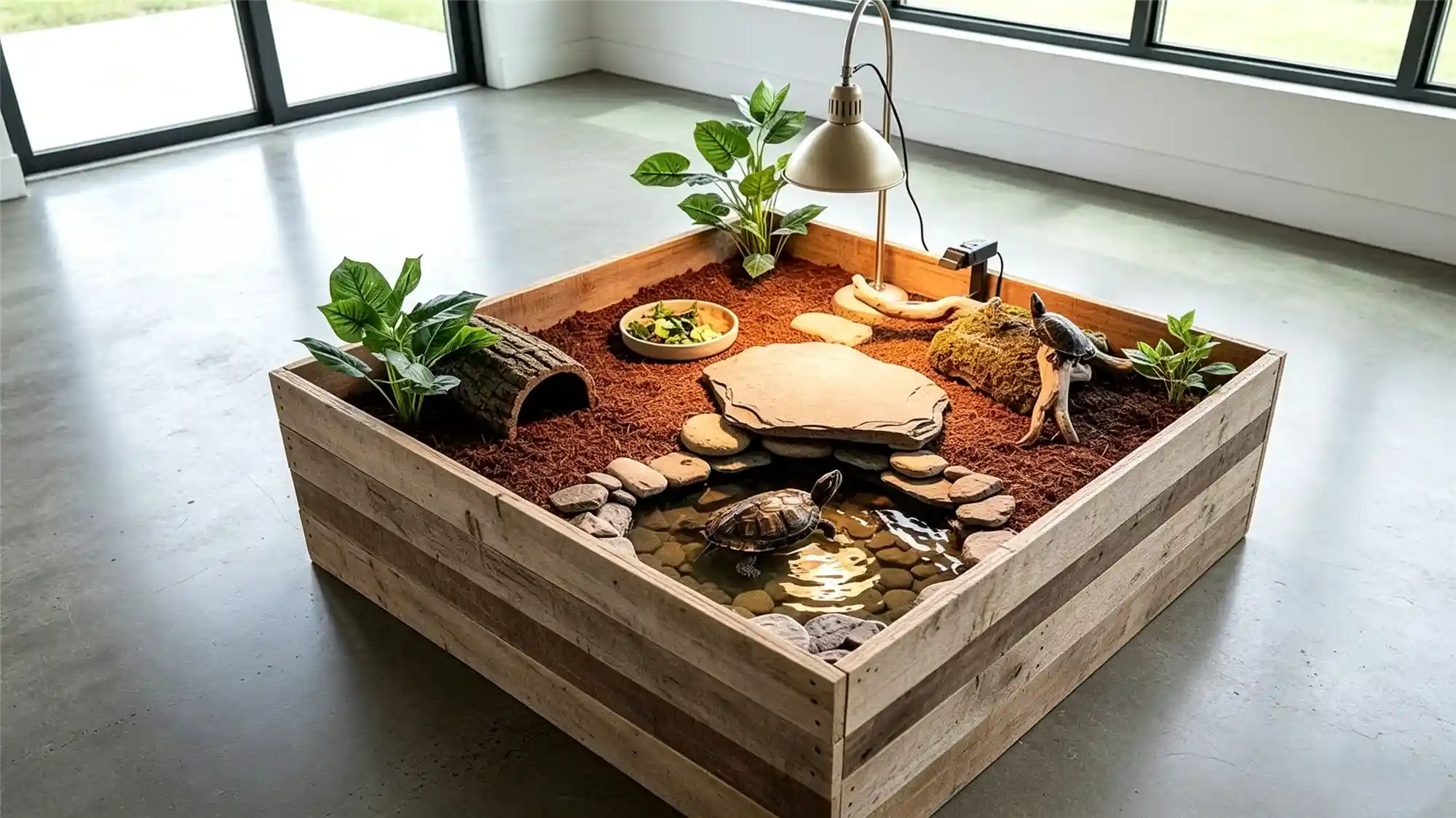
Choosing the right tortoise water dish isn’t just about aesthetics—it’s a critical decision that impacts your pet’s health, hydration, and overall wellbeing. Many tortoise owners unknowingly put their pets at risk by selecting bowls that are too deep, difficult to access, or made from toxic materials.
In this comprehensive guide, we’ll explore exactly what to look for in a turtle water bowl, why proper hydration matters more than you think, and which specific options veterinarians and experienced herpetologists recommend for different tortoise species.
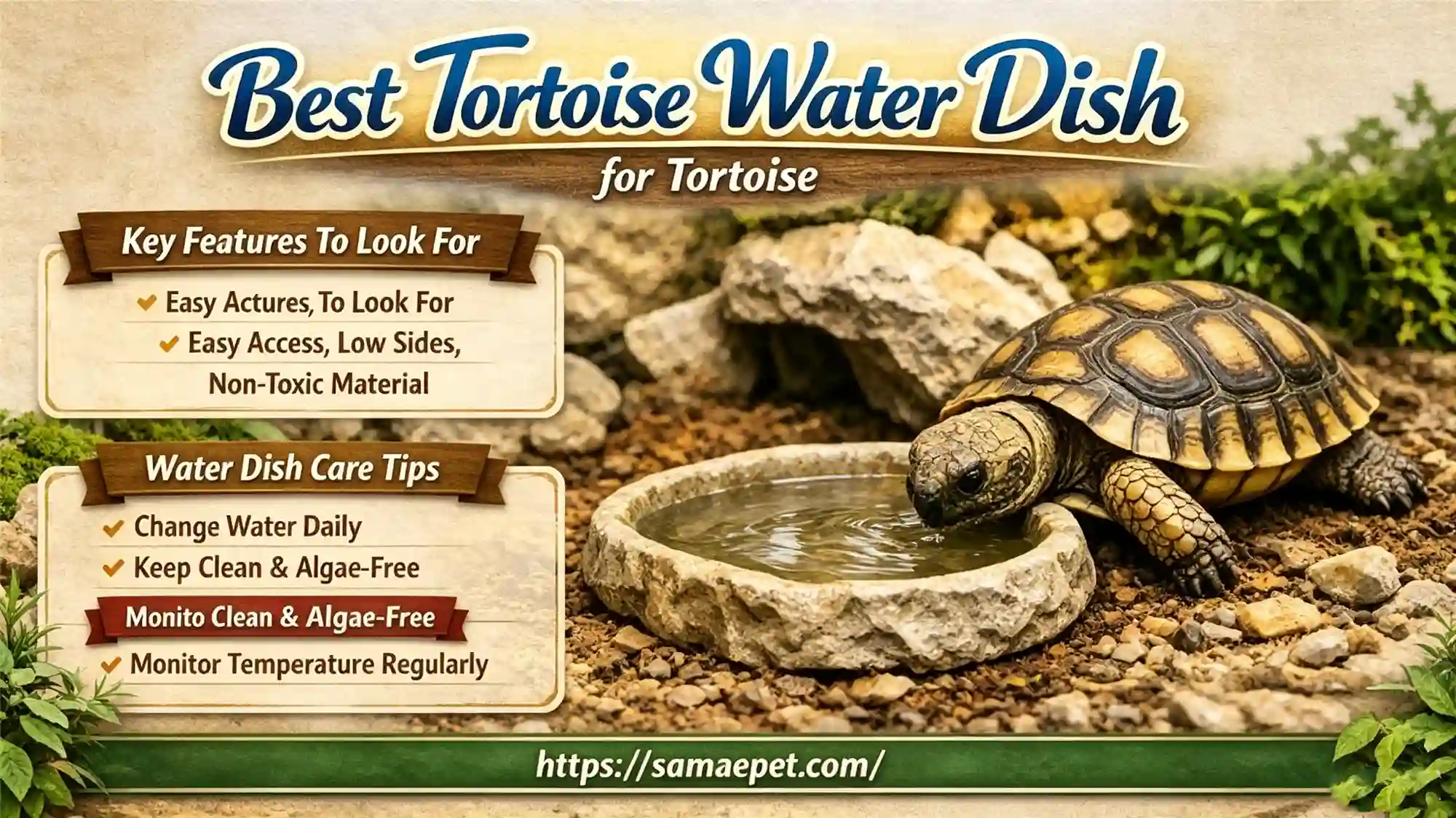
Why Water is Essential for Your Tortoise
Unlike many assume, tortoises require constant access to fresh water despite their reputation as desert-dwelling creatures. Dehydration remains one of the most common health issues in captive tortoises, often leading to serious complications.
Prevents Dangerous Dehydration
Tortoises can suffer from dehydration faster than most reptile owners realize. Signs include sunken eyes, lethargy, and dry skin. A properly designed shallow water dish for tortoise ensures your pet drinks regularly without struggling to access the water.
Supports Healthy Soaking Behavior
Tortoises naturally soak to aid digestion, hydrate their skin, and regulate body temperature. This behavior helps prevent urinary stone formation—a potentially fatal condition. Without an appropriate water dish, your tortoise cannot engage in this vital self-care routine.
Kidney Health and Stone Prevention
Regular soaking in clean water helps flush your tortoise’s system, preventing the buildup of uric acid that leads to painful and expensive bladder stones. The right tortoise water bowl makes this preventive care effortless.
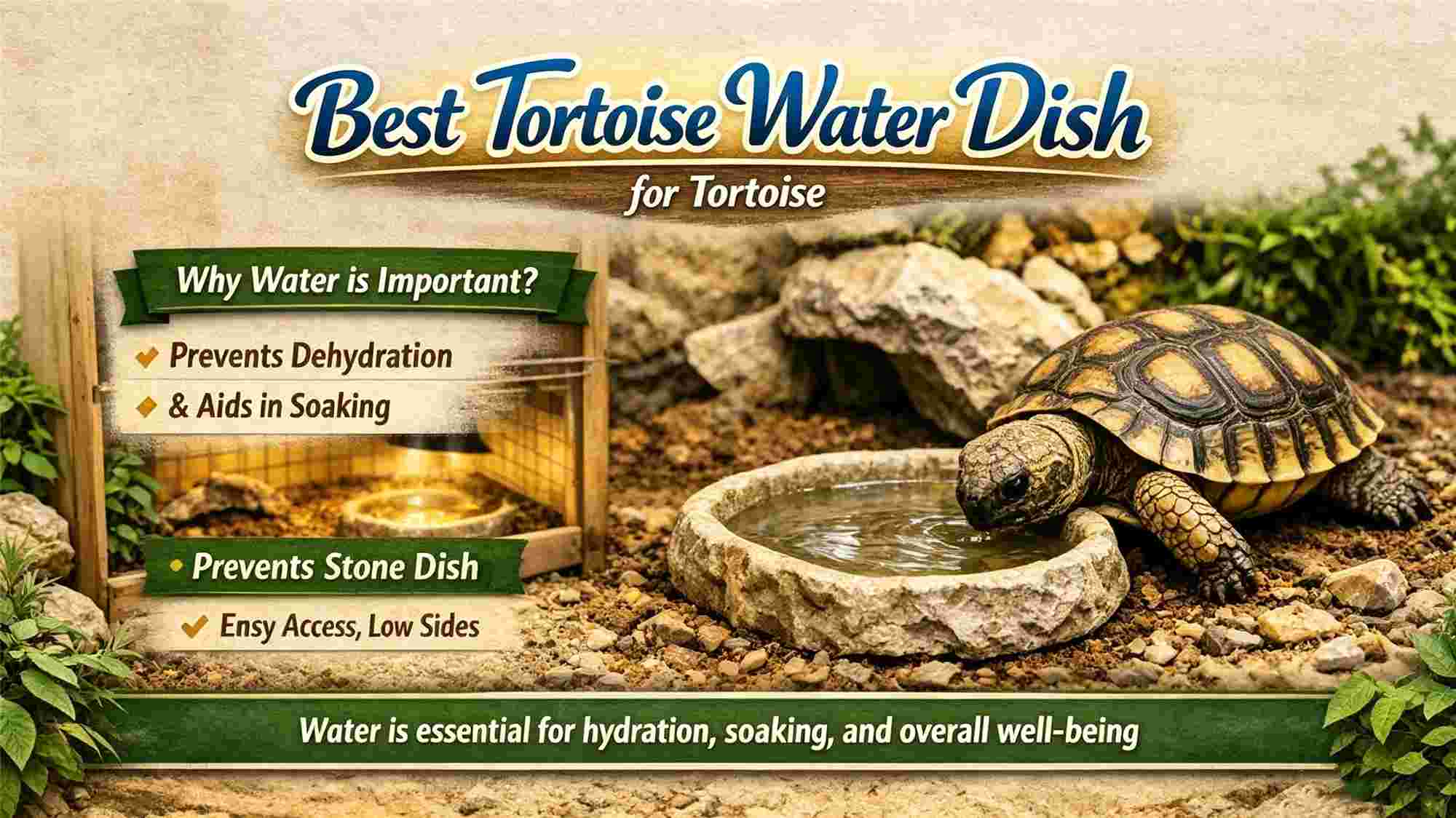
Key Features to Look For in a Tortoise Water Dish
Not all reptile water dishes work for tortoises. These specific characteristics ensure safety and usability:
- Low, sloped sides: Tortoises need easy entry and exit. High walls trap them or prevent access entirely.
- Non-toxic materials: Avoid painted ceramics or cheap plastics that leach chemicals. Food-grade or natural stone materials are safest.
- Shallow depth: Water should be no deeper than your tortoise’s chin when standing on all fours to prevent drowning risks.
- Stability: Heavy or wide-based dishes prevent tipping when your tortoise climbs in.
- Easy cleaning: Smooth surfaces resist algae and bacterial buildup, supporting daily maintenance.Choosing the right turtle water dish
Top Tortoise Water Dish Options Compared
Based on durability, safety, and tortoise preference, here are the three best categories of water dishes available:
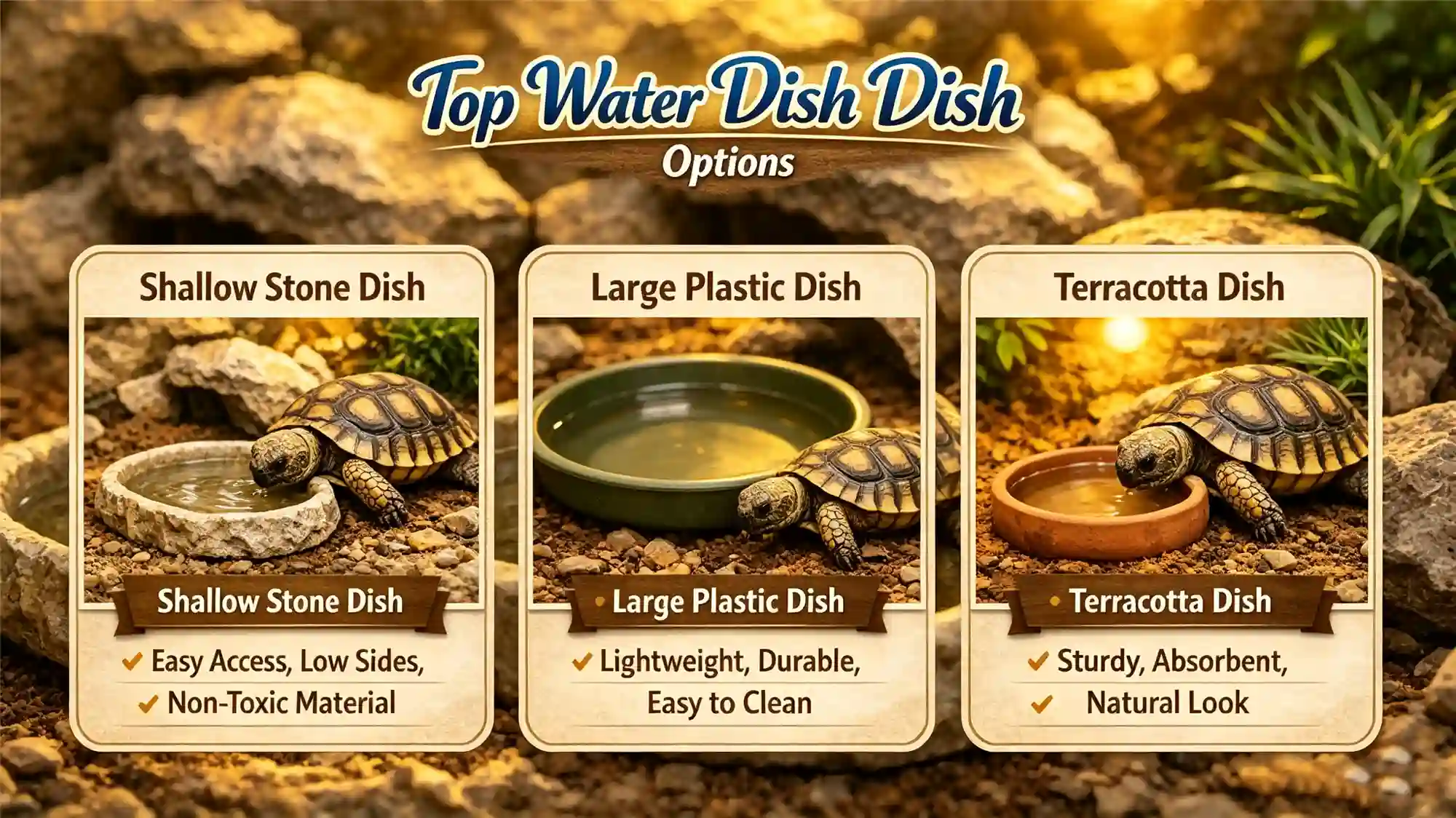
Shallow Stone Dishes: The Natural Choice
Stone dishes mimic your tortoise’s natural environment while providing unmatched stability. The porous surface helps maintain water temperature longer, and the weight prevents even large tortoises from flipping the bowl.
Best for: Russian tortoises, Greek tortoises, and other medium-sized species. Look for sealed stone that doesn’t absorb water to prevent bacterial growth in the material itself.
Large Plastic Dishes: Practical and Lightweight
High-quality, BPA-free plastic dishes offer excellent value and convenience. They’re lightweight for cleaning, resistant to cracking, and often feature textured ramps for easy climbing.
Best for: Hatchlings and juvenile tortoises, or owners who prioritize easy sanitization. Ensure the plastic is specifically marked as reptile-safe and food-grade.
Terracotta Dishes: Aesthetic and Functional
Unglazed terracotta provides a natural, earthy appearance that blends beautifully into bioactive enclosures. The material’s breathability prevents water from becoming stagnant quickly, though it requires more frequent refilling.
Best for: Desert species like Sulcata tortoises in arid setups. The rustic appearance satisfies human aesthetics while the low profile suits tortoise anatomy.
Critical Water Dish Care Tips
Even the perfect dish requires proper maintenance to prevent illness:
- Change water daily: Tortoises often defecate while soaking, contaminating the water immediately.
- Scrub algae weekly: Use a dedicated reptile-safe brush (not kitchen sponges) to remove biofilm.
- Monitor temperature: Keep water slightly warm (75-80°F) to encourage soaking, especially for tropical species.
- Position carefully: Place the dish on the cool side of the enclosure to prevent rapid evaporation and bacterial growth.
Common Mistakes to Avoid
Steer clear of these dangerous errors:
- Deep bowls: Tortoises can drown in water deeper than their shell height.
- Sharp edges: Cracked ceramic or rough plastic can injure soft skin and shells.
- Food bowls doubling as water: Always separate food and water to prevent substrate ingestion and contamination.
- Ignoring size changes: Upgrade your turtle water dish as your tortoise grows to ensure comfortable soaking.
Final Thoughts
Investing in the right tortoise water dish pays dividends in your pet’s health and longevity. Whether you choose a natural stone basin, practical plastic option, or rustic terracotta model, prioritize low sides, non-toxic materials, and daily maintenance.
Remember: a hydrated tortoise is an active, healthy tortoise. By providing constant access to clean, shallow water, you’re preventing painful health issues and supporting natural behaviors that keep your shelled companion thriving for decades.