 Free shipping on orders over $75 across the U.S., with different free shipping promotions available in parts of
 Europe,
 South America,
 Australia.For all other countries, please contact us before placing your order, and we'll be happy to fast-track a shipping solution for you.
How Do Dogs Find Their Way Home? The Science of Canine Scent
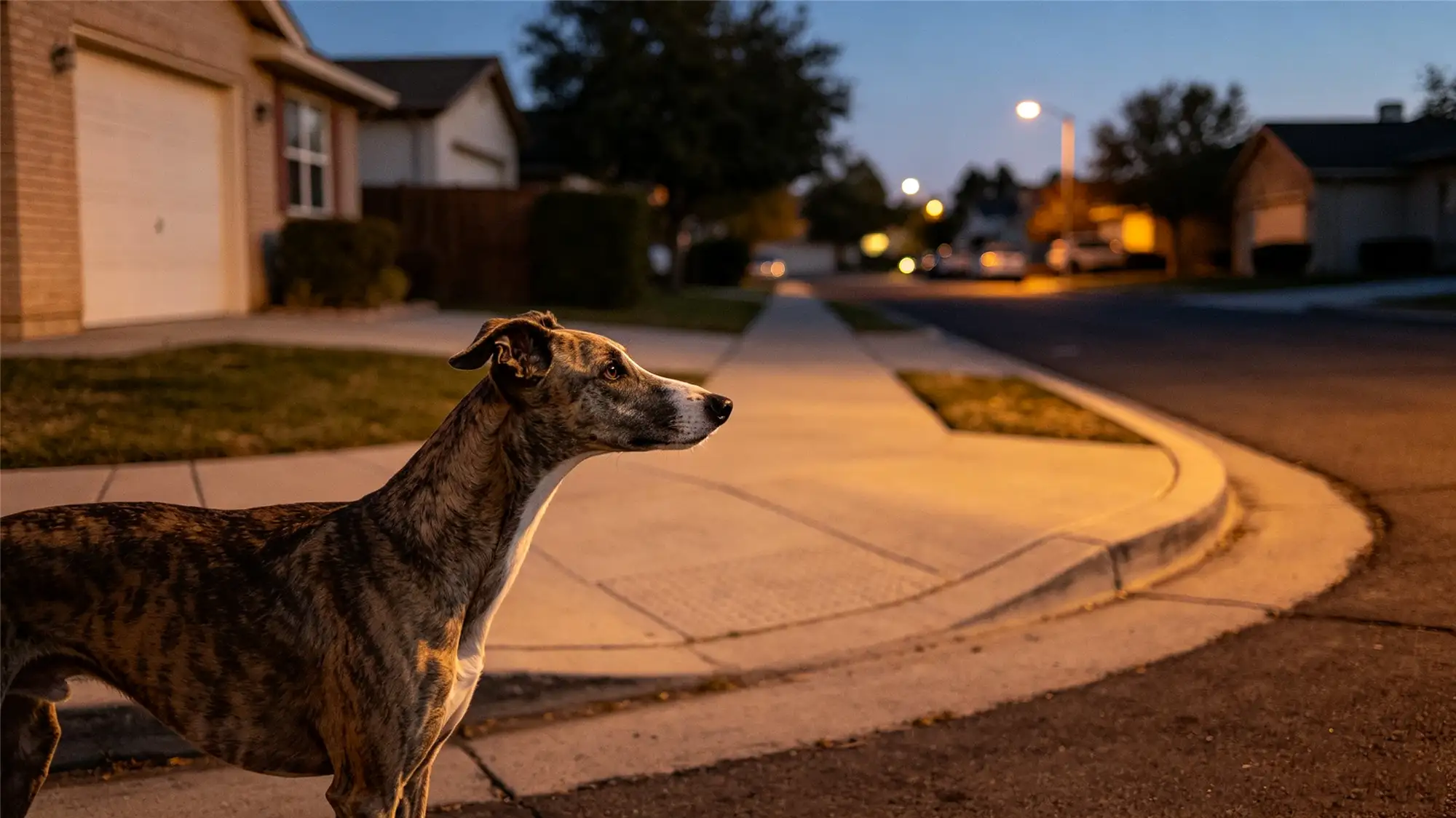
Every dog owner knows that heart-stopping moment: the gate left open, the leash slipped, or the backyard fence jumped. Your beloved companion is gone, and panic sets in. Yet, time and again, we hear incredible stories of dogs traveling miles—across cities, even states—to find their way back home. How do they do it?
The answer lies in an extraordinary combination of olfactory prowess and spatial memory that makes our canine companions natural navigators. While these instincts are remarkable, understanding their limitations is crucial for modern pet safety.
The Science Behind a Dog’s Sense of Direction
Unlike humans who rely heavily on visual landmarks, dogs experience the world primarily through their noses. With up to 300 million olfactory receptors (compared to our mere 6 million), dogs don’t just smell—they analyze scent layers, detect directional gradients, and create mental scent maps of their territory.
The Power of Scent Trails
When your dog walks the neighborhood, they’re leaving an invisible signature. These scent markers—consisting of skin cells, sweat, and natural oils—create a breadcrumb trail that can last for days or even weeks. Research suggests dogs can detect:
- Scent concentrations as low as one part per trillion
- Directional differences in scent intensity (helping them determine which way you walked)
- Individual family members’ unique scent profiles from over a mile away
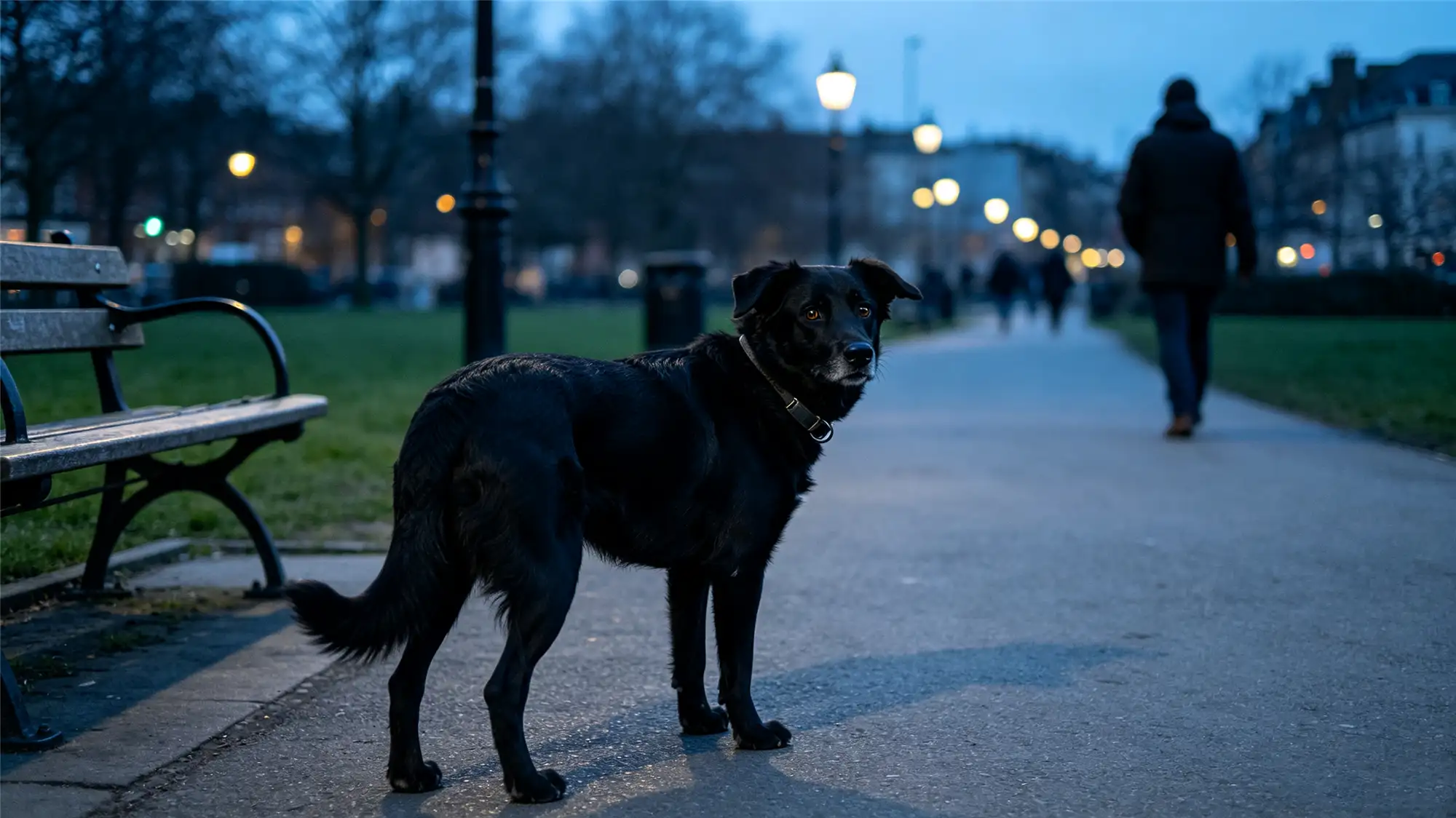
This explains why a lost dog often circles back to where they last saw you—they’re literally following your scent trail backward.
Spatial Memory and Mental Mapping
Beyond smell, dogs possess exceptional spatial memory. Studies published in the journal Behavioural Processes demonstrate that dogs create cognitive maps of their environment, storing information about:
- Visual landmarks (buildings, trees, specific houses)
- Soundscapes (traffic patterns, church bells, train schedules)
- Magnetic fields (recent research indicates dogs may sense Earth’s magnetism)
Combined with their scent tracking, this creates a multi-layered navigation system that rivals GPS technology—until it doesn’t.
How Dogs Use Scent to Map Their Environment
Understanding your dog’s “scent world” helps explain their behavior during walks. When your dog stops to sniff every fire hydrant, they’re not just being stubborn—they’re reading the local news. Who passed by? When? What direction were they heading?
This constant data collection builds a scent-based database of their territory. When displaced, dogs use a method called “scent casting,” where they move in widening circles until they pick up a familiar smell. Then, they follow that trail like a highway home.
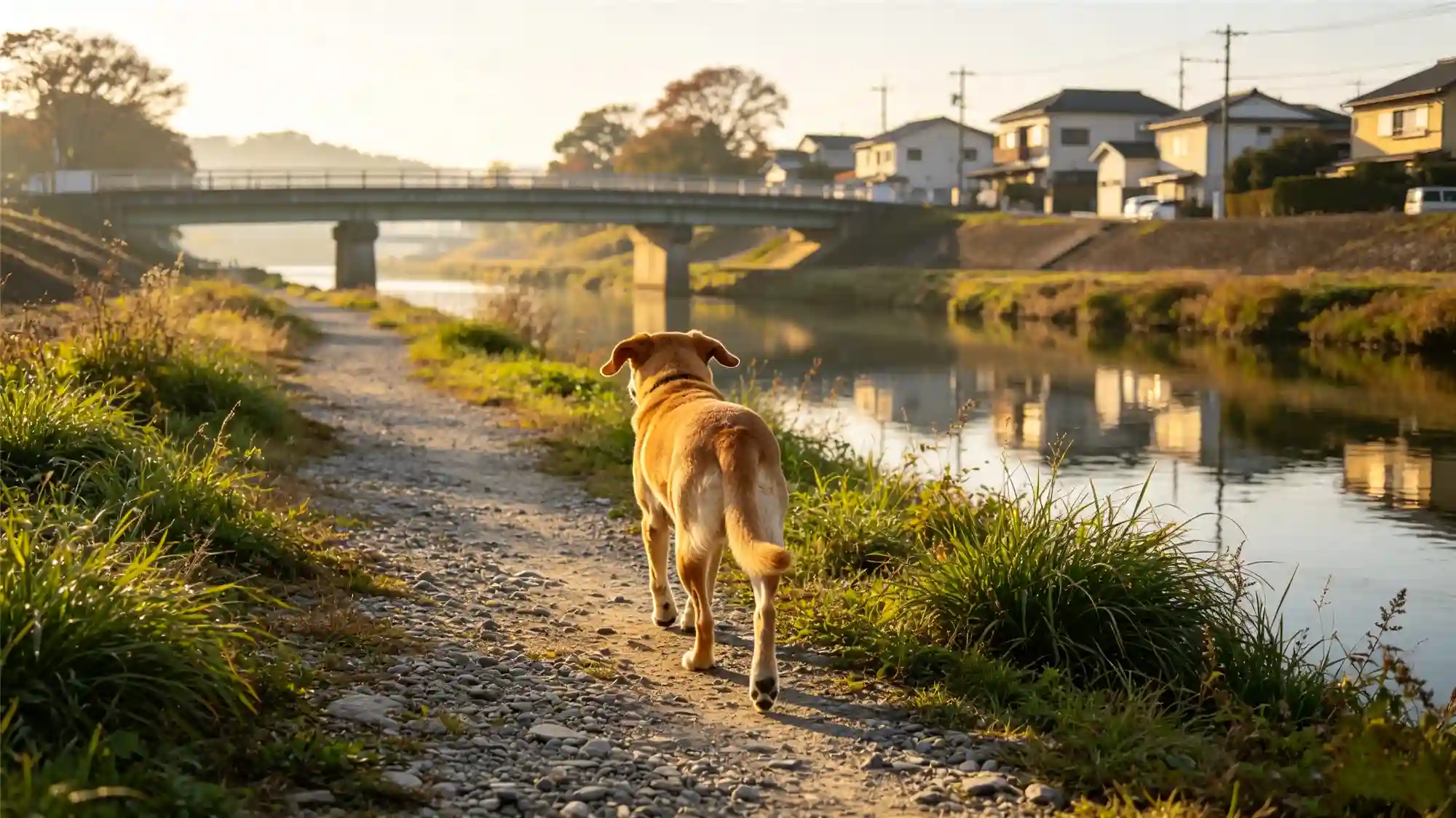
However, this system has vulnerabilities. Heavy rain, strong winds, or urban environments with overwhelming chemical smells can erase scent trails. Additionally, younger dogs or those in unfamiliar territories may lack the mental maps needed for successful navigation.
The Limitations: When Memory and Scent Aren’t Enough
While stories of dogs traveling 50+ miles to return home make headlines, they’re statistical anomalies. The heartbreaking reality is that one in three pets will become lost during their lifetime, and many never find their way back despite their incredible senses.
Several factors can disable a dog’s natural navigation:
- Panic response: Fear triggers a “flight” mode that overrides logical scent-tracking
- Injury or illness: Physical trauma impairs their ability to track
- Scent contamination: Urban pollution, heavy traffic, or weather events destroy scent trails
- Distance thresholds: Beyond a certain radius (typically 1-3 miles for most dogs), familiar scents dissipate

This is where relying solely on nature’s GPS becomes a gamble no pet parent should take.
Modern Safety Solutions: Technology Meets Instinct
While we can’t (and shouldn’t) suppress a dog’s natural homing instincts, we can augment them with smart pet technology. Modern GPS pet trackers serve as a critical backup when biological navigation fails.
Key features to look for in a pet safety device include:
- Real-time GPS tracking: Pinpoint location accuracy within 10 feet
- Geofencing alerts: Instant notifications when your dog leaves designated safe zones
- Activity monitoring: Detects unusual movement patterns that might indicate distress
- Long battery life: Essential for multi-day search scenarios
Think of it as insurance for their instincts. When the scent trail goes cold or memory fails, technology bridges the gap.
Training Tips to Enhance Your Dog’s Homing Ability
Beyond technology, you can strengthen your dog’s natural navigation skills:
- Scent games: Hide treats around your home and yard to reinforce “home base” smells
- Recall training: A strong “come” command overrides the urge to chase
- Neighborhood familiarity: Vary walking routes to expand their mental map
- ID tags and microchips: The ultimate backup when navigation and technology both fail
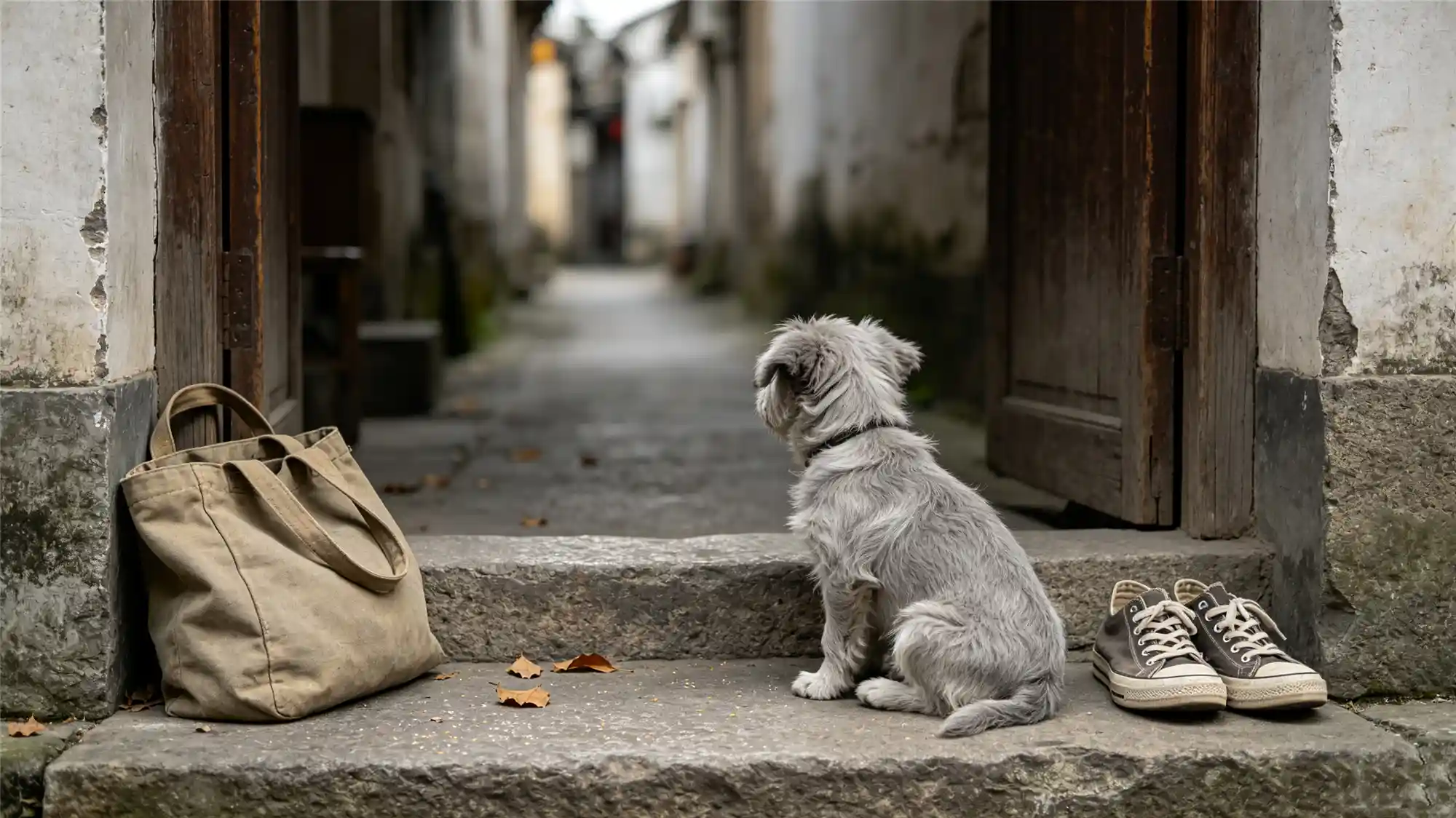
Conclusion: Respecting Nature, Embracing Safety
The ability of dogs to find their way home using scent and memory is nothing short of miraculous—a testament to thousands of years of evolution. However, responsible pet ownership means recognizing that even the most sophisticated biological systems have limits.
By understanding how your dog’s nose and brain work together to create a map of their world, you can better appreciate their capabilities while taking smart precautions. Combine their natural gifts with modern GPS technology, and you ensure that every adventure has a happy ending—safely back on your doorstep.
Don’t leave your dog’s safety to chance alone. Invest in a reliable GPS tracker today, and give your best friend the backup they need when their nose can’t lead the way home.