 Free shipping on orders over $75 across the U.S., with different free shipping promotions available in parts of
 Europe,
 South America,
 Australia.For all other countries, please contact us before placing your order, and we'll be happy to fast-track a shipping solution for you.
Dog Shedding 101: Mastering Seasonal Coat Care & Pro Grooming Strategies
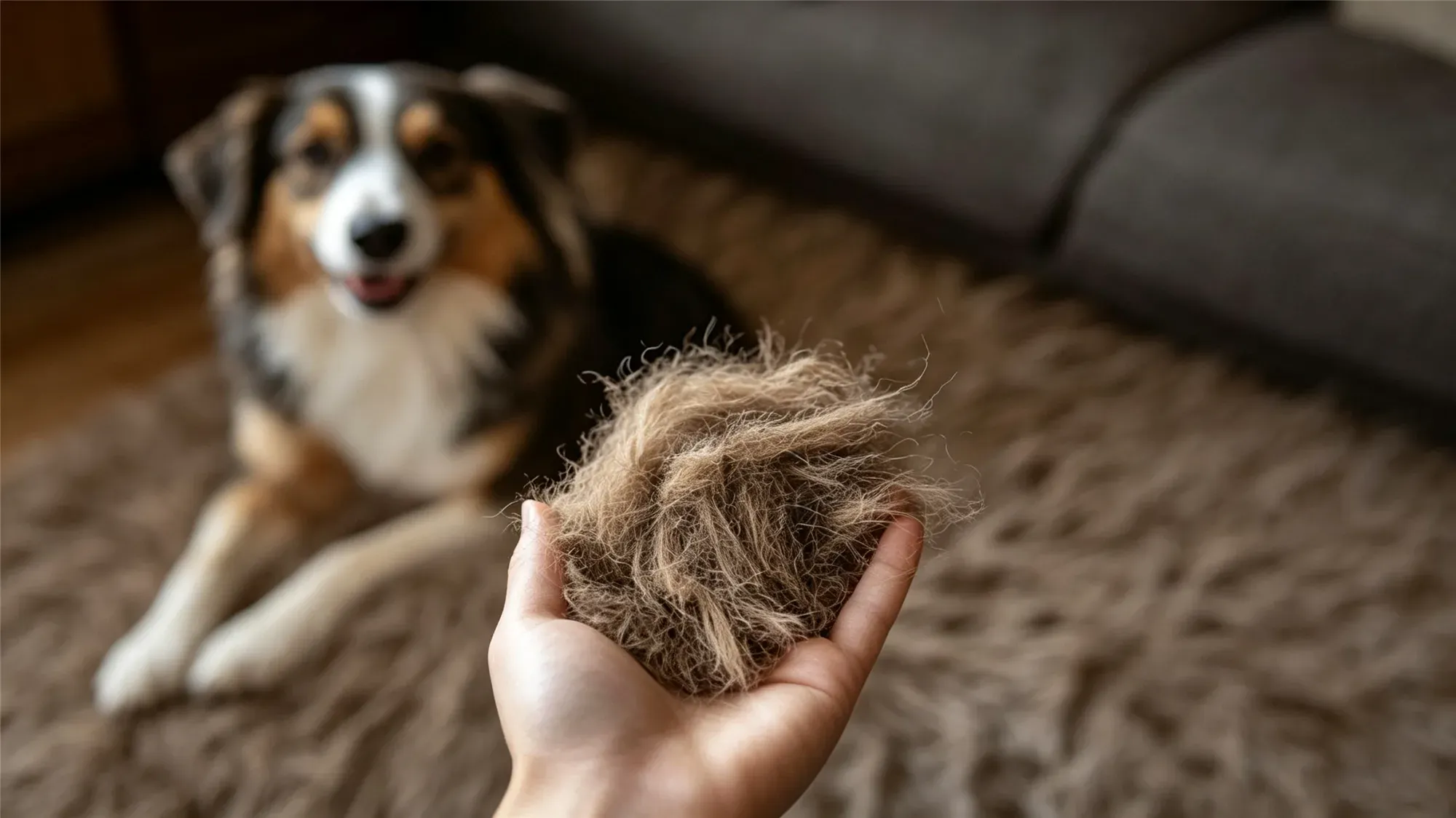
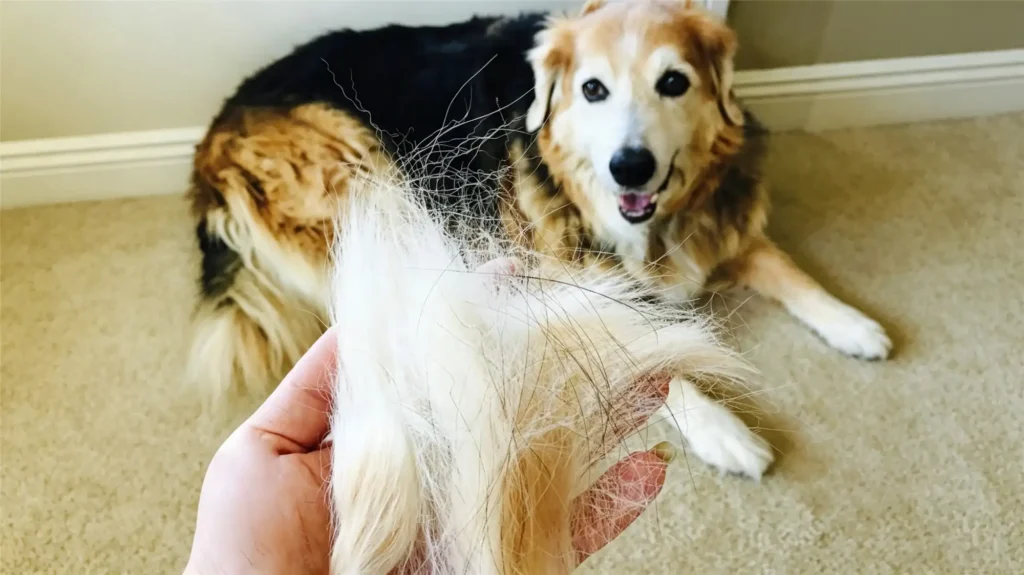
Tired of finding dog hair on every surface? You’re not alone. Shedding is one of the most common frustrations for pet owners, yet it remains widely misunderstood. While you can’t stop your dog from shedding entirely, understanding the dog shedding patterns and implementing the right dog hair care routine can reduce loose fur by up to 90%.
In this guide, we’ll break down the science behind seasonal coat changes, identify when shedding signals a health issue, and reveal the professional grooming techniques that actually work.
Why Do Dogs Shed? Understanding the Biology
Shedding is a completely natural process that allows dogs to maintain healthy skin and regulate body temperature. Dogs lose old or damaged hair through a continuous growth cycle that includes:
- Anagen (Growth Phase): New hair actively grows from the follicle
- Catagen (Transitional Phase): Growth slows and the hair shaft matures
- Telogen (Resting Phase): Old hair prepares to fall out as new growth begins
The duration of each phase varies dramatically by breed. Poodles and Maltese have longer anagen phases (continuous growth, minimal shedding), while Huskies and Labradors cycle rapidly, creating those infamous “fur tumbleweeds” in your home.
Seasonal Shedding Patterns: What to Expect Year-Round
Most double-coated breeds experience blow coat events twice yearly—typically in spring and fall. This isn’t random; it’s an evolutionary response to changing daylight hours (photoperiod), not temperature.
- Spring Shedding (March-May): Dogs lose their dense winter undercoat to prepare for warmer months
- Fall Shedding (September-November): The summer coat sheds to make way for thick winter protection
- Year-Round Shedding: Indoor dogs under artificial lighting may shed moderately throughout all seasons
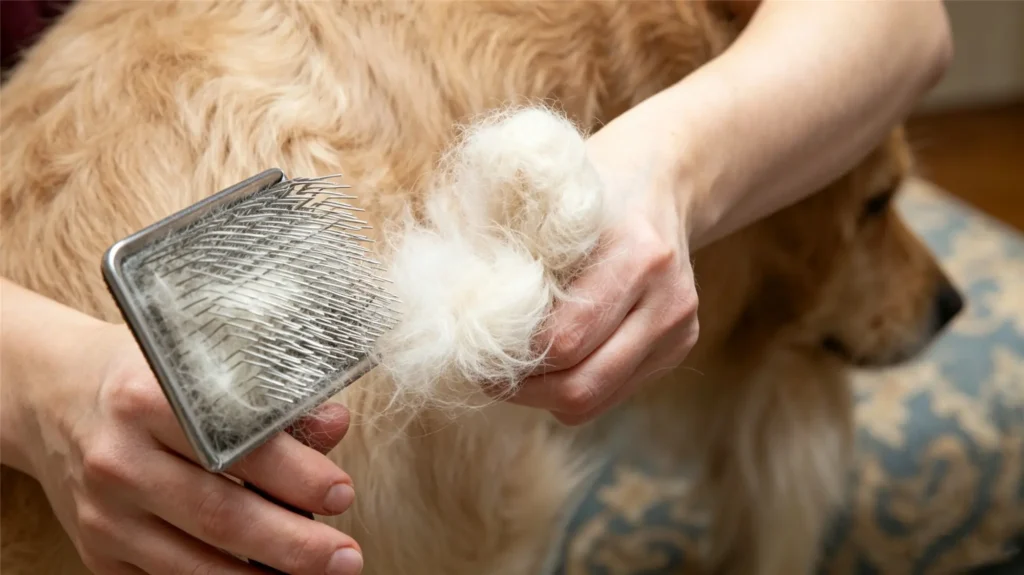
During peak shedding seasons, you might remove enough fur to fill a trash bag weekly from a large breed like a German Shepherd or Golden Retriever. This is normal, but requires aggressive management to prevent matting and skin issues.
Normal vs. Excessive Shedding: Red Flags to Watch
While finding clumps of hair is typical during coat blow, certain patterns indicate underlying health problems requiring veterinary attention:
- Patchy hair loss with visible skin irritation or redness
- Symmetrical thinning on both sides of the body
- Dull, brittle hair that breaks easily
- Shedding accompanied by scratching, licking, or odor
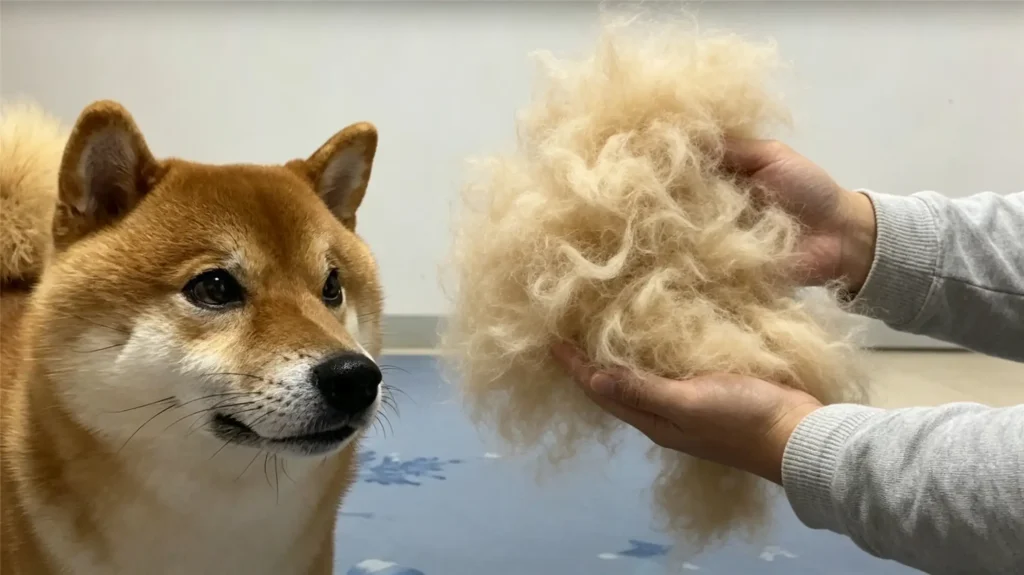
If your dog’s shedding seems sudden or excessive for their breed standard, schedule a vet check. Parasites, thyroid disorders, allergies, and poor nutrition can all trigger abnormal hair loss that won’t resolve with grooming alone.
Professional Dog Hair Care Strategies That Work
Consistency beats intensity. A 10-minute daily brushing session prevents the hair from ever hitting your floor, while monthly marathon grooming sessions often lead to coat damage and stressed pets.
The Right Brushing Technique
Always brush before bathing—water tightens mats and makes them impossible to remove without shaving. Use this layered approach:
- Step 1: Use a slicker brush or undercoat rake to reach the dense bottom layer
- Step 2: Work in sections, brushing against the grain to loosen dead hair, then with the grain to smooth
- Step 3: Finish with a bristle brush to distribute natural oils and remove surface debris
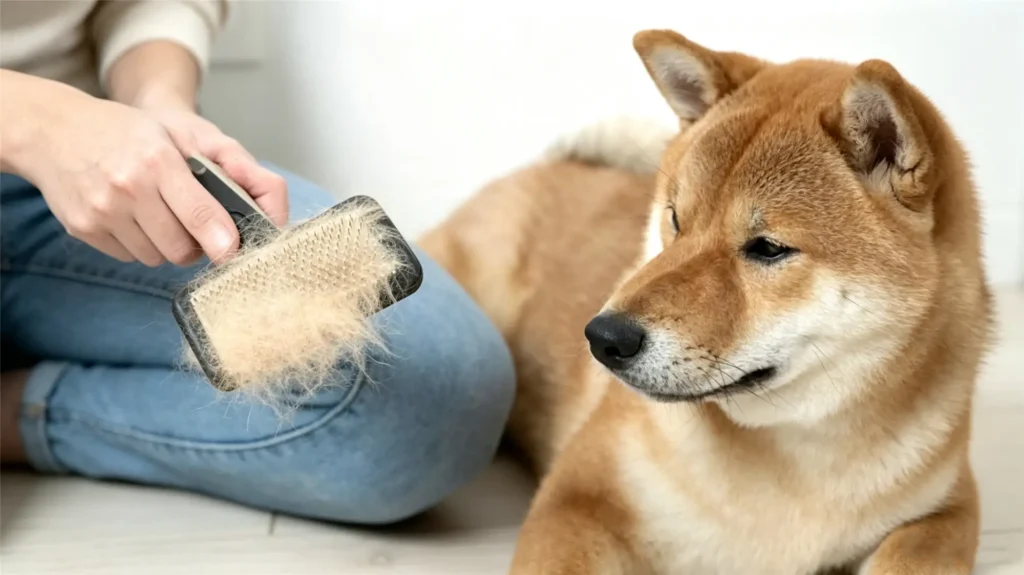
For heavy shedders, invest in a deshedding tool with a stainless steel edge designed to reach through topcoat and grab loose undercoat without cutting live hair.
Bathing for Coat Health
Over-bathing strips essential oils and triggers increased oil production—ironically causing more shedding. Follow these guidelines:
- Bathe double-coated breeds only every 6-8 weeks unless dirty
- Use oatmeal or omega-3 enriched shampoos to strengthen hair shafts
- Always blow-dry thoroughly; damp undercoat breeds bacteria and hot spots
Nutrition: The Internal Solution
What goes into your dog directly affects what falls off them. Deficiencies in omega-3 fatty acids, zinc, and high-quality protein manifest as excessive shedding and dull coats. Consider adding:
- Fish oil supplements (EPA/DHA)
- Eggs (excellent biotin source)
- Grain-free diets for dogs with food sensitivities causing skin inflammation
Essential Grooming Tools for Every Coat Type
Not all brushes are created equal. Using the wrong tool is ineffective and potentially painful for your dog:
- Deshedding Tools (Furminator-style): Best for thick undercoats during seasonal blows
- Slicker Brushes: Ideal for removing tangles and loose surface hair
- Rubber Curry Combs: Perfect for short-haired breeds like Beagles or Boxers
- Undercoat Rakes: Essential for long-haired double-coated breeds like Collies and Huskies
Replace tools when pins become bent or dull—damaged equipment scratches skin and breaks healthy hair.
Managing Shedding in Your Home
Even with perfect grooming, some hair will escape. Protect your living space with these tactics:
- Air Purifiers: HEPA filters capture airborne dander and loose hair
- Washable Covers: Use machine-washable throws on furniture where your dog lounges
- Hard Surface Cleaning: Rubber brooms work better than vacuums on hard floors for attracting hair
- Lint Rollers: Keep them by the door for quick clothing touch-ups before leaving
Final Thoughts: Embrace the Process
Dog shedding isn’t a problem to solve—it’s a natural rhythm to manage. By understanding your dog’s specific coat type and seasonal patterns, you transform shedding from a constant crisis into a predictable maintenance routine.
Start with the right deshedding tools, establish a consistent brushing schedule, and support coat health from the inside out with quality nutrition. Your vacuum cleaner—and your allergies—will thank you.