 Free shipping on orders over $75 across the U.S., with different free shipping promotions available in parts of
 Europe,
 South America,
 Australia.For all other countries, please contact us before placing your order, and we'll be happy to fast-track a shipping solution for you.
Cat in Heat? Vet-Approved Tips & Proven Methods to Calm Your Feline Fast
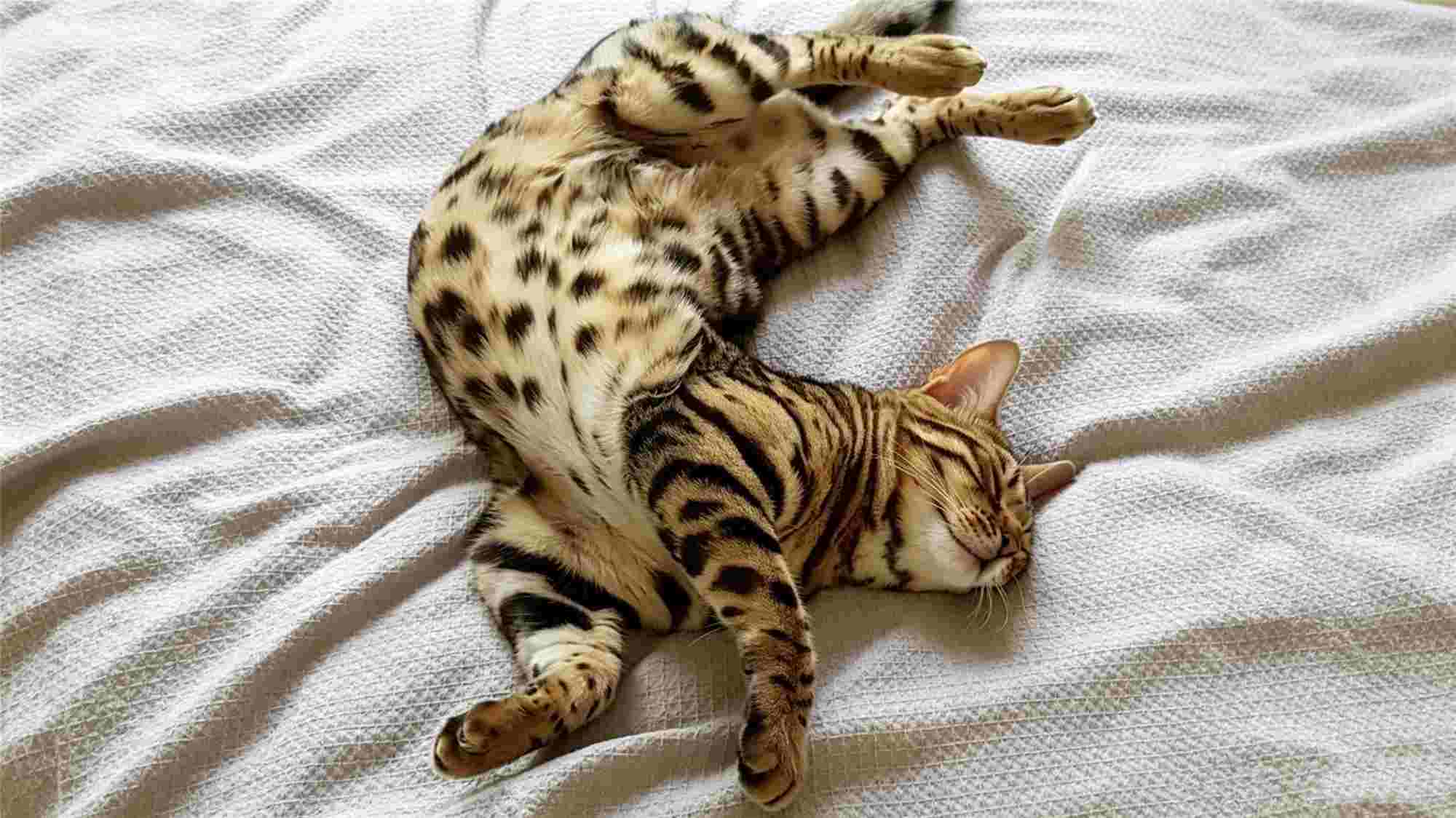
Is your normally quiet kitty suddenly yowling at 3 AM? If your unspayed female cat is pacing, demanding attention, or assuming the “mating position” with her tail to the side, she’s likely in estrus—commonly known as heat. While this is a natural biological process, watching your pet uncomfortable (and keeping you awake) is stressful for any cat parent.
Fortunately, you don’t have to endure weeks of sleepless nights. This guide covers immediate, safe cat in heat solutions to soothe your feline today, plus long-term strategies to prevent future cycles.
Understanding the Feline Heat Cycle
Before diving into solutions, it helps to know what’s happening biologically. Female cats (queens) reach sexual maturity around six months of age, though it can vary by breed.
Unlike humans, cats are induced ovulators—they release eggs only during mating. This means heat cycles repeat every 2-3 weeks during breeding season (typically spring to fall), lasting 4-10 days each time.
Common Signs Your Cat Is in Heat
- Vocalization: Loud, persistent yowling or crying (often mistaken for pain)
- Affectionate behavior: Rubbing against furniture, walls, or you excessively
- Posture changes: Raising hindquarters, treading with back legs, tail deflected
- Restlessness: Pacing, attempting to escape outdoors, or decreased appetite
- Marking: Spraying urine to attract mates
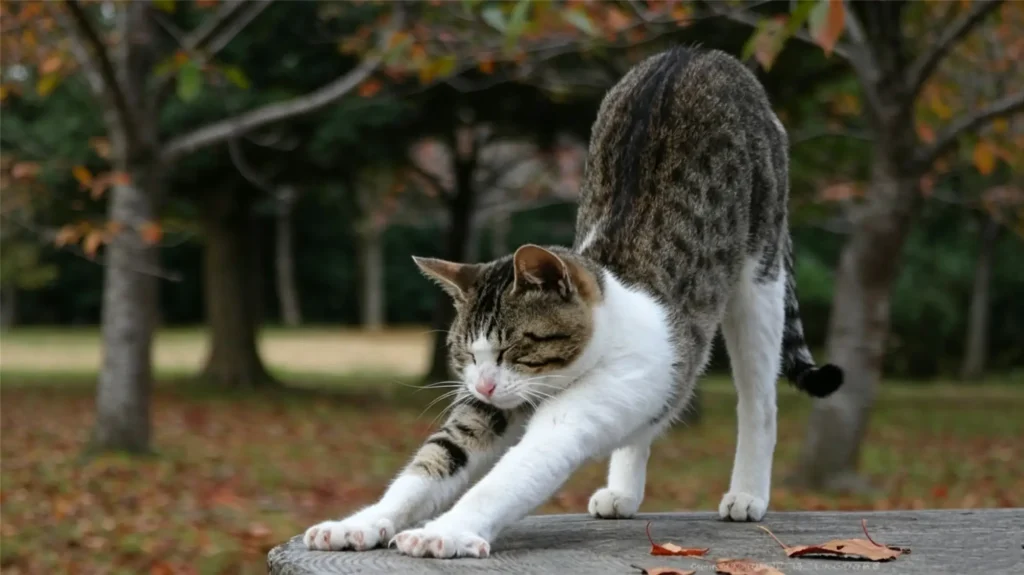
Immediate Relief: How to Help a Cat in Heat Right Now
When the yowling starts, you need actionable strategies that work within hours—not days. These methods focus on environmental management and behavioral redirection.
1. Increase Physical Activity
Exercise is your first line of defense. A tired cat is typically a quieter cat. Use interactive toys like feather wands or laser pointers to simulate hunting behavior. Aim for three 15-minute play sessions daily during peak heat periods.
Physical exertion helps burn off the anxious energy that drives restless pacing and escape attempts.
2. Create a “Safe Zone” Sanctuary
Heat cycles make cats feel vulnerable yet overstimulated. Provide a quiet, dimly lit room away from male cats (if you have any) and noisy household activity.
Include:
- Soft bedding (cats in heat often seek warmth)
- Familiar scents like unwashed clothing
- White noise machines to mask outdoor stimuli
3. Try the “Catnip Calm” Technique
While some cats become hyperactive with catnip, others experience a euphoric calm followed by deep relaxation. If your cat responds to catnip with sedation (usually 10-15 minutes after exposure), offer a catnip-filled toy or sprinkle dried herb on scratching posts.
Monitor closely—if she becomes more agitated, discontinue immediately.
4. Maintain a Calm Demeanor
Cats are emotional sponges. If you’re stressed about the noise, your cat senses this anxiety and becomes more frantic. Use gentle petting techniques:
- Stroke from head to tail base (mimicking mating pressure can temporarily satisfy instinct)
- Avoid belly rubs, which may overstimulate
- Speak in low, soothing tones
5. Environmental Enrichment Strategies
Boredom amplifies heat symptoms. Rotate toys every few days to maintain novelty. Consider:
- Puzzle feeders: Mental stimulation reduces fixation on mating urges
- Window perches: Visual stimulation (birds/squirrels) distracts from hormonal drives
- Scratching posts: Vertical scratching releases pheromones and tension
Products That Actually Work for Cat Heat Relief
While no product stops heat permanently (except spaying), several aids reduce severity:
Pheromone Diffusers
Synthetic feline facial pheromones (like Feliway) signal “safety” to your cat’s brain. Plug these into the wall 24-7 during breeding season. Studies show 70% of cats display reduced stress behaviors within one week.
Herbal Calming Supplements
Look for vet-approved ingredients like:
- L-theanine (green tea extract)
- Valerian root (mild sedative)
- Chamomile
Warning: Never use human medications or essential oils (tea tree, lavender) without veterinary guidance—they’re toxic to cats.
The Permanent Solution: Spaying (Ovariohysterectomy)
If you’re not planning to breed, spaying eliminates heat cycles entirely. This routine surgery removes the ovaries and uterus, stopping hormone fluctuations that drive the behavior.
Benefits Beyond Behavior
- Health protection: Eliminates risk of pyometra (deadly uterine infection) and reduces mammary cancer risk by 90% when done before the first heat
- Population control: Prevents accidental litters
- Cost-effective: Cheaper than raising kittens or treating reproductive diseases
Most vets recommend spaying at 4-6 months, before the first heat cycle begins. However, the procedure can be performed safely during heat (though it carries slightly higher surgical risks and costs).
What NOT to Do When Your Cat Is in Heat
Avoid these common mistakes that worsen the situation:
- Never use Q-tips or physical stimulation: This causes ovulation but increases infection risk and doesn’t stop the cycle
- Don’t let her outside: She’ll attract every tomcat in the neighborhood and risk pregnancy or disease
- Avoid punishment: Yelling or spraying water increases stress; the behavior is instinctual, not disobedient
- Skip “home remedies” like aspirin: Cats metabolize drugs differently—acetaminophen is fatal
When to Call Your Veterinarian
While heat is normal, certain symptoms warrant immediate medical attention:
- Bloody vaginal discharge (indicates pyometra or infection, not normal heat)
- Excessive lethargy or vomiting
- Heat cycle lasting longer than 3 weeks (possible ovarian cysts)
- Signs of pain when touched
If behavioral interventions fail and the yowling becomes unbearable, your vet may prescribe short-term anti-anxiety medications or schedule an expedited spay procedure.
Final Thoughts: Surviving Breeding Season
Managing a cat in heat requires patience, but it’s temporary. By combining environmental management, interactive play, and pheromone therapy, you can reduce both your cat’s discomfort and your own sleep deprivation.
Remember: every heat cycle your cat experiences increases her long-term health risks. Schedule that spay appointment as soon as possible—not just for your sanity, but for her quality of life. Your future self (and your quiet nights) will thank you.