 Free shipping on orders over $75 across the U.S., with different free shipping promotions available in parts of
 Europe,
 South America,
 Australia.For all other countries, please contact us before placing your order, and we'll be happy to fast-track a shipping solution for you.
How professional pet organizations train dogs
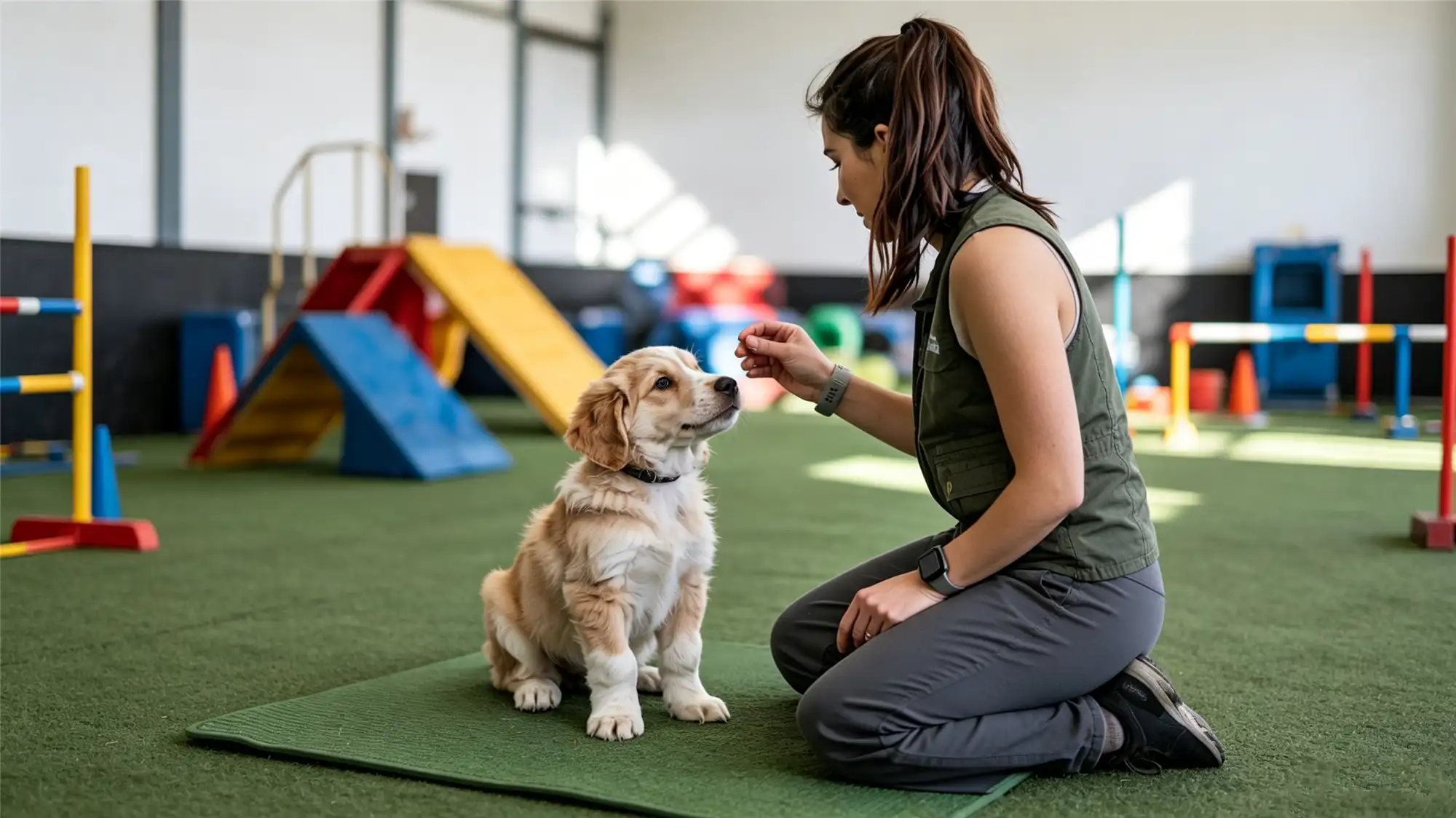
Are you tired of your dog ignoring commands, jumping on guests, or dragging you down the street during walks? You’re not alone. According to the American Kennel Club, over 78% of dog owners struggle with basic obedience within the first year of adoption.
The good news? Effective dog training isn’t about dominance or punishment—it’s about communication, consistency, and the right techniques. Whether you’re raising a new puppy or teaching an old dog new tricks, this guide covers evidence-based dog training methods that strengthen your bond while producing lasting results.
Why Positive Reinforcement Beats Punishment Every Time
Modern veterinary behaviorists agree: positive reinforcement is the gold standard in dog training. This method rewards desired behaviors immediately, making your dog more likely to repeat them.
Here’s how to implement it effectively: patterns of behavior are often linked to a dog’s physical needs; for instance, ensuring they get enough exercise is vital. For more on this, see our dog daily outdoor activity guide.
- Timing is everything: Deliver treats within 1-2 seconds of the correct behavior
- Use high-value rewards: Small pieces of chicken or cheese work better than kibble
- Phase out treats gradually: Replace food with praise and petting as skills solidify
- Keep sessions short: 5-10 minutes prevents mental fatigue in puppies
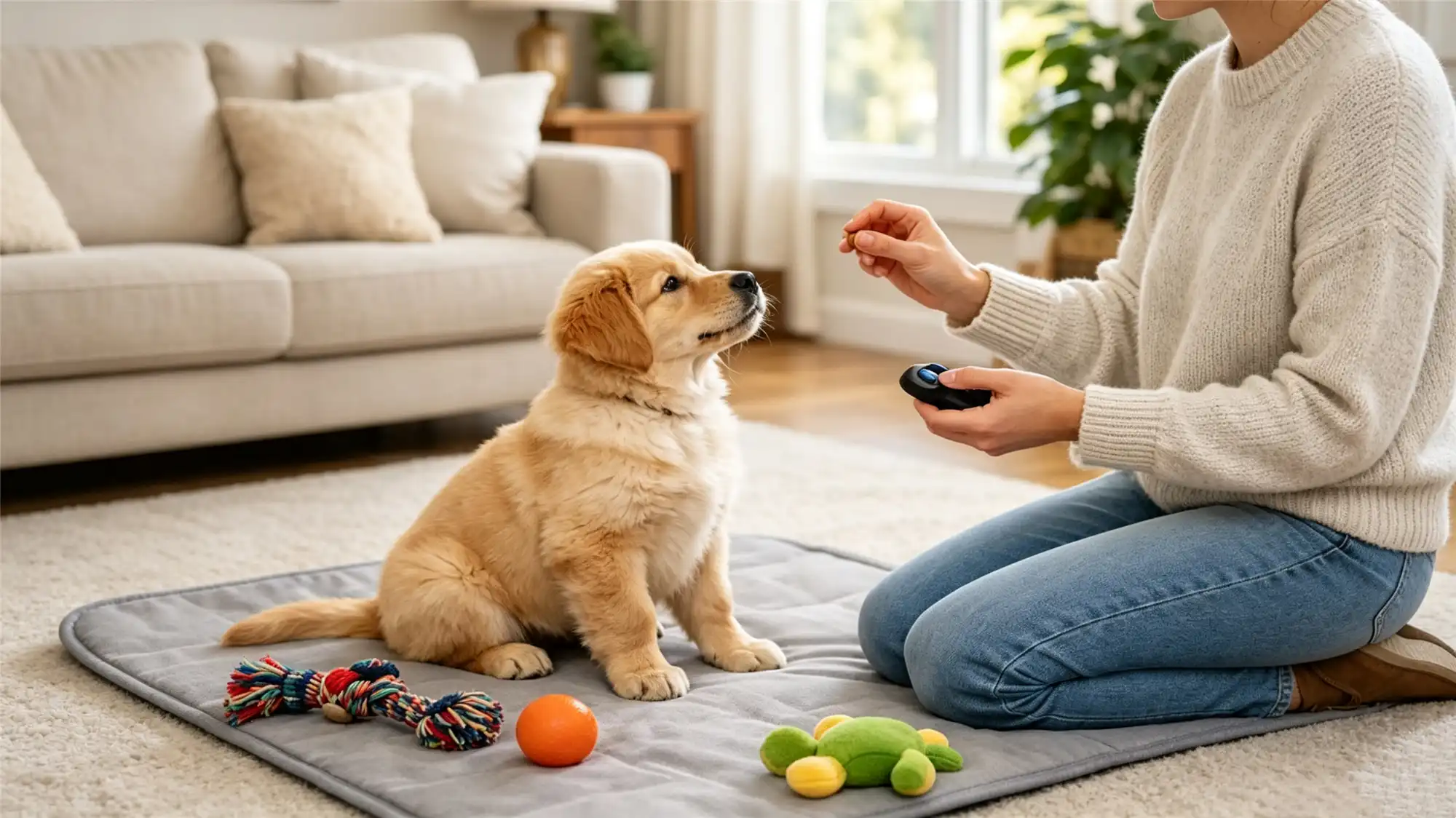
When your dog sits, stays, or comes when called, mark the behavior with a clicker or verbal “Yes!” followed immediately by the reward. This creates a clear association between the action and the payoff.
Mastering Agility Training for Physical and Mental Stimulation
Agility training isn’t just for competition dogs—it’s one of the best ways to burn energy and build confidence in high-drive breeds. Start with low obstacles and focus on teaching your dog to navigate jumps, tunnels, and weave poles safely.
Beginner Agility Equipment Setup:
- Adjustable bar jumps (start at ankle height)
- Collapsible tunnels for confidence building
- Traffic cones for weave pole training
- A-frame ramps (once basic jumping is mastered)
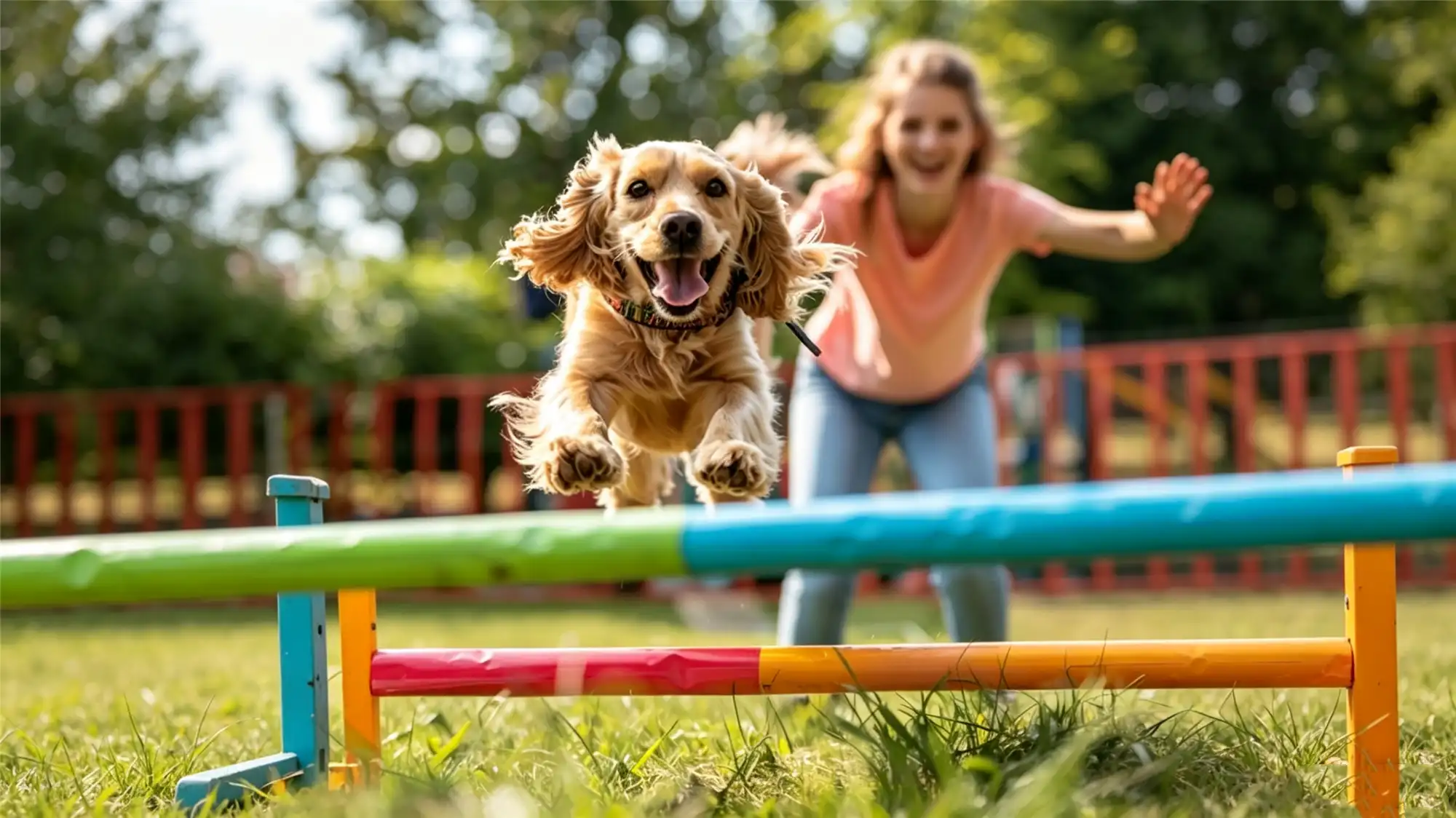
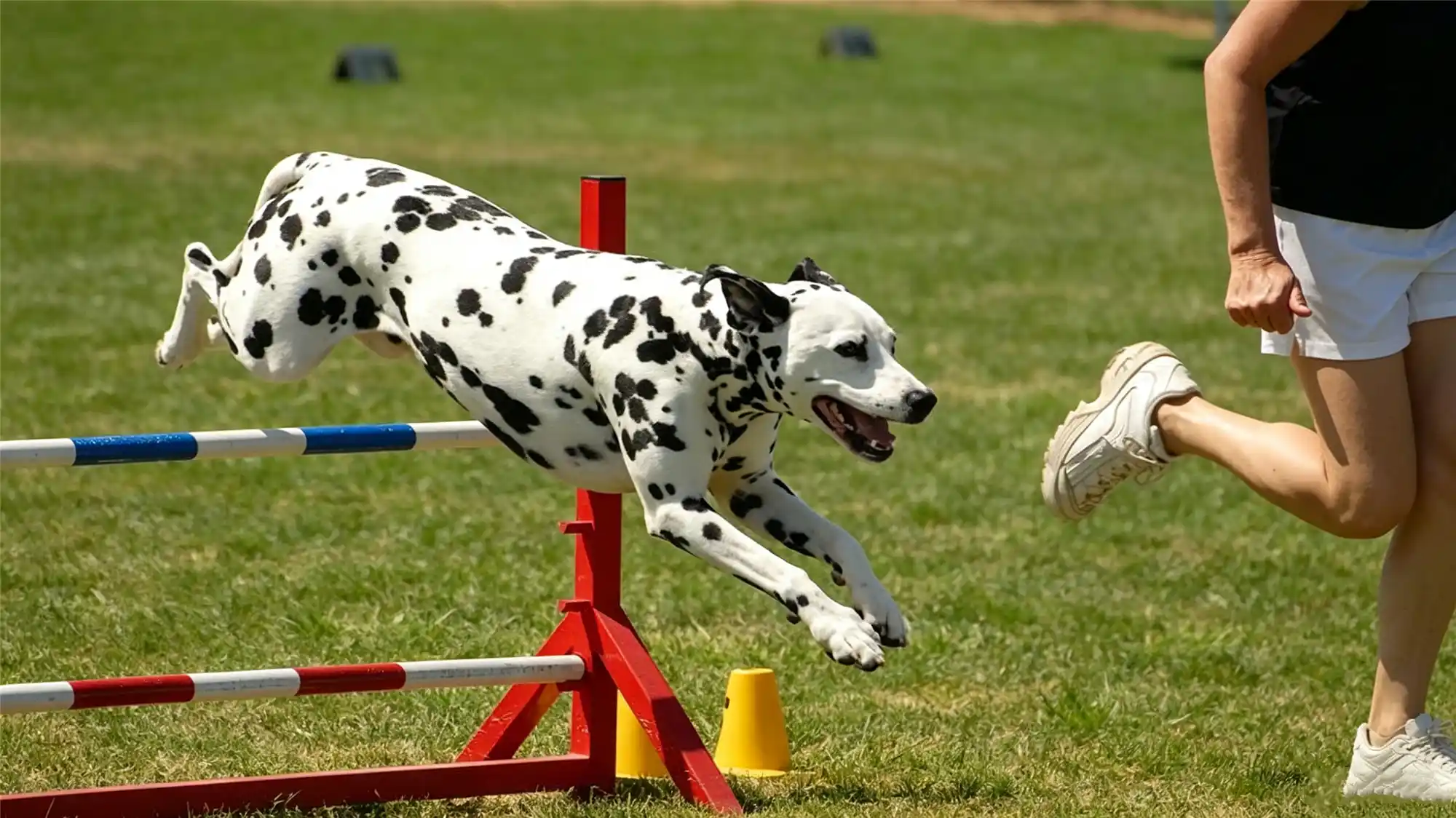
Always warm up your dog with light walking before agility work to prevent muscle strains. For athletic breeds like Dalmatians, agility provides the intense exercise they crave while reinforcing off-leash reliability.
The Critical Window: Puppy Socialization Strategies
The period between 3-14 weeks is your puppy’s socialization golden hour. During this time, positive exposure to different people, dogs, sounds, and environments prevents fear-based aggression later in life.
Socialization Checklist:
- Meet 100 different people (various ages, ethnicities, wearing hats/sunglasses)
- Walk on 12 different surfaces (grass, concrete, metal grates, stairs)
- Experience household sounds (vacuum, doorbell, thunder recordings)
- Positive interactions with vaccinated, calm adult dogs
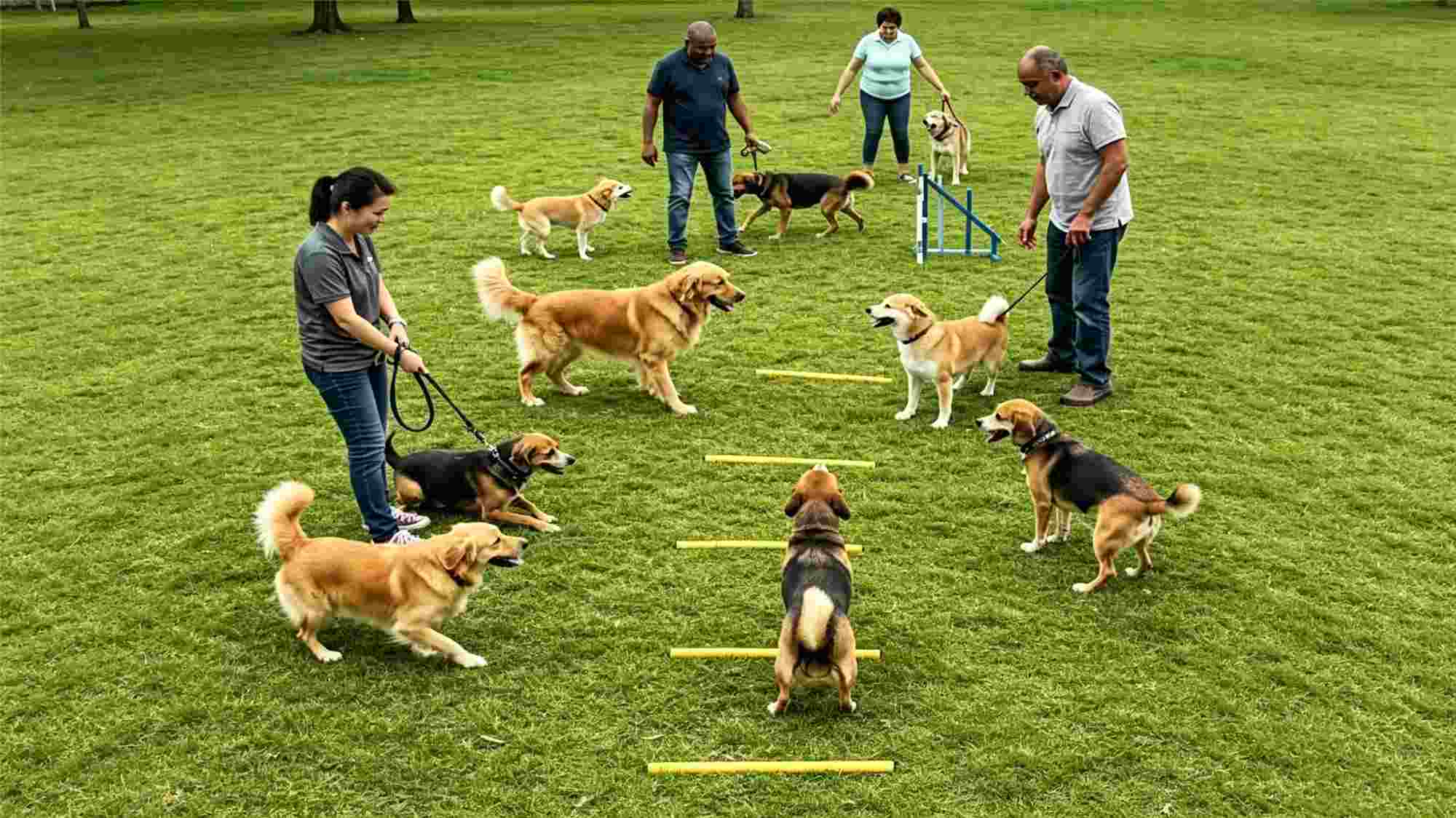
Group obedience classes offer structured socialization under professional supervision. Look for classes limited to 6-8 dogs with certified trainers who use force-free methods.
Game-Based Training: Making Learning Fun
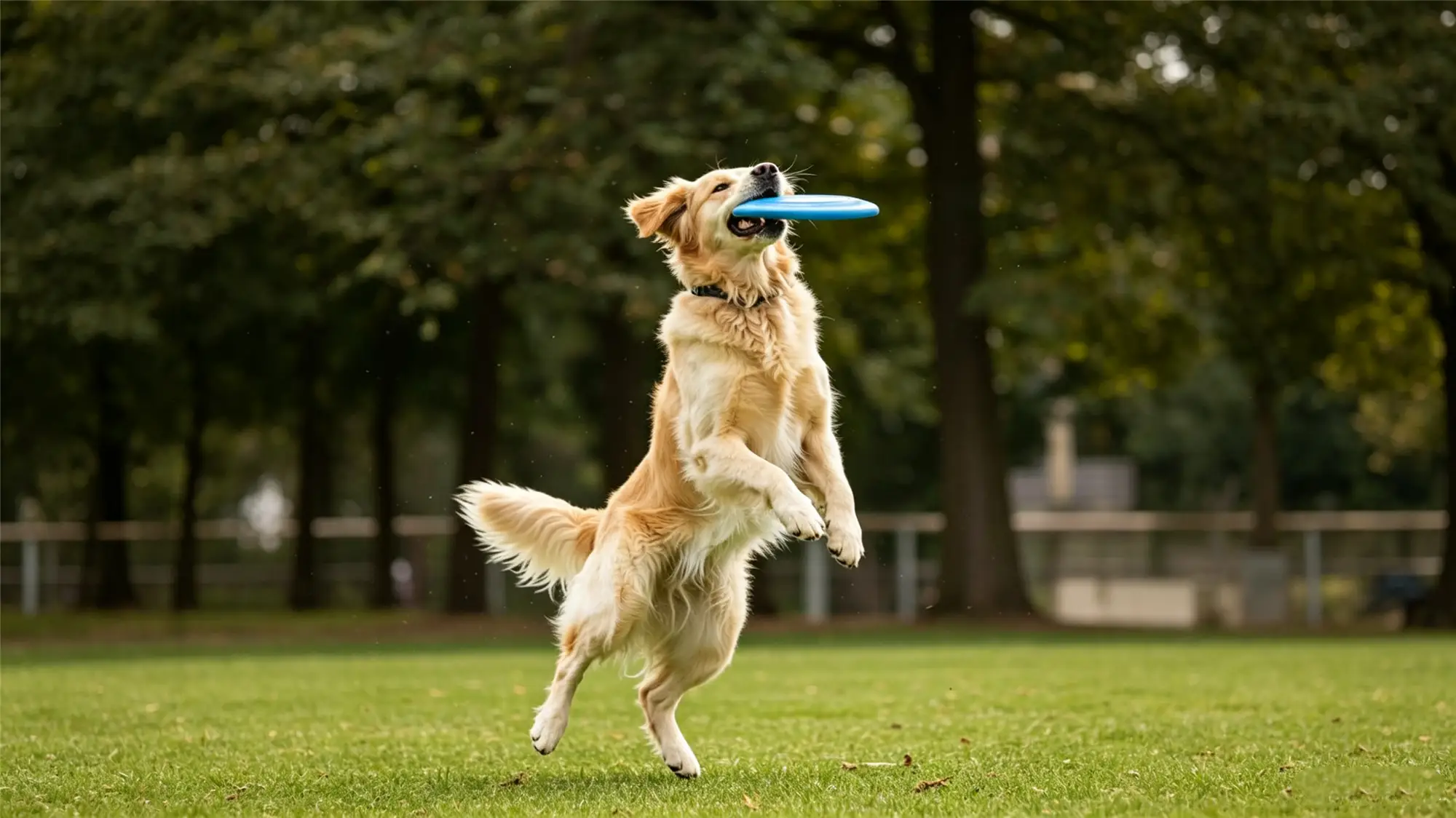
Dogs learn fastest when they don’t realize they’re training. Incorporating fetch, tug-of-war, and disc catching into your routine builds impulse control and recall skills naturally.
The “Two-Toy Recall” game teaches your dog that coming to you is more exciting than whatever they’re chasing:
- Start with two identical high-value toys
- Throw toy, let your dog chase it
- As they pick it up, show excitement for toy
- When they drop toy and return, throw toy as the reward
Home Training Essentials: Creating the Perfect Environment
Successful training happens 24/7, not just during formal sessions. Set your dog up for success by managing their environment and using modern training aids responsibly.
Indoor Training Setup:
- Designate a specific training mat or area to minimize distractions
- Use treat pouches for hands-free reward delivery
- Implement remote training tools for distance commands (always paired with positive reinforcement)
- Maintain consistent hand signals alongside verbal cues
Never train when you’re frustrated. Dogs read body language perfectly, and tension in your shoulders or voice will shut down their willingness to learn. End every session on a positive note, even if that means reverting to a simple “sit” command you know they can perform.
Avoid These Common Dog Training Mistakes
Even well-meaning owners sabotage their progress with these errors:
- Inconsistent cues: Saying “down” today and “lie down” tomorrow confuses your dog
- Repeating commands: Saying “sit, sit, SIT!” teaches your dog to ignore the first two requests
- Training too long: Marathon sessions cause stress and diminished returns
- Using punishment for fear: Correcting a fearful dog reinforces their anxiety
- Neglecting proofing: Failing to practice commands in distracting environments
When to Seek Professional Help
While most training issues are DIY-friendly, certain behaviors require certified professional intervention:
- Severe resource guarding (growling over food/toys)
- Human-directed aggression
- Separation anxiety causing property destruction
- Obsessive compulsive behaviors (tail chasing, shadow fixation)
Look for CPDT-KA (Certified Professional Dog Trainer) or IAABC (International Association of Animal Behavior Consultants) credentials when hiring help.
Your Training Journey Starts Today
Remember: every interaction is a training opportunity. The dog pulling on leash to greet neighbors is practicing pulling. The puppy who gets attention for jumping is learning that jumping works.
Start with one 5-minute session today using positive reinforcement. Celebrate small wins. Within weeks, you’ll see a transformation—not just in your dog’s behavior, but in the depth of your relationship.
Have questions about specific training challenges? Drop them in the comments below, and remember: patience and consistency always trump perfection.