 Free shipping on orders over $75 across the U.S., with different free shipping promotions available in parts of
 Europe,
 South America,
 Australia.For all other countries, please contact us before placing your order, and we'll be happy to fast-track a shipping solution for you.
Green Iguana Care Guide: The Complete Handbook for First-Time Owners
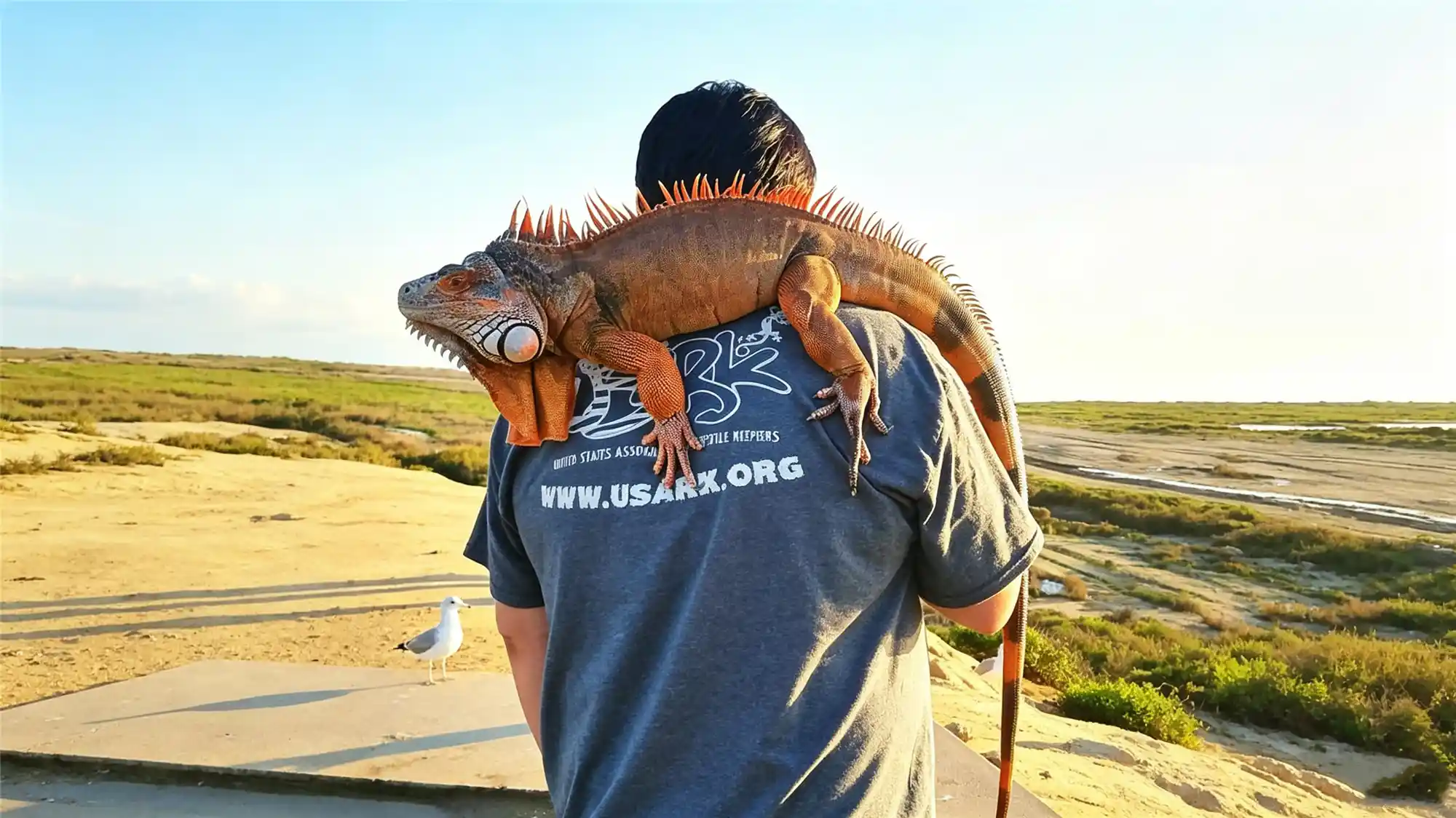
Thinking about adding a prehistoric-looking companion to your family? The Green Iguana (Iguana iguana) is undoubtedly one of the most captivating reptiles in the pet trade. With their dinosaur-like appearance, impressive dorsal crests, and surprisingly intelligent eyes, these arboreal lizards have captured the hearts of reptile enthusiasts worldwide.
But here is the reality check: that adorable 12-inch baby iguana at your local pet store will grow into a 6-foot arboreal giant that requires specialized care, significant space, and a 20-year commitment. Through years of working with reptile rescue organizations and exotic veterinarians, I have seen too many iguanas surrendered simply because owners were unprepared for their adult size and complex needs.
This comprehensive guide covers everything from habitat setup to dietary requirements, helping you decide if you are truly ready for green iguana ownership.
Understanding the Green Iguana: Size, Lifespan, and Behavior
Before bringing home a baby iguana, you must understand exactly what you are committing to. These are not “starter” reptiles.
How Big Do Green Iguanas Get?
Green iguanas are among the largest lizards available in the pet trade:
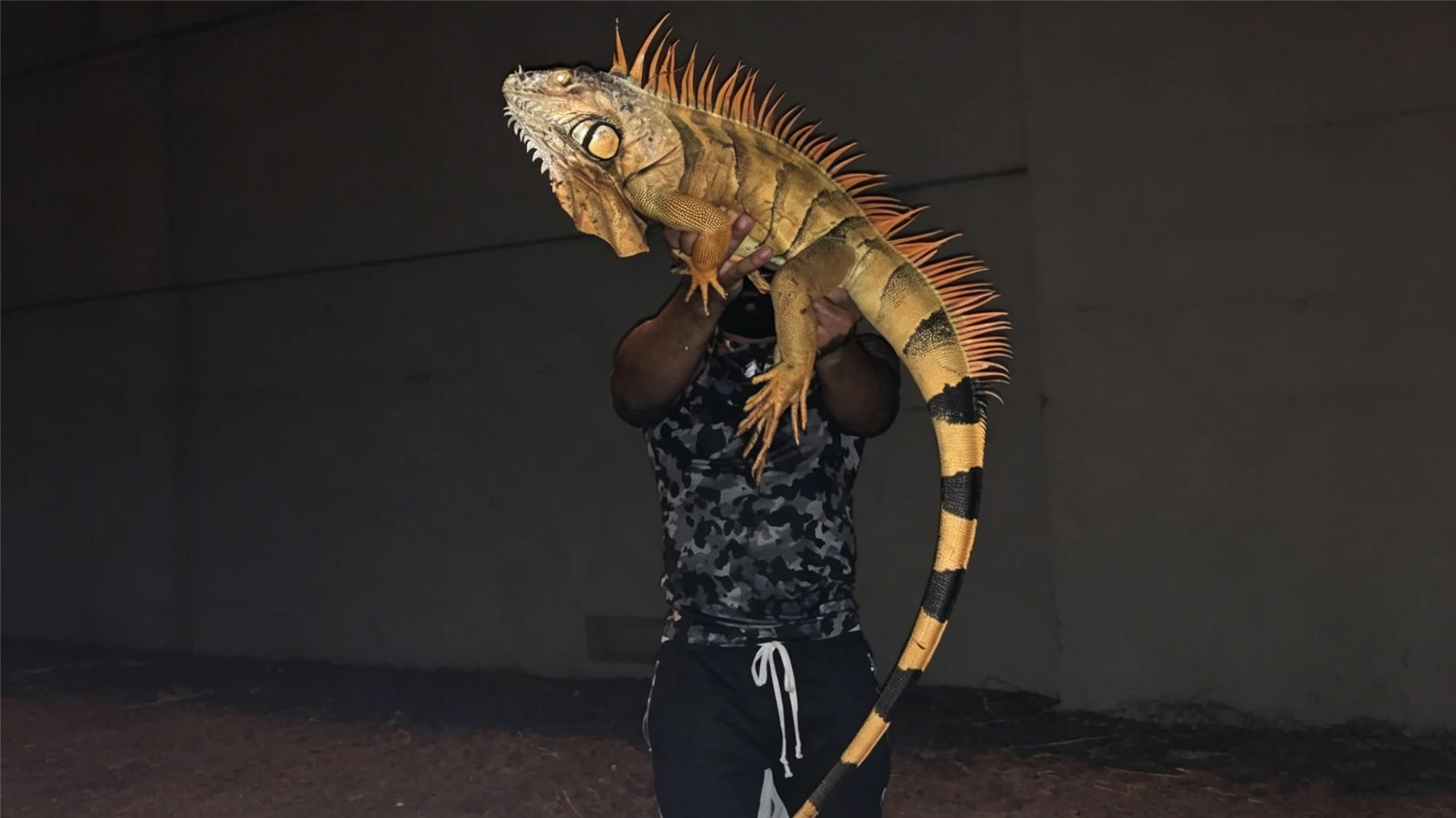
- Length: Adult males reach 6-7 feet (including tail), females typically 4-5 feet
- Weight: 10-15 pounds for males, 7-10 pounds for females
- Growth rate: They grow rapidly during the first 3 years, reaching nearly full size by age 4

That tiny hatchling you see at the pet store will outgrow multiple enclosures before reaching adulthood. Proper green iguana care begins with acknowledging their eventual massive size.
Color Variations and Morphs
While “green” is in the name, these iguanas display remarkable color diversity:
- Normal phase: Bright green to grayish-green with orange highlights during breeding season
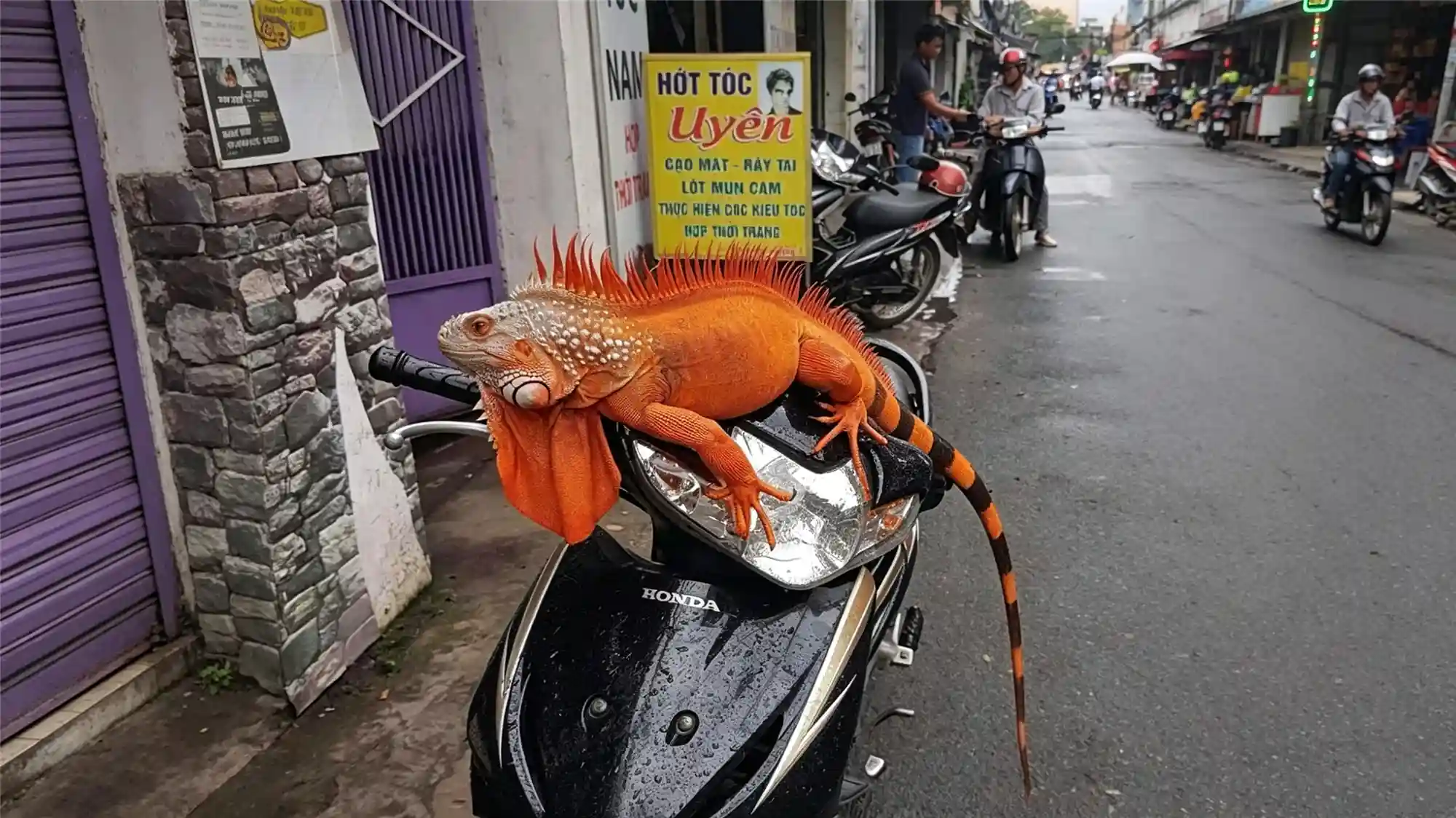
- Red/Orange morphs: Brilliant orange or red specimens (often called “red iguanas”)
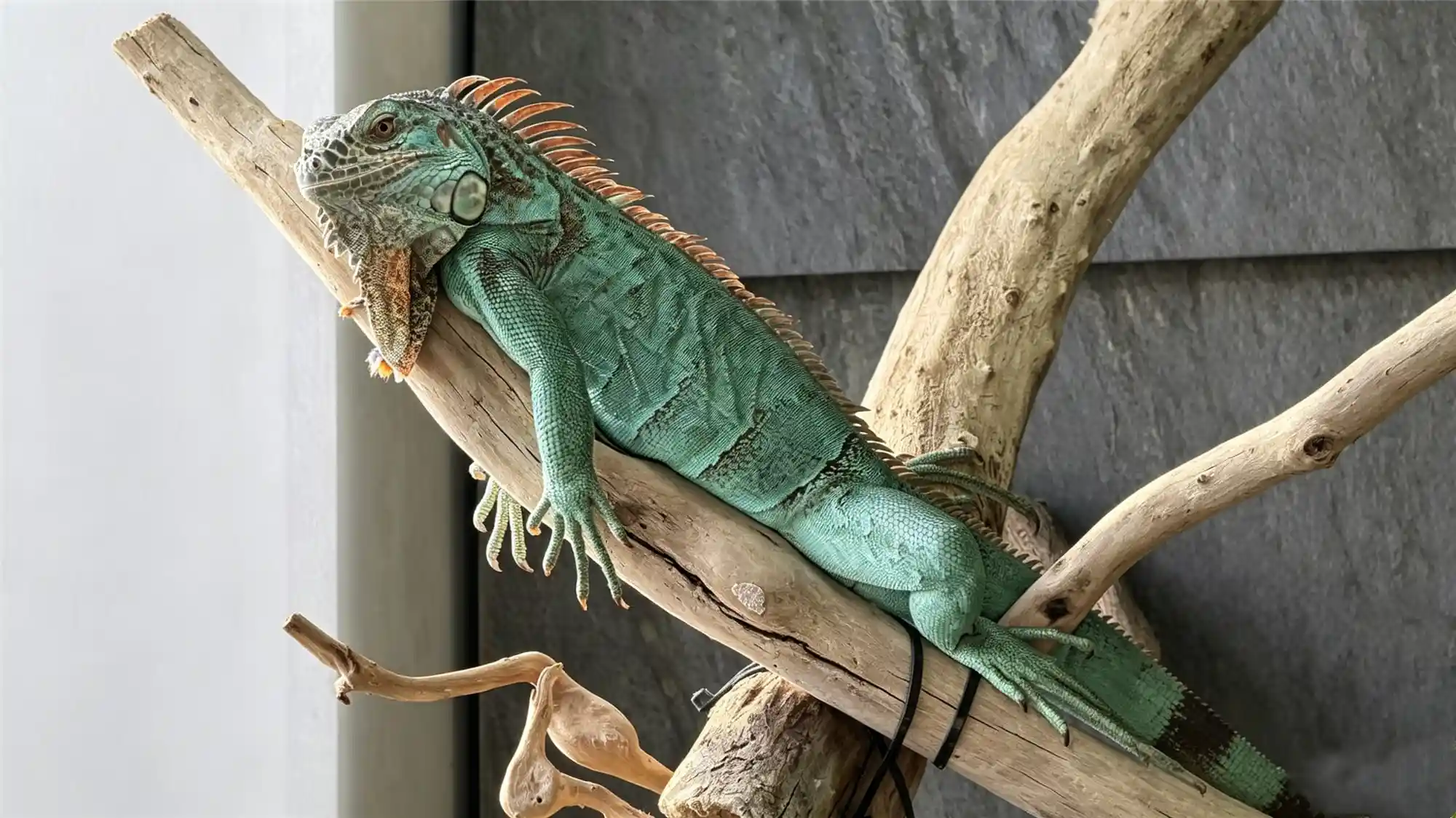
- Blue morphs: Steel blue to turquoise coloration, highly prized among collectors
- Albino: Creamy white with pink eyes (rare and expensive)
Lifespan Expectations
With proper green iguana care, these reptiles live 15-20 years in captivity, with some individuals reaching 25+ years. This is a decades-long commitment comparable to owning a parrot or tortoise.
Creating the Perfect Iguana Habitat
Wild green iguanas inhabit the rainforest canopies of Central and South America. Your enclosure must replicate this arboreal, tropical environment. For a detailed walkthrough on creating a professional-grade environment, check out our reptile terrarium setup 101 guide.
Enclosure Size Requirements
Minimum enclosure dimensions for an adult green iguana:
- Length: 6-8 feet (twice the length of the iguana)
- Height: 6-7 feet (they are arboreal and need vertical space)
- Width: 3-4 feet
Many owners convert entire closets, bedrooms, or build custom “iguana condos.” Glass aquariums are suitable only for babies under 18 inches—adults need custom-built wooden enclosures or dedicated reptile rooms.
Temperature and Heating
Maintaining proper thermal gradients is critical for green iguana health:
- Basking spot: 95-100°F (35-38°C)
- Ambient temperature: 80-85°F (27-29°C) during the day
- Nighttime drop: 70-75°F (21-24°C)
Use ceramic heat emitters or heat panels rather than hot rocks, which can cause severe burns.
UVB Lighting: Non-Negotiable
Green iguanas require high-output UVB lighting (10.0 or 12.0) for 10-12 hours daily to synthesize vitamin D3 and prevent metabolic bone disease (MBD). Replace bulbs every 6 months, even if they still emit visible light.
Humidity and Substrate
Target humidity levels between 65-75%. Use substrates like cypress mulch, coconut coir, or reptile bark. Avoid cedar or pine (toxic oils) and sand (impaction risk).
Green Iguana Diet: What to Feed Your Herbivore
Contrary to popular belief, iguanas are strict herbivores as adults. Feeding animal protein causes kidney damage and premature death.
The Ideal Diet Ratio
- 70% Dark leafy greens: Collard greens, mustard greens, dandelion greens, turnip greens
- 20% Vegetables: Squash, bell peppers, carrots, sweet potatoes, green beans
- 10% Fruit: Figs, papaya, mango, berries (treats only—high sugar)
Foods to Avoid
- Iceberg lettuce (no nutritional value)
- Spinach and beet greens (bind calcium)
- Avocado (toxic)
- Rhubarb leaves (toxic)
- Any insects, meat, or cat/dog food
Dust all food with calcium powder (without D3) 4-5 times weekly, and multivitamin supplements twice monthly.
Handling and Socialization
Green iguanas are not naturally cuddly pets. Building trust requires patience and consistent, gentle interaction.
Taming Your Iguana
Start with short 10-15 minute handling sessions daily:
- Approach from the side (predators come from above)
- Support the chest and hind legs fully
- Never grab by the tail (it can detach)
- Watch for stress signals: rapid breathing, tail whipping, dewlap extension
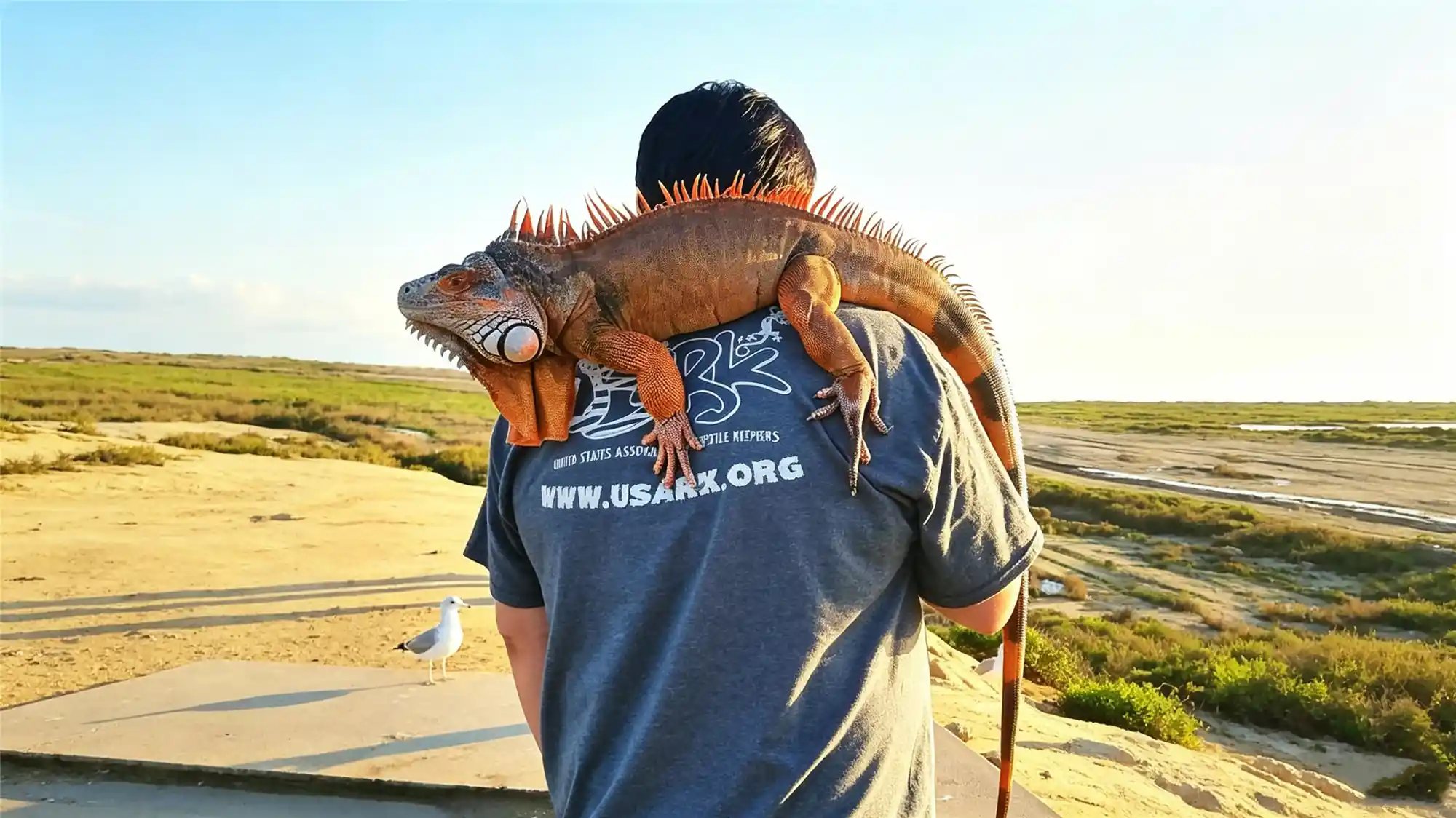
With daily interaction starting from a young age, many iguanas become “shoulder pets,” enjoying rides around the house or outdoor basking (supervised).
The Breeding Season Challenge
Adult male iguanas become extremely territorial during breeding season (typically fall/winter). Even tame males may suddenly become aggressive, head-bobbing, tail-whipping, or biting. This is hormonal and usually passes in 2-3 months, but requires caution.
Common Health Issues in Green Iguanas
Preventive care saves lives. Establish a relationship with an exotic veterinarian before emergencies occur.
Metabolic Bone Disease (MBD)
The #1 killer of pet iguanas. Caused by insufficient UVB lighting or calcium deficiency. Symptoms include:
- Soft, rubbery jawbones
- Bowed legs or spinal deformities
- Tremors or difficulty climbing
Prevention through proper lighting is easier than treatment.
Respiratory Infections
Caused by temperatures too low or humidity too high. Symptoms include wheezing, mucus bubbles at nostrils, and open-mouth breathing.
Parasites and Kidney Disease
Annual fecal exams detect parasites. Kidney disease often affects iguanas fed high-protein diets or kept in chronic dehydration.
Is a Green Iguana Right for You?
Let us be honest: green iguanas are demanding pets suited for dedicated enthusiasts, not casual hobbyists.
You Might Be Ready If:
- You have space for a 6-foot enclosure
- You can commit to 20 years of specialized care
- You enjoy building custom habitats
- You are prepared for potential scratches and tail whips during taming
- You have an exotic vet within driving distance
Consider Alternatives If:
- You want a pet you can cuddle immediately
- You live in an apartment with space constraints
- You travel frequently (iguanas need daily maintenance)
- You have small children (iguanas carry salmonella and can bite)
Legal Considerations
Green iguanas are invasive in Florida, Hawaii, and parts of Texas. Some states require permits; others have banned ownership entirely. Always check local laws before acquiring an iguana.
Final Thoughts
Green iguana care is not inexpensive or low-maintenance, but for the right owner, these intelligent reptiles offer a unique bond. Watching your iguana recognize your voice, bask confidently in its custom-built paradise, or navigate outdoor adventures makes the investment worthwhile.
Remember: adopt, do not shop. Many adult iguanas need rehoming through rescue organizations because previous owners underestimated their size and care requirements. These “second-hand” iguanas often make the best pets, bypassing the fragile baby stage and arriving with established personalities.
Are you ready to dedicate the next two decades to these magnificent arboreal dragons? If so, welcome to the rewarding world of green iguana ownership.