 Free shipping on orders over $75 across the U.S., with different free shipping promotions available in parts of
 Europe,
 South America,
 Australia.For all other countries, please contact us before placing your order, and we'll be happy to fast-track a shipping solution for you.
Pacman Frog Care Guide: Best Morphs & Setup for Beginners
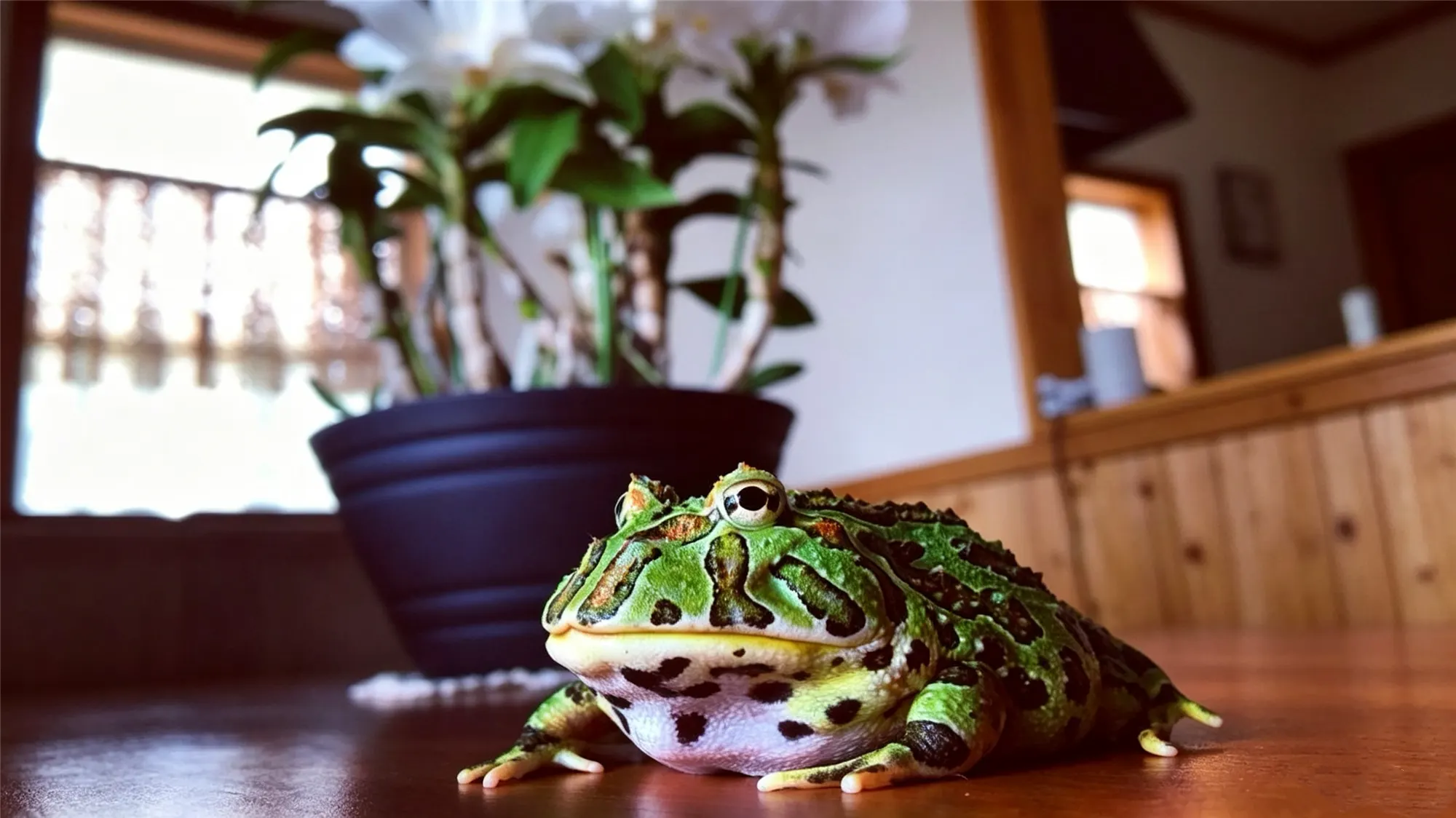
Looking for a low-maintenance exotic pet that doesn’t require daily handling or massive enclosures? The pacman frog (Ceratophrys cranwelli) might be your perfect match. Often called “horn frogs” due to the fleshy horns above their eyes, these amphibians have become the go-to choice for first-time frog owners—and for good reason.
Unlike tree frogs that need vertical climbing space or poison dart frogs requiring complex bioactive setups, pacman frogs are sedentary, ground-dwelling predators that spend most of their time buried in substrate, waiting for dinner. But before you bring home that chubby, mouth-heavy amphibian, you need to understand which morph suits beginners best and how to avoid common care mistakes that shorten their lifespan.
Why Pacman Frogs Are the Best Choice for Beginners
Most amphibian novices worry about two things: complicated habitat requirements and delicate handling protocols. Pacman frogs eliminate both concerns. Here is why they consistently rank as the best frog for beginners:
- Minimal space requirements: A 10-gallon tank suffices for one adult frog
- No climbing equipment needed: They are terrestrial ambush predators
- Feeding simplicity: They accept readily available feeders like crickets, roaches, and frozen-thawed rodents
- Docile temperament: While not “cuddly,” they rarely show defensive aggression toward humans
- Visual appeal: Their massive mouths and round bodies make them Instagram-worthy pets
Choosing the Best Pacman Frog Morph for Beginners
Not all pacman frogs look alike. Through selective breeding, several color morphs exist, but beginners should prioritize hardiness over rarity. Here are the top recommendations:
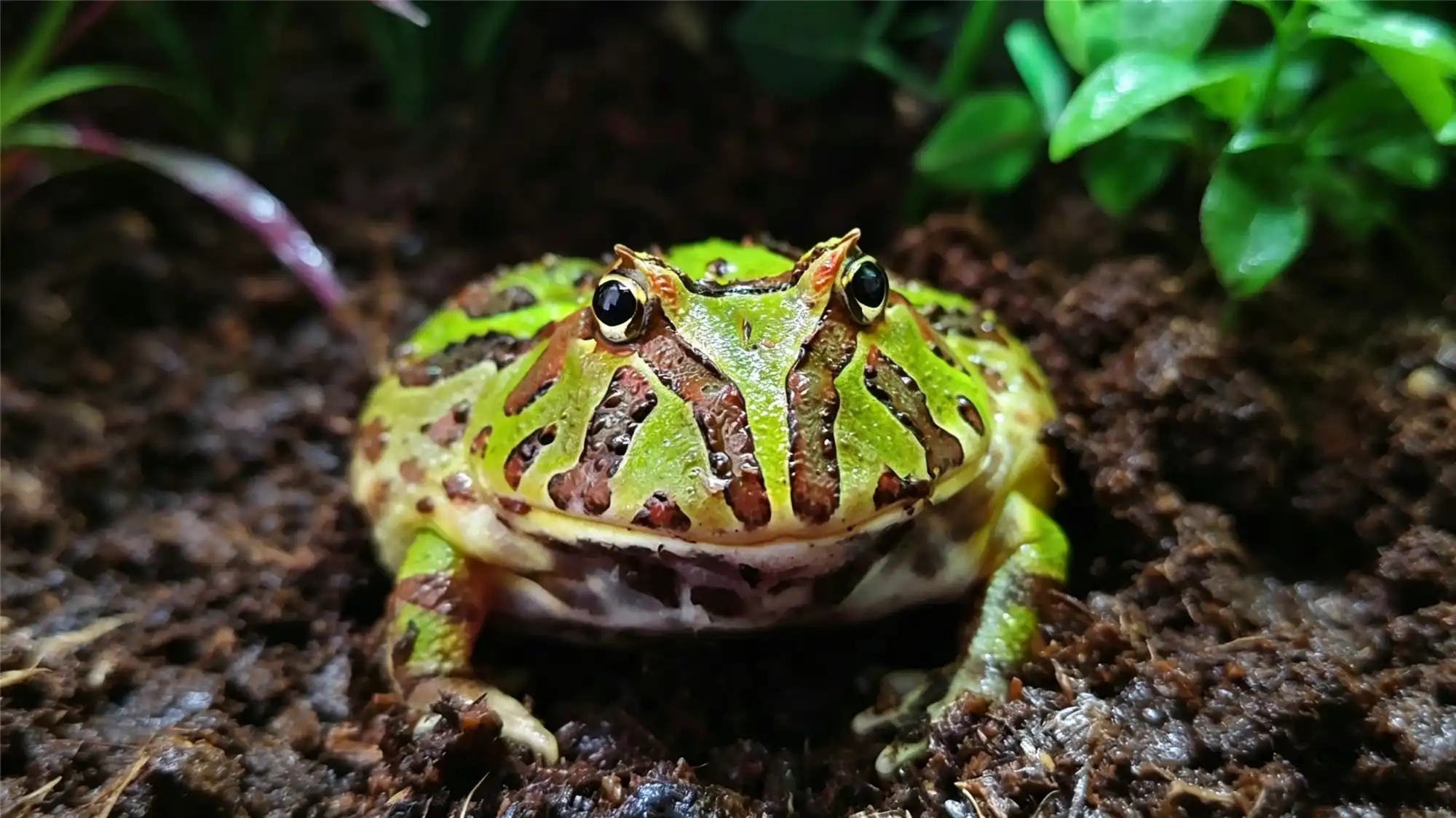
1. Classic Green Pacman Frog
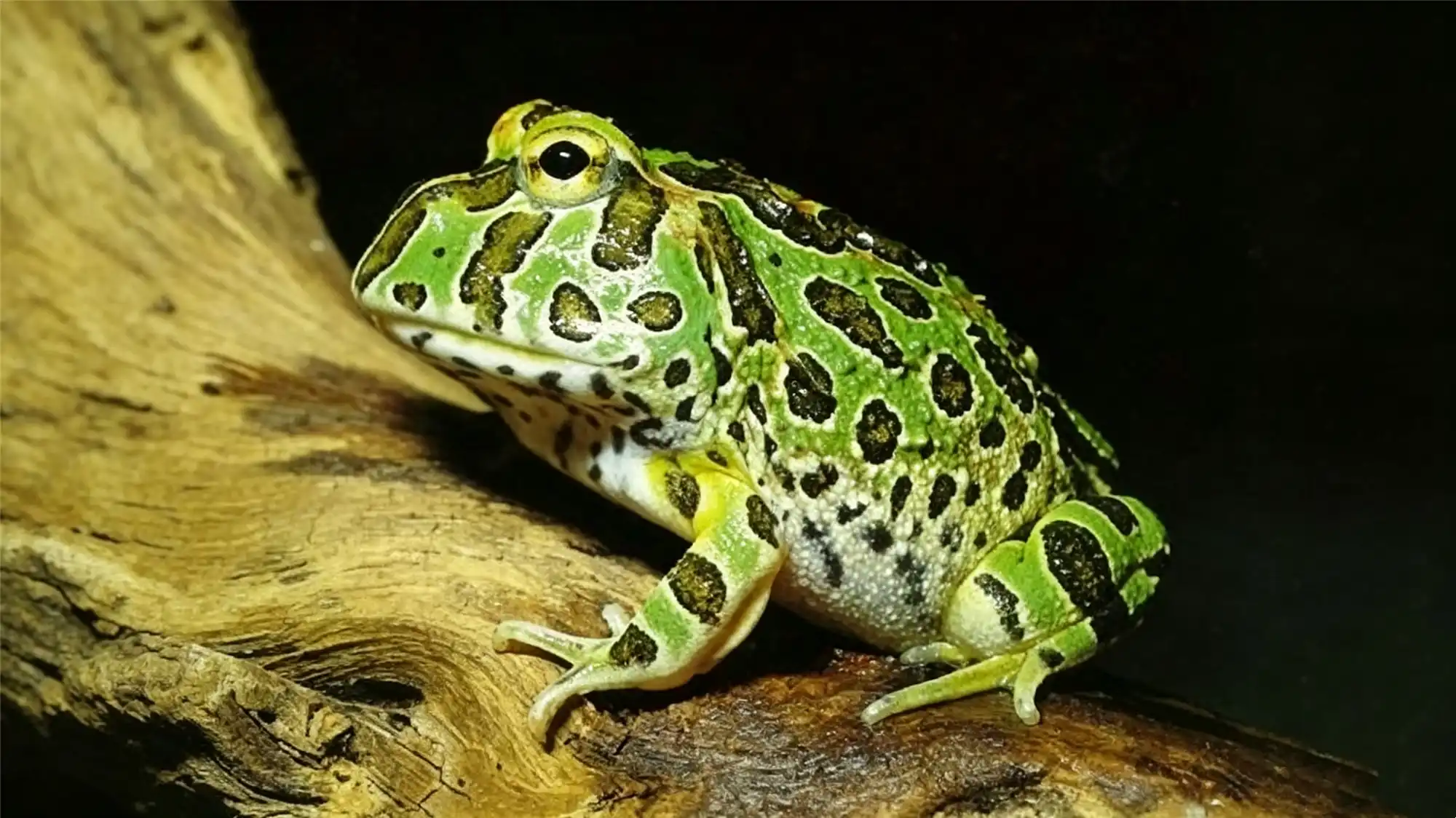
The wild-type green morph remains the most forgiving for beginners. These frogs typically show vibrant lime-green bases with brown patterning, offering the hardiest genetics and strongest immune systems. They are widely available from captive-bred sources and usually cost between $20-$40.
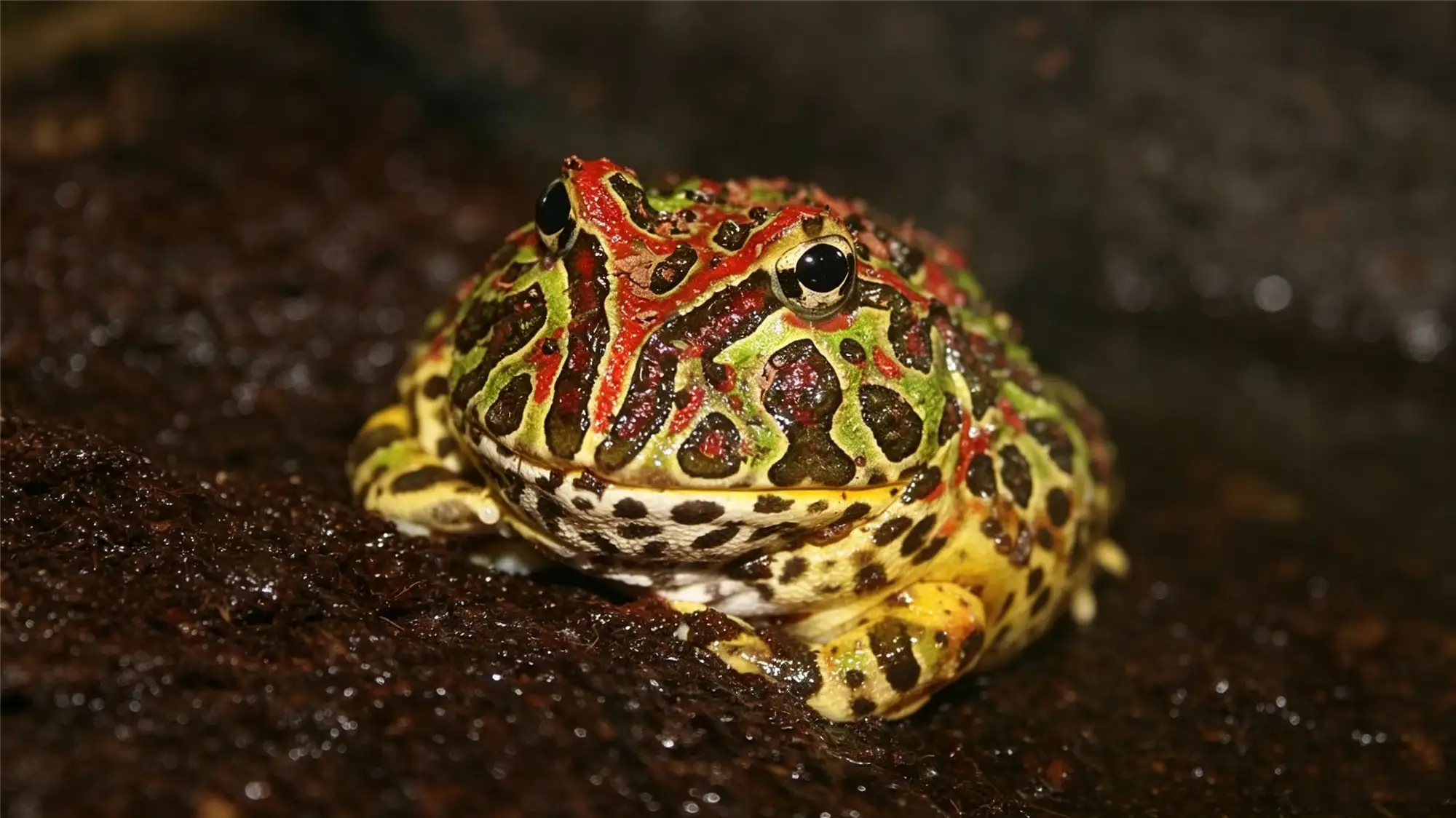
2. Strawberry Pacman Frog (Albino Variants)
If you want something visually striking, the strawberry or albino pacman frog features bright orange, red, and yellow coloration. While slightly more sensitive to bright light due to reduced melanin, they thrive with proper UVB management and make excellent display animals.
3. Fantasy and Apricot Morphs
These newer morphs offer mint-green or peach bases but often come with heftier price tags ($80-$150). While beautiful, beginners should master basic pacman frog care with standard morphs before investing in these designer variations.
Essential Pacman Frog Care Requirements
Creating the right environment prevents the two biggest killers of captive pacman frogs: bacterial infections from dirty substrate and metabolic bone disease from poor nutrition. Follow this setup guide to ensure your horned frog thrives.
Housing and Enclosure Setup
Despite their sedentary nature, adult pacman frogs need room to burrow. A standard 10-gallon glass aquarium works for one frog, though a 20-gallon long provides better temperature gradients.
Substrate essentials:
- Use 3-4 inches of coconut fiber (Eco Earth) or organic topsoil mixed with sand
- Avoid gravel or bark chips—pacman frogs ingest substrate while hunting and can suffer impaction
- Keep substrate damp but not waterlogged; aim for “wrung-out sponge” moisture levels
Temperature and Humidity Control
These South American natives need specific thermal conditions:
- Daytime temperature: 75-82°F (24-28°C)
- Nighttime drop: 70-75°F (21-24°C)
- Humidity: 60-80% (achieved through daily misting and proper substrate)
Use an under-tank heater on one side only to create a thermal gradient. Never use heat lamps—they dehydrate amphibians rapidly.
Diet and Feeding Schedule
Pacman frogs are voracious eaters with massive appetites. Their diet should include:
- Staple feeders: Crickets, dubia roaches, and earthworms (gut-loaded 24 hours prior)
- Treats: Frozen-thawed pinky mice or small fish (once monthly for adults)
- Supplementation: Calcium with D3 powder on every feeding; multivitamin weekly
Feed juveniles daily and adults every 3-4 days. Remove uneaten food within 12 hours to prevent mold growth.
Common Beginner Mistakes to Avoid
Even with the best pacman frog for beginners, poor husbandry leads to health issues. Avoid these pitfalls:
Overhandling
Pacman frogs have permeable skin that absorbs oils and salts from human hands. Limit handling to monthly health checks or enclosure cleaning only. Always wear dampened nitrile gloves if you must move them.
Improper Water Quality
While they do not swim often, pacman frogs need a shallow water dish for soaking. Use dechlorinated water only—tap water chemicals cause severe skin irritation. Change the water dish daily.
Co-habitation Attempts
These frogs are cannibalistic. Even juveniles housed together will eventually attempt to eat each other. Always house pacman frogs individually.
Where to Buy Your First Pacman Frog
Purchase only captive-bred specimens from reputable breeders or exotic pet stores. Wild-caught frogs often carry parasites and fail to adapt to captivity. Look for these health indicators:
- Clear, alert eyes (not sunken or cloudy)
- Plump body with no visible hip bones
- Smooth skin without red lesions or excessive shedding
- Strong feeding response when offered food
Expect to pay $25-$60 for standard morphs from quality breeders. Avoid “too good to be true” prices at big-box pet stores, which often sell underweight or stressed animals.
Conclusion: Is a Pacman Frog Right for You?
If you want an exotic pet that combines dinosaur-like appearance with straightforward care requirements, the pacman frog delivers. By selecting a hardy green or strawberry morph, maintaining proper humidity, and respecting their “look but don’t touch” nature, you will enjoy 7-10 years of companionship from one of the most entertaining amphibians in the hobby.
Start with the basics: secure a 10-gallon setup, source quality feeders, and establish a relationship with an exotic veterinarian. Your future horned frog will reward your preparation with dramatic feeding strikes and fascinating burrowing behavior that never gets old.