 Free shipping on orders over $75 across the U.S., with different free shipping promotions available in parts of
 Europe,
 South America,
 Australia.For all other countries, please contact us before placing your order, and we'll be happy to fast-track a shipping solution for you.
Inside the Minds of Cats and Dogs: What Your Pets Are Really Thinking
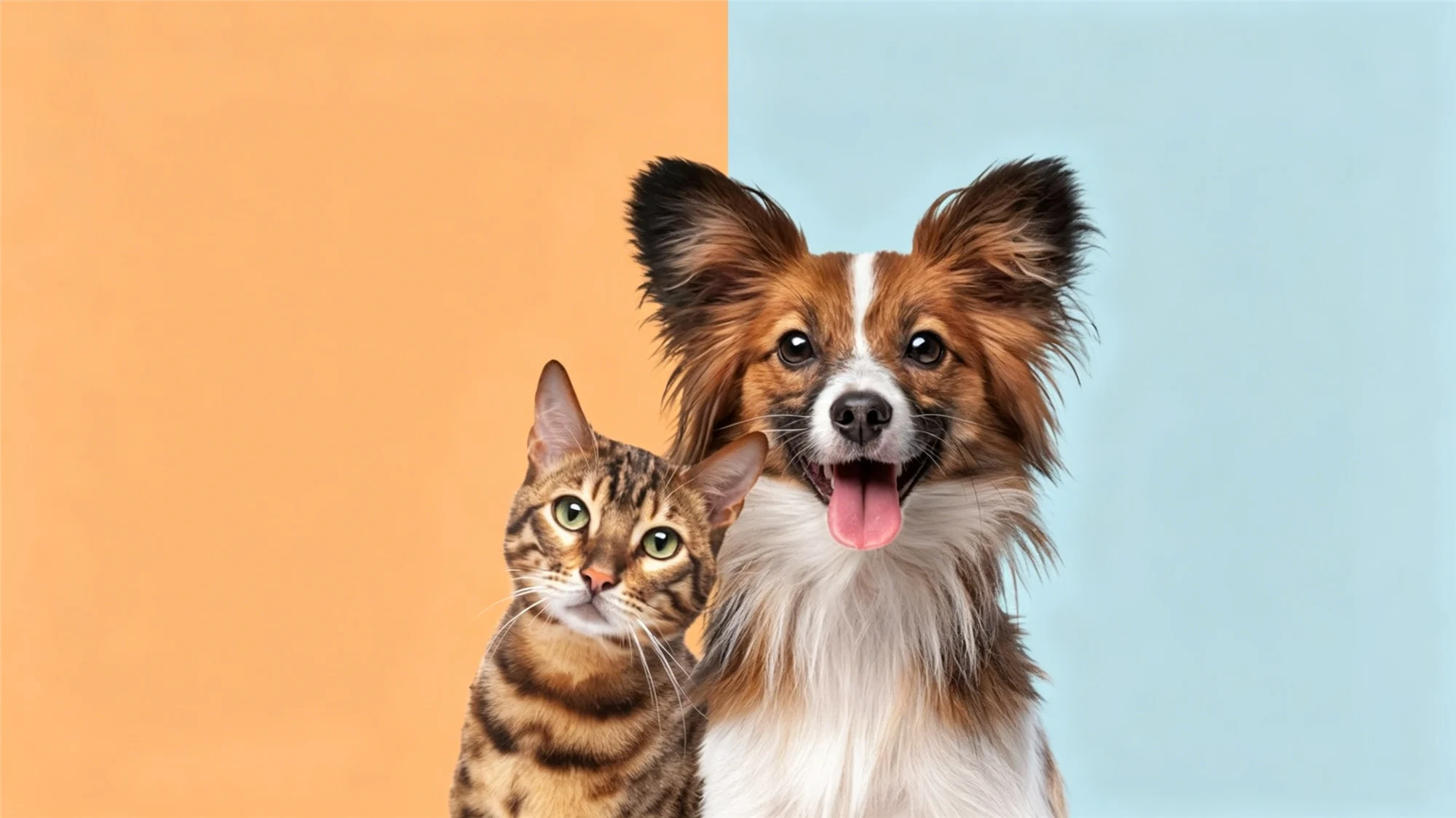
Ever caught your cat staring at a blank wall for hours, or watched your dog tilt their head in that adorable confused way? As pet parents, we constantly wonder: what exactly is going on inside those furry little heads?
Understanding the inner world of cats and dogs isn’t just fascinating—it transforms how we care for them. When you know what your pets are thinking, you can reduce their anxiety, strengthen your bond, and create a home where they truly thrive.
The Canine Mind: Loyalty, Emotions, and Pack Instincts
Dogs are social thinkers. Their brains evolved to process complex human emotions, making them uniquely attuned to our moods and intentions.
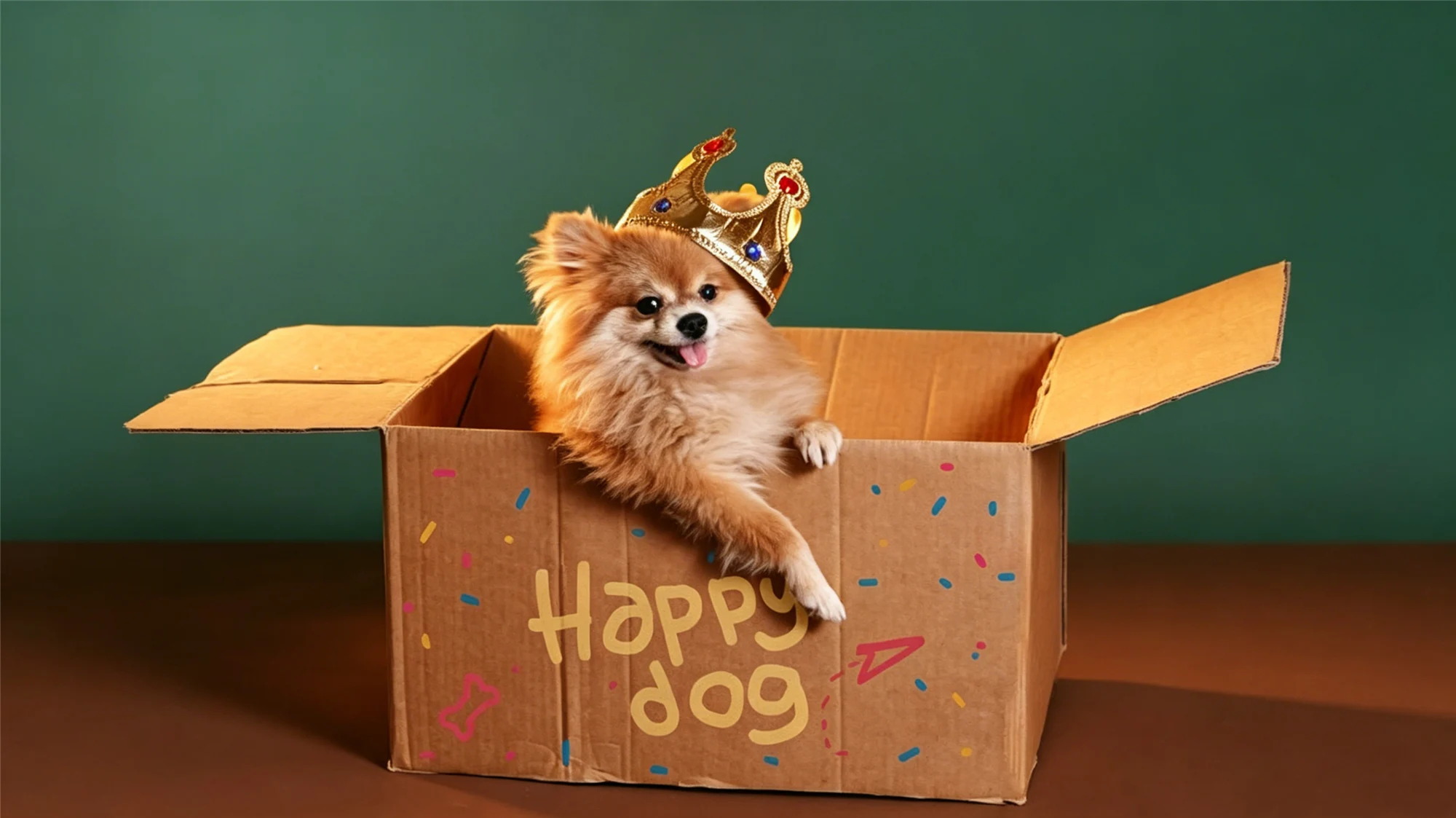
What dogs actually think about:
- You. Studies show dogs have dedicated brain regions that light up specifically for their owner’s scent and voice.
- The present moment. Unlike humans, dogs don’t dwell on yesterday or worry about tomorrow—they live entirely in the now.
- Social hierarchy. Your dog views the family as their pack, constantly assessing who provides safety and resources.
That “guilty look” when you find a chewed shoe? It’s actually fear of your reaction, not remorse. Dogs live in a world of immediate consequences and emotional honesty.

The Feline Psyche: Independence, Territory, and Secret Worlds
Cats operate on entirely different software. While dogs seek to please, cats seek to survive—and they view your home as their kingdom.
Inside the mysterious cat mind:
- Vertical space analysis. Cats are constantly calculating escape routes and vantage points. That “random” sprint at 3 AM? They’re patrolling their territory.
- Resource security. Every meal, water bowl, and litter box location is mentally mapped for safety and accessibility.
- Selective bonding. Cats form deep attachments, but on their terms. When they bring you “gifts,” they’re teaching you to hunt (because clearly, you’re terrible at it).
Contrary to the aloof stereotype, cats experience separation anxiety too—they just express it through subtle behavioral changes rather than dramatic destruction.
Reading the Silent Signals: Body Language Decoded
Words don’t matter to pets, but micro-expressions do. Learning to read these cues reveals their true emotional state.
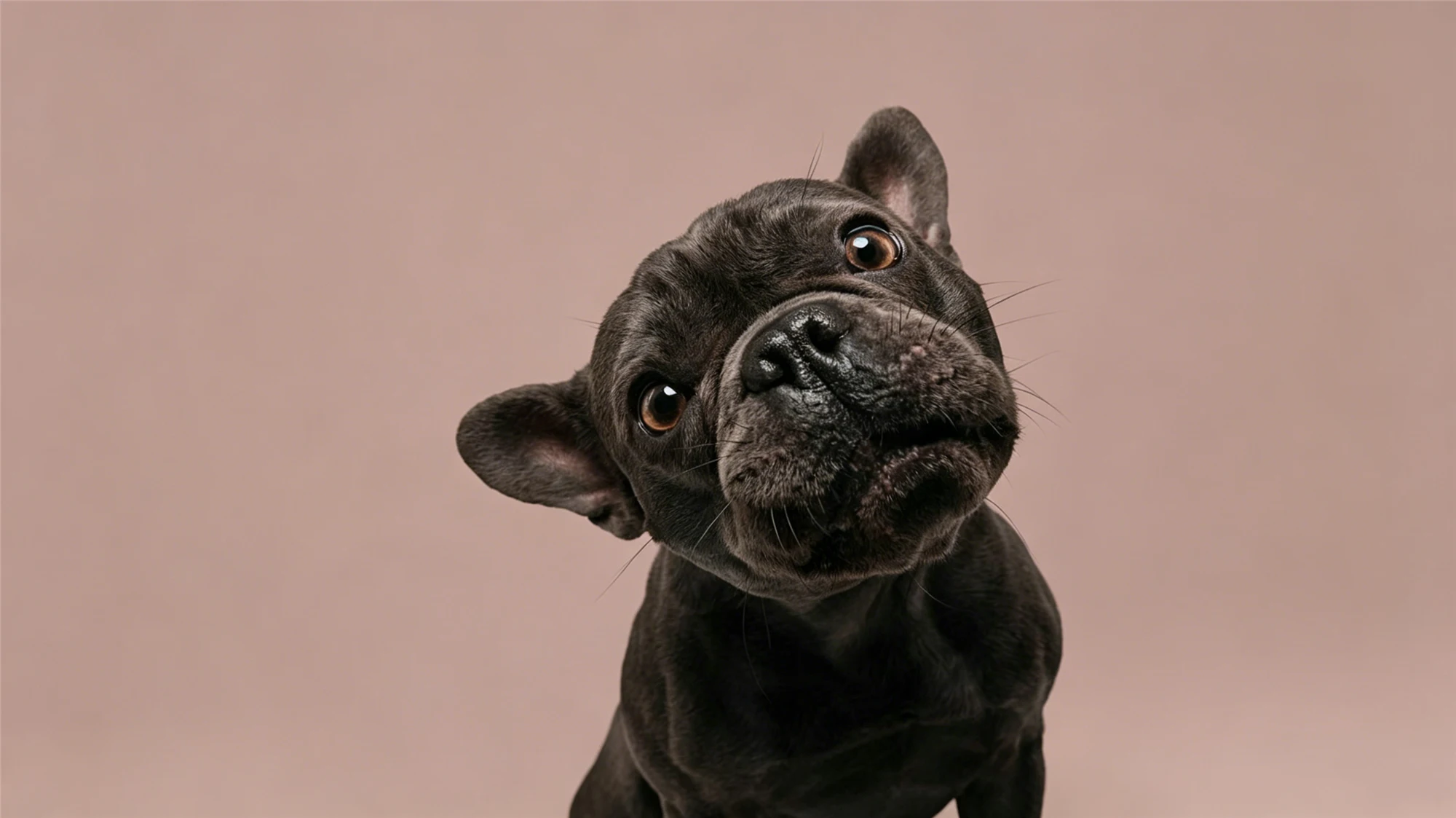
Dog communication cues:
- Tail wagging direction matters—right-side wags indicate positive feelings, left-side suggests uncertainty
- Yawning when not tired signals stress
- The “whale eye” (showing whites of eyes) means discomfort
Cat communication secrets:
- Slow blinking is a cat kiss—reciprocate to build trust
- Purring isn’t always happiness; it can be self-soothing during pain
- A raised tail with a question-mark hook signals friendliness
Bridging the Gap: Practical Ways to Connect
Understanding their psychology allows us to meet pets where they are, not where we expect them to be.
For dog owners:
- Establish consistent routines—they reduce cognitive load and anxiety
- Use positive reinforcement; punishment creates confusion, not understanding
- Provide mental stimulation through scent work and puzzle toys
For cat guardians:
- Create “cat highways”—elevated paths that allow them to move without touching the floor
- Respect their need for hiding spots; visibility feels vulnerable to prey animals
- Engage in predatory play sessions to satisfy hunting instincts
The Beautiful Overlap: Where Species Meet
Despite their differences, both species share one profound trait: the capacity for cross-species love. When your dog rests their head on your lap or your cat chooses your keyboard as a napping spot, they’re expressing trust and affection in their unique languages.

The journey into your pet’s inner world never truly ends. Each head tilt, purr, and tail flick is a word in their personal vocabulary. By learning this language, we don’t just become better owners—we become trusted members of their world, whether that world involves guarding a cardboard box like royalty or silently judging us from atop the refrigerator.
Ready to deepen your connection? Start by spending ten minutes today simply observing your pet without distraction. You might be surprised by what they’ve been trying to tell you all along.