 Free shipping on orders over $75 across the U.S., with different free shipping promotions available in parts of
 Europe,
 South America,
 Australia.For all other countries, please contact us before placing your order, and we'll be happy to fast-track a shipping solution for you.
The Ultimate Lizard Care Guide: Setup, Diet & Health Tips for Beginners
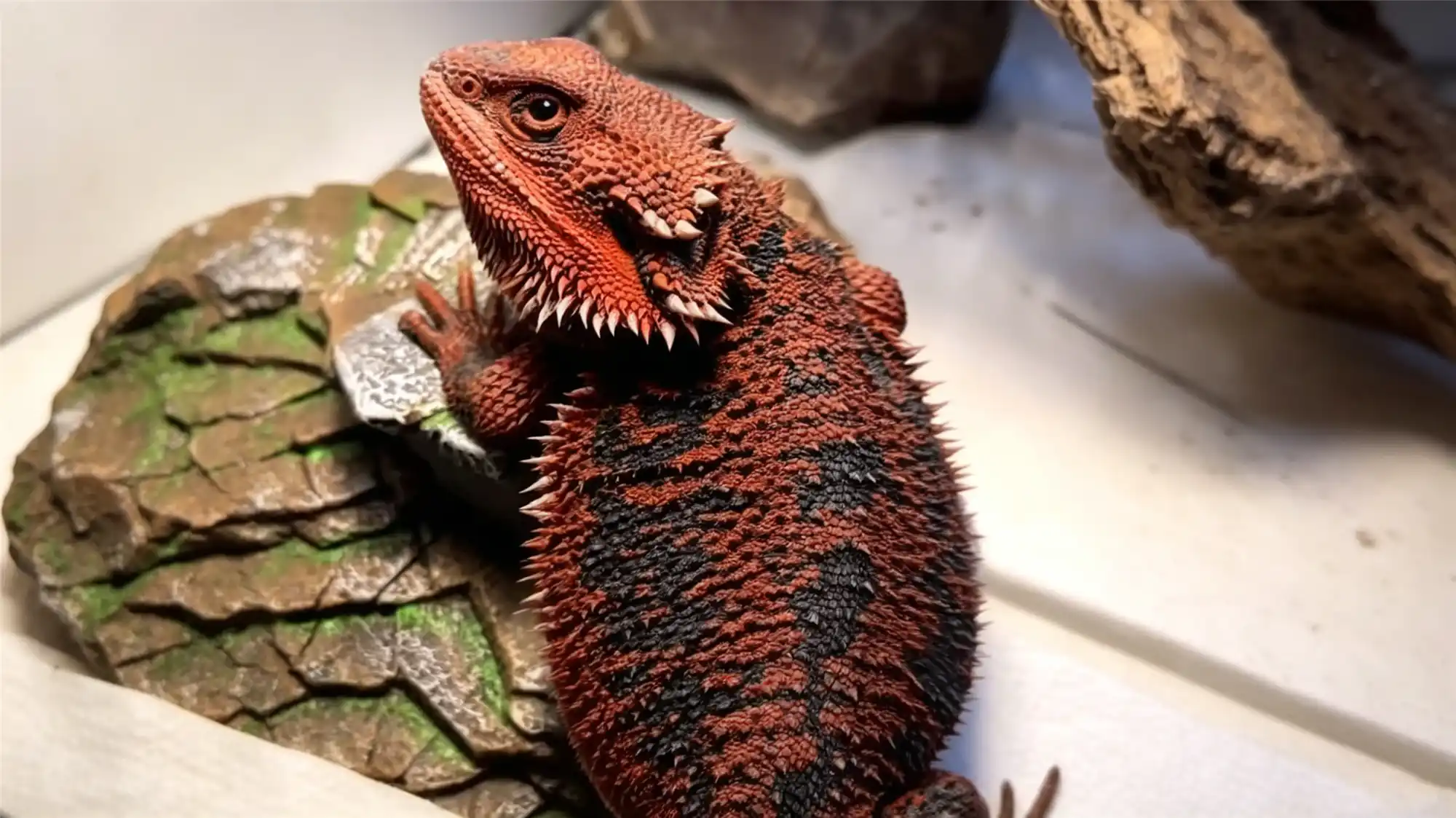
Thinking about getting a scaly companion? You’re not alone. Lizard ownership has surged by 40% in the last five years, with species like bearded dragons and leopard geckos becoming mainstream pets. But here’s the reality: 85% of reptile health issues stem from improper husbandry—not genetics or bad luck.
Whether you’re setting up your first terrarium or upgrading your current setup, this guide breaks down everything from bearded dragon care sheets to advanced UVB lighting systems. Let’s build a habitat your lizard will actually thrive in.
Choosing the Right Species: Don’t Start with a Difficult Lizard
Your success as a reptile keeper starts before you buy the tank. Beginners often gravitate toward “cool-looking” species like iguanas or chameleons, only to discover they need complex humidity control and expert handling.
Best Starter Lizards for 2024:
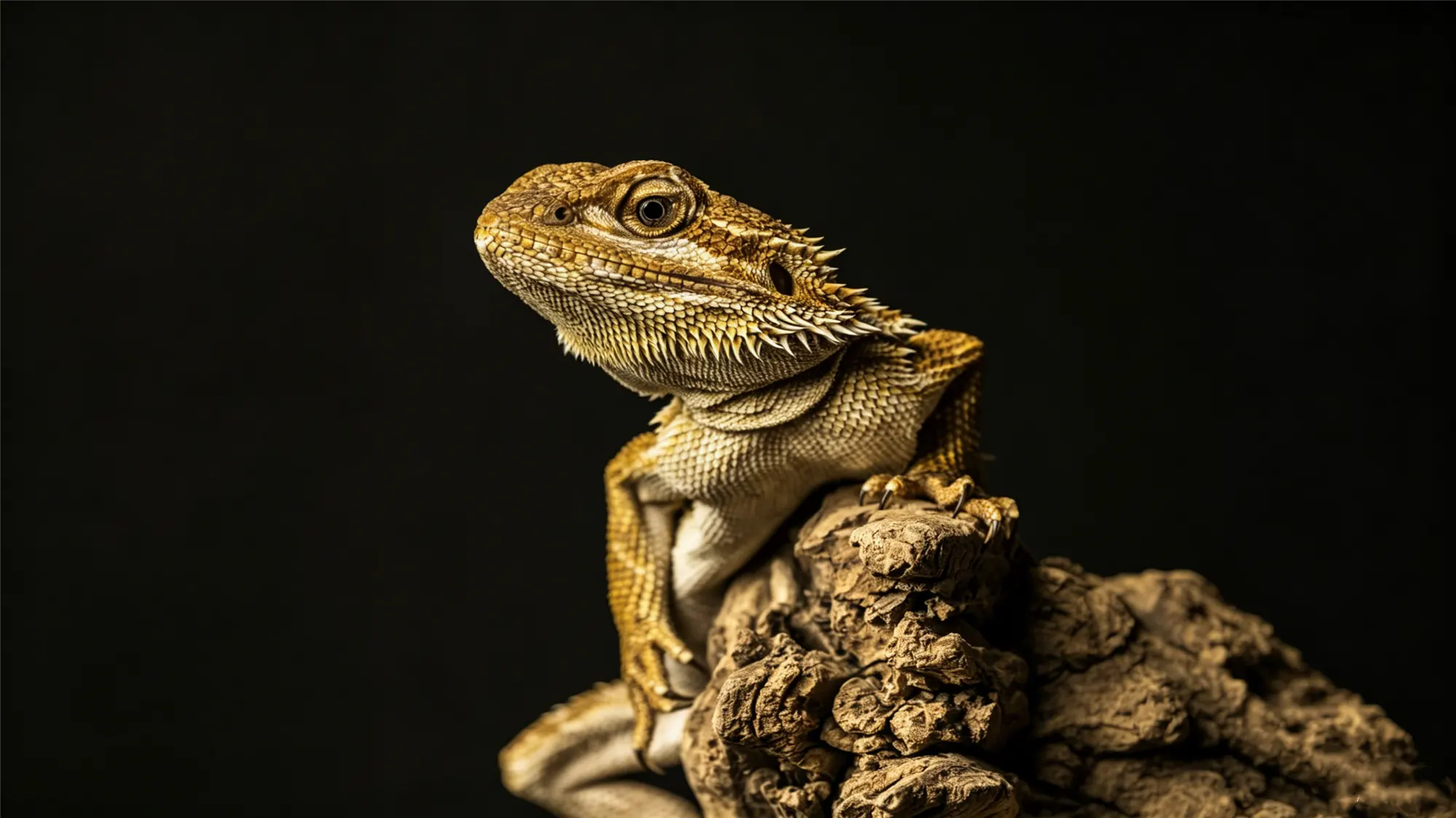
- Bearded Dragons: Docile, interactive, and forgiving of minor temperature fluctuations
- Leopard Geckos: Nocturnal, compact size, perfect for apartments
- Crested Geckos: Arboreal beauties that don’t require intense heating
- Blue-Tongued Skinks: Omnivorous diet makes feeding simple and affordable
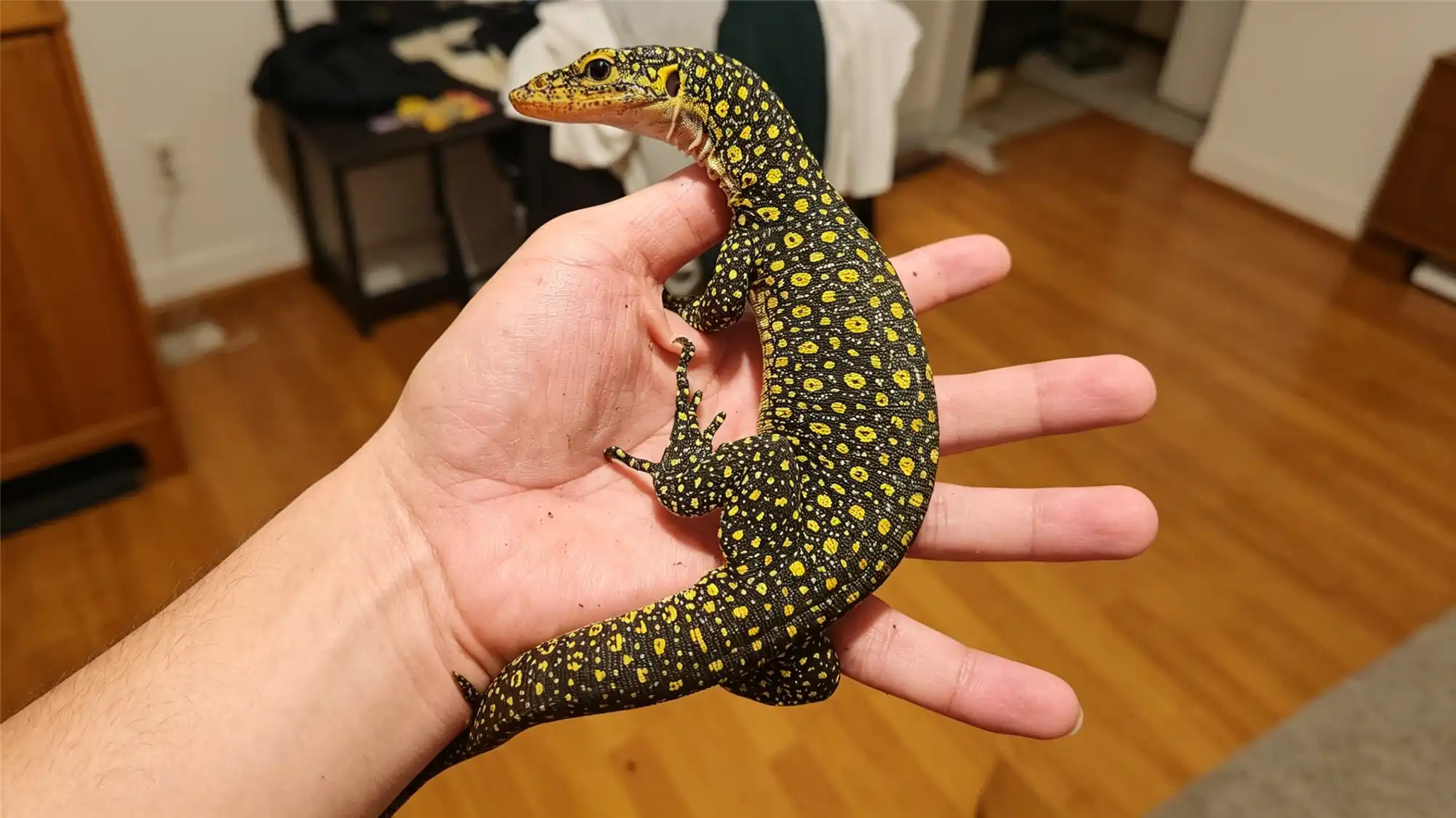
Pro tip: Always verify the adult size before purchasing. That cute 6-inch baby monitor lizard will eventually need an 8-foot enclosure.
Building the Perfect Lizard Tank Setup
Glass terrariums dominate the market, but PVC enclosures retain heat better and weigh less. For desert species like bearded dragons, aim for a minimum 40-gallon breeder tank for adults—though 75 gallons is optimal for active foragers.
The Thermal Gradient: Life or Death
Lizards are ectotherms. They cannot regulate body temperature internally, which means your enclosure needs distinct zones:
- Basking Spot: 95-105°F for desert species, 85-90°F for tropical varieties
- Cool Zone: 75-80°F to prevent overheating
- Night Drop: 70-75°F (use ceramic heat emitters, not red bulbs)
UVB Lighting: The Most Common Mistake
Without adequate UVB exposure, lizards develop metabolic bone disease (MBD)—a painful, often fatal condition. Don’t guess with lighting:
- Tube UVB bulbs outperform coil bulbs by 300%
- Replace bulbs every 6-12 months (even if they still glow)
- Mount inside the tank; glass blocks 95% of UVB rays
Nutrition and Feeding: Beyond Crickets
Feeder insect variety prevents nutritional deficiencies. Rotate between:
- Dubia roaches: High protein, easy to digest
- Hornworms: Excellent hydration source
- Black soldier fly larvae: Natural calcium boost
- Dark leafy greens: Collard greens, mustard greens, dandelion (never iceberg lettuce)
Dust insects with calcium powder 5 days a week, and multivitamins twice weekly. Adult bearded dragons need 70% vegetation; juveniles require 70% protein.
Handling and Bonding: Building Trust
Patience wins with reptiles. New lizards need 3-7 days to acclimate without handling. Start with 5-minute sessions, supporting all four feet to reduce stress.
Watch for these trust signals:
- Closing eyes while basking near you (ultimate lizard compliment)
- Approaching the glass when you enter the room
- Relaxed body posture during handling (no tail whipping or gaping)
Red Flags: When to Visit a Reptile Vet
Exotic veterinarians specialize in reptile care—standard dog/cat clinics often miss subtle symptoms. Schedule an appointment immediately if you notice:
- Sunken eyes or wrinkled skin (dehydration)
- Soft jaw or trembling limbs (calcium deficiency)
- Refusing food for 2+ weeks (adults) or 3 days (babies)
- Labored breathing or mucus bubbles (respiratory infection)
Annual wellness checks should include fecal parasite tests and weight monitoring. Prevention costs significantly less than emergency treatment.
Final Thoughts: Commitment Beyond the Aesthetic
Healthy lizard care isn’t about expensive equipment—it’s about consistency. Daily temperature checks, varied nutrition, and observing behavioral changes separate thriving reptiles from surviving ones.
Start with the basics: proper heat, UVB, and hiding spots. Master those, and you’ll enjoy 10-15 years with one of nature’s most fascinating creatures. Ready to upgrade your setup? Your scaly friend will thank you with every relaxed bask and curious head tilt.