 Free shipping on orders over $75 across the U.S., with different free shipping promotions available in parts of
 Europe,
 South America,
 Australia.For all other countries, please contact us before placing your order, and we'll be happy to fast-track a shipping solution for you.
Stop Your Dog From Destroying Your Home: Proven Methods That Actually Work
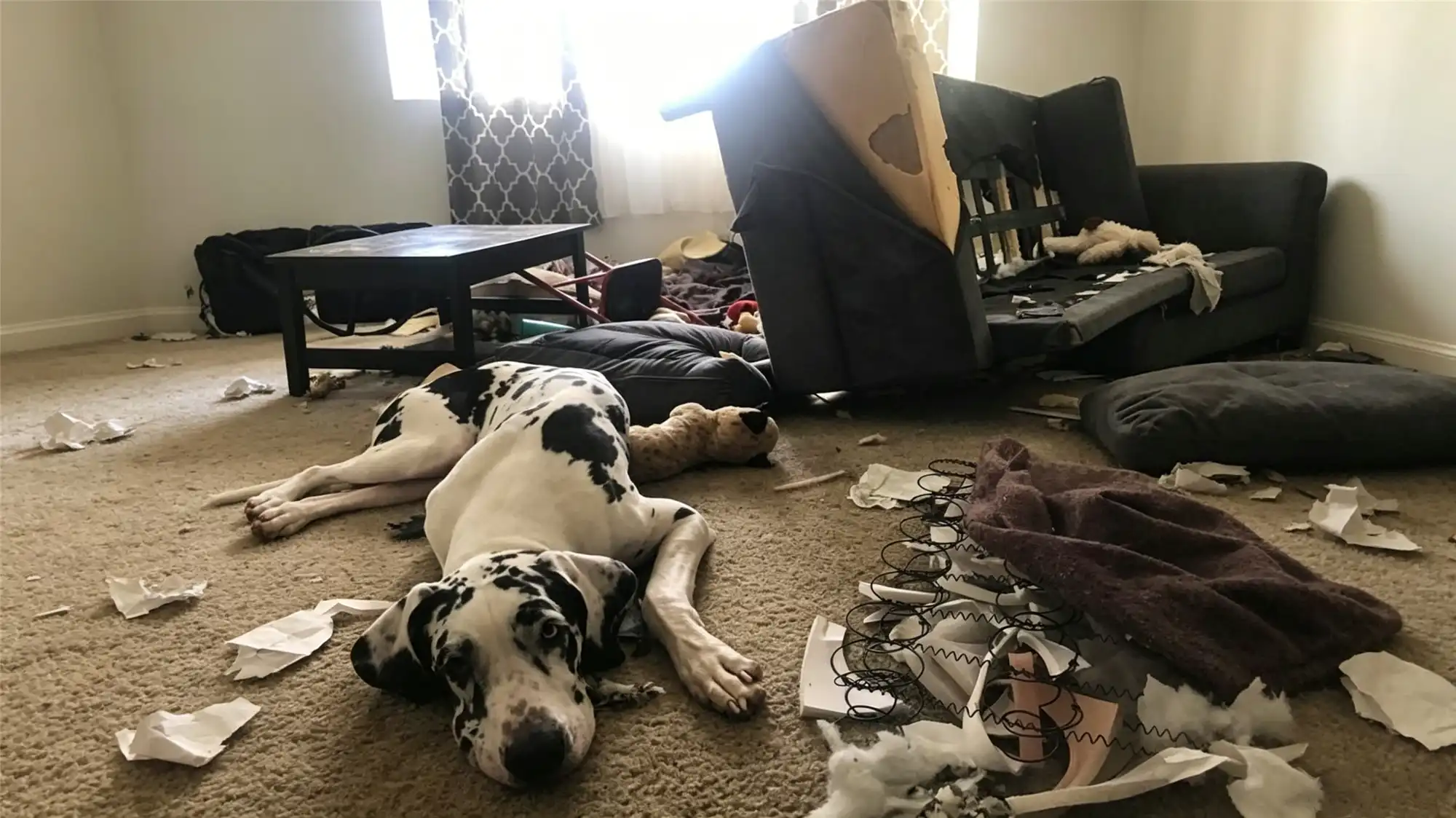
You come home after a long day, keys in hand, already mentally decompressing. You open the door—and your heart sinks. Your favorite couch cushions are shredded, stuffing everywhere. Your new sneakers? Chewed beyond recognition. Your dog greets you with a wagging tail, completely oblivious to the chaos.
If this sounds familiar, you’re not alone. Destructive chewing is one of the most common—and frustrating—behavioral issues dog owners face. But here’s the truth that changes everything: your dog isn’t being “bad.” They’re not seeking revenge or trying to punish you for leaving. Understanding why they destroy things is the first and most critical step toward fixing the problem.
Let’s cut through the noise and get to what actually works.
Why Dogs Destroy Things: The Root Causes
Before you can stop the behavior, you have to understand what’s driving it. Destructive chewing almost always falls into one of these categories:
Separation Anxiety: The Emotional Driver
This is the heavy hitter. Dogs are pack animals. When left alone, many experience genuine distress—not just boredom, but panic. The chewing isn’t mischief; it’s a coping mechanism for anxiety. Signs include destructive behavior focused on exit points (doors, windows), excessive drooling, pacing, and vocalization .
Boredom and Excess Energy
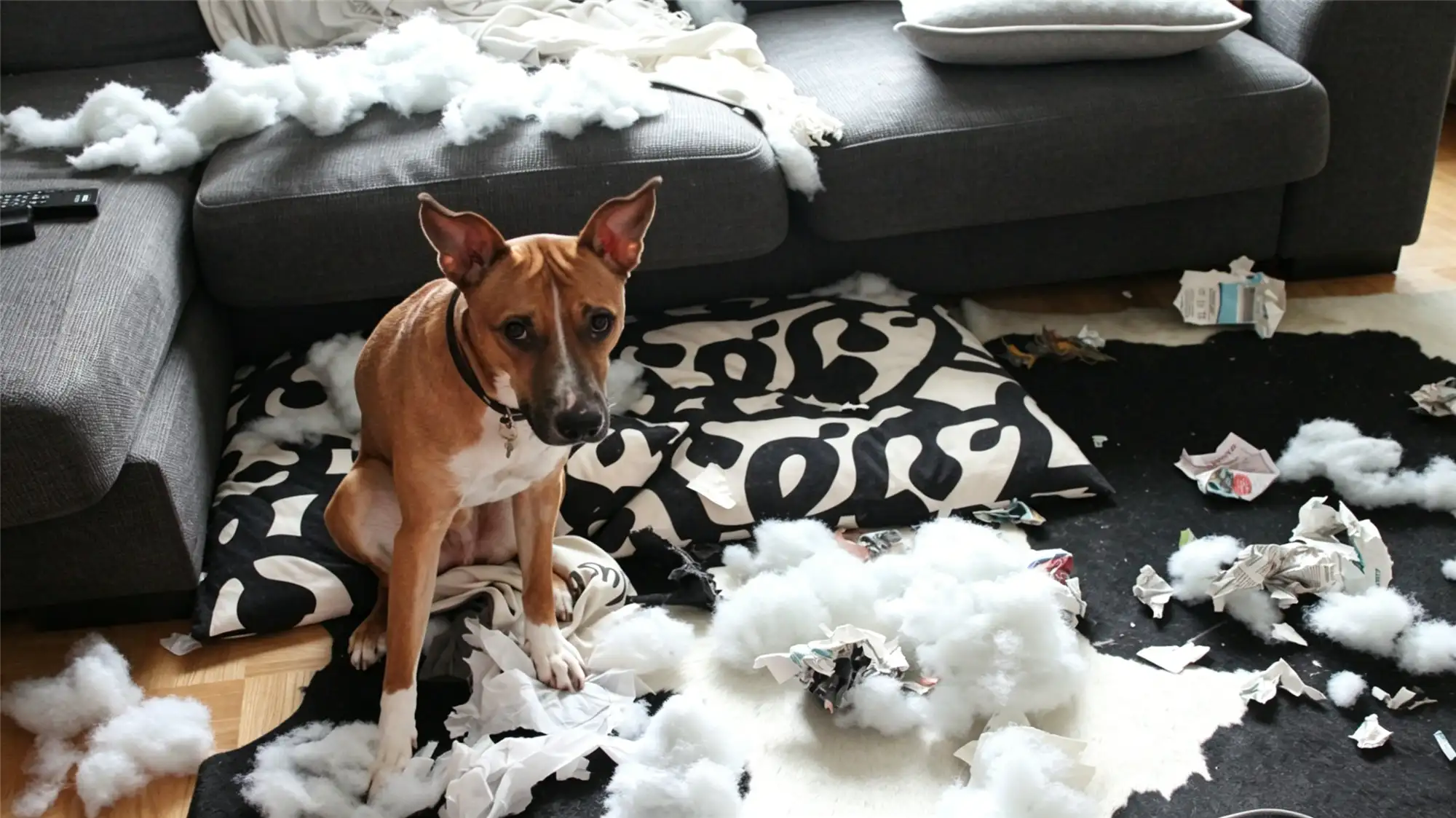
High-energy breeds—think Huskies, Border Collies, and German Shepherds—need a job to do. Without adequate physical exercise and mental stimulation, they’ll create their own entertainment. Your baseboards and furniture become their “project.” This is especially common in dogs under two years old who haven’t yet matured out of their puppy phase .
Teething Pain (Puppies)
Just like human babies, puppies go through a painful teething phase between 3 and 6 months of age. Chewing isn’t a choice—it’s a physical need. Gnawing on objects relieves gum pressure. Punishing a teething puppy for chewing is like punishing a toddler for crying when their teeth hurt. It doesn’t work and it damages trust .
The One-Week Fix: A Step-by-Step Action Plan
You don’t need a professional trainer or expensive gadgets to see dramatic improvement. Here’s a practical, week-long plan that tackles the problem from every angle.
Day 1-2: Control the Environment
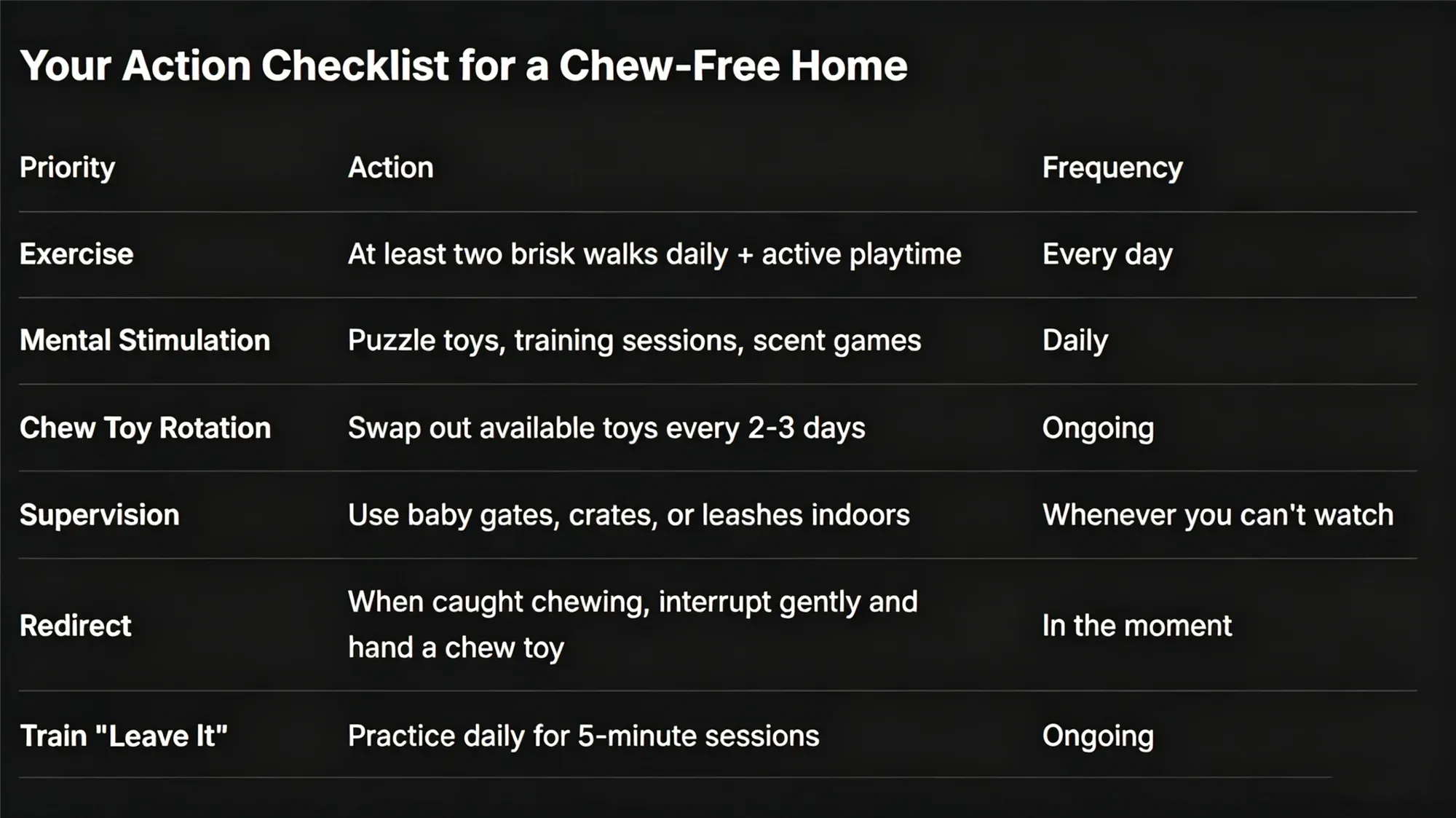
The most effective management tool is also the simplest: prevention. If your dog can’t access your belongings, they can’t destroy them.
- Crate Training: A properly introduced crate is not a punishment—it’s a safe den. When you can’t supervise, your dog should be in their crate or a securely gated area. Start with short periods and gradually increase duration .
- Dog-Proof Your Space: Remove shoes, children’s toys, remote controls, and anything else tempting from floor level. This isn’t a long-term solution, but it buys you time to address the root cause.
Day 3-4: Provide Appropriate Outlets
Your dog has a natural need to chew. The goal isn’t to stop chewing; it’s to redirect it to acceptable objects.
- Rotate Chew Toys: Offer a variety of textures—rubber, nylon, rope, and edible chews. The key is rotation. Dogs get bored with the same toys. Swap them out every few days to maintain novelty .
- Interactive Puzzle Toys: Toys like Kongs that can be stuffed with peanut butter, yogurt, or kibble serve a dual purpose: they satisfy the chewing urge and provide mental stimulation that tires out the brain. Freeze them for longer-lasting engagement .
Day 5-7: Teach the “Leave It” Command
This is the single most valuable behavior you can teach for home safety.
Training Steps:
- Hold a treat in your closed fist and present it to your dog. They’ll sniff and paw. Wait.
- The moment they stop trying and pull their nose away, say “Yes!” and reward with a treat from your other hand.
- Gradually progress to having the treat in your open palm. Say “Leave it.” If they lunge, close your hand. Only reward when they back off .
- Once mastered, practice with real-world objects like socks or shoes. This teaches impulse control that generalizes to your furniture .
What NOT to Do: Common Mistakes That Backfire
Punishment After the Fact
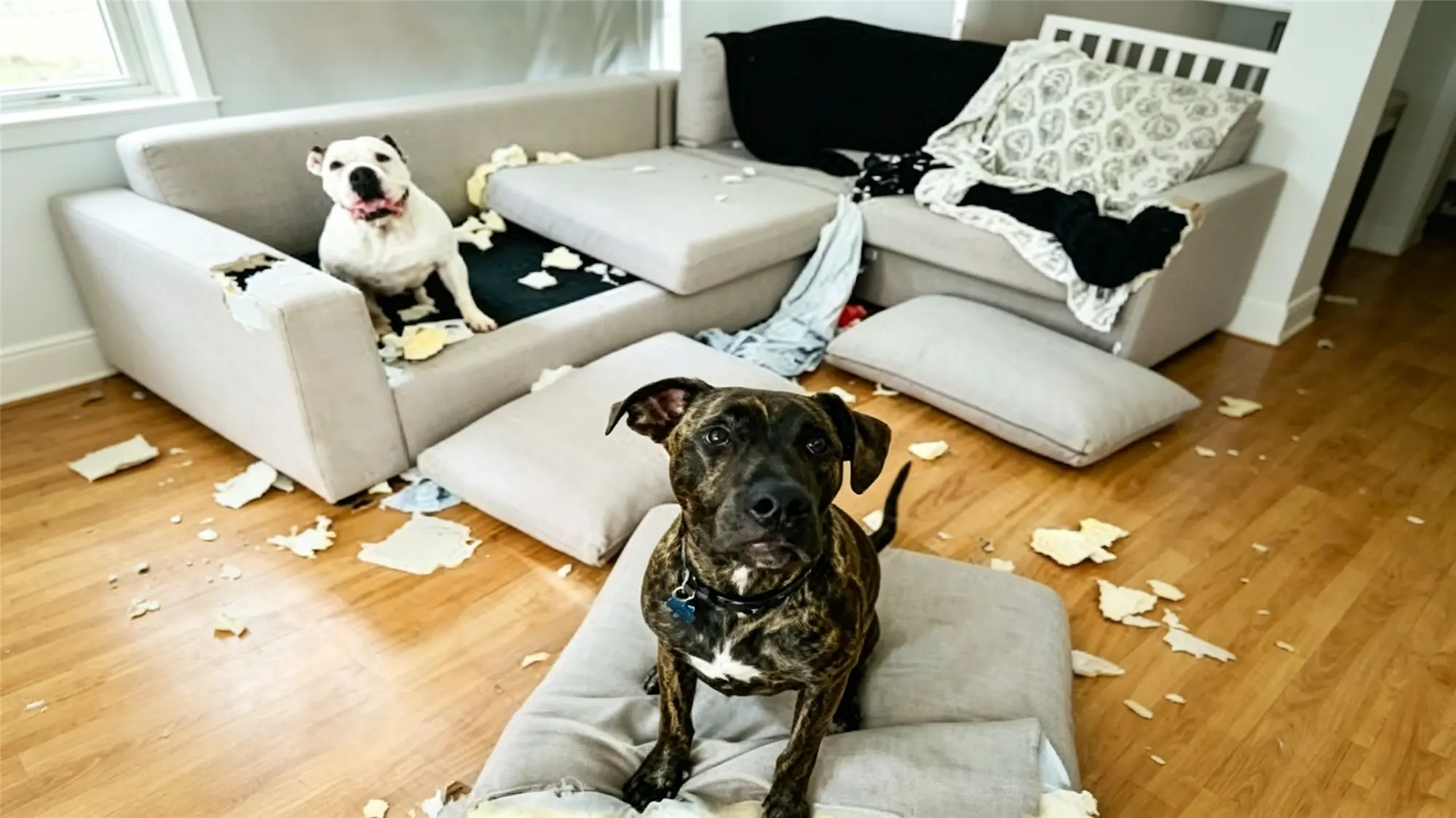
Yelling at your dog when you find a destroyed shoe does nothing. Dogs live in the moment. They cannot connect your anger with an action that happened hours ago. All you achieve is confusion and fear, which can worsen anxiety-driven chewing .
Physical Corrections
Hitting or “alpha rolling” your dog is not only inhumane—it’s counterproductive. It erodes trust and can trigger defensive aggression. Positive reinforcement training is scientifically proven to be more effective and builds a stronger bond .
Giving Too Much Freedom Too Soon
Many owners make the mistake of giving full house access before their dog is ready. Start small. Restrict access to one room, then gradually expand as your dog proves reliable .
When to Seek Professional Help
If you’ve implemented these strategies consistently for two to three weeks without improvement—especially if you’re seeing signs of true separation anxiety like self-injury, frantic escape attempts, or house soiling—it’s time to call in a certified professional.
Look for a Certified Applied Animal Behaviorist (CAAB) or a veterinary behaviorist. They can assess whether medication might be necessary alongside a tailored behavior modification plan. This isn’t failure; it’s responsible pet ownership .
The bottom line: Destructive chewing is a solvable problem. It requires patience, consistency, and a shift in perspective—seeing the behavior as communication rather than rebellion. Your dog isn’t trying to ruin your day. They’re trying to tell you something. With the right approach, you can listen, respond, and enjoy a home that stays intact while your dog stays happy and healthy.