 Free shipping on orders over $75 across the U.S., with different free shipping promotions available in parts of
 Europe,
 South America,
 Australia.For all other countries, please contact us before placing your order, and we'll be happy to fast-track a shipping solution for you.
Pet Parasite Control is Surprisingly Simple (And Yes, You Can Do It Alone)
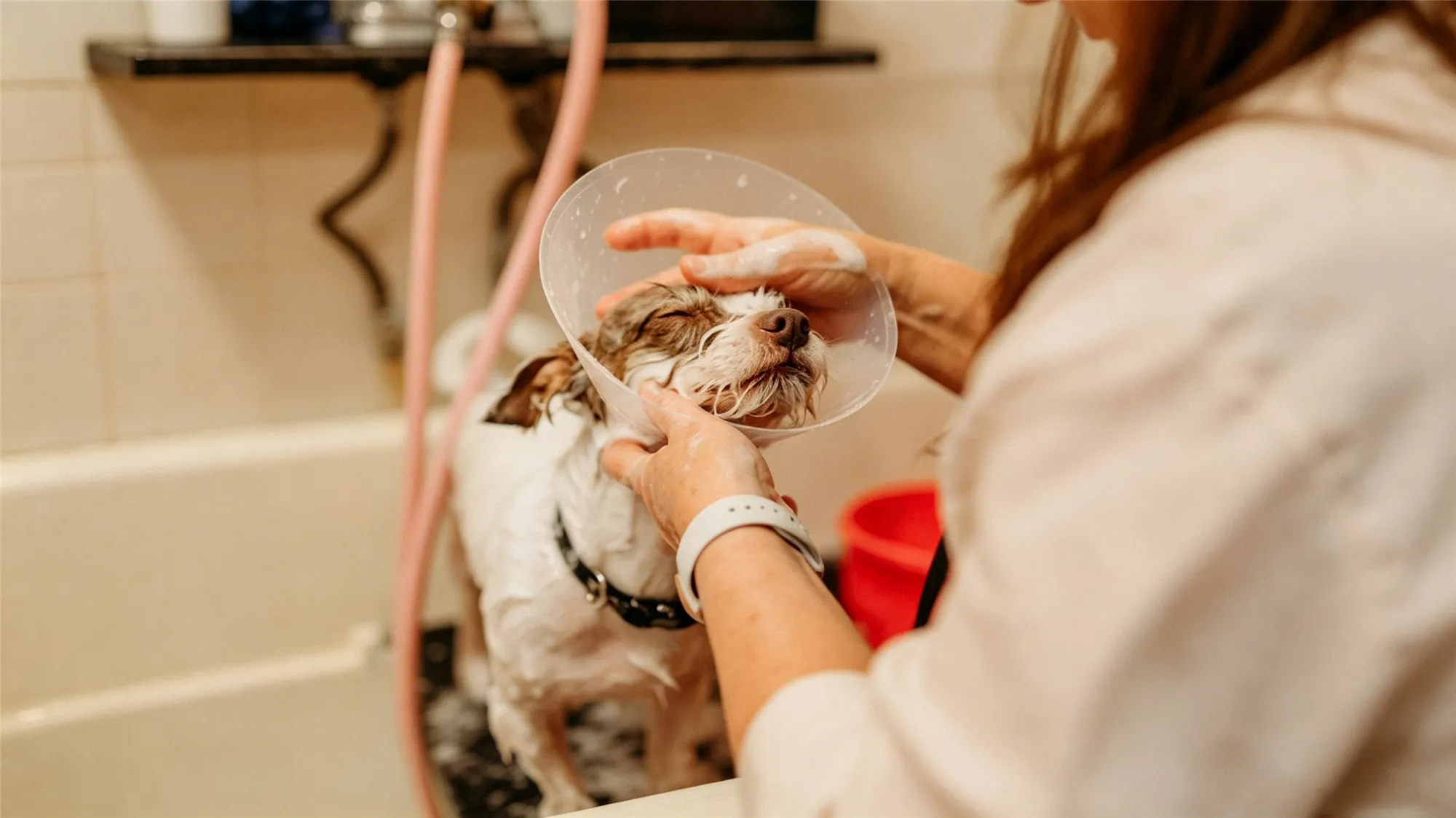
Let’s be honest: wrestling your cat into a carrier and paying a vet tech to apply a topical treatment is a hassle. For dog owners, it’s a chore that often requires an extra pair of hands. But what if I told you that effective, one-person parasite control is not only possible but actually quite simple?
The secret isn’t about being a contortionist; it’s about knowing the right techniques and using the best tools for the job. Let’s break down how to confidently handle flea, tick, and worm prevention on your own, saving you time, money, and unnecessary stress.
The “Indoor-Only” Myth: Why Every Pet Needs Year-Round Protection
Many pet owners skip parasite prevention because their dog or cat never goes outside. This is one of the most common and dangerous misconceptions. Fleas are excellent hitchhikers. They can easily catch a ride on your shoes, pant legs, or even another pet that ventures outdoors .
Mosquitoes, which carry deadly heartworm disease, can find their way through an open door or window in seconds . The Companion Animal Parasite Council (CAPC) and leading veterinary hospitals recommend year-round, broad-spectrum parasite control for every pet, regardless of their lifestyle . Waiting for symptoms like scratching or weight loss often means the problem is already advanced .
The Solo Act: How to Administer Prevention by Yourself
Successfully applying topical treatments or giving pills to a squirmy pet is easier than you think. Here’s how to do it alone, step-by-step.
1. Mastering Topical “Spot-On” Treatments
This is the most popular method for a reason: it’s fast, effective, and perfect for a single person to manage.
The key to success is application:
- Placement is Everything: Part the fur at the base of the neck, right between the shoulder blades. This is the “no-lick” zone—it’s the one spot your pet can’t reach to groom away the medication .
- Apply Directly to Skin: Squeeze the entire tube onto the skin, not the fur. If the medication sits on the top coat, it will be less effective and can rub off on your furniture .
- The “No-Touch” Rule: Do not pet or touch the application site for at least 24 hours. This prevents the medication from absorbing into your hands and gives it time to spread via your pet’s natural oils .
Product Pick: Choose a veterinary-recommended product like Frontline Plus, which uses fipronil and (S)-methoprene to break the flea life cycle. It’s safe for puppies and kittens over 8 weeks of age .
2. The Art of Pilling a Pet (Without Losing a Finger)
Administering a chewable tablet is a great option, but some pets are smarter than we give them credit for and will eat the food around the pill.
The Direct Method for Cooperative Pets:
- Gently tilt your pet’s head upwards.
- Use your thumb and index finger to open their jaw, placing your middle finger between the lower canine teeth to keep the mouth open .
- Drop the pill as far back on the tongue as possible.
- Close their mouth and gently blow on their nose or stroke their throat to encourage swallowing .
The Sneaky Method for Stubborn Pets: For a less traumatic experience, crush the tablet (if approved by your vet) and mix it into a small amount of their favorite wet food or a pill pocket. Just make sure they eat the entire portion, or they won’t get the full dose .
Product Pick: For comprehensive coverage, consider a monthly chewable like Credelio Quattro. It protects dogs 8 weeks and older against fleas, ticks, heartworms, and intestinal worms all in one tasty dose .

Beyond the Treatment: Environmental Control
Remember, fleas don’t just live on your pet. The majority of the flea population—eggs, larvae, and pupae—lives in your home environment, especially in carpets and pet bedding .
Break the cycle by:
- Vacuuming regularly and immediately emptying the bag or canister outside.
- Washing your pet’s bedding in hot water weekly.
- Using a household flea spray in areas your pet frequents (but be sure to remove all pets and fish from the room before applying) .
Your Solo Parasite Control Checklist
- Don’t skip it: Year-round prevention is non-negotiable for all pets .
- Know your product: Choose a vet-recommended drug that covers the parasites in your area .
- Placement is key: Apply topicals directly to the skin at the base of the neck .
- Make pills palatable: Use pill pockets or crush the tablet in a tasty treat (if OK’d by your vet) to make it stress-free .
- Clean the house: Break the flea life cycle in your home to prevent reinfestation .
With the right approach, protecting your furry friend from parasites doesn’t require a village. A little know-how and a steady hand are all you need to keep them happy, healthy, and parasite-free—all from the comfort of your own home.