 Free shipping on orders over $75 across the U.S., with different free shipping promotions available in parts of
 Europe,
 South America,
 Australia.For all other countries, please contact us before placing your order, and we'll be happy to fast-track a shipping solution for you.
How to Choose the Perfect Dog Leash: A Complete Guide to Safety, Comfort, and Style
Choosing the right dog leash isn’t just about picking a pretty color. The wrong lead can turn your daily walks into a struggle—causing hand fatigue, neck strain for your pup, or even dangerous escape scenarios. Whether you’re training a puppy or upgrading gear for your senior companion, understanding what makes a quality pet leash can transform your outdoor experience.
Why the Right Dog Leash Matters More Than You Think
Every dog owner knows the basics: you need a leash for legal compliance and safety. But did you know that leash selection directly impacts your dog’s physical health and behavioral development?
A poorly fitted dog lead can cause:
- Tracheal damage in small breeds that pull
- Shoulder strain for owners of large, energetic dogs
- Reduced control during critical training periods
- Skin irritation from low-quality materials
The perfect balance of durability, comfort, and style isn’t a luxury—it’s essential for daily bonding time with your furry friend.
4 Critical Factors to Consider When Buying a Pet Leash
Before clicking “add to cart,” evaluate these specifications to ensure you’re investing in equipment that lasts.
1. Material Matters: From Rope to Leather
Modern dog leashes come in various materials, each suited to different needs:
- Nylon: Lightweight, affordable, and easy to clean—ideal for casual walks
- Leather: Ages beautifully, softens with use, and offers superior grip for strong pullers
- Climbing Rope: Extremely durable with mountain-grade strength for adventurous breeds
- Chain: Best for extreme chewers, though heavy and less comfortable for handlers
2. Length and Width Specifications
Standard dog leashes range from 4 to 6 feet. Urban environments typically require shorter 4-foot leads for traffic control, while rural or training scenarios might benefit from 6-foot options. Width should correlate with your dog’s size—½ inch for small dogs, ¾ inch for medium breeds, and 1+ inch for large or giant breeds.
3. Handle Comfort and Ergonomics
If you walk multiple times daily, padded handles prevent rope burn and blisters. Look for ergonomic grips that distribute pressure evenly across your palm, especially if managing a reactive or high-energy dog.
4. Integrated Features for Modern Pet Parents
Today’s premium pet leashes often include built-in waste bag dispensers, traffic handles (dual handles for extra control), and reflective stitching for nighttime visibility. These additions aren’t gimmicks—they solve real daily frustrations.
Matching Your Leash to Your Lifestyle
One size never fits all in the pet accessory world. Your living environment and daily routine should dictate your choice.
Urban Walking & City Living
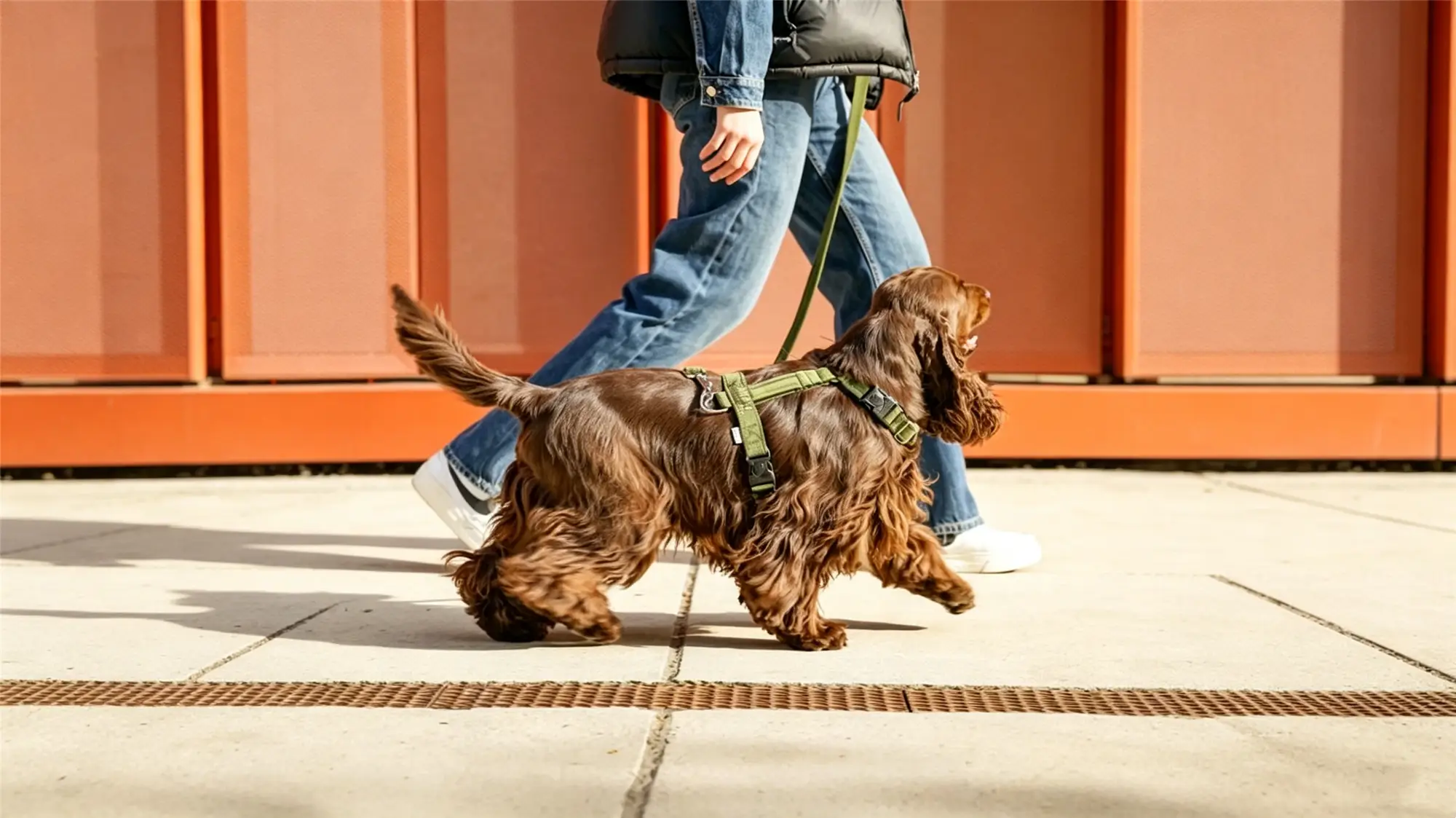
City dogs face unique challenges: crowded sidewalks, sudden traffic, and tight elevator spaces. You need a durable dog leash with a secure clasp and traffic handle for quick restraint.
For metropolitan areas, pairing a sturdy lead with a well-fitted harness prevents neck strain when navigating busy streets. The setup above shows how a mid-length leash provides control without restricting your dog’s natural gait.
Style-Conscious Pet Parents
Who says safety equipment can’t be Instagram-worthy? Modern pet accessories blend functionality with aesthetic appeal, featuring color-coordinated sets and designer details.
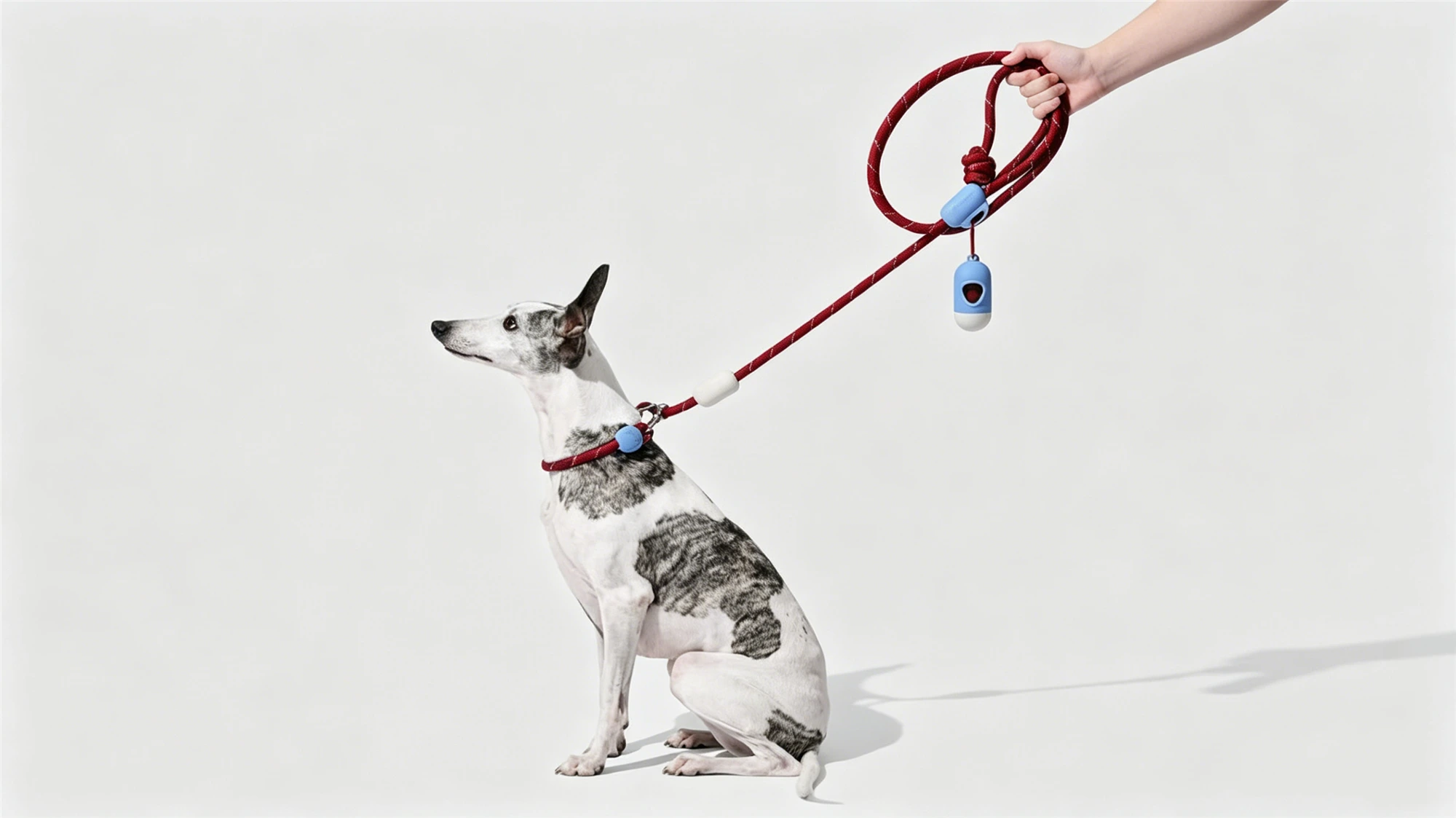
This configuration demonstrates how climbing rope construction meets fashion-forward design. The integrated accessories—like the matching waste bag holder—keep essentials within reach while maintaining a clean, minimalist look.
All-Day Comfort & Adventure
For dogs who join you on coffee shop patios or long weekend hikes, comfort is paramount. Soft, padded materials prevent chafing during extended wear.
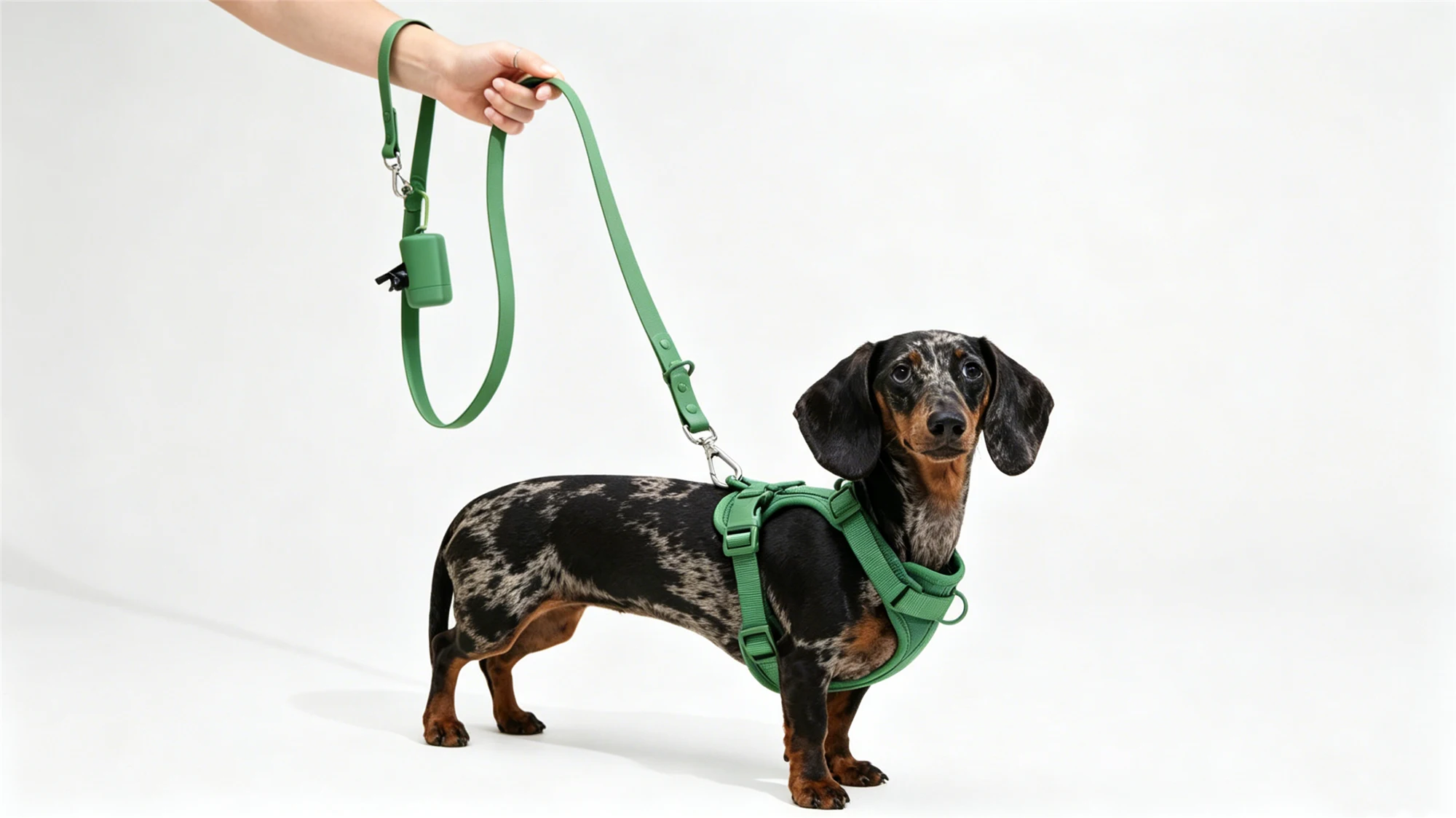
The leather leash and padded harness combination shown here distributes pressure across the chest rather than the neck—crucial for breeds prone to back issues or tracheal sensitivity. The wrist loop design allows hands-free moments when your pup is safely stationary.
Size and Breed Considerations
A Chihuahua and a Great Dane have vastly different biomechanical needs. Your dog’s weight, neck sensitivity, and pulling tendencies should guide your selection.
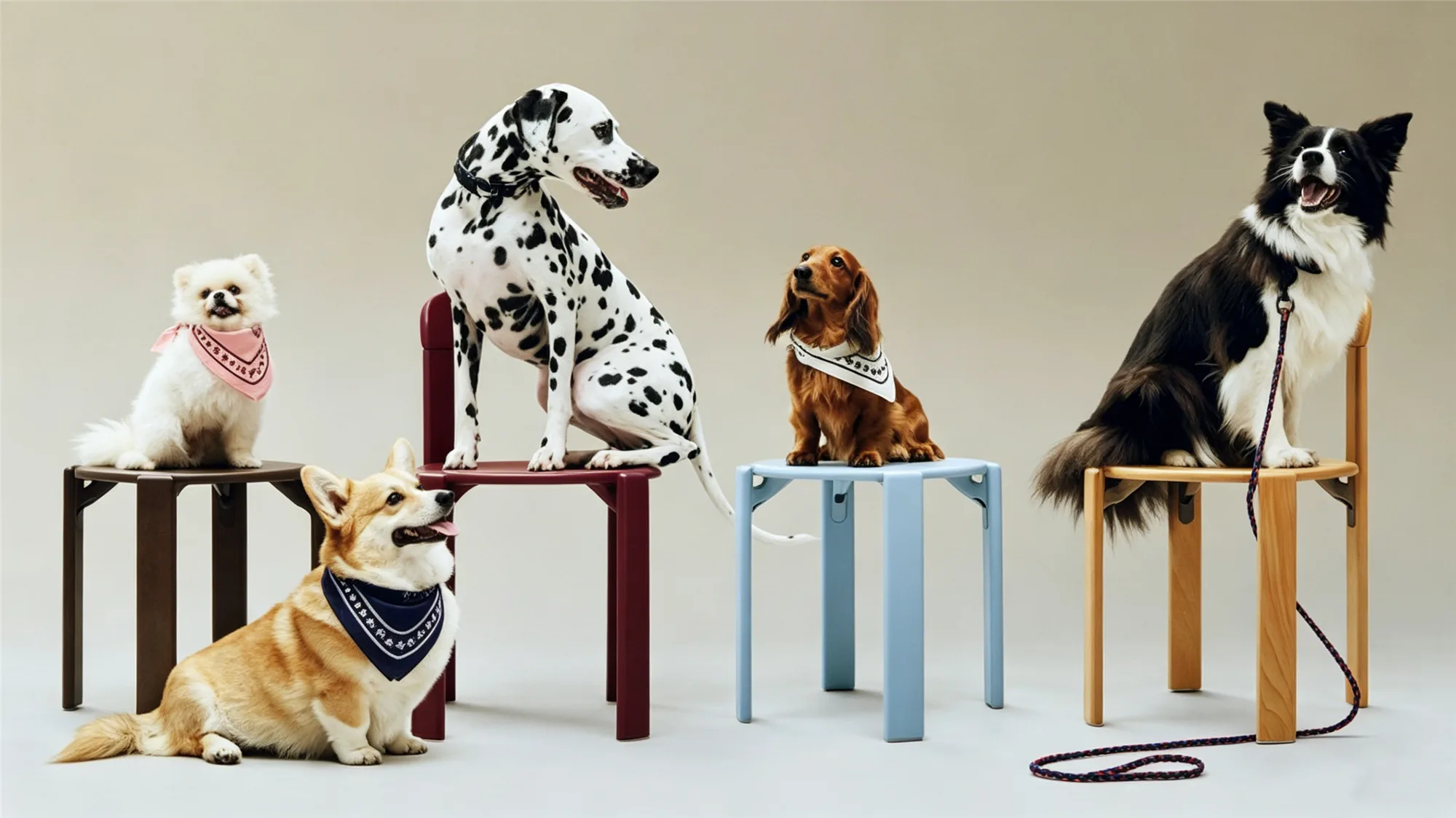
From the tiny Pomeranian to the athletic Border Collie, each breed requires specific consideration:
- Small breeds: Lightweight leashes under ½ inch wide prevent overwhelming delicate frames
- Brachycephalic breeds (Pugs, Bulldogs): Harness compatibility is non-negotiable due to breathing concerns
- Working breeds: Require heavy-duty hardware and reinforced stitching
- Sighthounds: Often need specialized collars or harnesses that prevent escape from narrow heads
Care and Maintenance Tips
Extending your leash’s lifespan requires minimal but consistent care:
- Machine wash nylon leads monthly (check hardware first)
- Condition leather leashes quarterly with pet-safe oil
- Inspect clasps weekly for signs of metal fatigue
- Store out of direct sunlight to prevent material degradation
Conclusion: Invest in Quality, Walk with Confidence
The perfect dog leash bridges the gap between safety and enjoyment. By considering your lifestyle, your dog’s physical needs, and the quality of construction, you’re not just buying a product—you’re investing in years of stress-free adventures.
Ready to upgrade your walking experience? Browse our curated collection of premium pet leashes designed for every breed, budget, and aesthetic preference.